On this page
A leaning layer cake is often blamed on slippery frosting, but sliding can start with domed cake layers, an uneven filling, a wet fruit centre or a cake that was stacked before its components were cool. The best fix is structural: build every layer on a level surface, keep the filling within its intended thickness and stabilize the stack before decorating. Tall cakes need more planning, not simply a thicker outside coat.
Why layers move
Gravity pulls on a stack while the layers and fillings compress. Soft whipped cream, loose curd or jam can act like a lubricating layer between cakes, particularly when the filling is spread thickly. A tilted board, domed sponge or warm buttercream can amplify the movement until the cake begins to lean.
Start with properly cooled cakes
Warm layers melt buttercream and soften cream fillings on contact. Let baked layers cool fully according to their recipe before trimming or frosting. Wrapping slightly warm cakes may trap condensation, while trying to assemble them hot often creates a sliding problem before the final coat has begun.
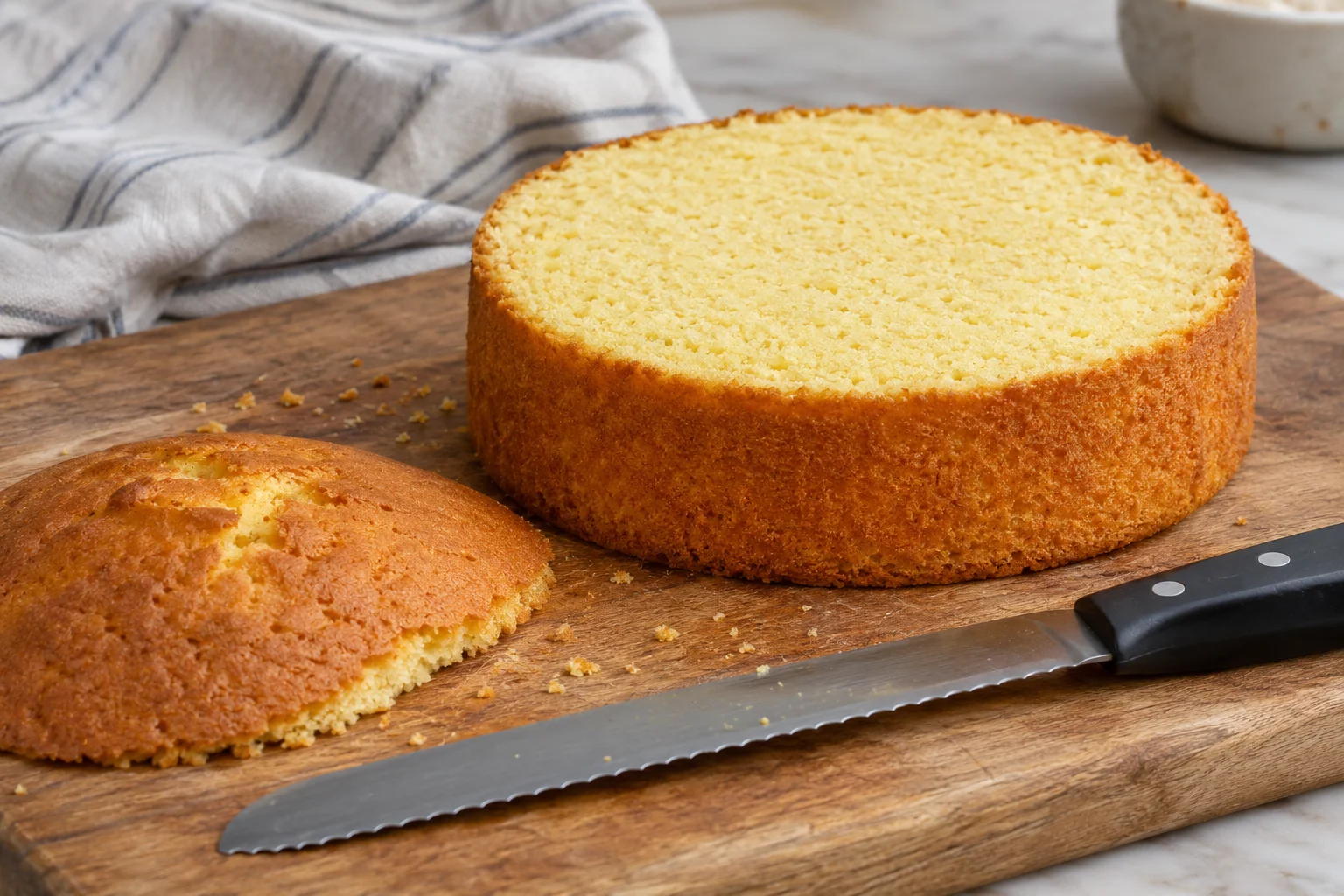
Level domed layers
An even horizontal surface helps distribute weight. If a sponge has a pronounced dome, trim it using a long serrated knife or a cake leveler once cool and sufficiently firm. Do not try to compensate for a domed cake by piling a large mound of filling at its lower edge.
Choose the right filling consistency
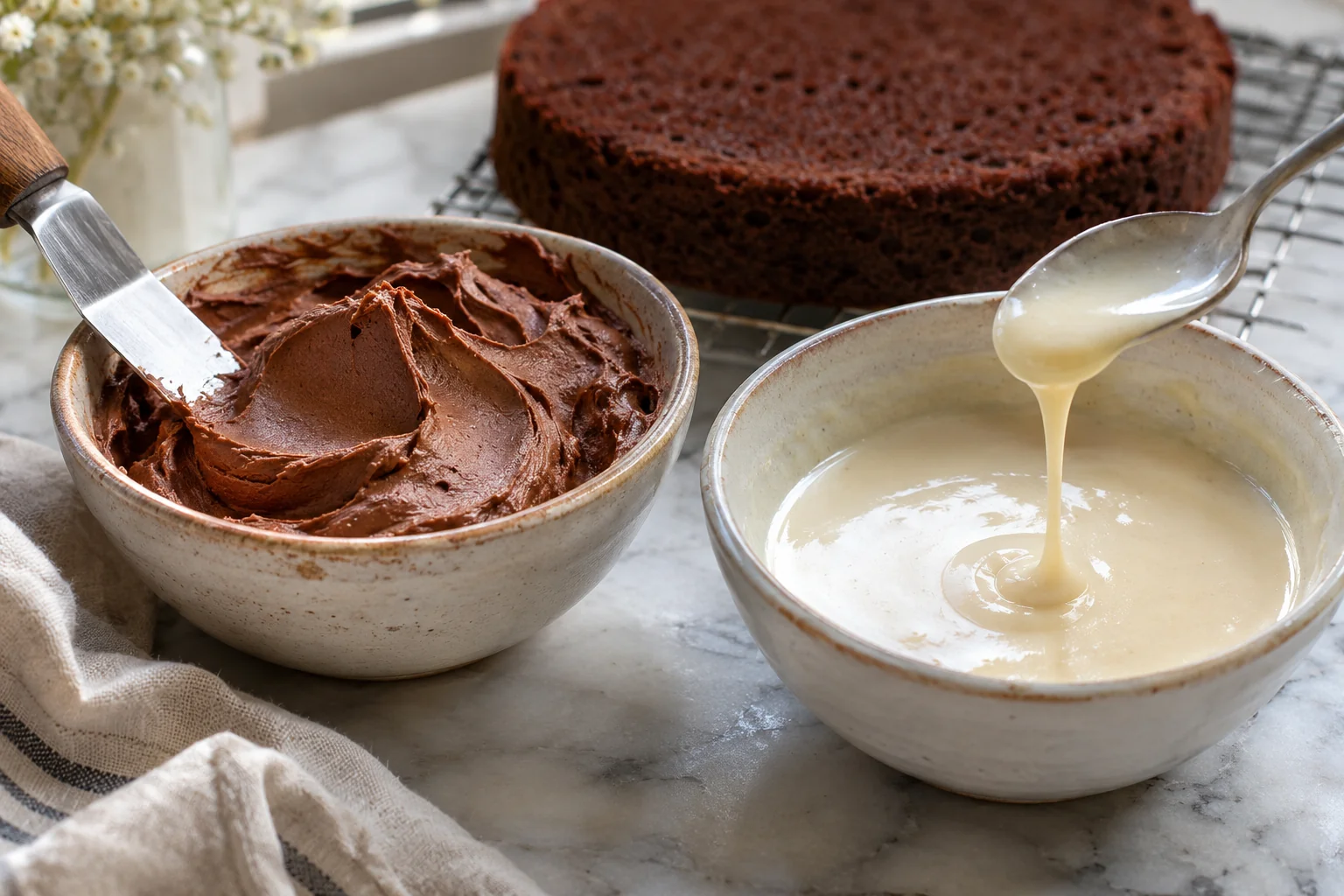
A thick, pipeable buttercream or properly set ganache generally supports a cake more predictably than a free-flowing sauce. Pastry cream, whipped cream and fruit compote can also be used, but they need formulas and assembly methods developed for stacked cakes. A delicious filling isn't necessarily a structural filling.
Recipe to try: Chocolate Layer Cake. Rich, decadent chocolate layers enveloped in silky frosting create a celebration-worthy cake with deep cocoa flavor and melt-in-your-mouth texture.
Keep filling depth controlled
Spread a reasonably even layer rather than a thick mound in the centre. Some cake recipes provide an exact thickness or gram weight per tier. Use those amounts; adding another cup of lemon curd because you have leftovers may make the top layer shift sideways.
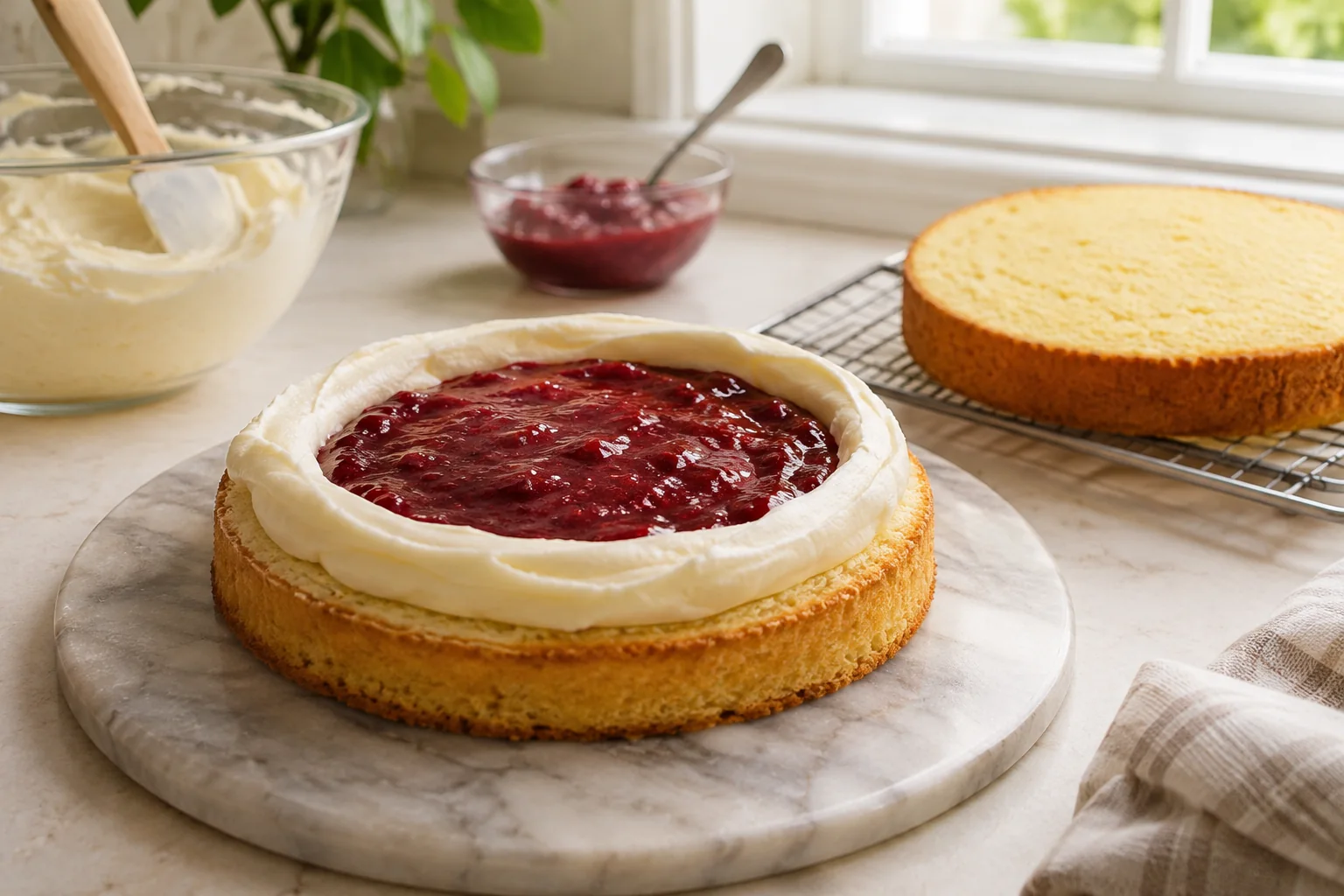
Use a buttercream dam
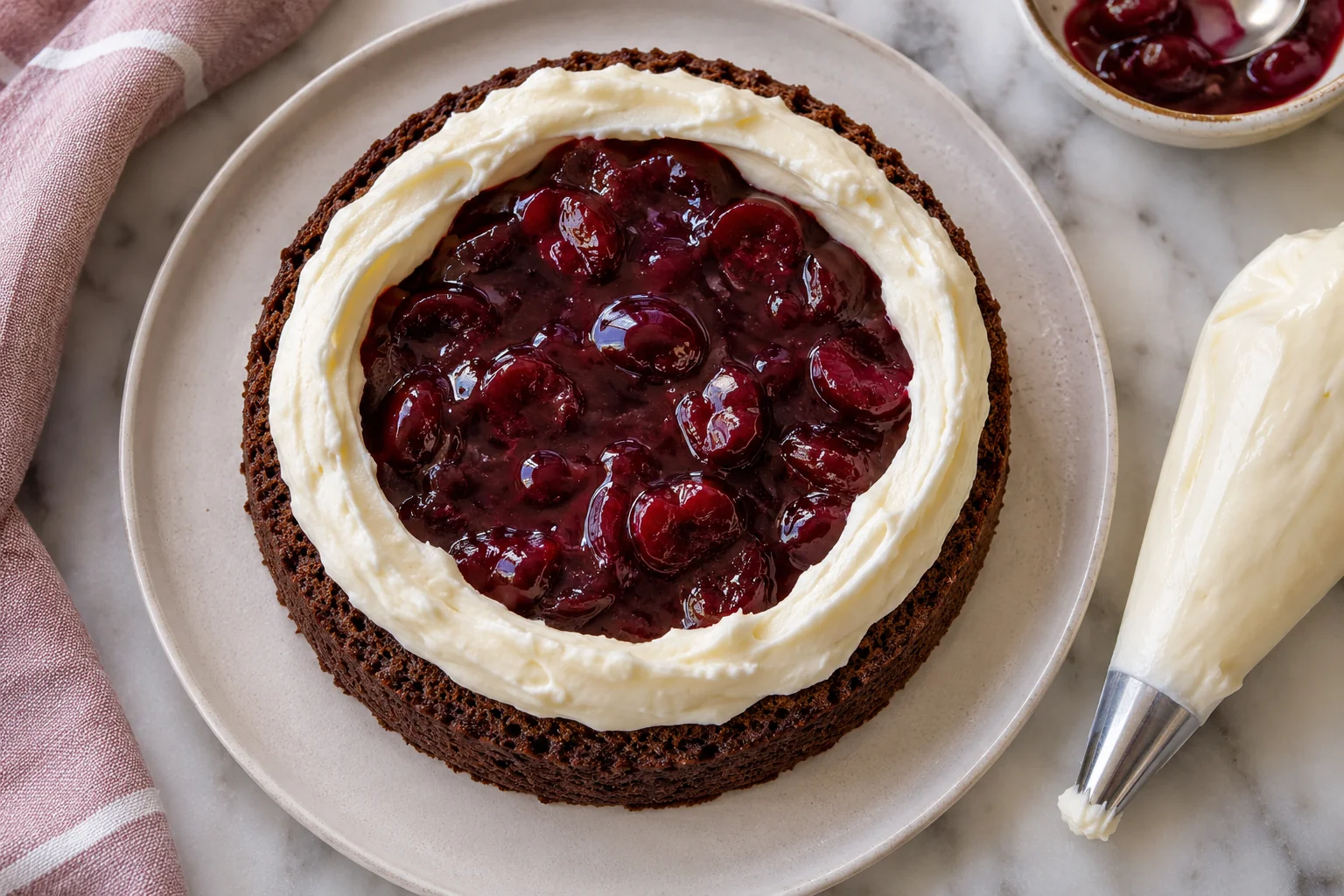
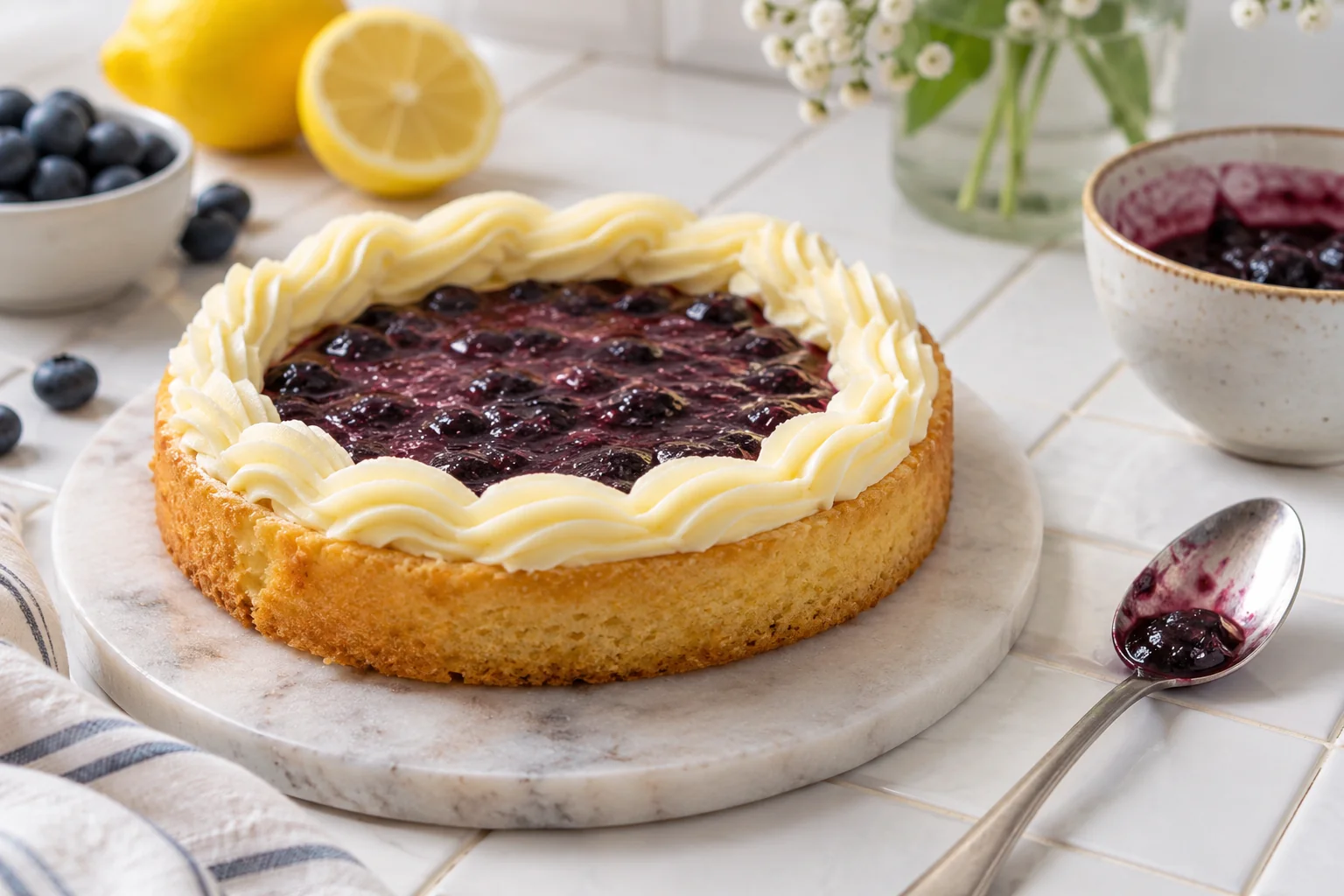
A piped ring of suitably firm buttercream around the perimeter can contain a softer jam, curd or fruit filling. The dam should rise at least to the filling's intended depth so it actually retains the centre. Chill or set it according to the method before adding heavy layers.
Recipe to try: Classic Vanilla Layer Cake. A tender, moist three-layer vanilla cake with silky buttercream frosting that delivers pure, aromatic vanilla flavor in every delicate, buttery bite.
Do not overfill fruit centres
Fresh fruit releases juice, and canned or thawed fruit can introduce even more moisture. Pat fruit dry or use the filling preparation specified by the recipe. A loose strawberry sauce can run beneath the buttercream dam and soften both sponge and support.
Recipe to try: Strawberry Layer Cake. A tender, three-tiered vanilla sponge cake filled with fresh strawberry compote and frosted with light strawberry buttercream for the perfect balance of sweet berry flavor and delicate crumb.
Crumb coat for early stabilization
A thin outer coat captures crumbs and helps hold layers in alignment. Many assembly guides call for a short refrigeration period after crumb coating, allowing the buttercream to firm before the final layer of frosting. A thick outer coat can't permanently repair a tilted interior, so align first.
Chill strategically
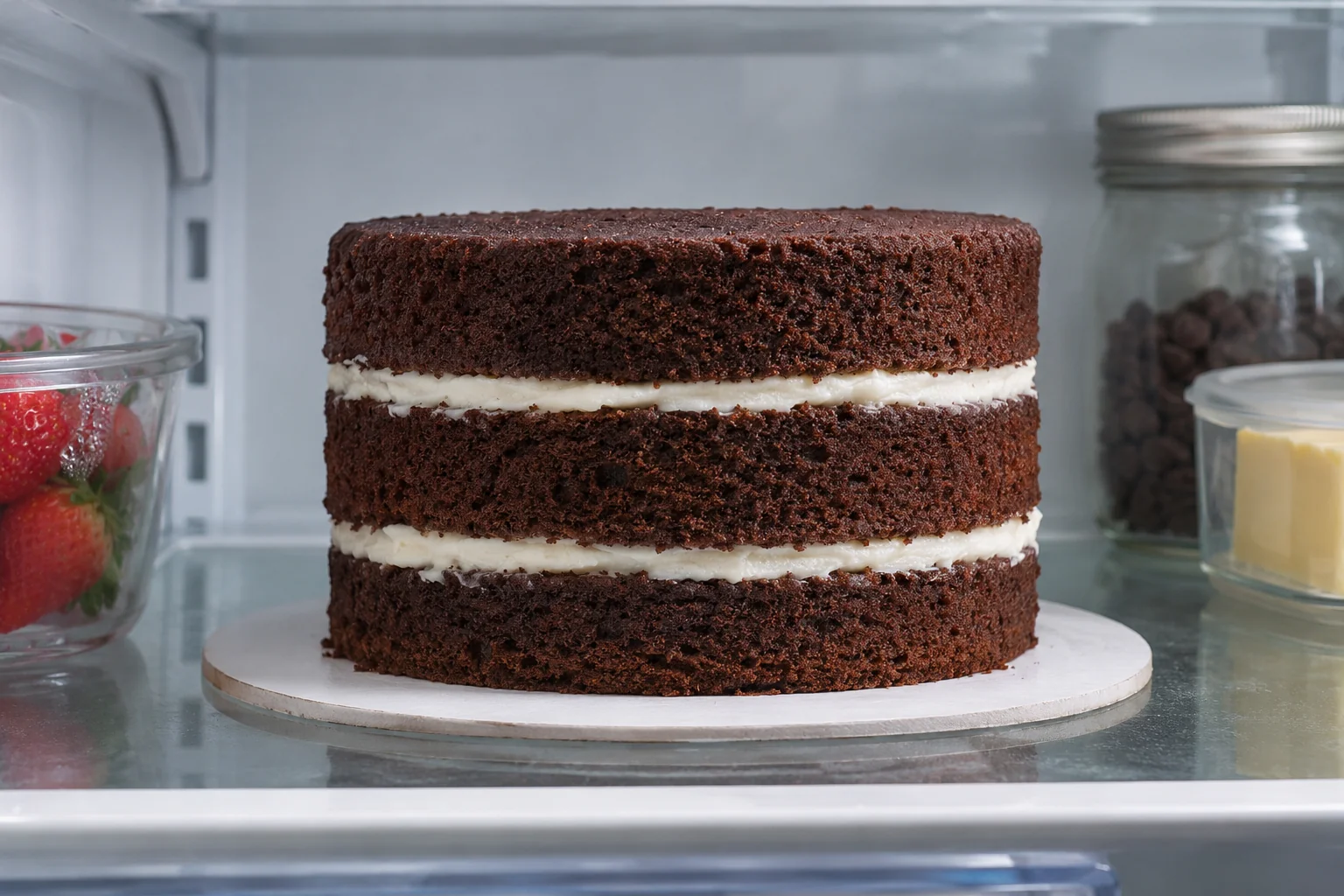
If filling softens while you work, refrigerate the cake for the recipe's recommended interval. Butter-based frostings often firm when chilled, making the stack easier to finish. Whipped-cream cakes need cold storage for safety as well as structure. Avoid freezing as a reflex if the filling changes texture during thawing.
Use a sturdy level cake board
A thin flexible board can bend under the weight of a tall cake. Place each cake on a board appropriately sized and rated for its weight. Work on a genuinely level counter and check the stack from several angles as each layer is added.
Center every layer
Position the next cake directly over the previous one, without pushing hard enough to squeeze filling outward. If it needs adjustment, lift or reposition carefully rather than dragging it across a soft filling. A small offset spatula can help keep the dam and inner filling even.
When dowels or supports are needed
Tall multi-tier cakes or exceptionally heavy structures may require cake boards, food-safe dowels and planned load-bearing support. Not every two-layer birthday cake needs internal dowels. Use a design-specific support system and remove non-edible pieces before serving; don't improvise with unsuitable sticks.
Why a central dowel is not a cure-all
A dowel can assist certain tall or transported designs, but it does not make a pool of loose custard into a stable filling. If the layers are sliding internally, correct filling thickness and chilling first. Structural rods should supplement sound assembly rather than conceal a failed filling.
Transport can cause sliding
Even a stable cake can shift when driven on a sloped car seat or carried at an angle. Set a boxed cake on a flat stable surface, use an appropriate non-slip support, and keep it cold when the filling requires refrigeration. Avoid sudden braking and warm vehicles.
Temperature and humidity
Warm conditions soften buttercream; humidity can create condensation on cold surfaces. Plan frosting choice and handling for the venue. A cake that looks stable in a cool kitchen may lean outdoors in afternoon heat, especially if filled with whipped cream.
What if a layer begins to move?
Stop decorating and return the cake to a safe, cool working environment. If the filling is appropriate, gently realign before it becomes set, then chill. If a layer is seriously slumping or the board is collapsing, disassemble safely and rebuild with correct support rather than hiding the problem under piping.
Why bulging frosting is a warning sign
A ridge around the middle can show that filling is being squeezed outward as the stack settles. It may also result from excess filling or an uneven dam. Investigate before final decoration. Adding another coat can hide the ridge temporarily without fixing the pressure inside.
Layer cakes with whipped cream
Whipped cream requires correct whipping, sometimes stabilizing for the design, and safe refrigeration. It is generally less robust under heavy stacking than a firm buttercream dam. Use a tested whipped-cream cake formula and avoid exceeding its intended height.
Common mistakes
Frosting warm sponge, skipping leveling, spreading a very thick filling, using wet fruit, assembling on a bent board and transporting in a hot car are recurring causes. Many are preventable by planning one assembly stage at a time.
Frequently asked questions
Will chilling stop all sliding? No, it won't repair an overfilled centre. Should I use dowels in every layer cake? Not in ordinary short cakes; structural needs depend on the design. Can ganache work as a dam? In some tested formulas. Why does the cake lean after sitting? Settling and soft filling can reveal structural imbalance.
Build from the inside out
Straight layers and a stable filling do far more than a perfectly smooth exterior. Level, fill evenly, contain wet centres, chill appropriately and support the weight. Once the stack is structurally sound, decorating becomes much more enjoyable.
IN PICTURES
From the baking notebook
FROM THE RECIPE BOX


