On this page
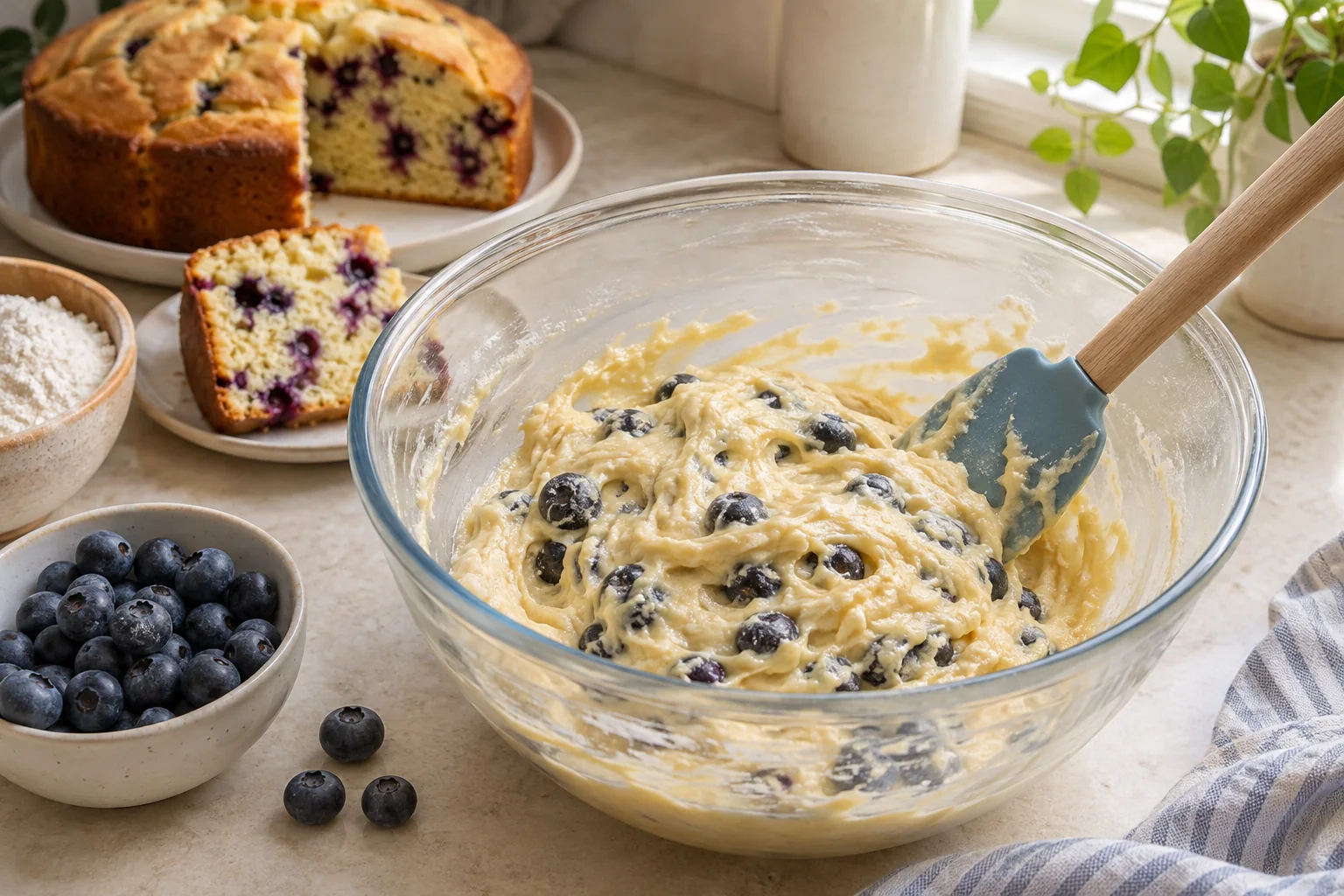
Slice a beautiful blueberry loaf and you may discover that almost every berry has collected in a purple layer along the bottom. Fruit sinks when the batter cannot support its weight and movement during baking. Coating berries in flour sometimes helps in certain formulas, but it isn't a universal fix for a batter that's too thin or fruit that's too wet. The more useful approach is to match fruit size and moisture to the cake's structure.
Why fruit sinks at all
Fruit is often denser than the aerated cake batter surrounding it. As the batter warms, it softens before starches and egg proteins set, allowing pieces to move. Large, wet fruit and very fluid batters make sinking more likely. The cake's rise, oven timing and pan depth also affect where the pieces finish.
Start with a recipe designed for fruit
A blueberry muffin, pound cake and chiffon cake have different batter thicknesses and baking methods. A fruit-heavy coffee cake can support berries in ways a delicate sponge cannot. If you want a high proportion of fruit, choose a tested fruit cake rather than adding two cups of berries to a plain sponge formula.
Recipe to try: Vegan Lemon Blueberry Loaf. This tender vegan loaf cake bursts with vibrant lemon flavor and juicy blueberries, crowned with a tangy lemon glaze that creates the perfect balance of sweet-tart in every moist, melt-in-your-mouth bite.

Use an appropriate fruit weight
Recipes often give a measured weight or volume of berries relative to batter. Increasing fruit substantially makes the cake heavier and introduces more moisture. Follow the stated amount for the first bake; extra fruit can change the centre's doneness and cause a soggy stripe.
Choose small or cut pieces
Large strawberries and thick apple chunks are more likely to pull through a light batter than smaller uniformly cut pieces. Cut large fruit into the size recommended by the recipe. Extremely tiny soft pieces may bleed colour throughout, so balance size against the texture you want.
Dry washed fruit thoroughly
Fresh berries should be washed appropriately and then gently dried. Surface water creates slipperiness, dilutes the surrounding batter and can contribute to wet streaks. Treat raspberries gently so they don't collapse before entering the mixture.
Frozen berries are a different ingredient
Frozen fruit can release juice as it thaws and may colour the batter. Some recipes deliberately add berries while frozen; others thaw and drain them. Follow the tested frozen-fruit instructions. Extra frozen fruit can also slow centre heating, making the cake appear done around the edges while the middle remains wet.
Does flour coating help?
A light coating of flour is a common baking tip, but its effectiveness depends on fruit size and batter viscosity. It may help distribute surface moisture and give pieces a little grip, yet it cannot hold large heavy fruit in an excessively thin batter. Avoid adding so much flour that pockets of raw dry powder remain.
When to use a starch coating
Some recipes use a small amount of flour or cornstarch on fruit to absorb released juice or limit colour bleeding. Use the amount and starch specified by the formula. A heavy coating can leave gummy halos around fruit rather than improving the cake.
The importance of batter thickness
A relatively thick muffin or pound-cake batter can suspend fruit more effectively during the early bake. A very airy cake batter may allow pieces to settle. Don't attempt to thicken a delicate sponge by adding arbitrary flour at the end, because that changes the cake's lift and tenderness.
Mix fruit in at the right stage
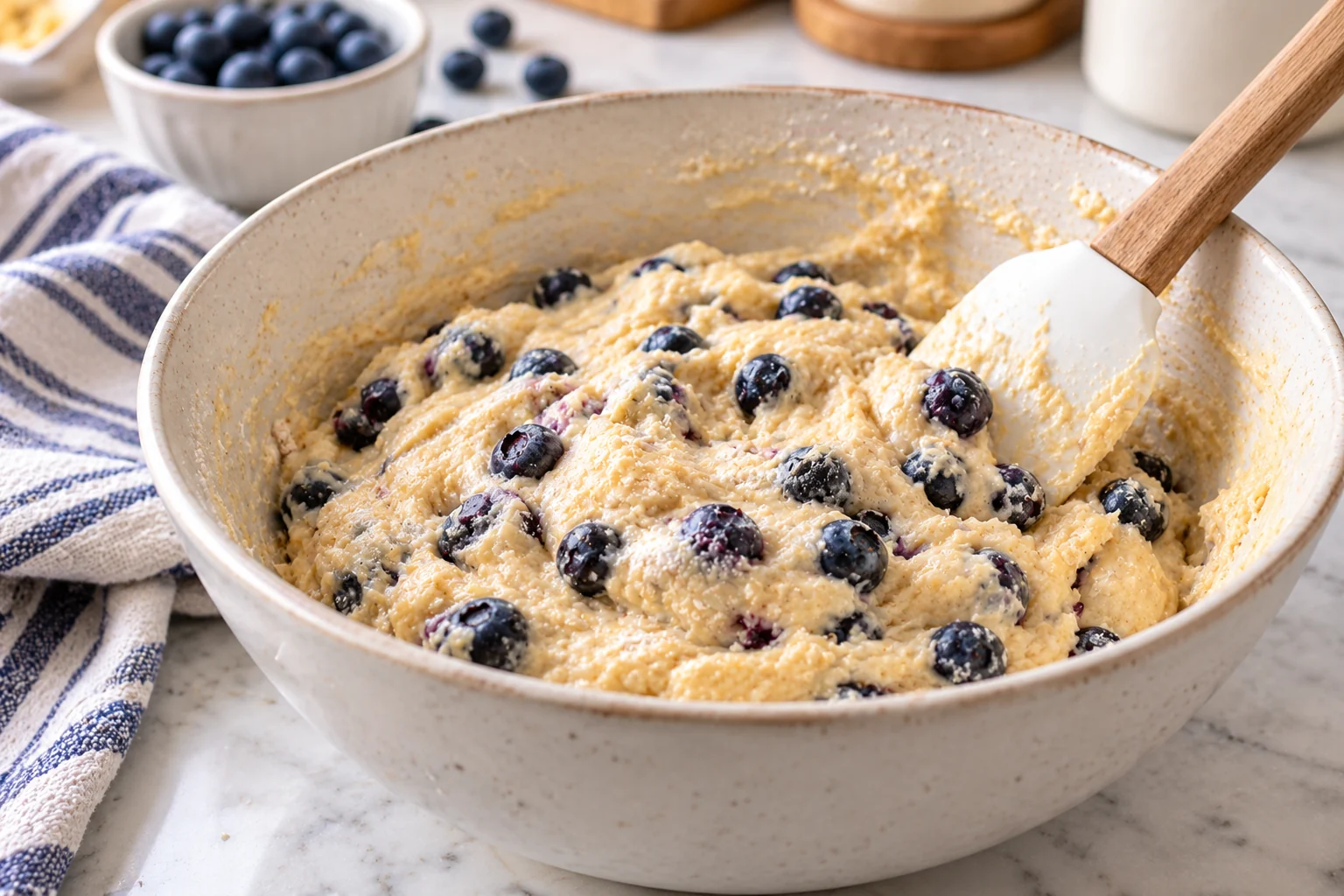
Fold fruit into the batter after the main mixing is complete unless the recipe specifies layers or a topping. Gentle folding preserves delicate berries and avoids unnecessary gluten development. Stirring vigorously can crush soft fruit and release juice that colours the entire crumb.
Try layering when the recipe supports it
Some cakes put a thin amount of plain batter in the pan before adding fruit-containing batter. This may create a buffer at the base, but it isn't a guaranteed fix if the fruit and batter are poorly matched. Follow a layered fruit-cake recipe rather than improvising a thick uncooked base.
Don't rely on adding fruit only to the top
Fruit placed on top may partially sink during baking, sometimes creating an attractive scattered effect. In an extremely wet or heavy fruit combination, it can still fall to the bottom. Use the distribution method written for the cake you are baking.
Berries versus cherries
Whole blueberries are relatively small and often work well in muffin and loaf batters. Pitted cherries may be much larger and juicier, so halving or quartering them can help. Always remove pits and prepare fruit exactly as directed.
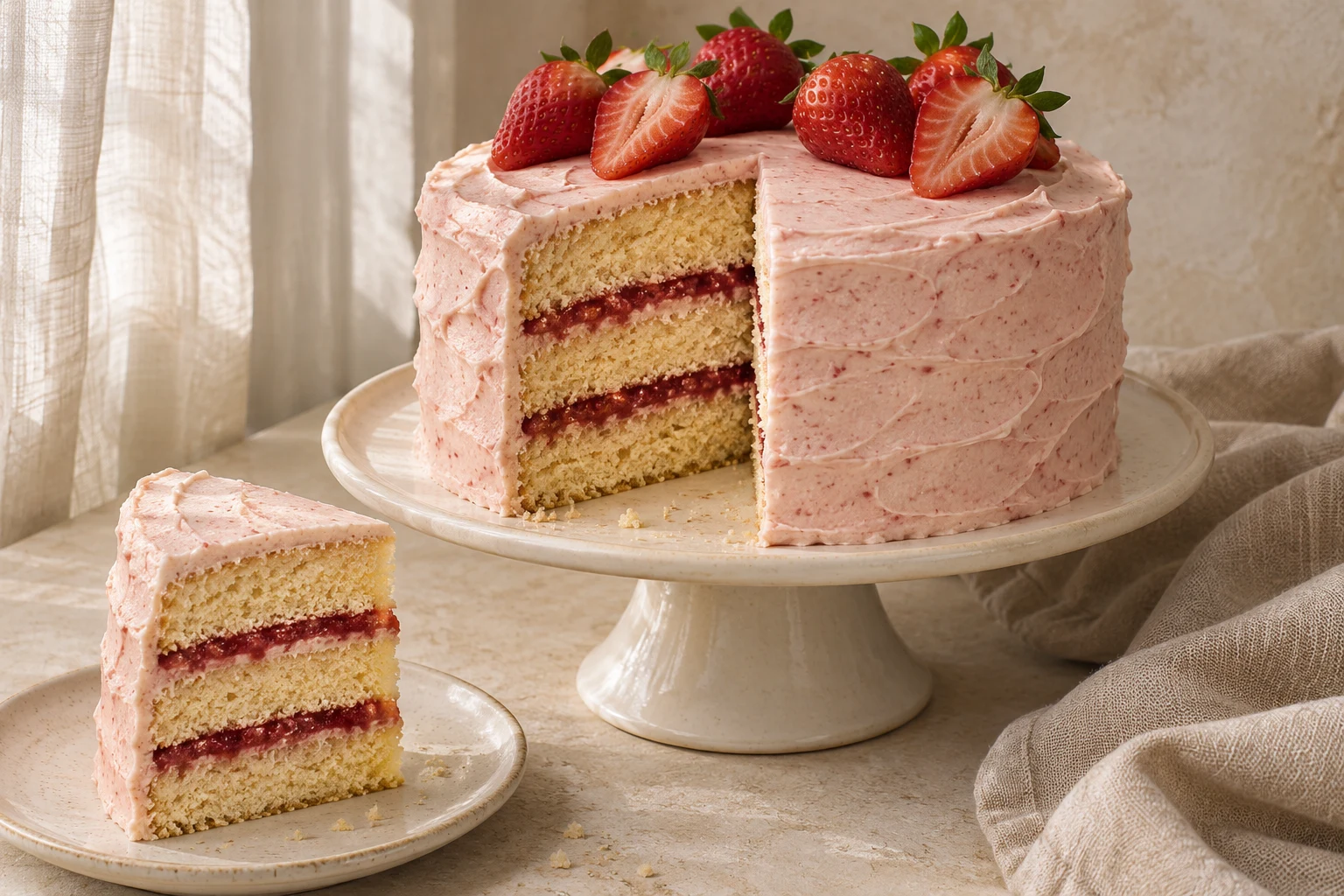
Recipe to try: Strawberry Layer Cake. A tender, three-tiered vanilla sponge cake filled with fresh strawberry compote and frosted with light strawberry buttercream for the perfect balance of sweet berry flavor and delicate crumb.
Apples and pears
These fruits are comparatively firm and can be cut into small cubes or thin slices depending on the cake. An apple cinnamon snack cake may intentionally layer slices rather than fold cubes throughout. Use the fruit variety and preparation specified by the recipe to control firmness and moisture.
Citrus and tropical fruit
Segments of orange, pineapple and mango have different juice levels and textures. Very wet canned fruit may need draining and patting dry; fresh pineapple can influence some gelatin-set toppings. A tested tropical fruit cake coordinates that moisture with the batter.
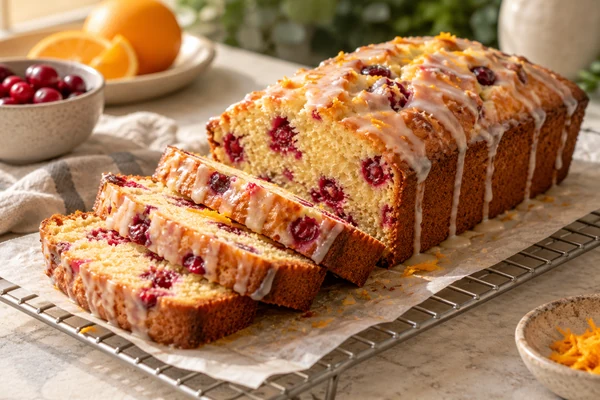
Recipe to try: Cranberry Orange Bread. Moist, tender quick bread bursting with tart cranberries and bright orange zest, crowned with a sweet citrus glaze that creates the perfect balance of sweet and tangy flavors.
Chocolate chips aren't a perfect comparison
Chocolate chips and fruit may both settle, but fruit adds significant water and can soften during cooking. A technique that suspends chocolate chunks in a dense cookie bar may not hold wet berries in sponge cake. Manage moisture separately from weight.
Oven preheating matters
The cake needs a predictable baking environment so its structure can develop at the intended rate. A poorly preheated oven may delay setting and give fruit more time to move. Don't counter a sinking-fruit problem by raising the heat far above the recipe's specification.
Pan choice changes depth
A deep loaf pan means a longer journey for fruit to settle than a shallow round cake. It also takes longer to bake through. Use the required pan size and material; a batter spread too thin across a wide tin may have different fruit distribution than the recipe intended.

How to know the centre is done
Fruit juice can make a tester wet even if nearby crumb is baked. Test the cake in a spot away from a large berry or fruit pocket, using the recipe's crumb and temperature cues where supplied. Raw batter surrounding fruit needs more baking; don't interpret every moist mark as harmless juice.
Why the bottom may look purple or gummy
Fruit collected at the base can release concentrated liquid into a small zone, creating a dense or damp stripe. The issue may be excessive fruit, a thin batter or insufficient baking. Reducing fruit quantity to the recipe's level is often more effective than adding a large flour coating.
A repeatable fruit-distribution test
Measure the fruit and batter by weight, photograph the mixture before baking and cut the fully cooled cake through its centre. Observe whether pieces are evenly spaced, clustered below or concentrated on one side. Repeat with just one change, such as fruit size or the tested fresh-versus-frozen preparation.
Frequently asked questions
Will flour stop fruit sinking? Sometimes it helps, but not reliably in thin batters. Can I use frozen berries? Yes in recipes designed for them. Should I thaw first? Follow the formula. Why is the base wet? Fruit juice and underbaking are possibilities. Do smaller fruit pieces always help? Often, but excessive crushing can create streaks.
Make fruit part of the structure
Choose the right recipe, portion fruit accurately, dry it and fold gently into batter capable of holding it. Even distribution comes from balanced cake structure more than from any last-minute trick with flour.
Related recipe: Classic Vanilla Layer Cake.
IN PICTURES
From the baking notebook
FROM THE RECIPE BOX


