On this page
A decorated cake rarely needs to be assembled in a last-minute rush. In fact, dividing baking, filling, crumb-coating and final decoration across several days can produce a neater cake and a calmer celebration. The limit is not merely how long frosting stays pretty. Cream cheese, custard, whipped cream and fresh fruit can shorten the safe storage window, while exposed sponge can dry or absorb refrigerator odours. A reliable plan works backward from serving time.
The answer depends on the cake
The most perishable ingredient determines storage. Whipped cream, cream cheese, custard, curd and other perishable fillings require refrigeration even beneath a sturdy outer coating. Check the complete cake recipe before deciding how early to decorate, and include transport and display time in that plan.
Separate baking from decorating
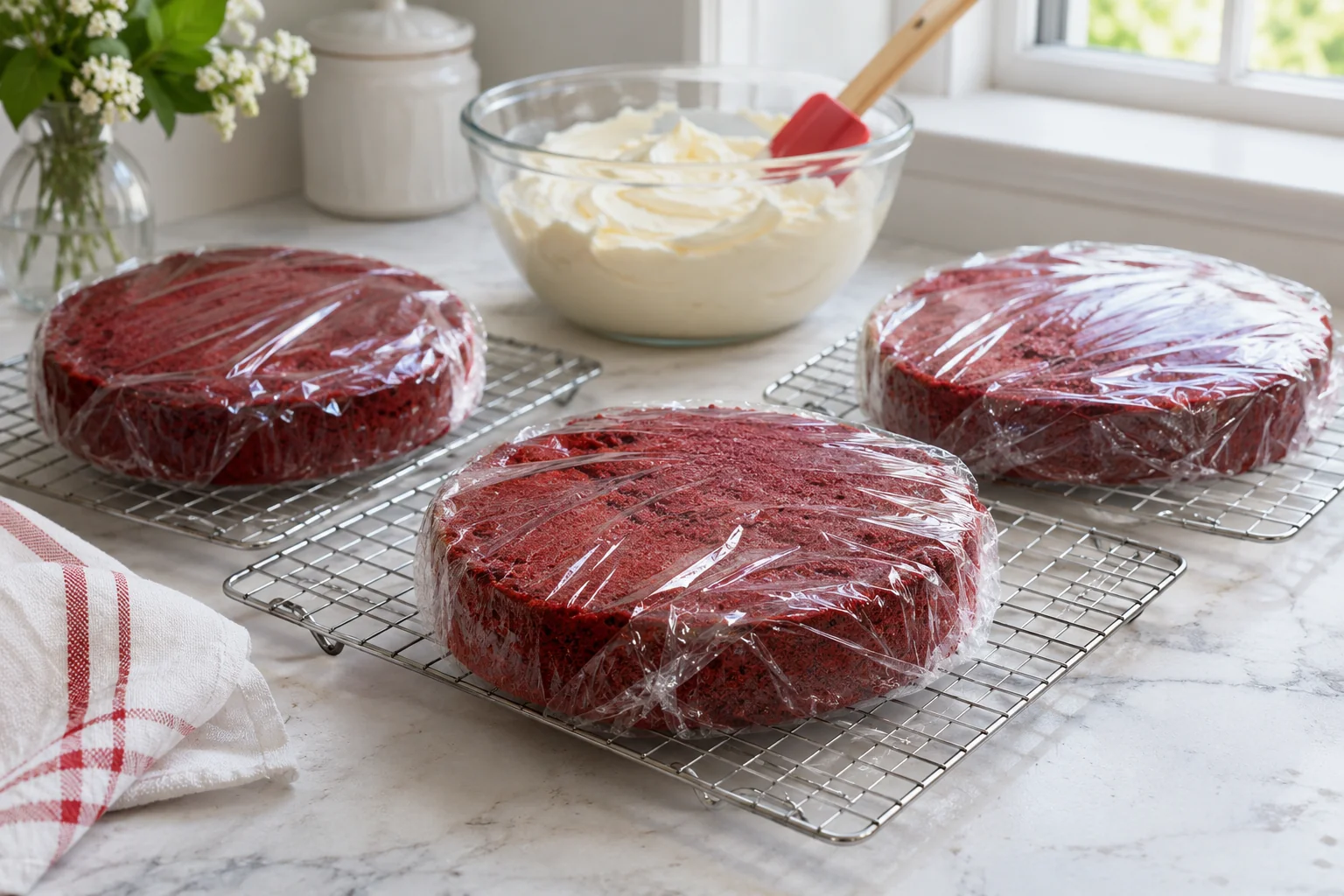
You can often bake cake layers before you assemble the finished dessert. Properly cooled layers may be wrapped and stored or frozen according to the recipe. This lets you focus on flat, cool layers during assembly rather than racing to frost freshly baked sponge.
A practical three-day approach
For a typical celebration, one possible schedule is baking and wrapping layers first, filling and crumb-coating the next day, then decorating close to service. The plan must fit the specific cake's storage instructions, especially when a perishable filling is involved.
How early can buttercream be made?
Many buttercream formulas can be prepared ahead and stored as the recipe directs. American buttercream, Swiss meringue buttercream and Italian meringue buttercream have different composition and restoration steps. Some require gentle rewhipping after chilling to return to a smooth spreadable texture.
American buttercream cakes
Some American buttercream formulas are convenient for advance decorating, but storage depends on the exact frosting and everything inside the cake. Do not assume a high sugar content makes every buttercream cake shelf-stable. Follow the complete recipe's storage instructions, especially when it contains a perishable filling.
Recipe to try: Classic Vanilla Layer Cake. A tender, moist three-layer vanilla cake with silky buttercream frosting that delivers pure, aromatic vanilla flavor in every delicate, buttery bite.

Swiss and Italian meringue buttercreams
These buttercreams often require particular temperature control when made, chilled and rewhipped. They can become very firm in the refrigerator because of butterfat. Follow recipe-specific storage and reconditioning instructions rather than warming a finished cake indefinitely on the counter.
Cream cheese frosting changes the plan
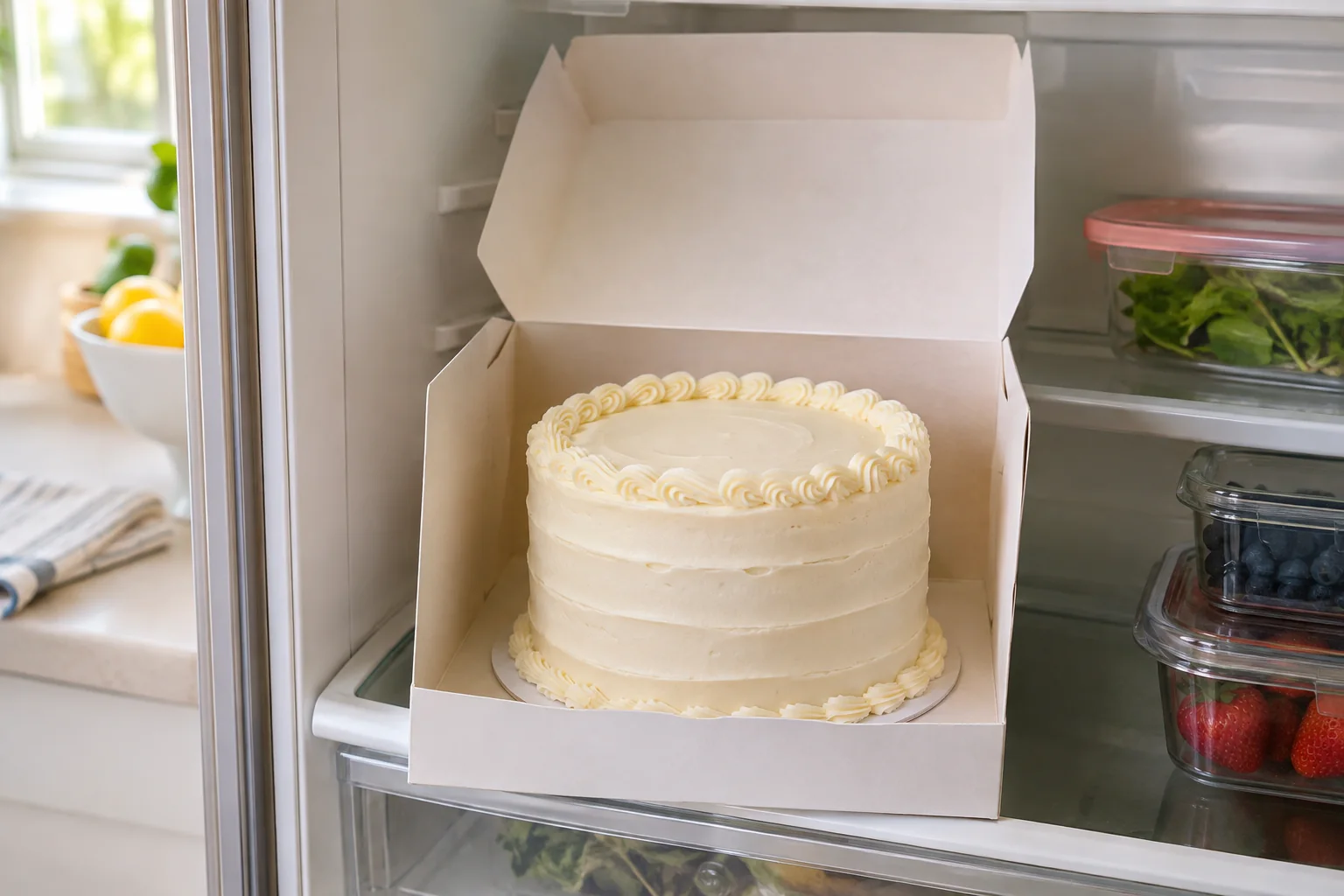
Keep cakes with cream cheese frosting or mascarpone refrigerated. Use the recipe's cold-storage window, protect the surface from damage, and bring the cake out only for a suitable serving period. A firm-looking frosting does not remove its need for temperature control.
Whipped cream fillings need refrigeration
A cake with whipped cream, pastry cream or custard must be kept cold. Stabilizing whipped cream may improve shape retention but does not make it shelf-stable. For a wedding or outdoor birthday, plan refrigeration and transport before choosing the design.
Fruit fillings matter
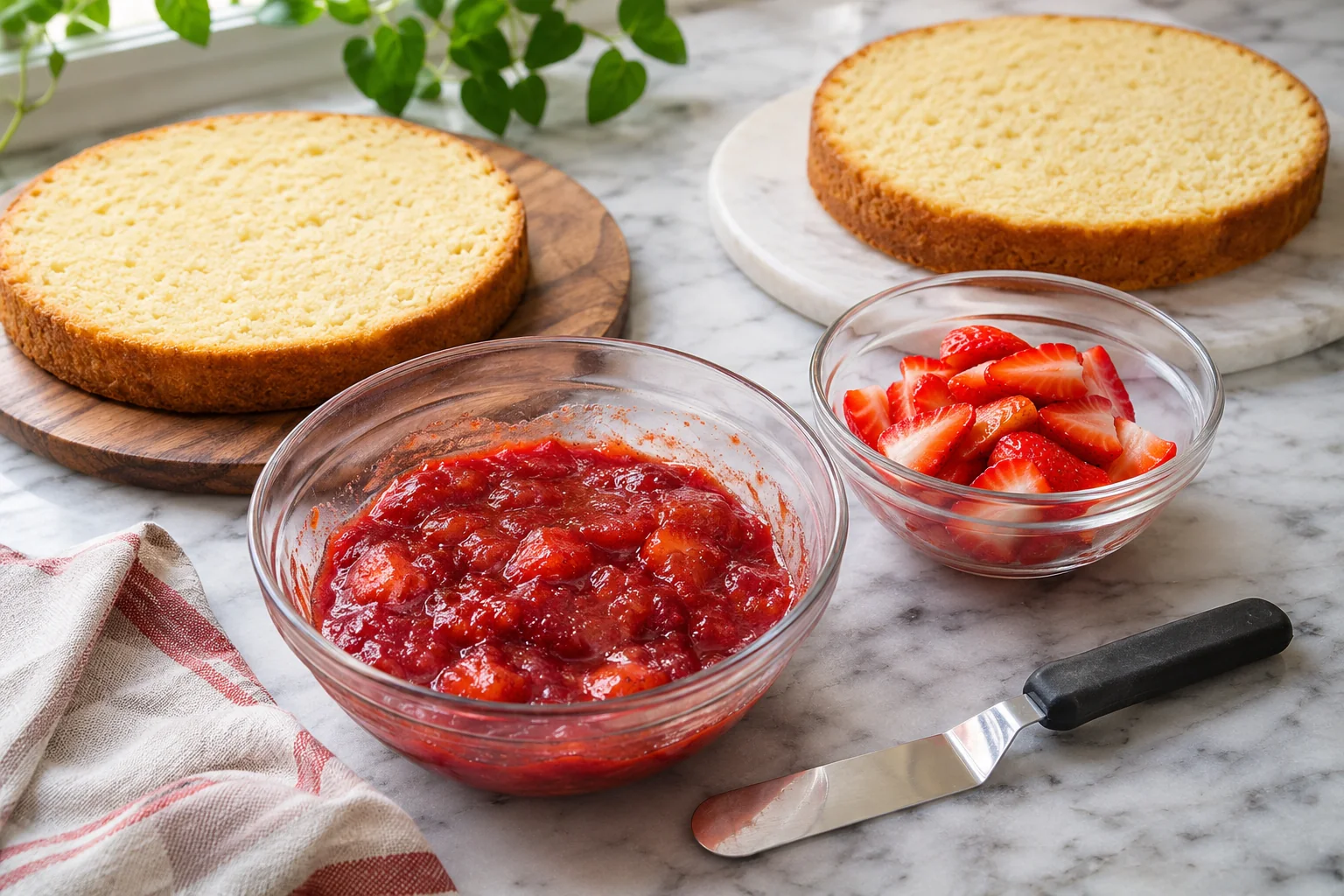
Fresh berries and fruit curds bring moisture and may be perishable. Even an otherwise stable buttercream exterior does not remove the filling's refrigeration needs. A very juicy fruit centre can soften the crumb and push frosting outward if assembled too early.
Recipe to try: Strawberry Layer Cake. A tender, three-tiered vanilla sponge cake filled with fresh strawberry compote and frosted with light strawberry buttercream for the perfect balance of sweet berry flavor and delicate crumb.
Ganache and chocolate coatings
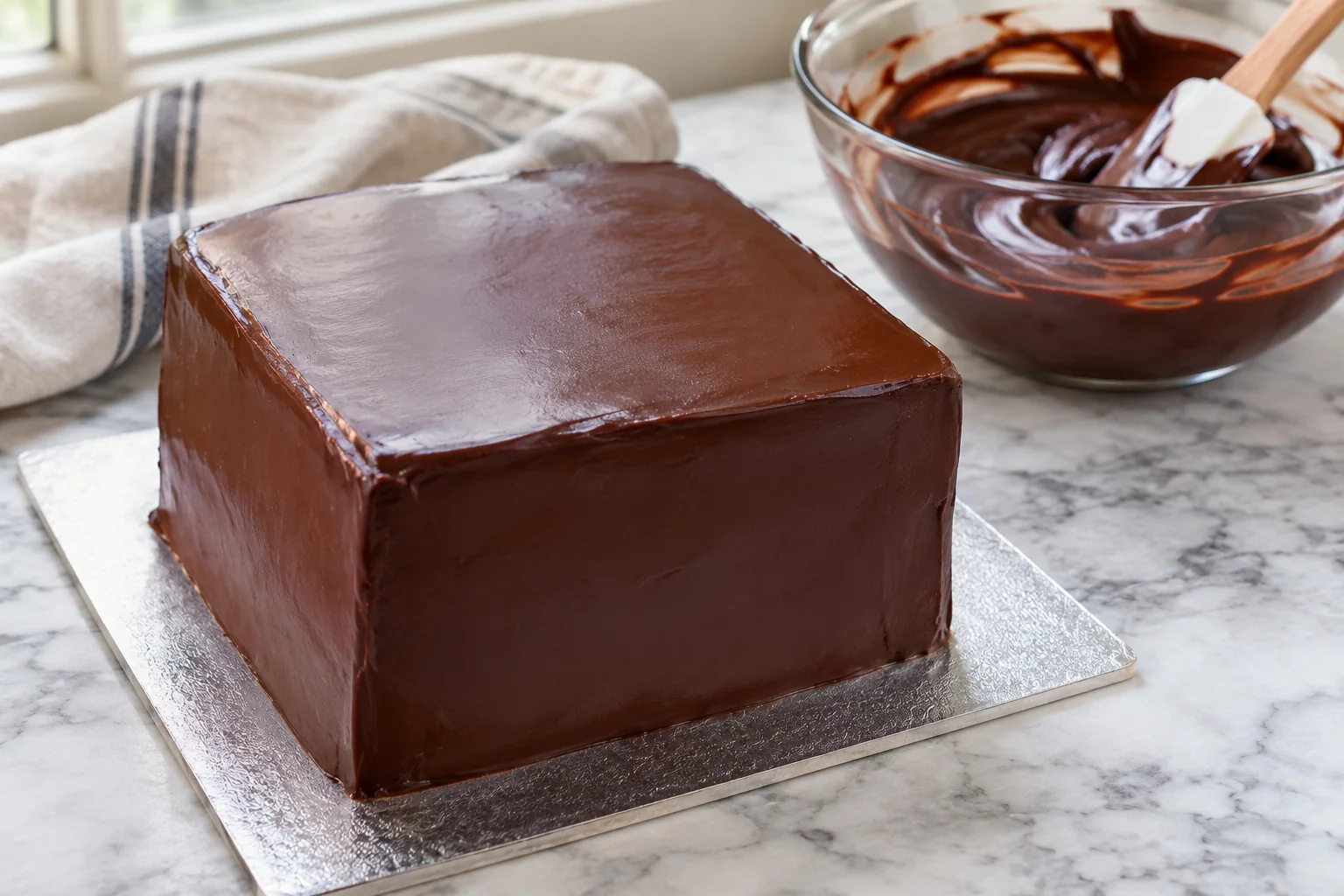
Ganache formulations vary by cream-to-chocolate ratio, chocolate type and additional ingredients. Their storage requirements depend on the complete recipe. A firm-looking chocolate shell is not proof that the cream-based filling is safe for prolonged unrefrigerated display.
Recipe to try: Chocolate Layer Cake. Rich, decadent chocolate layers enveloped in silky frosting create a celebration-worthy cake with deep cocoa flavor and melt-in-your-mouth texture.
Fondant cakes
Fondant can hold clean decorative shapes, but condensation in humid refrigeration can leave a sticky or shiny surface. A fondant-covered cake may still need cold storage because of its filling. Use a tested decorating and storage method for your climate rather than prioritizing appearance over safe handling.
When to crumb-coat
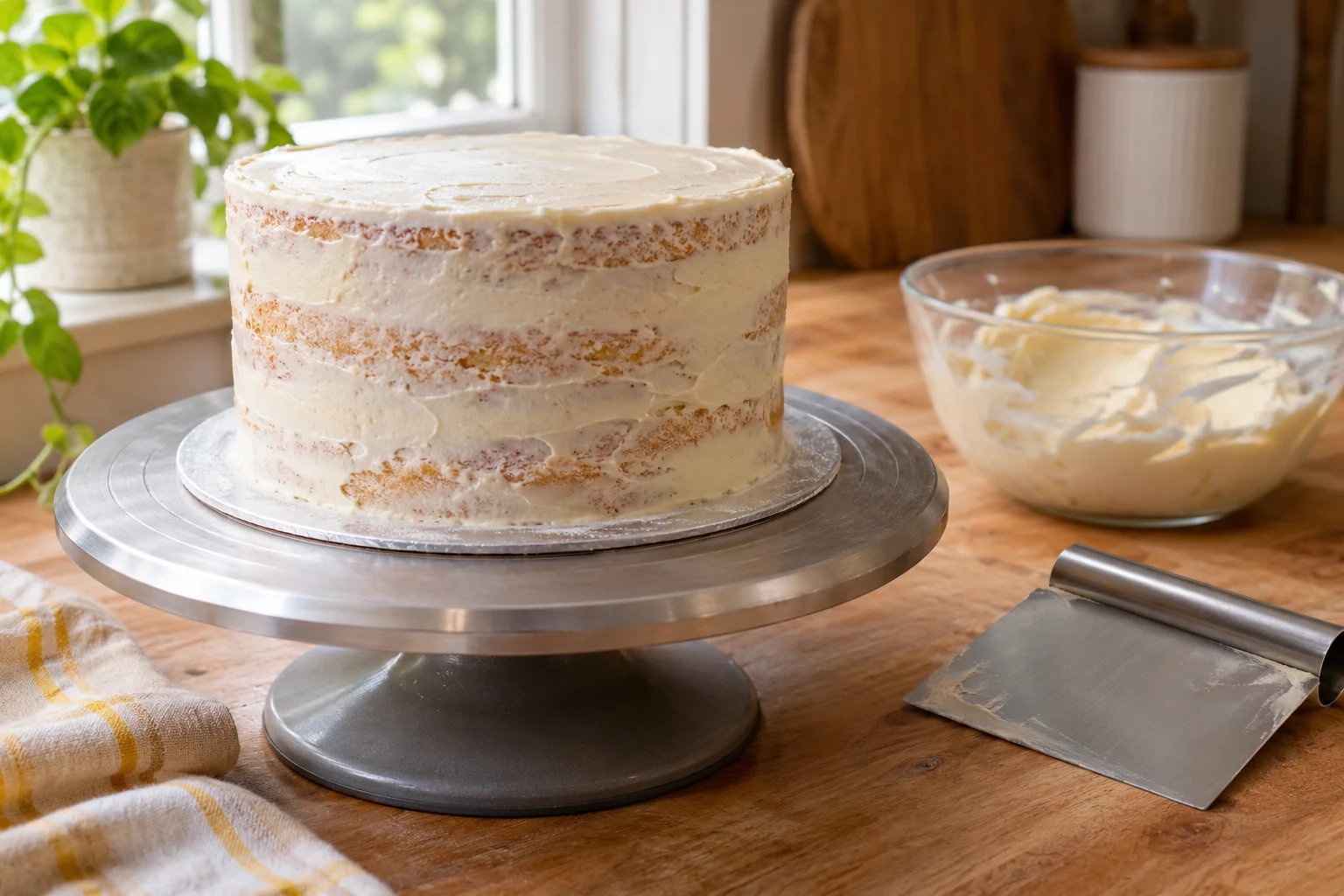
Apply a thin crumb coat to fully cooled, level layers to hold loose crumbs in place. Chill according to the frosting recipe until the surface is firm enough for the final coat. Build this resting stage into the schedule rather than covering a warm or unstable stack.
Plan delicate piping later
Fresh buttercream flowers, fine chocolate work and fragile sugar decorations may be easier to preserve if applied nearer the event. Moisture can dissolve certain sugar decorations, while humid temperatures affect chocolate. Choose the timing that protects the design's most delicate element.
Edible flowers and fresh garnish
Use only food-grade edible flowers from a supplier suitable for consumption. Fresh fruit or herbs may wilt and release moisture on frosting during storage. Many cakes look fresher when these elements are added close to serving.
Do not frost warm layers
Warm cake can melt buttercream and create sliding layers. Cool fully and follow any recipe-supported chilling or freezing step before assembly. A few saved hours from rushing this stage can result in hours of repair later.
Wrap unfrosted layers correctly
Air exposure dries cake and refrigerator odours can affect flavour. Wrap fully cooled layers closely with food-safe film and label storage dates. Don't enclose warm cake while steam is still escaping unless a specific method instructs it.
Support tall cakes before transport
Very tall cakes or stacked tiers may need boards and food-safe supports. Plan construction in advance, including removal of non-edible supports before cutting. A visually elaborate cake isn't safely transported by simply holding it on a cardboard circle with one hand.
Refrigeration and condensation
Moving a cold cake into a warm humid room can cause moisture to collect on its surface. Keep it protected during the transition according to the recipe, and avoid handling wet fondant or delicate decorations. Safety limits still govern how long a perishable cake may sit out.
Transport in a rigid box
Chill a cake when appropriate so its filling and frosting are stable. Use a rigid level base and box, secure it on a flat surface, and keep dairy-rich cakes cold in a suitable carrier. Avoid a warm car where frosting can soften even during a short journey.
What if the cake must sit at an outdoor venue?
Consider ambient temperature, shade, refrigerator access and serving time. A whipped-cream cake is a poor candidate for a long unrefrigerated display. Coordinate delivery close to cutting or choose a recipe and design developed for the expected conditions.
Common scheduling mistakes
Baking layers late at night and frosting them warm, filling too early with wet fruit, forgetting refrigerator space, and storing delicate sugar flowers against humid cream can all damage quality. Work backward from the most perishable component and most fragile decoration.
An example celebration timeline
Two days before: bake layers and store as directed. One day before: make and chill filling or buttercream; assemble and crumb-coat. Day of: add delicate decorations, transport safely, and hold at the correct temperature. Adapt the timeline to your recipe's permitted storage periods.
Frequently asked questions
Can I decorate a cake the night before? Often, if its ingredients and storage allow it. Can cream cheese frosting stay out overnight? No. Does fondant make cake shelf-stable? No. Can layers be frozen first? Many recipes allow it. Is a tall cake okay in a warm car? Not without suitable support and temperature control.
Choose a schedule the cake can survive
Prepare stable components early and save perishable or delicate finishing steps for the right moment. Storage and transport are part of cake design. A beautiful celebration cake should look good and remain safe from the first layer to the last slice.
IN PICTURES
From the baking notebook
FROM THE RECIPE BOX


