On this page
Pie recipes sometimes treat fresh and frozen berries as interchangeable, but the fruit can behave differently during baking. Frozen fruit often releases juice more quickly when its cell walls break down, while fresh fruit varies dramatically with ripeness and season. Neither is automatically better. The correct choice depends on the fruit, the type of pie and whether the filling formula was tested for that starting condition.
Fresh and frozen: the main difference
Fresh fruit may hold its shape more firmly, while frozen fruit softens as it thaws and can release considerable liquid. The magnitude depends on the variety and how it was frozen. With the right thickener and bake, either can create a delicious filling; using the wrong liquid balance can make either watery.
Why freezing changes fruit texture
As water within fruit freezes, ice crystals can damage cells. When thawed, the fruit may lose structure and release juice. Small berries can sometimes hold up reasonably well, whereas delicate strawberries or peaches may soften more noticeably. That change matters in a raw fruit tart as well as a baked pie.
Fresh berries in pie
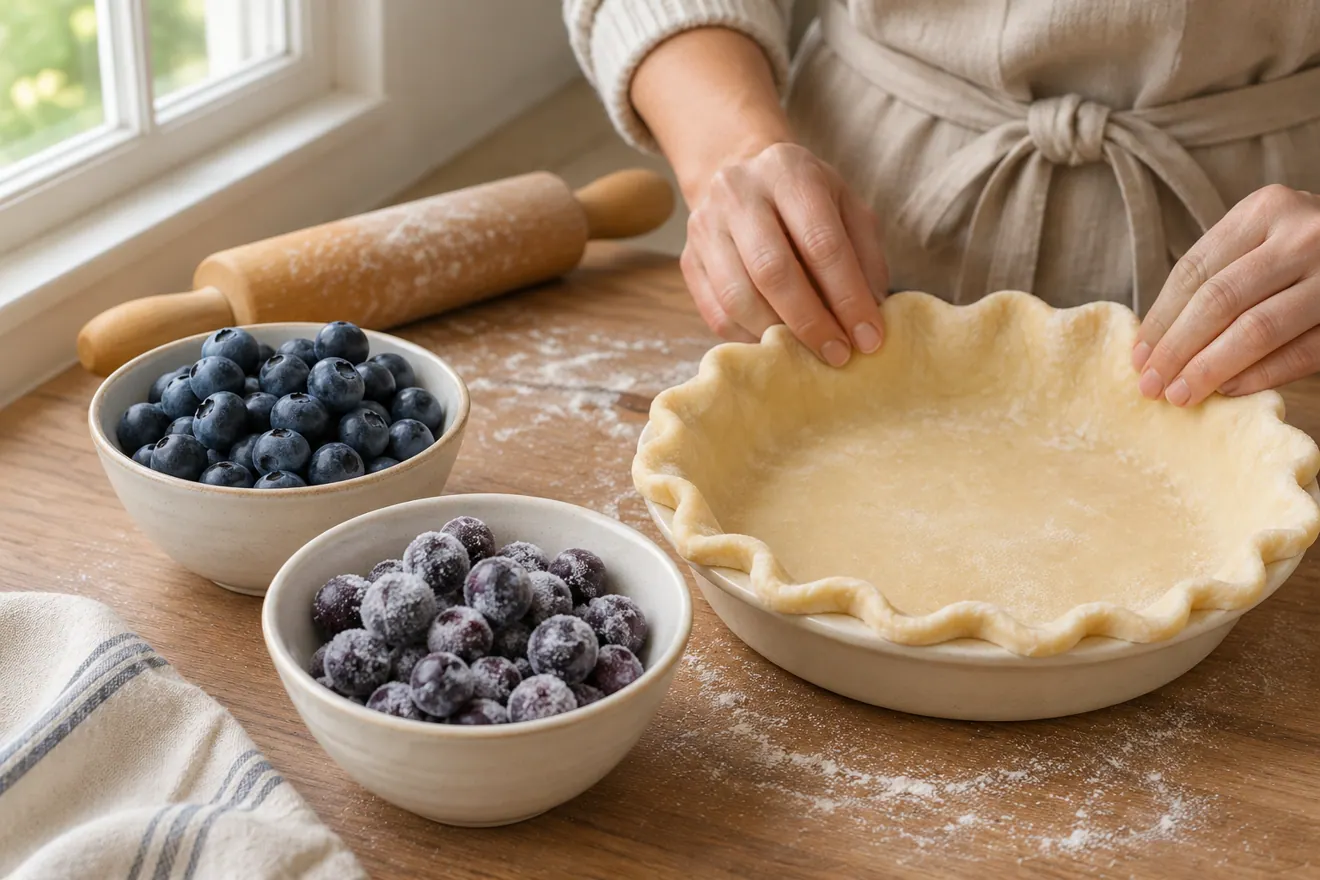
Fresh blueberries, raspberries and blackberries can work beautifully in recipes designed for them. Their juice content varies by ripeness, growing conditions and variety.
Frozen blueberries
Frozen blueberries can be a convenient year-round filling, often cooked directly according to the pie recipe. They may release a significant amount of purple juice. Use the tested thickener level and don't judge the pie's doneness solely from the colour of the top crust.
Use Blueberry Pie for a formula that allows frozen blueberries straight from the freezer.
Frozen raspberries and blackberries
These soft berries can lose shape and release substantial juice after freezing. They may need a different thickener quantity from apples or blueberries.
Fresh apples
Apples differ widely in firmness and how they soften when baked. Some varieties remain defined, while others almost dissolve. Fresh sliced apples are common in traditional double-crust pies because they offer more control over texture. Use the variety or blend recommended by the recipe.
Frozen apples
Frozen prepared apples may work in recipes written for them, but their thawed texture and released liquid may differ from freshly cut apples. Use a tested frozen-apple filling plan, considering whether the filling is precooked, rather than replacing a full volume of fresh slices without other adjustments.
Peaches and stone fruit
Fresh ripe peaches can be delicious but vary enormously in juice content. Frozen peaches are convenient outside their season yet may soften or release more liquid. A tested peach pie recipe may use a specific starch and resting method to control that moisture.
Strawberries and rhubarb
Strawberries and rhubarb often create particularly juicy pies. The filling needs enough appropriate thickener and time to become fully cooked. Frozen rhubarb can add extra released liquid, so choose a recipe accounting for the fruit's starting condition.
Make Strawberry Rhubarb Pie with the fruit quantities and thickener given before testing a frozen-fruit substitution. Strawberries and rhubarb both release moisture as they cook.

Should frozen fruit be thawed first?
That depends on the method. Some pies are assembled with fruit still frozen; others thaw and measure or reduce the juices. Don't apply one rule universally. Thawing without accounting for lost or retained liquid can change the filling ratio.
Should you drain the liquid?
Follow the recipe. Some pies use the released juice so the starch can hydrate and cook. If using package directions or a tested fruit substitution that calls for draining, measure after draining as directed.
How the thickener changes
Cornstarch, flour, tapioca and specialized pie thickeners have different thickening behaviours. The best amount depends on fruit type and juiciness.
Mix starch with sugar first
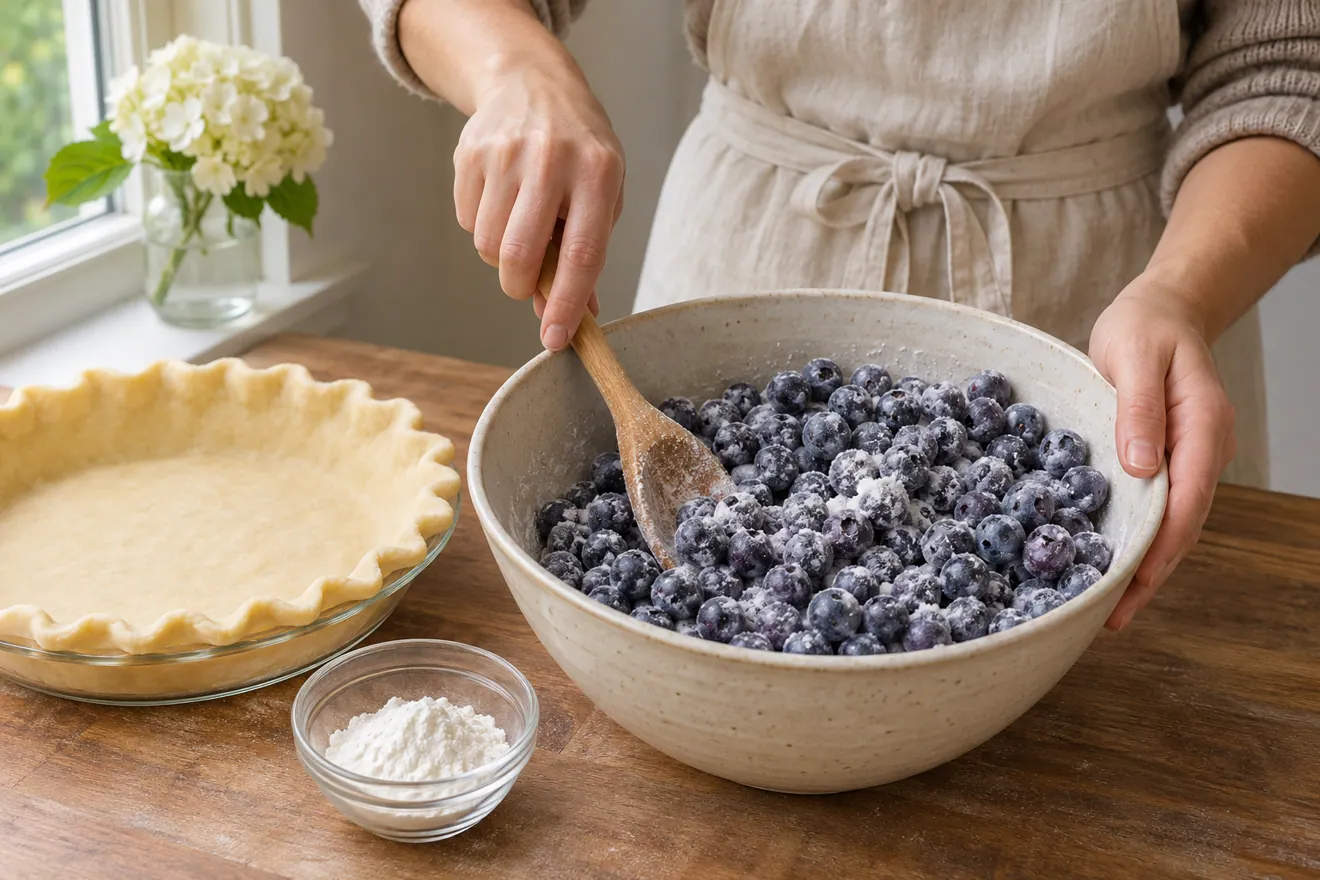
Many recipes whisk the selected starch into sugar before coating fruit, which helps distribute it and reduce clumps. Sprinkle thickener evenly, then fold fruit gently. Large pockets of starch may cook into unpleasant gummy lumps.
Watch for the right bubbling
For many baked fruit pies, visible bubbling near the centre is a sign that the filling has reached the heat needed to activate its thickener. A beautifully browned crust before that point may conceal an undercooked filling. Follow the recipe's bubbling and crust cues.
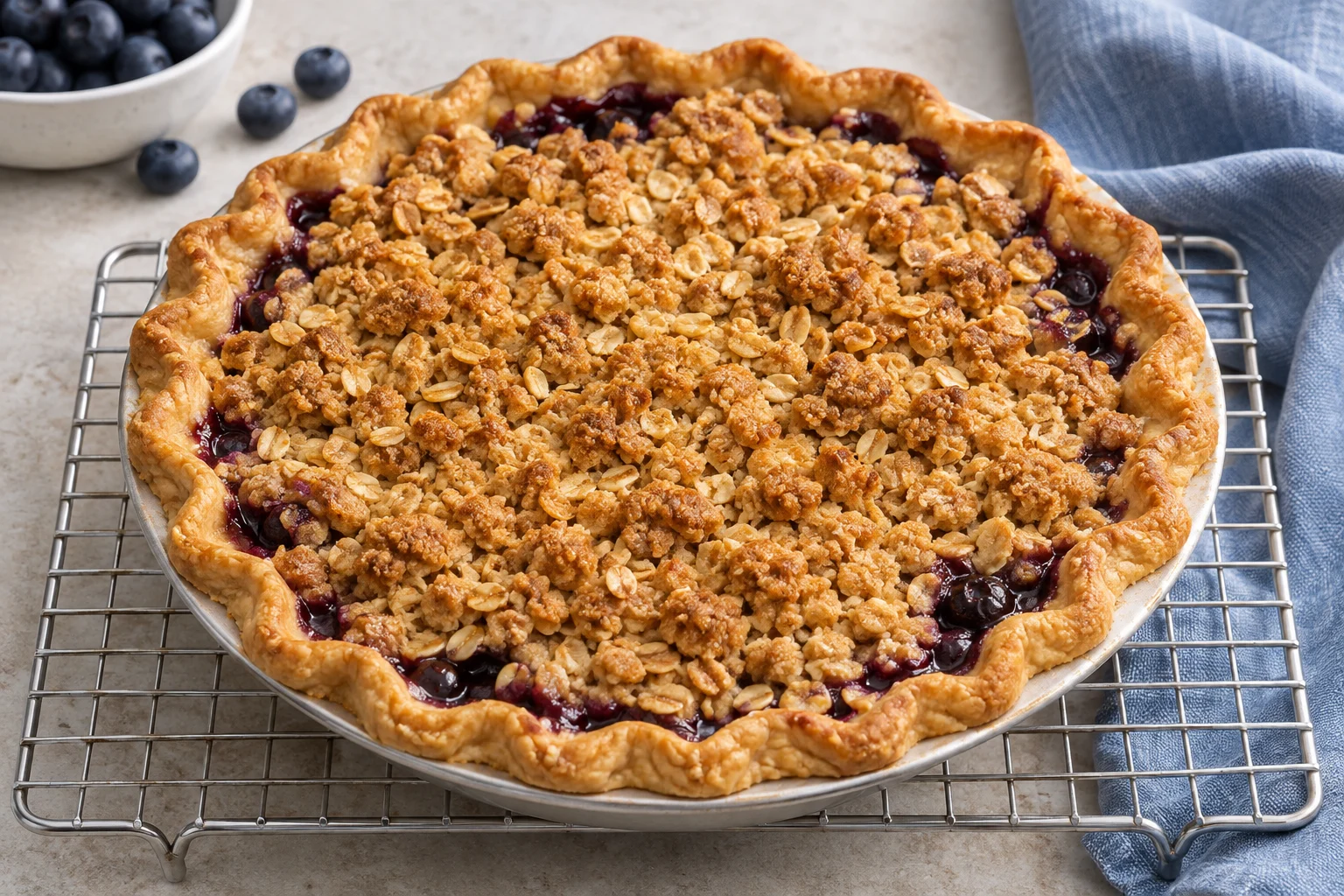
In Blueberry Crumble Pie, the frozen-berry option calls for thawing and draining first. Then look for bubbles around the crumble and follow the recipe’s full doneness cues.
Why cooling affects both types
Let plain fruit pie cool as the recipe directs before slicing. Follow refrigerator storage instructions if you add any perishable filling or topping.
Fresh fruit tarts are a separate case
In a tart topped with uncooked fruit over pastry cream, fresh fruit usually provides better shape and presentation than thawed frozen berries. A thawed berry may bleed into the filling and soften the crust. For frozen fruit, consider a cooked compote or glaze specifically designed for tart assembly.
A practical fruit-substitution test
If your favourite recipe allows either condition, weigh the fruit rather than using uncertain cups, keep sugar and starch as directed, and record the baking time and final slice texture. That tells you whether a particular frozen brand needs a recipe-authorized adjustment.
Frequently asked questions
Is frozen fruit as good for pie? It can be when the recipe accounts for it. Should I thaw berries? Follow the exact pie method. Does frozen fruit always need extra starch? Not automatically. Why is my fresh berry pie runny? Ripeness, underbaking, thickener and cooling all matter.
Choose by recipe, not season alone
Fresh fruit gives you control over ripeness and appearance. Frozen fruit gives you convenience and year-round access. A pie can be excellent with either, provided the filling's moisture, starch and baking method match the fruit in the bowl.
Related recipe: Classic Apple Pie.
Some images are AI-generated illustrations of the dishes and techniques described.
IN PICTURES
From the baking notebook
FROM THE RECIPE BOX


