
On this page
Sandwiches are convenient, but eating the same bread-and-filling combination every day can make lunch feel like a chore. The good news is that an easy lunch can come from a handful of flexible ingredients: cooked grains, beans, vegetables, eggs, soup or a small leftover portion used intentionally. The trick is to choose formats that survive storage and transport without becoming soggy, unsafe or complicated.
What makes a lunch practical?
A weekday lunch should be filling, quick to prepare or assemble, and easy to store at an appropriate temperature. The perfect photo-ready salad that requires seven last-minute toppings may be less useful than a simple bean bowl. Consider your access to a refrigerator, microwave and utensils before choosing a recipe.
Start with a balanced anchor
Build around a substantial food such as lentils, eggs, tofu, fish, chicken or beans, then add vegetables and an appropriate grain or starch. You can put these in the same bowl or divide them into compartments. A varied lunch doesn't need to be an elaborate meal-prep production.
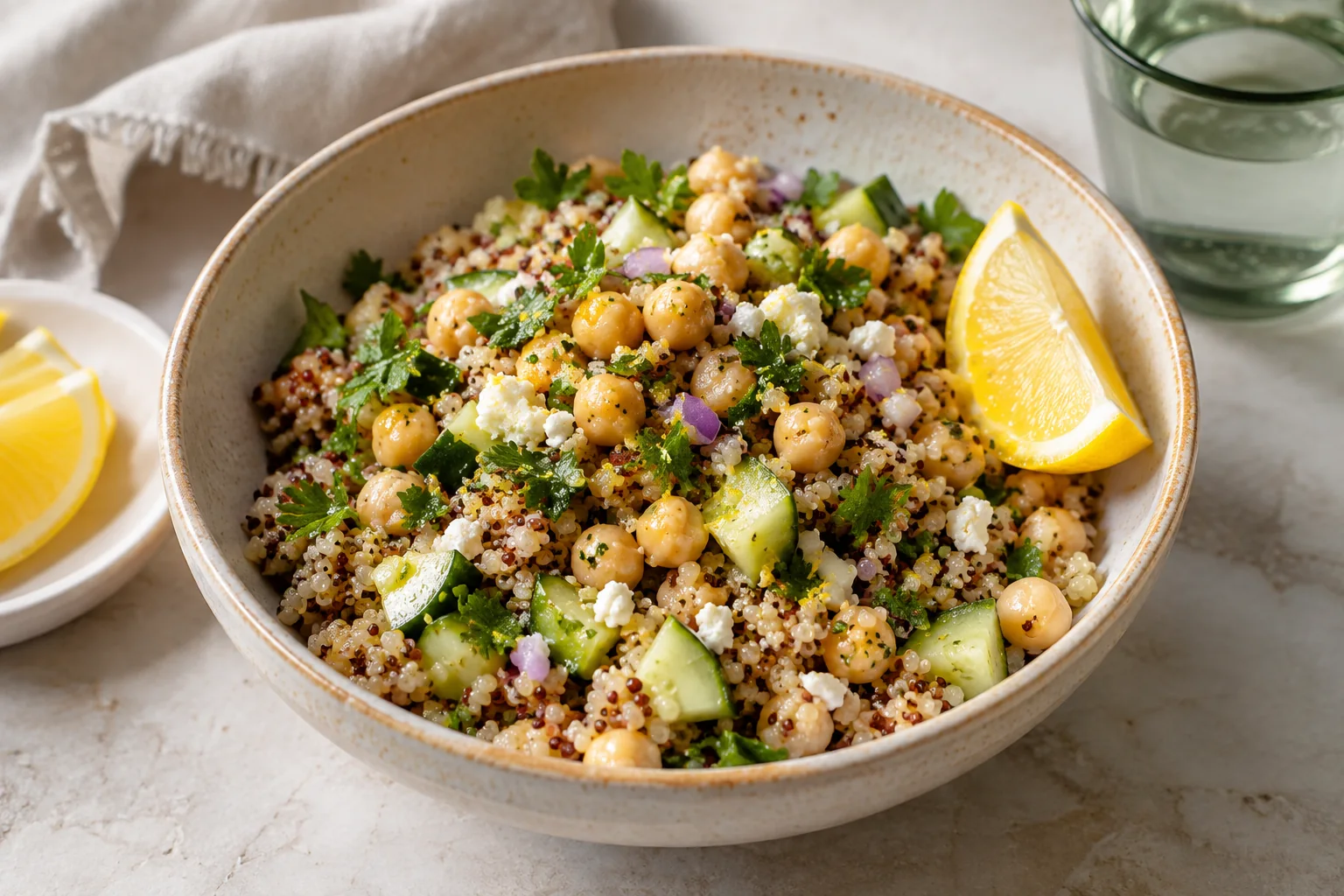
1. Lemony chickpea grain bowls
Combine cooked couscous or quinoa with rinsed chickpeas, cucumber, cherry tomatoes and parsley. Dress with olive oil and lemon shortly before eating for the freshest texture. Add feta if desired. For meal prep, keep watery vegetables and dressing separate from grains until serving.
Recipe to try: Quinoa Salad Bowls. Follow this recipe’s ingredient amounts and complete method.
2. Lentil and vegetable soup
Make a small pot of red lentil or vegetable soup with broth, carrots and warm spices. Portion into shallow containers and refrigerate promptly. Reheat to the safe temperature when eating. For a non-microwave lunch, use a properly rated insulated food jar preheated according to its instructions.
Recipe to try: Vegetable Soup. Follow this recipe’s ingredient amounts and complete method.

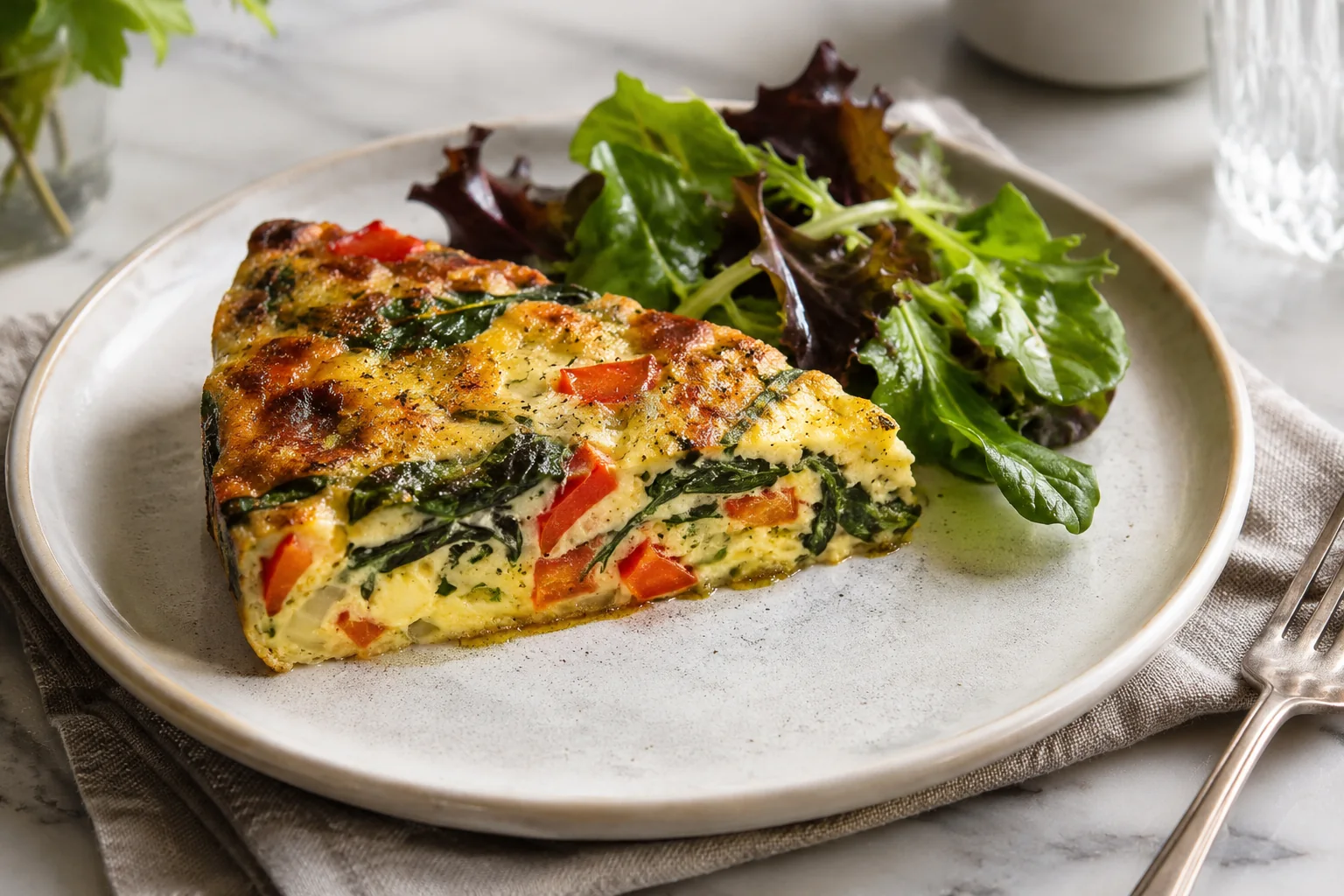
3. Vegetable frittata wedges
Bake a fully cooked frittata with spinach, mushrooms or peppers, cool it safely and cut into slices. Pack with a crisp salad and fruit. Follow safe egg-dish temperatures and cold storage; a frittata is convenient precisely because it doesn't require assembling a sandwich at lunch.
Recipe to try: Crustless Quiche. Follow this recipe’s ingredient amounts and complete method.
4. Rice bowls with cooked tofu
Place safely cooked and chilled rice in a container with browned tofu, shredded carrots and steamed broccoli. Keep a soy-ginger sauce separately until serving. Cooked rice should be cooled and refrigerated promptly after cooking; rice left warm overnight is unsafe regardless of how appetizing it looks.
5. Mediterranean bean salad
Toss white beans with diced cucumber, peppers, parsley, lemon and olive oil. Add olives or cheese for flavour. Beans provide substance, while crisp vegetables make the lunch refreshing. Use a container with a tight lid and avoid adding soft lettuce until the final assembly.
Recipe to try: Black Bean and Corn Salad. Follow this recipe’s ingredient amounts and complete method.

6. Baked potato with toppings
A cooked potato can be reheated and topped with warm beans, broccoli or a small portion of chili. Pack toppings separately for a work lunch. Cool and store cooked potatoes safely, particularly when baked in foil, and don't hold foil-wrapped potatoes warm for extended periods.
7. Pasta salad with vegetables
Cook pasta to the intended texture, cool according to food-safe guidance and toss with peppers, cucumber, chickpeas and a lemony dressing. Reserve delicate herbs until serving. Mayonnaise-based versions need strict refrigeration; oil-based pasta salads are still perishable once mixed with cooked ingredients.
8. Savoury oatmeal bowl
Cook oats with water or low-sodium broth, then top with fully cooked eggs, sautéed mushrooms and green onions. This is particularly useful at home or where a microwave is available. Instant, rolled and steel-cut oats require different cooking times, so choose the type your schedule can accommodate.
9. Quesadilla wedges
Fill tortillas with beans, cooked vegetables and cheese or a suitable substitute, then toast until warm and crisp. Cut into manageable pieces and pair with salsa. For packed lunch, cool safely and use an appropriate insulated container; condensation may soften the tortilla, so consider a fresh cold wrap when crispness is essential.
10. Tuna and white-bean bowl
Mix drained canned tuna with white beans, chopped celery, lemon and a little olive oil. Serve with cherry tomatoes and crackers. Check seafood labels and store opened fish promptly in a clean refrigerated container. Use an insulated bag with cold packs for transport.
11. Leftover roast chicken salad bowl
Combine safely stored cooked chicken with quinoa, sliced vegetables and a yogurt-herb dressing. A portion of plain chicken left from dinner becomes a new meal with a different flavour profile. Reheat if serving hot, or keep it thoroughly chilled for a cold salad according to safe storage rules.
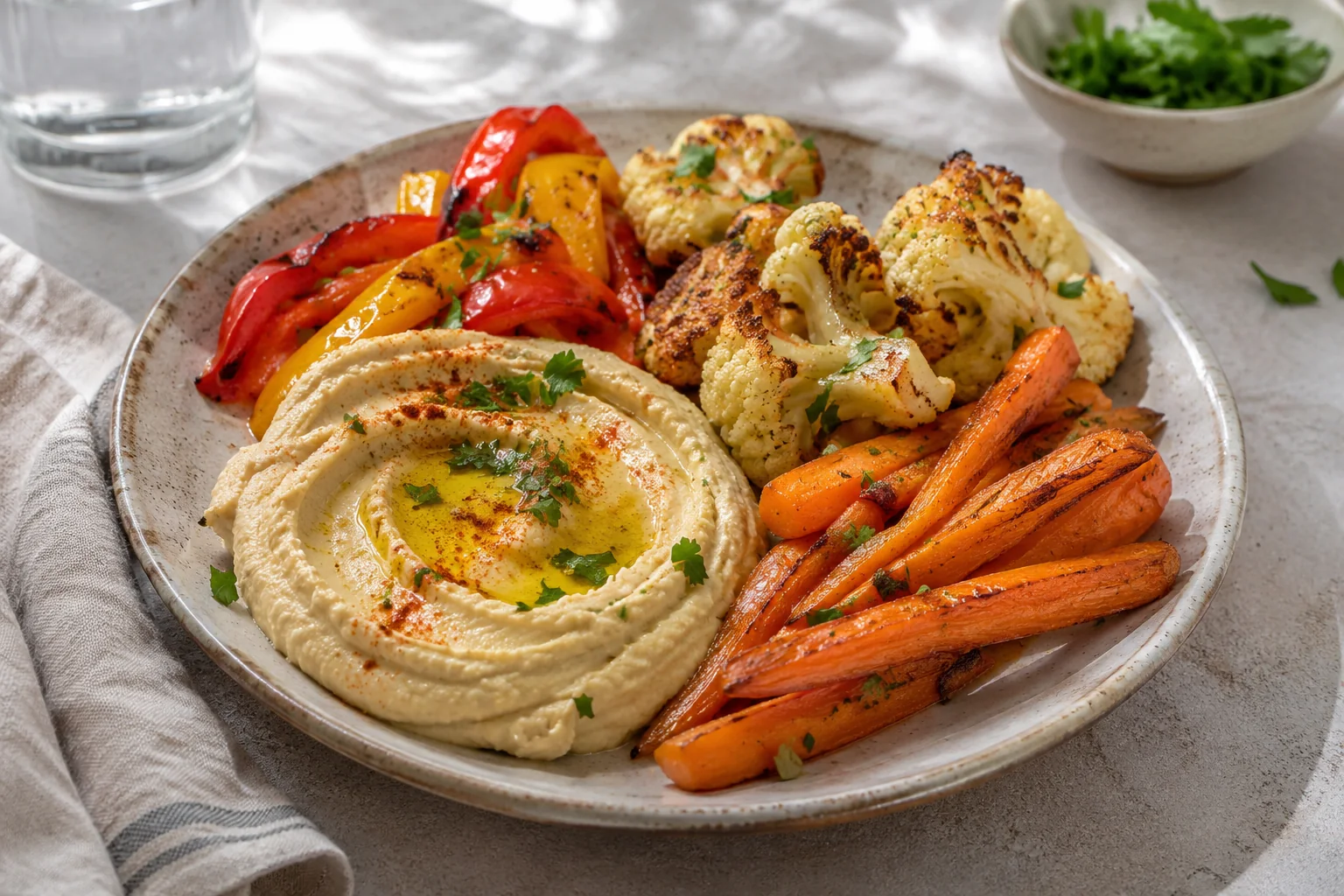
12. Roasted vegetable and hummus plate
Put leftover safely chilled roasted vegetables beside hummus, pita triangles and fresh cucumber. Keep bread dry and hummus cold. The meal feels more like a small mezze platter than leftovers, and each component can be prepared in sensible quantities.
Recipe to try: Classic Homemade Hummus. Follow this recipe’s ingredient amounts and complete method.
13. Soba noodle bowl
Cook soba according to the package and combine with edamame, cucumber and a sesame-ginger dressing. Soba may contain wheat, so check labels for gluten restrictions. Chill cooked noodles safely and add the dressing shortly before eating so they don't clump or absorb all the sauce.
14. Black bean sweet potato bowl
Roast sweet potato cubes and pair with heated black beans, cabbage, lime and avocado. Keep avocado until serving if possible to limit browning. For a packed lunch, use an appropriate cooler for perishables and package warm and cold components separately.
15. Homemade mini savoury muffins
A batch of spinach-and-cheese muffins or cornmeal vegetable muffins can serve as the grain portion alongside yogurt, fruit and salad. Use a tested recipe that bakes egg and flour fully. Homemade muffins may be refrigerated or frozen under their recipe's storage instructions.
How to keep greens crisp
Use sturdy lettuce or chopped cabbage, dry washed greens thoroughly and keep wet dressing in a separate small container. Lay grains and heavier vegetables beneath the greens in a tall container if that helps packing. Delicate spinach may wilt against warm components even before lunch begins.
Pack dressings strategically
A dressing doesn't need many ingredients: lemon, oil, mustard and a little seasoning can be enough. Store creamy dairy-based sauces cold. Add the dressing at lunch to preserve grain and vegetable texture instead of soaking everything the night before.
No microwave at work?
Choose dishes that are enjoyable cold when prepared and stored properly, such as bean salads, chilled pasta salads and hummus plates. Use an insulated lunch bag and enough cold packs. Don't plan to leave egg or chicken lunch boxes unrefrigerated for an entire shift.
Make lunches without eating identical meals
Cook plain grains or beans once, then divide them into distinct flavours. Monday might be lemon-chickpea, Wednesday soy-tofu and Friday tomato-and-white-bean. The shared component saves time while the sauce and fresh vegetables change the experience.
Plan quantities realistically
Lunch portions depend on appetite and activity. Make enough to feel satisfied without packing enormous containers that return half-eaten. Use your usual dinner portions as a guide and vary the amount of grain or protein based on what suits you.
Avoid four-day soggy containers
Not every ingredient belongs in a fully assembled lunch box from Sunday to Friday. Cut fruit, avocado, tender greens and crispy toppings lose quality over time. Prepare durable components and assemble the final combination closer to eating.
Food safety for packed lunches
Keep cold lunches at 4°C (40°F) or below, using an insulated bag with adequate cold packs when no refrigerator is available. Heat leftovers to 74°C (165°F) when serving them hot. Plan packed lunches around the original cooking date and refrigerate prepared components promptly.
Choose a lunch you'll actually enjoy
A grain bowl, soup or hearty bean plate can be just as convenient as bread with filling once you have a few reliable components ready. Rotate textures and flavours, keep wet ingredients separate and build the meal around your actual workday.
Related recipe: Mushroom Pasta.
IN PICTURES
From the baking notebook
FROM THE RECIPE BOX


