On this page
School Christmas parties are a little different from baking for home. The best treats are easy to portion, easy to carry, not overly messy, and simple enough to serve quickly in a classroom.
Before choosing anything, check your school or teacher's current food policy. Some classrooms do not allow homemade food, some are nut-aware or nut-free, and others require individually packaged treats with ingredient labels. Even when a recipe does not intentionally include nuts, cross-contact can still happen through ingredients, equipment or manufacturing facilities, so never describe a homemade treat as allergy-safe unless you can verify the full process.
What Makes a Good Christmas Treat for School?
- Individual portions: cookies, mini muffins, bars and cereal treats are easier than desserts that need slicing or plates.
- Low mess: skip very soft frosting, drippy glaze or fillings when the treat will travel in backpacks or boxes.
- Easy to make ahead: choose recipes that can be baked the day before or frozen when appropriate.
- Simple to label: if homemade food is allowed, provide a clear ingredient list and note common allergens.
- Easy for kids to help with: decorating, sprinkling, portioning or cutting simple shapes can make the baking part of the holiday activity.
Easy Christmas Treat Ideas for Classroom Parties
1. Gingerbread Cookies
Gingerbread is one of the easiest Christmas treats to transport because the cookies are sturdy and can be served without plates or utensils. Kids can help cut shapes or add simple decorations. If you are taking them to school, keep the decorating flatter and less fragile than you would for a cookie box.

2. Christmas Sugar Cookie Sandwich Cookies
These are festive and fun for a classroom celebration, but the buttercream filling makes them better for parties where the treats will be served soon after arrival. Pack them in a single layer or use paper baking cups to keep the edges neat.

3. Mini Muffins
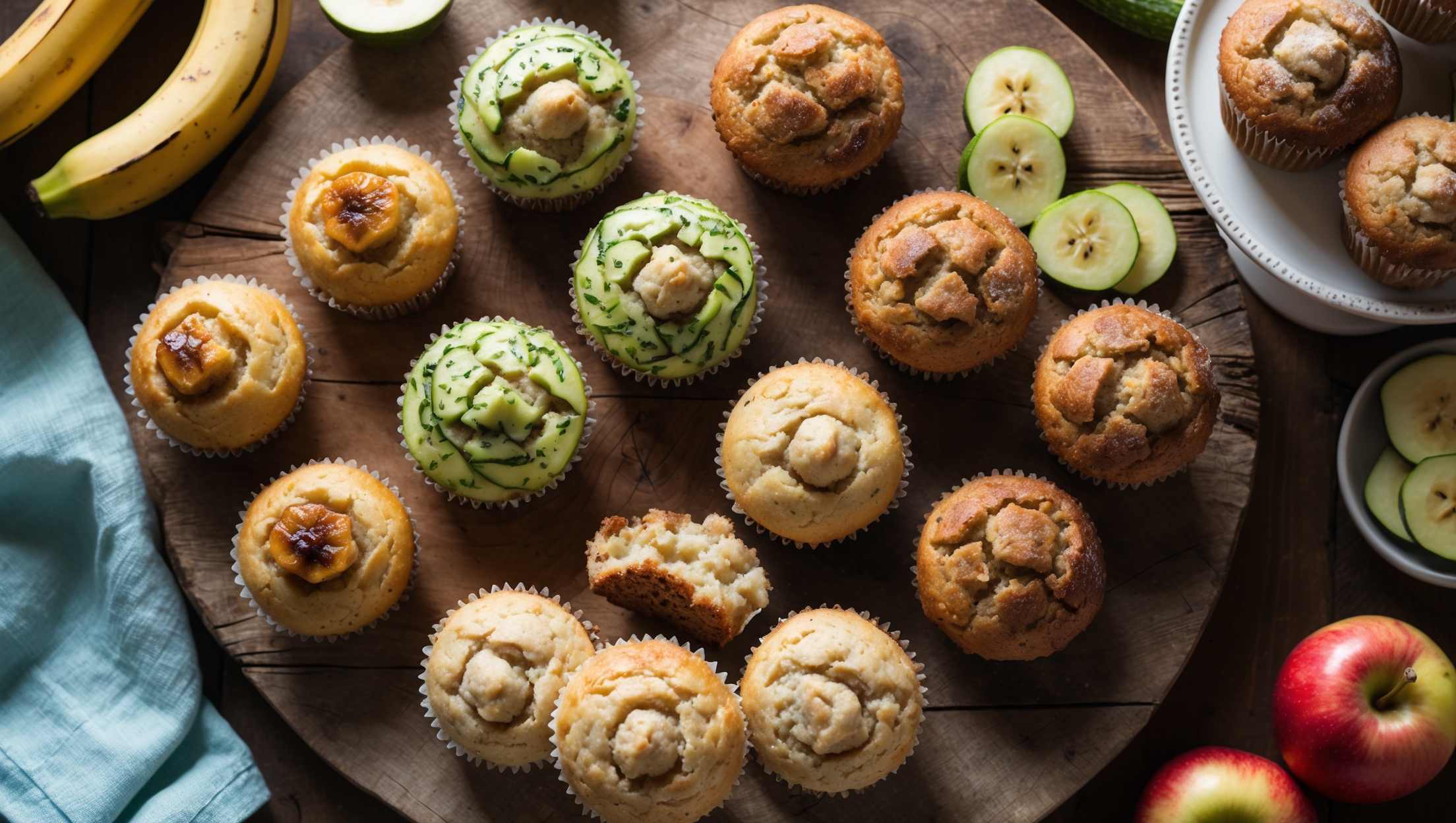
Mini muffins are naturally portioned and easy for younger children to handle. This recipe includes banana, zucchini or apple versions designed without nuts, but you should still check every ingredient label and your school's allergy policy because manufacturing cross-contact can vary.

4. Rice Krispie Treats
Cereal treats are useful when you want something that can be cut into small squares and prepared without turning on the oven. Wrap each piece individually if the school allows homemade treats and requires separate portions.

5. Vegan Gingerbread Muffins
These bring Christmas spice into a format that is less delicate than frosted cupcakes. Bake them in standard or mini liners for easy serving and transport.

6. Mini Chocolate Chip Sandwich Cookies
The smaller size makes these easy to portion for a classroom party. Because they are filled cookies, keep them cool and pack them carefully so the filling does not squeeze out during transport.

7. Vegan Shortbread Cookies
Shortbread is a good low-mess option because it is firm, simple to stack and easy to package individually. A plain or lightly decorated version travels better than a heavily frosted cookie.

Low-Mess Treats for Busy Classrooms
If the party is happening at desks, choose treats that can be picked up with one hand and do not need utensils. Gingerbread cookies, shortbread, mini muffins and cereal treats are easier to manage than layered cakes, cream pies or heavily frosted cupcakes.
Keep decorations simple. A small amount of sanding sugar, a thin drizzle that has fully set, or baked-in chocolate chips are usually easier than soft frosting and loose sprinkles.
Make-Ahead Tips
Do as much as possible the day before. Bake the treats, cool them completely, portion them, and prepare labels or packaging. If a specific recipe is freezer-friendly, you can move part of the work even earlier, but follow the storage directions for that recipe rather than assuming every cookie or muffin freezes the same way.

For more detailed holiday planning, see our Make-Ahead Christmas Cookies guide.
Kid-Friendly Baking Jobs
- Cut gingerbread or sugar-cookie shapes.
- Count liners and portion cooled mini muffins.
- Add a small amount of sprinkles before baking when the recipe allows it.
- Arrange cooled treats in paper cups or boxes.
- Help write simple holiday labels or classroom notes.

Adults should handle hot pans, melted sugar mixtures, sharp knives and any allergy-sensitive ingredient decisions.
What About Nut-Free School Treats?
Do not rely only on a recipe title. A recipe may contain no peanuts or tree nuts but still use chocolate, flour, decorations or other ingredients processed in facilities that handle them. Schools can also have rules that are stricter than the ingredient list itself.
If your classroom is nut-free or has specific allergy requirements, confirm the policy first and check every packaged ingredient. When there is any uncertainty, a commercially packaged treat with a clear manufacturer label may be the safer and easier option.
When Homemade Food Is Not Allowed
You can still make the celebration feel festive. Choose individually packaged treats that meet the school's policy, or send a non-food item such as holiday pencils, stickers, bookmarks or a small craft. The classroom celebration matters more than whether the treat was baked at home.
How Many Treats Should You Send?
Ask the teacher for the class count and whether adults, assistants or volunteers should be included. Bring only a small extra buffer rather than a second full batch. Individually portioned treats are much easier to count than a dessert that needs cutting at school.
A Simple Classroom Party Plan
If homemade food is permitted, keep the plan simple: choose one low-mess treat, make individual portions, label ingredients, and pack everything the night before. A batch of gingerbread cookies, mini muffins or cereal treats is usually more practical than trying to send several different desserts.
More Christmas Baking Ideas
If you are baking for home as well as school, explore our 16 Christmas Cookie Recipes and Christmas Cookie Box Guide for more holiday ideas.
Start with the school's rules, not the recipe
Before planning a classroom celebration, confirm whether the school permits homemade food at all, whether treats must be individually packaged and labelled, and what allergy or nutrition restrictions apply. Policies vary by school and sometimes by classroom. A recipe described as 'nut-free' is not automatically permitted, and a classroom may have students who need to avoid milk, eggs, wheat, sesame or other ingredients. If you cannot meet the requirements, use an approved school-provided or commercially packaged alternative instead.
Ask the teacher how many children and adults are attending, whether extra portions are needed and whether any students will require a different approved option. A simple plan with one suitable treat per child is often easier to handle safely than several varieties with different allergens and storage needs.
Seven real recipe options with different preparation needs
Gingerbread Cookies are useful when the classroom allows homemade cookies and the ingredients are appropriate. The published recipe includes wheat flour, butter, an egg and molasses and yields approximately 24 cookies. Keep decoration simple and let icing dry thoroughly before packaging.
Christmas Sugar Cookie Sandwich Cookies produce about 12 completed sandwiches. Each consists of two pieces filled with buttercream, which can increase handling and temperature-control needs. Check whether they are suitable for the school's rules and serving conditions.
Mini Muffins (Banana, Zucchini, or Apple) produce approximately 36 small muffins across three varieties. The recipe contains wheat flour, milk, yogurt, butter and eggs despite the nut-free label. Verify packaged ingredient labels and cross-contact before describing them as suitable for an allergy-sensitive class.
Rice Krispie Treats yield about 16 squares and use puffed rice cereal, marshmallows and butter. Check cereal and marshmallow packaging for applicable allergens and special dietary requirements. These are not automatically gluten-free or vegan, as brands and ingredient sources vary.
Vegan Gingerbread Muffins make approximately 12, use plant milk and molasses, and do not include dairy or eggs in their published base formula. They still contain wheat flour and can have other allergens depending on the plant milk and shared equipment. Confirm the full ingredients rather than relying on the vegan label alone.
Mini Chocolate Chip Sandwich Cookies produce about 24 completed sandwiches with buttercream. They can look festive but demand more filling and packing work than ordinary drop cookies. Check the temperature and storage needs of the finished recipe.
Vegan Shortbread Cookies yield about 18 and use vegan block butter, flour, cornstarch and sugar. The ingredient list does not make them gluten-free. Keep ingredient labels available and package fully cooled cookies to preserve their crispness.
A practical classroom quantity plan
If a class has 24 children and the teacher requests one treat each, one 24-cookie gingerbread batch or one 24-sandwich-cookie batch may meet the numerical target. But because size, breakage and adult helpers matter, confirm quantities with the teacher before preparing. If a recipe produces only 12 muffins or sandwich cookies, a class of 24 would need two batches, provided the recipe can be scaled and the baking equipment can accommodate them.
Individual wrapping can reduce handling, but it does not make allergens disappear or substitute for safe food preparation. Add a clear recipe name and ingredient note when homemade food is permitted. Keep foods requiring refrigeration appropriately cold until serving.
Low-mess decorating and transport
For younger students, choose a design that is easy to eat and does not shed loose sprinkles onto the classroom floor. Bake small, consistently sized pieces and let them cool before wrapping. Avoid skewers, hard sharp decorations and items that pose age-specific choking risks. Choose a sturdy covered container for travel, and do not stack filled sandwiches beneath heavy muffins.

If the celebration is outdoors or the food will remain at room temperature for an extended period, avoid perishable fillings unless the teacher can maintain appropriate cold storage. A plain shortbread or another approved shelf-stable option may be simpler than a cream-filled sandwich.
Answers for parents and teachers
Can I send homemade nut-free muffins?
Only if the school accepts homemade food and the ingredients and handling meet the classroom's rules. The name 'nut-free' does not guarantee freedom from other allergens or cross-contact.
Can the children decorate treats in class?
Ask the teacher first. Hands-on decorating may introduce shared tools, loose toppings and extra allergens. Pre-portioned, approved materials and appropriate supervision may be necessary.
Are vegan treats automatically school-safe?
No. Vegan recipes can still contain wheat, soy, tree nuts or other allergens. Review the full ingredient list and relevant school restrictions.
Classroom treat quantities and packaging
A classroom of 24 students needs at least 24 individual portions if the teacher requests one per child. A 12-muffin recipe would require two batches before any buffer for staff or damaged portions, while a recipe yielding 36 mini muffins provides more individual pieces. Count completed sandwich cookies, not their baked halves, and avoid assuming that a batch of 12 sandwiches can serve 24 students.

Use simple portions with minimal loose decoration. Keep each treat in a clean individual wrapper or suitable container if required by the school. Include a legible ingredient list and provide teachers with storage guidance, especially when buttercream, dairy or another temperature-sensitive filling is involved. Do not assume a label that says 'nut-free' covers all classroom allergies.
If homemade food is prohibited, respect the school's rule and use an approved alternative. You can still involve children in a holiday activity that does not require eating shared food, such as decorating paper cookie-shaped cards or preparing a festive recipe booklet. Never pressure teachers to make an exception for a special recipe.
Planning for a school with different dietary requirements
A classroom may contain children with food allergies, dietary restrictions and medical needs. Families can help by asking the teacher what is permitted rather than choosing the recipe first. If homemade food is not allowed, there is no need to negotiate around the rule: bring the approved alternative or choose a non-food activity. When baked goods are permitted, ingredient labels must be sufficiently clear for staff and families to make informed choices.
Do not use “nut-free” as a general promise simply because peanuts or tree nuts do not appear in the recipe ingredients. Packaged flour, chocolate, sprinkles and other ingredients may have relevant precautionary labels; kitchen tools and worktops can also carry allergen cross-contact. Never assume that a vegan treat is safe for a student with wheat or soy allergies.
Choose the simplest treat that fits the classroom
For a class with 24 students, a gingerbread recipe yielding about 24 cookies can be easy to count, if its ingredients and the school policy are suitable. Mini muffins are easy to portion, but the published recipe includes dairy, eggs and wheat. Vegan Gingerbread Muffins provide an option without dairy or eggs in the base recipe, but their use of flour and plant milk requires the same ingredient-level checks.
Buttercream sandwich cookies demand extra handling and may not be ideal if treats will sit on a table for hours. Rice Krispie Treats are simple to cut into squares, but cereal and marshmallow ingredients vary by brand. Treat all recipe names as inspiration until the classroom's actual ingredient, packaging and nutrition requirements have been confirmed.
How to organize parent volunteers safely
One person should coordinate the approved menu and collect necessary information about restrictions through the school's normal process. Avoid circulating children's personal medical details among volunteers. Assign simple tasks such as buying approved supplies, providing suitable food-safe packaging, or bringing non-food craft items. If baking is permitted, volunteers should use the same clear labelling and delivery instructions rather than sending anonymous, unlabelled containers.
Give enough lead time for teachers to respond. A last-minute box of homemade cookies can create more difficulty than help when staff must verify ingredients or manage shared tables. A simple, approved treat that can be served without extra utensils may be preferable to a complicated decorated dessert.
A sample classroom-party schedule
One week before
Confirm the school's food rules, number of students and required packaging. Choose one approved recipe or alternative, then calculate how many complete servings it makes. If the class has 28 students and the recipe yields 12, plan enough batches or choose a different menu. Purchase food-safe wrapping and ingredient labels at the same time.
Two days before
Check ingredients and cooking equipment. Prepare dough that needs chilling according to the recipe, without leaving raw mixtures refrigerated beyond their storage guidance. Confirm that the school has a suitable place for any treats requiring cold storage, and switch to a different option if this is not possible.

The day before
Bake, cool, decorate and package according to the selected recipe. Avoid glitter, hard non-edible pieces or decorations that could create choking risks for younger children. Keep finished treats properly stored and clearly labelled. Do not stack soft fillings under heavy baked goods.
Party morning
Deliver through the school's requested channel, include the ingredient information and any temperature instructions, and respect the teacher's final decision about distribution. If a child cannot have a treat, defer to the school's approved alternative rather than improvising a replacement on the spot.
FAQs for busy parents
Can I send a single large cake?
Only if the school permits it and can safely portion and serve it. Individually portioned treats may be easier, but the school's policy should govern the choice.
Should we avoid all decorations?
Not necessarily. Choose age-appropriate edible decorations that meet school rules and allow them to set before packing. Avoid loose items that create extra mess.
What if the teacher doesn't reply in time?
Do not send unapproved homemade food. Choose a permitted alternative or a non-food holiday activity instead.
Compare the seven ideas by practicality, not appearance
Gingerbread is reasonably simple to count and pack, especially without elaborate decoration. Sugar cookie sandwiches and mini chocolate chip sandwiches may require more time for cooling, filling and refrigeration checks. Mini muffins can be portioned ahead but include several allergens in their base recipe. Rice cereal treats are quick to assemble, although packaging ingredient lists still require careful checking. Vegan gingerbread muffins avoid dairy and eggs in their published formula but contain wheat and plant milk that can introduce other allergens. Vegan shortbread offers a simple flavour, yet is not gluten-free.
There is no universally suitable classroom treat among these choices. The correct option depends on the school policy, students' needs, available cold storage and how treats will be distributed. When in doubt, ask for an approved alternative rather than improvising an allergy label.
How to design a low-mess classroom serving plan
Choose portions that children can hold without additional knives or utensils. Let frosting and chocolate fully set before wrapping. Avoid hard decorations that can be unsafe for younger children and excessive loose sprinkles that fall onto the floor. Consider whether the treats will be eaten in a classroom, hallway or outdoor area, and choose packaging appropriate for that setting.
Have one clear serving count for students and staff. A muffin recipe producing 36 mini muffins may be sufficient for a group of 24 children plus a small reserve, but a 12-muffin recipe would need additional batches. For sandwich cookies, count the completed assembled sandwiches rather than the two baked pieces that form each one.
What to do when the class has several allergies
Do not decide from recipe names alone. A treat labelled nut-free might still contain wheat, eggs or milk. A vegan recipe can contain soy or tree nuts. Packaged ingredient warnings and a shared kitchen's handling practices matter when food is prepared for individuals with serious allergies. The school or family may prefer a sealed commercial product with traceable allergen labelling.
Do not publish or distribute individual children's allergy information. Ask the school what food and packaging it will accept, then respect those requirements. If safe inclusion cannot be assured, a non-food holiday activity is a fully valid way to contribute.
Kid-friendly activities that don't require shared food
Students could decorate paper gingerbread figures, assemble recipe cards for their families, or learn about how measurement works in baking without tasting raw ingredients. A classroom can explore the colours, shapes and traditions of holiday baking even when food sharing is not permitted. These alternatives often reduce mess, avoid storage issues and allow everyone to participate under teacher supervision.

School treat questions
Is a homemade baked good safer if individually wrapped?
Wrapping reduces handling but does not remove allergens or correct unsafe storage. Use it only as one part of following the school's food policies.
Can I bring frozen treats and let them thaw at school?
Only if the school agrees and the recipe can be thawed and served safely under the available conditions. Frozen does not mean shelf-stable, especially when cream, dairy or custard fillings are involved.
Can a teacher change the menu on the day?
Follow school procedures. Do not assume an unapproved homemade replacement is appropriate when a previously arranged treat becomes unavailable.
What an ingredient information card should include
When homemade treats are permitted, a concise card can identify the recipe, its ingredients, any packaged products used, and common allergens. For example, a gingerbread cookie recipe may contain wheat flour, butter, egg, molasses and spices. A mini-muffin recipe may contain wheat, milk, yogurt, butter and eggs. Vegan Gingerbread Muffins use plant milk and wheat flour, meaning the absence of dairy and eggs does not establish allergy safety for every child.
Do not write 'allergen-free' unless the ingredients and preparation environment truly support that designation. If an ingredient label is uncertain, ask the school whether the treat is appropriate. Teachers should not be expected to make ingredient-risk decisions based on a decorative label alone.
How to prepare with children while supervising safely
Depending on their age, children may be able to count paper liners, measure ingredients with help, or decorate fully baked and cooled treats. Adults should control ovens, hot trays, sharp cutters and any raw food handling that requires special care. Never let helpers taste raw dough containing flour or eggs, and wash hands and utensils after preparing the mix.
Choose decorations that are clearly edible, age-appropriate and permitted by school policy. For younger children, avoid small hard decorations that may pose a choking risk. You can also keep the activity entirely non-food-based by assembling paper holiday cookie shapes and writing favourite baking memories or family recipes.
How to adjust the quantity if attendance changes
If the teacher expects 27 children rather than 24, one recipe yielding 24 is insufficient even before accounting for adult helpers or broken cookies. Use the real yield to determine an appropriate additional batch. For a recipe yielding 12 sandwich cookies, three batches would give approximately 36 complete sandwiches. The two baked halves of each sandwich are not two servings unless deliberately served separately.

When baking multiple batches, avoid putting too many muffins or cookies on one tray. Follow the recipe's oven temperature and batch-size guidance. An extra batch is useful only when the treats are properly baked, cooled, labelled and packaged for the school.
Food storage before the classroom event
Plain cookies, muffins and filled sandwiches can have different storage requirements. A treat containing a delicate dairy filling may need refrigeration, even when the plain baked cookie would be suitable at room temperature. Check storage instructions and ask whether the school can maintain the required conditions. If it cannot, choose an approved alternative with appropriate storage needs.

Keep all treats protected from pets, handling and temperature extremes during preparation and delivery. Avoid leaving a container in a warm car while doing other errands. The food should arrive with enough information for staff to serve it according to their policy, not as an anonymous surprise that requires investigation.
Seven school-treat choices at a glance
Gingerbread Cookies: Approximately 24 servings. A useful option for simple shapes if wheat, egg and dairy are permitted. Let any icing dry before packaging.
Christmas Sugar Cookie Sandwich Cookies: Approximately 12 finished sandwiches. Their buttercream centres require more handling and careful storage assessment than plain cookies.
Mini Muffins: Approximately 36 small muffins spread across banana, zucchini and apple variations. They contain wheat, milk, yogurt, butter and eggs even though the recipe describes nut-free versions.
Rice Krispie Treats: Approximately 16 squares. Check the puffed-rice cereal and marshmallow ingredients, because their formulations and allergen information vary.
Vegan Gingerbread Muffins: Approximately 12 muffins. The recipe avoids dairy and eggs in its listed base but still includes wheat flour and plant milk.
Mini Chocolate Chip Sandwich Cookies: Approximately 24 completed sandwiches. These have a buttercream filling that can make storage and transport more complicated.
Vegan Shortbread Cookies: Approximately 18 cookies. Their vegan block butter and flour should be checked against the school policy and individual students' needs.
These are recipe descriptions, not endorsements for every school. Confirm whether the school accepts homemade foods and whether its requirements cover ingredients, individual packaging, cold storage and permitted decorations. Never rely on a recipe title alone for allergy safety.
Classroom treat handover checklist
Before leaving home, check that every treat is fully baked, cooled, and packaged under the teacher's instructions. Attach the ingredient information and make sure the count includes any staff portions the school requested. Keep foods requiring refrigeration at an appropriate temperature throughout the journey. Ask the school whether the treats should be delivered to the office or directly to the classroom, and avoid interrupting instruction with an unexpected delivery.

If the school declines homemade food, respect the decision. A festive activity can still be meaningful: children might prepare paper recipe cards, discuss measuring and mixing, or decorate non-food cut-outs. Inclusion and safety matter more than serving one particular baked item. Before a classroom event, confirm all requested paperwork, packaging, quantities and food-handling requirements with school staff so nobody needs to improvise during the celebration. A well-organized plan can also make the day much easier for teachers and volunteers.
Choose Fillings That Suit Transport
For a box that will be mailed or carried without cooling, choose cookies without perishable fillings. Cream cheese, fresh cream and custard require refrigeration; do not assume every buttercream is suitable for unrefrigerated gifting. Check the exact filling and storage instructions before packing.
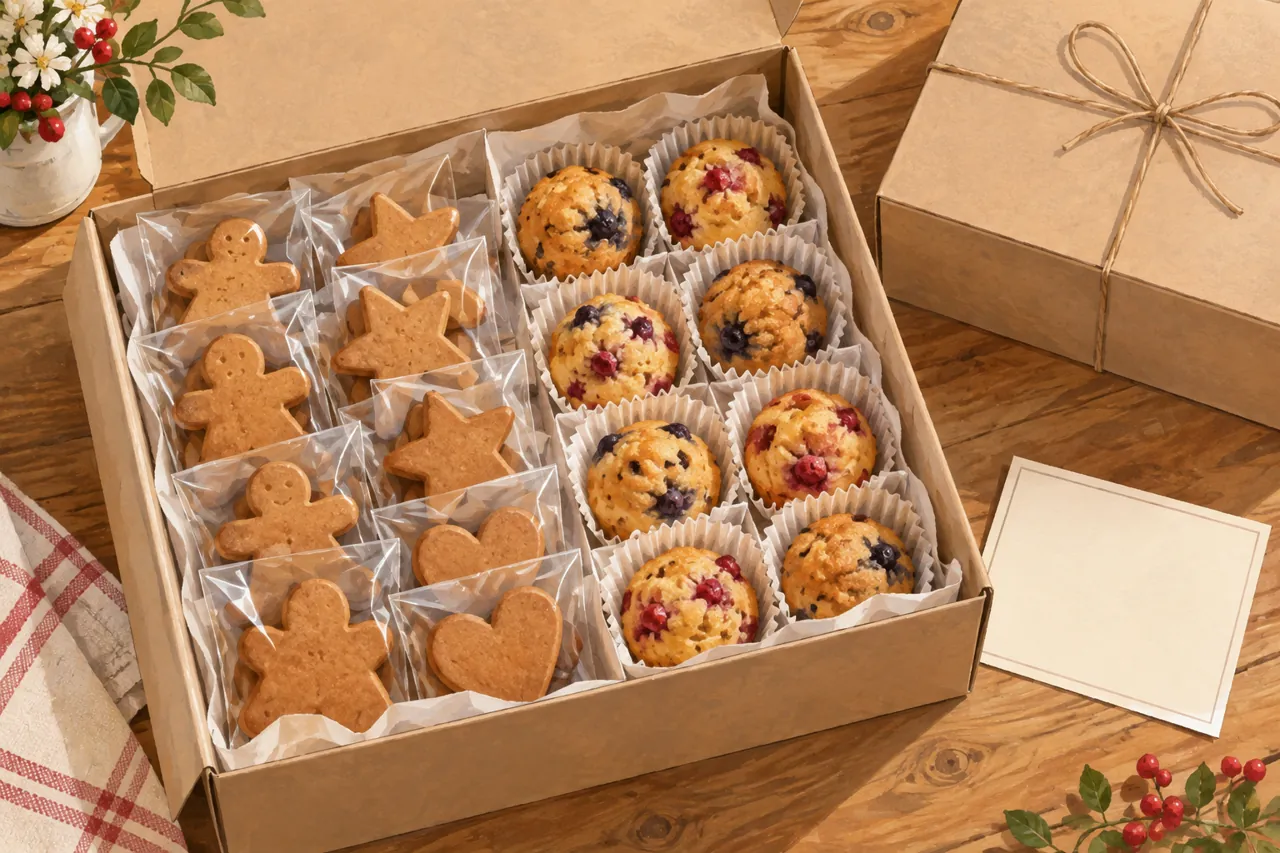
AI-generated editorial illustration. The food represents serving or preparation ideas rather than documented recipe-test results.
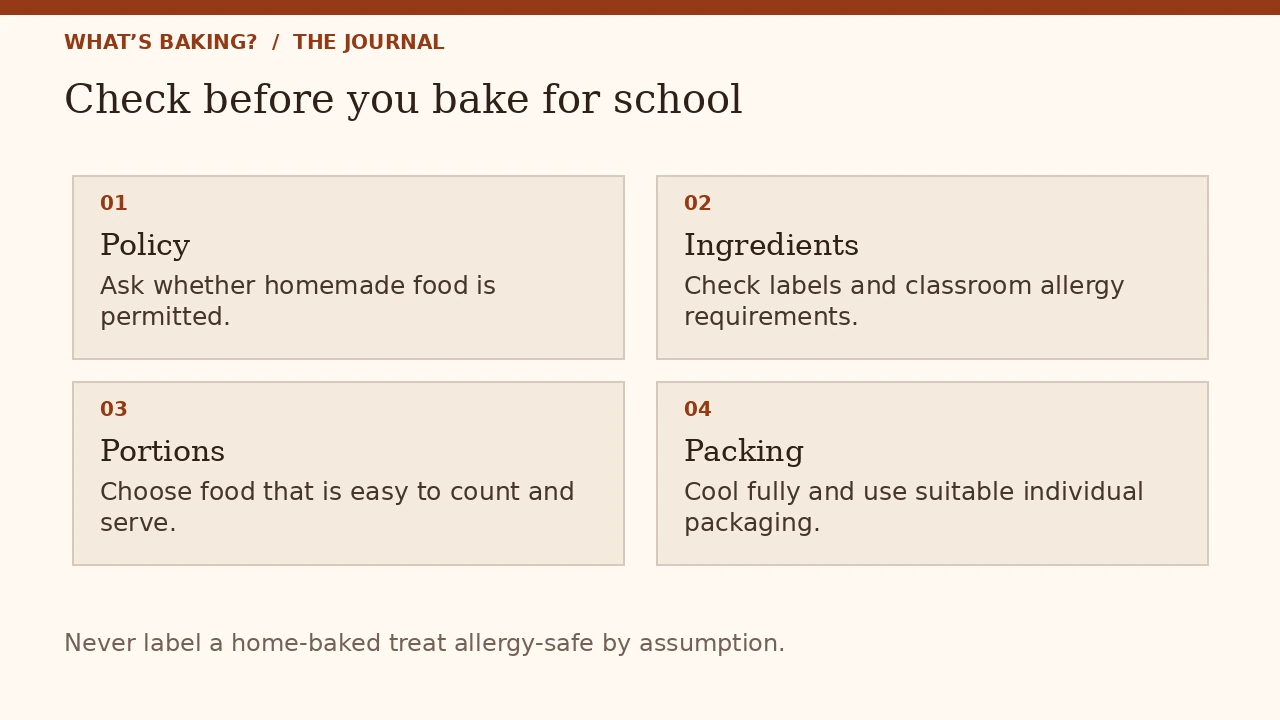
Original editorial quick-reference graphic. Follow the article and each linked recipe for the full instructions.
IN PICTURES
From the baking notebook
FROM THE RECIPE BOX