On this page
You're halfway through a brownie recipe when you realize you have a bag of chocolate chips, not the chopped baking chocolate in the ingredient list. They're both chocolate, so surely you can just use the chips? Sometimes you can. Other times the swap changes the way the chocolate melts, the texture of the batter, or the final finish so noticeably that the recipe no longer behaves as intended.
The answer depends on what the chocolate is supposed to do. Chocolate mixed into a cookie as distinct pieces has a different job from chocolate melted into a silky ganache. Here's how to decide whether chocolate chips can replace baking chocolate—and what to expect when you try.
The Short Answer
Chocolate chips can often substitute for chopped chocolate used as mix-ins in cookies, muffins, quick breads and certain bars. They usually keep a more defined shape during baking, while chopped chocolate may spread into irregular melted pockets.
When the chocolate must melt into a smooth, fluid mixture—such as a ganache, thin glaze, delicate chocolate shell or certain brownies—chips may be less predictable. Some chips contain ingredients or are formulated to help retain their shape. For these recipes, using the chocolate specified in the formula is generally the safer choice.
What Counts as Baking Chocolate?
The term baking chocolate can describe several products: unsweetened chocolate, semisweet or bittersweet bars, milk chocolate, white chocolate, or couverture designed for melting. Those products don't all have the same sugar, cocoa butter or cocoa-solids content.
Before substituting, identify exactly what the recipe calls for. An unsweetened chocolate bar is not a straightforward replacement for sweet semisweet chips. Replacing it changes the sugar balance as well as the chocolate's composition.
What Makes Chocolate Chips Different?
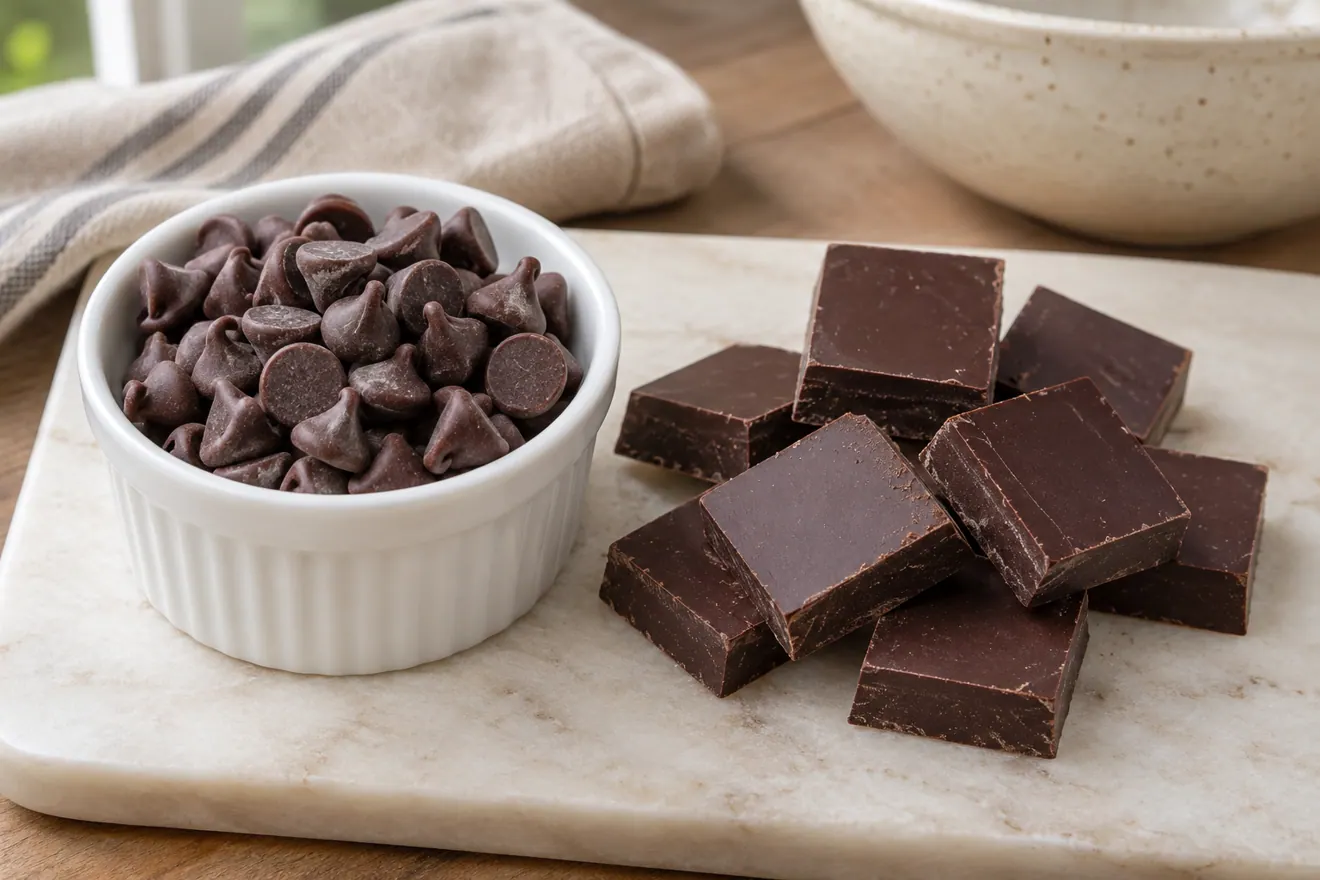
Chocolate chips are convenient, evenly sized and made to be scattered through batters and doughs. Many are formulated to hold their shape better than chopped bar chocolate in the oven. Their melting behaviour depends on the brand, ingredients and cocoa percentage.
Chopped chocolate creates a mixture of large chunks, tiny shards and fine flecks. Those different sizes can produce a more varied chocolate experience—small melted streaks alongside generous puddles.
When the Swap Usually Works: Chocolate Chip Cookies
In most standard chocolate chip cookie recipes, the chips themselves are the intended ingredient. If another recipe asks for chopped semisweet chocolate as mix-ins, semisweet chips may be a reasonable adaptation, provided the recipe permits it and the weights and sweetness are comparable.
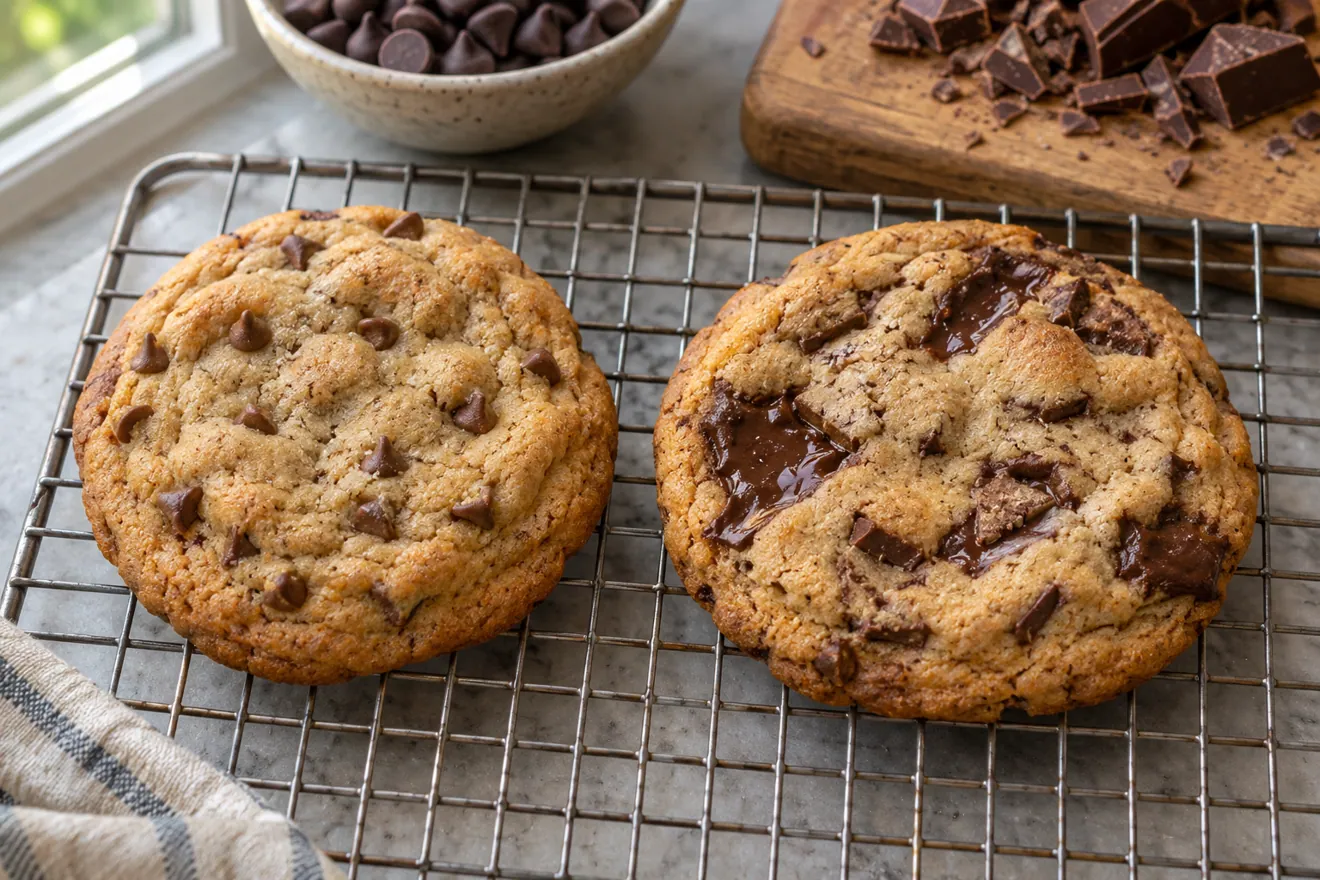
The appearance will change. Chocolate chips tend to remain in recognizable little mounds, while chopped bars create irregular pools and streaks. That isn't necessarily a problem; it's simply a different cookie.
When It Works: Muffins and Quick Breads
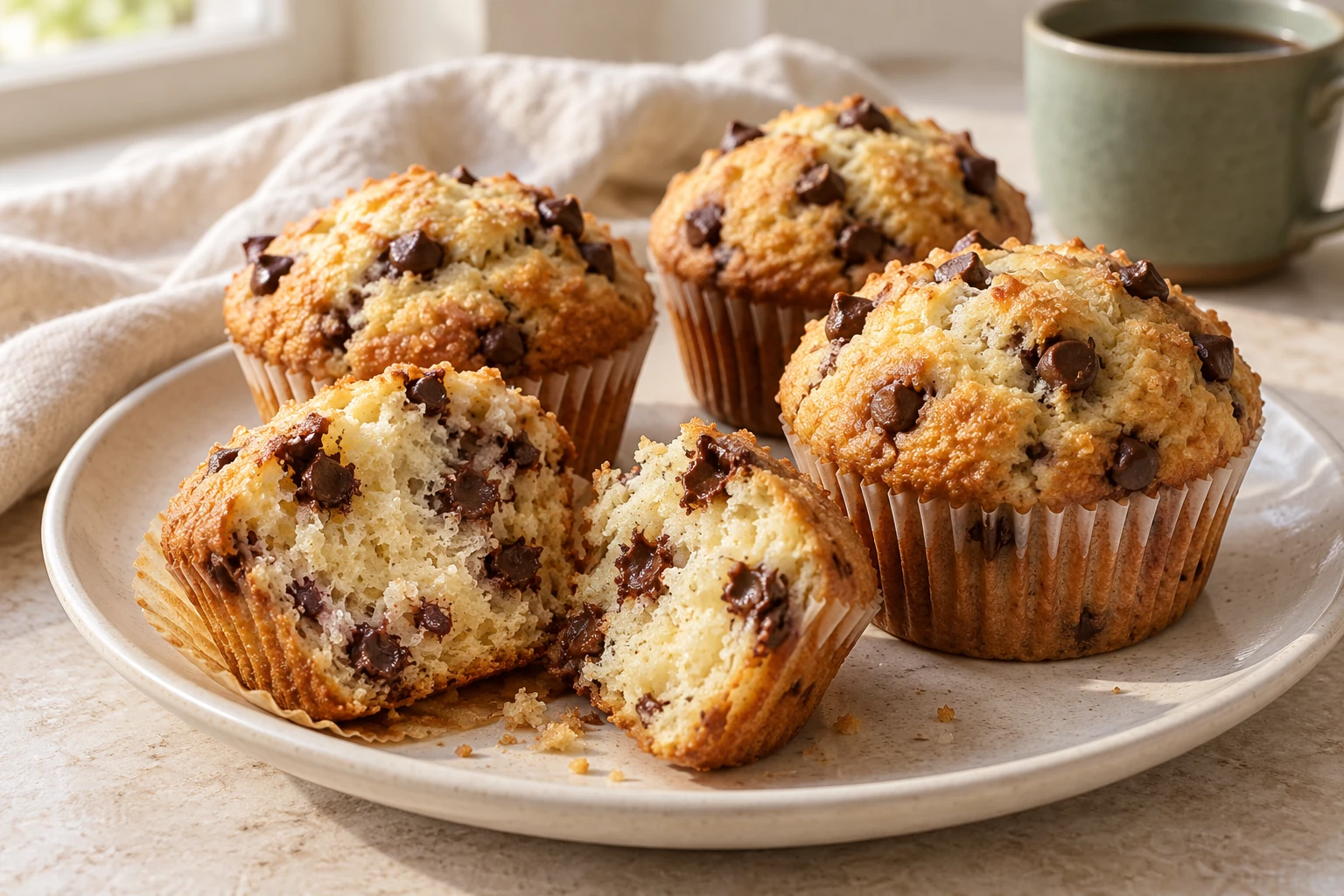
For banana muffins, chocolate chip loaf cake and other batters where chocolate is folded in as distinct pieces, chips can be practical. They're uniform and easy to distribute. Mini chips may work in small muffins when a tested recipe allows them, while larger pieces can create heavier pockets.
Don't overload the batter. Chocolate adds weight and sugar, and adding substantially more than the stated amount can affect rise, texture and even cutting. Follow the recipe's quantity and gentle folding method.
Use Chocolate Chip Muffins to see the role of chips in a batter where you want intact pockets of chocolate.
When It Can Work: Brownies with Chocolate Pieces
Brownies sometimes contain chocolate in two roles: one portion melted into the batter and another folded in as chips or chunks. Chips generally work better for the second role than the first.
If the brownie formula asks for melted semisweet bar chocolate, replacing it with chips may produce a thicker or less smoothly melting mixture. Some recipes are written specifically for melted chips; use one of those if chips are all you have.
In Air Fryer Brownies, 70% chocolate and cocoa powder go in the batter. The optional chips or chunks are a separate mix-in you can swap by weight without changing that base.

Where It Gets Tricky: Ganache
Ganache is a smooth emulsion, often made from chocolate and heavy cream. Its texture depends on the ratio of liquid, cocoa butter, sugar and cocoa solids. Chips may melt less fluidly than certain bar chocolates or couvertures, and the result can be unexpectedly thick or textured.
This is especially noticeable in thin glazes and cake drips, where flow is critical. If you plan to use chips, choose a ganache recipe explicitly tested with the type and brand of chips you have, rather than assuming its bar-chocolate ratio will give the same finish.
If a switch is unavoidable, melt a small weighed sample of the chips first. If they remain pasty, use a bar formulated for melting before committing the rest of the ingredients.
The filling in White Chocolate and Raspberry Tart is an example where melted chocolate has to set as a continuous layer. Use the type of chocolate specified.
Where It Gets Tricky: Dipping and Chocolate Shells
For dipped strawberries, thin shells and molded chocolates, the chocolate's ability to flow and set neatly matters. A couverture chocolate designed for melting and tempering may be easier to work with than typical chips.
Some chocolate chips can be melted for simple homemade coatings, but results vary and they may not produce the same glossy snap. If you need a professional-looking tempered finish, follow a method designed for the exact chocolate product.
Can You Use Chips in Chocolate Sauce?
Some chocolate sauces are expressly written for chips and work well. Others rely on bar chocolate with a particular cocoa percentage and fat profile. Check whether the sauce should remain fluid when cool, set into a soft ganache, or form a firmer coating.
Use the complete recipe instead of combining one recipe's cream quantity with a different recipe's chocolate. The desired sauce consistency determines the formula.
Why Chocolate Percentage Matters
A 70% chocolate bar and semisweet chips aren't necessarily equivalent, even if they both look dark. Cocoa percentage refers to the combined cocoa-derived components, while the remaining ingredients may include sugar and other permitted additions. The balance between cocoa solids and cocoa butter also affects melting and taste.
Read the labels. If you replace a deeply flavoured dark chocolate with a sweeter product, the dessert will taste different and may have a changed texture, especially when melted chocolate makes up a substantial part of the formula.
Unsweetened Chocolate Is a Separate Case
If a recipe specifies unsweetened baking chocolate, don't replace it gram-for-gram with semisweet chips without a tested conversion. The chips bring additional sugar while the unsweetened chocolate is formulated differently.
Attempting to fix the sweetness by cutting sugar from another part of a cake or brownie can also change moisture, spread and structure. A tested substitution formula is safer than improvising during mixing.
Do You Measure Chips by Weight or Volume?
Weight is generally more consistent when the recipe gives grams or ounces. One cup of large chunks, tiny chopped flakes and uniform chips may represent different weights, even though they occupy the same measuring cup.
When adapting a mix-in, start with the specified weight. Don't assume the same cup measurement automatically means the same quantity of chocolate.
What Happens to Texture in Cookies?
Chopped chocolate produces irregular melted pockets, and thin flakes can disperse through the dough. Chips create smaller, more distinct pieces that stay shaped after baking. These differences affect what a bite of cookie feels like.
For a bakery-style cookie with wide chocolate pools, chopped chocolate is usually closer to the intended result. For evenly distributed small bursts of chocolate, chips may be exactly what you want.
Divide the same dough into two small portions and add the same weight of chocolate to each. Bake them together according to the recipe so you can see the effect of the chocolate rather than a change in bake time.
What Happens to Texture in Cakes?
In some cake batters, chips may sink depending on batter viscosity, chip size and quantity. A cake recipe developed for chopped chocolate flecks may not distribute heavier chips identically.
If the chocolate is melted into the cake batter, the chips' melting behaviour matters more. Follow a recipe that allows them, and avoid overheating chocolate in an attempt to force a smooth texture.
Can You Replace Bar Chocolate with Mini Chips?
Mini chips are useful in small baked goods and for a more even distribution. But the same caveats apply: they remain a chocolate product with a particular ingredient profile, not a universal equivalent to couverture or chopped baking bars.
Smaller pieces may melt more readily because of their size, yet their composition still affects the result. Choose the form based on how the recipe uses the chocolate.
Can You Melt Chocolate Chips in the Microwave?
Many chips can be melted gently in a microwave if the packaging or recipe supports it. Use short intervals at an appropriate setting and stir between them. Chocolate can overheat and become grainy or scorched before it looks dramatically different.
Keep the bowl dry and don't introduce accidental water droplets. A controlled melting method is better than prolonged high heat.
How to Make the Best Decision Before Baking
Ask three questions: Is the chocolate a mix-in or part of the batter's structure? Is the recipe asking for sweetened or unsweetened chocolate? Does the finished product need a glossy, smooth flow or simply visible chocolate pieces?
For mix-ins, chips are often a practical choice. For finely emulsified or precisely tempered preparations, use the specified chocolate or a recipe created for chips. For unsweetened chocolate, use a tested conversion rather than a casual swap.
Quick Substitution Guide
| Recipe use | Chips instead of chopped chocolate? | What changes |
|---|---|---|
| Drop cookies | Often | More defined pieces, fewer melted puddles |
| Muffins and quick breads | Often | Distribution and sinking can differ |
| Brownie mix-ins | Often | More distinct chocolate bites |
| Melted brownie base | Only when recipe supports | Melting and texture can differ |
| Ganache or drip | Prefer tested chip recipe | Flow and setting can change |
| Tempered coating | Usually use specified chocolate | Shine, snap and fluidity may differ |
| Unsweetened chocolate | Not directly with sweet chips | Sugar and cocoa balance change |
Common Questions
Are chocolate chips real chocolate?
Many are, though formulations vary. Check the ingredients and product description. Some coatings and flavoured chips use different fats or chocolate-like ingredients.
Can I swap semisweet chips for semisweet baking bars?
Often for mix-ins, especially by weight. For a melted ganache or structural ingredient, use a tested substitution or recipe developed for chips.
Why don't my chips melt into puddles?
Many chips are designed to hold their shape during baking. Chopped bar chocolate may spread into flatter, more irregular pockets.
Can I use white chips instead of white chocolate?
Only with care. Some white chips have a different fat composition from real white chocolate, affecting melting and setting.
Is chopped chocolate better than chips?
Neither is always better. Chopped chocolate suits irregular melted pockets; chips offer convenience and a more uniform shape.
Choose Chocolate for the Job
Weigh a like-for-like substitution when the chocolate is a mix-in. When the chocolate has to melt into a filling or set into a shell, match the form and cocoa percentage specified and test a small amount before replacing the whole batch.
Some images are AI-generated illustrations of the dishes and techniques described.
IN PICTURES
From the baking notebook
FROM THE RECIPE BOX


