On this page
One brownie recipe calls for bittersweet chocolate, another calls for semisweet, and a third says to use either. Are they really interchangeable? Both are types of dark chocolate, both can make excellent desserts, and the labels often overlap more than you might expect. Yet the choice can make a finished bake taste surprisingly different.
The simplest distinction is flavour: semisweet chocolate is generally sweeter and more approachable, while bittersweet tends to be more cocoa-forward and less sweet. For baking, though, the difference is also about cocoa percentage, cocoa butter, the form of the chocolate and what role it plays in the recipe.
What Is Semisweet Chocolate?
Semisweet chocolate is a sweetened dark chocolate common in home baking. Its cocoa flavour and sweetness are familiar in brownies, cookies and other baked goods.
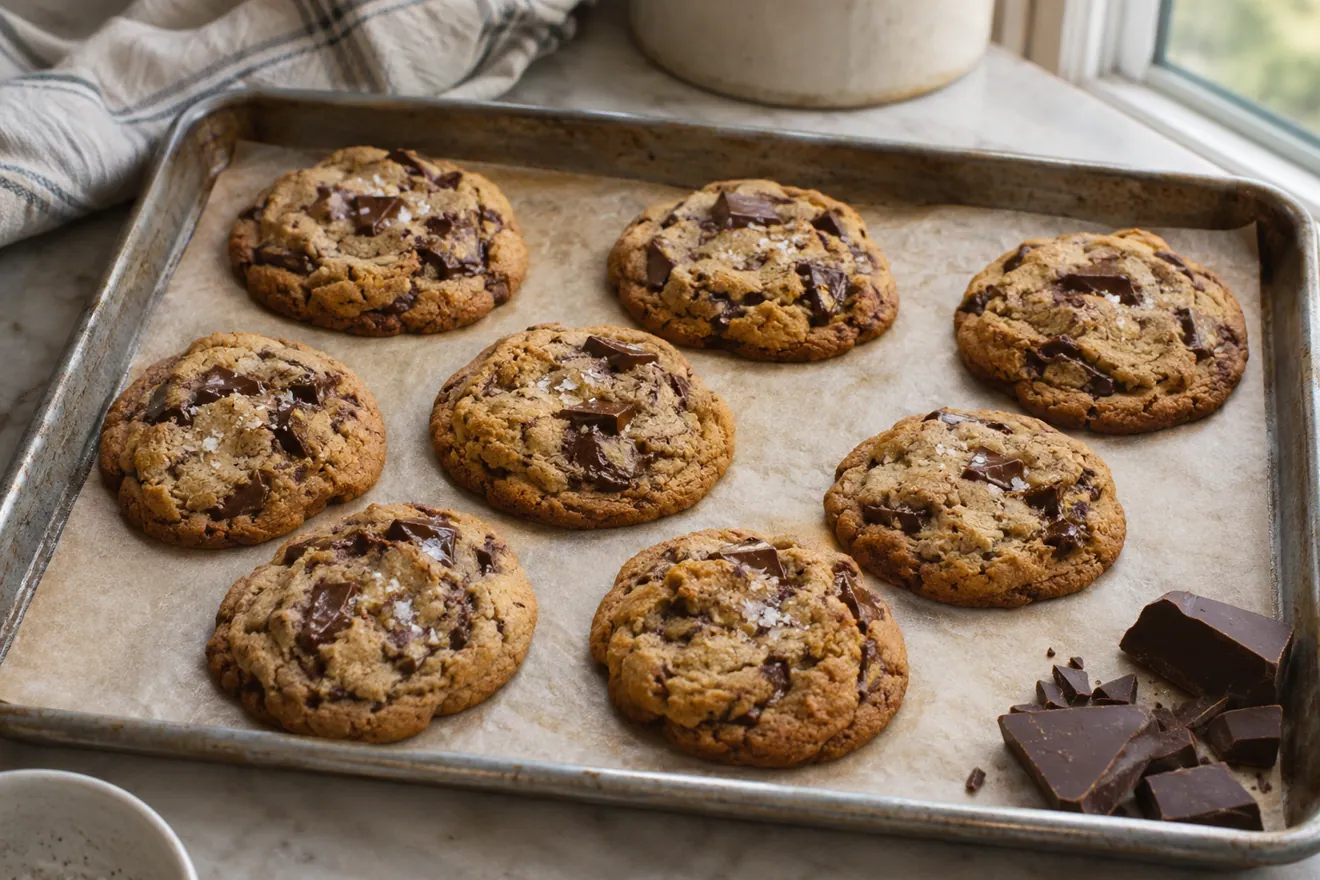
Semisweet baking chips and bars can melt differently. Chips made to hold their shape in the oven often soften without flowing as freely as chopped bar chocolate.
Try Chocolate Chip Muffins for a bake that shows how semisweet chips can keep their shape through baking.
What Is Bittersweet Chocolate?
Bittersweet chocolate generally has a more pronounced cocoa taste and less sweetness than semisweet chocolate from a comparable range. It can be excellent in rich cakes, ganache, mousse and brownies where a strong chocolate character is desirable.
However, bittersweet doesn't guarantee one exact cocoa percentage. Brands have different formulations and styles. A bittersweet bar from one maker could overlap with a semisweet bar from another, which is why checking the percentage and ingredients is more reliable than relying only on the word.
Is There a Legal Difference?
Labelling rules vary by country. In the United States, federal standards group semisweet and bittersweet chocolate under the same minimum chocolate-liquor requirement. That means there isn't a rigid federal cocoa-percentage dividing line that automatically separates every semisweet product from every bittersweet product.
As a practical matter, manufacturers use the names to communicate the intended sweetness and flavour profile. Read the stated cocoa percentage and full ingredient list when precise baking results matter.
How Cocoa Percentage Affects Sweetness
The number on a dark chocolate bar describes the total percentage of ingredients derived from cacao, including cocoa material and cocoa butter. A higher percentage often leaves less room for sugar, so the chocolate commonly tastes less sweet.
But percentage alone doesn't tell you the exact sugar content or flavour intensity. Two 70% bars can have different proportions of cocoa solids and cocoa butter, leading to different textures and impressions of bitterness.
Typical Flavor Differences
Semisweet chocolate often tastes rounded, sweet and familiar, making it suitable for a wide audience. Bittersweet chocolate tends to create a deeper, more assertive chocolate experience and can balance the sweetness of cake frosting or cookie dough.
Neither flavour is automatically superior. If a dessert already includes a very sweet caramel or buttercream, bittersweet chocolate may provide useful contrast. A child-friendly cookie or vanilla cake might be more appealing with semisweet chocolate.
Can You Substitute Bittersweet for Semisweet?
Sometimes. In a cookie where the chocolate is simply folded in as pieces, switching between bars with reasonably similar composition often changes flavour more noticeably than the cookie's structure. The finished cookie may be less sweet and have a stronger cocoa profile.
In a chocolate-heavy brownie, flourless cake, mousse or ganache, chocolate composition plays a larger structural role. Use a recipe that permits substitutions or a chocolate within the recommended percentage range. A very high-percentage bar is not automatically a suitable direct replacement for a relatively sweet semisweet one.
Can You Substitute Semisweet for Bittersweet?
Semisweet chocolate can produce a sweeter result, especially in rich brownies and ganache. In some recipes this may be perfectly pleasant; in others it may overwhelm the dessert's balance.
Don't reduce the sugar in the rest of a cake or cookie arbitrarily to compensate. Sugar affects moisture, browning, spread and structure. If the chocolate swap is substantial, select a recipe tested with the chocolate you have.
Chocolate Chips vs Baking Bars
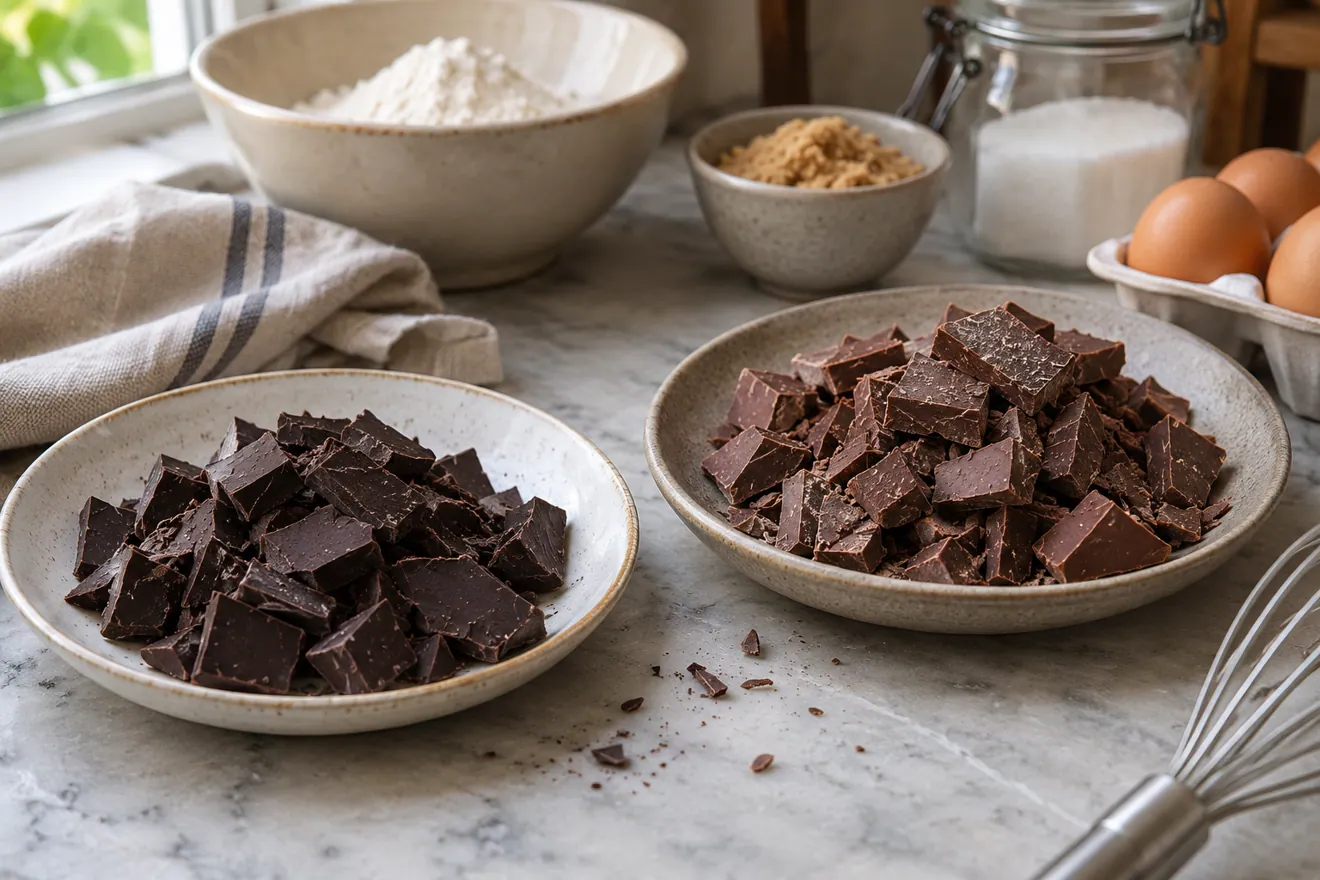
A bag of semisweet chips and a chopped semisweet bar may look like equivalent choices, but many chips are formulated to retain their shape in the oven. Chopped bars can produce irregular melted pools and finer chocolate streaks.
For classic chocolate chip cookies, chips are practical and predictable. For a silky melted chocolate layer or ganache, a bar or couverture specified by the recipe may offer more consistent fluidity.
Which Is Better for Chocolate Chip Cookies?
Both can work beautifully, depending on the result you want. Semisweet chocolate often gives a classic sweet-chocolate cookie. Bittersweet pieces create stronger contrast with brown-sugar dough.
If experimenting, keep the same total chocolate weight and change one thing at a time.
Which Is Better for Brownies?
Bittersweet chocolate can make a brownie taste darker and less sweet, which some bakers prefer. Semisweet can create a softer, sweeter chocolate profile. The right choice depends on the brownie recipe's sugar, fat and chocolate proportions.
A recipe built around 70% chocolate may not behave identically when made with significantly sweeter chocolate. Before substituting, check the cocoa percentage the developer intended.
Start with the chocolate specified in Air Fryer Brownies and compare two options by taste before swapping. A finished brownie includes sugar and other flavours that affect your impression of the chocolate.

Which Is Better for Chocolate Cake?
If chocolate is melted directly into a cake batter, composition can matter to texture as well as flavour. A sweeter chocolate changes the amount of sugar entering the batter; a different cocoa-butter balance changes fat content and melting.
For cakes using cocoa powder as the main chocolate ingredient, choosing semisweet or bittersweet chips as an addition may be a simpler flavour decision. Again, follow the formula's recommended quantity.
In Double Chocolate Muffins, cocoa powder flavours the whole batter while chocolate chips create pockets of a second flavour. Read the cocoa and chocolate ingredients separately before making a swap.
Which Is Better for Ganache?
Ganache is especially sensitive to chocolate choice. Its thickness and setting behaviour depend on chocolate composition and the proportion of cream. A bittersweet chocolate may give a richer, firmer result than a sweeter product when used in an otherwise identical formulation.
Don't assume one universal one-to-one chocolate-and-cream ratio works for every brand. Match the formula to your chosen chocolate and intended application, such as a glaze, drip, frosting or truffle centre.
Which Is Better for Chocolate Mousse?
A mousse made with dark chocolate and aerated dairy or eggs needs the balance specified by its recipe. Bittersweet chocolate may offer useful contrast to sweet cream, but its cocoa butter and solids content can influence how the mousse sets.
Use a tested mousse recipe rather than replacing a large quantity of semisweet with an 85% bar and expecting identical firmness.
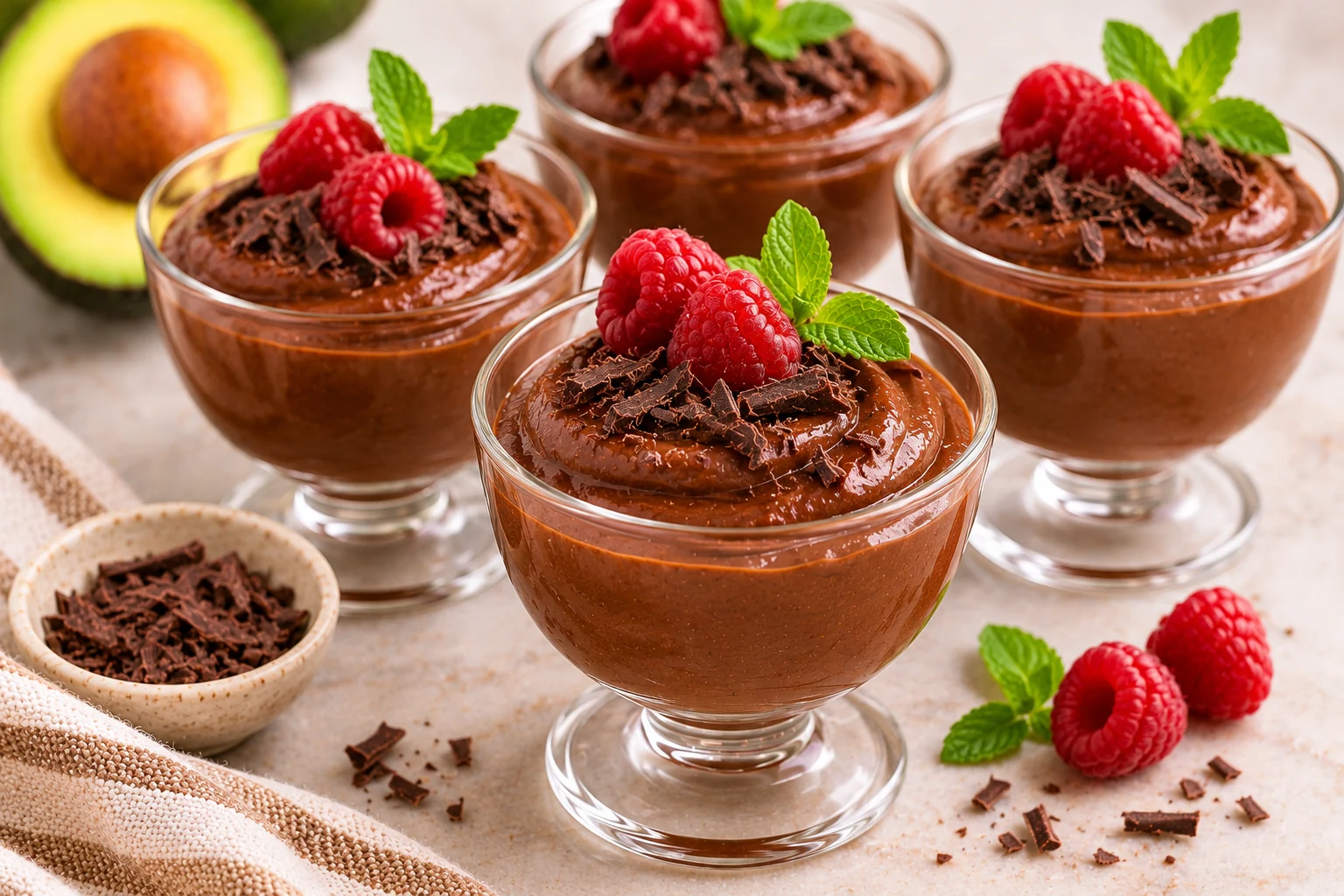
For a make-ahead chocolate dessert, see Vegan Chocolate Avocado Mousse. Check the ingredients on the specific chocolate you use if the dessert needs to be dairy-free.
Which Is Better for Dipped Treats?
For chocolate-dipped strawberries, cookies or confectionery, the chocolate's melting fluidity and tempering method matter as much as its sweetness. Couverture chosen for coating can flow more smoothly than an ordinary baking-chip product.
Select a coating recipe intended for the chocolate type. A glossy, firm shell may require proper tempering, particularly when working with real chocolate rather than compound coatings.
Should You Use a Higher Percentage for Better Chocolate Flavor?
Not automatically. A bar with a higher percentage may taste stronger but can also bring extra bitterness that overwhelms delicate ingredients. Chocolate origin, roasting, fermentation and formulation influence flavour beyond the numerical percentage.
Try a small taste of the bar before baking. Choose one you enjoy and that fits the recipe, instead of assuming the darkest available option is the best.
Taste two small pieces at the same temperature and pay attention to bitterness, fruitiness and the finish. Choose the one that complements the bake you plan to make.
What About Unsweetened Chocolate?
Unsweetened baking chocolate is a separate ingredient category. It lacks the added sweetness of semisweet and bittersweet chocolates. Direct substitutions can change both sugar and cocoa balance substantially.
If a recipe calls for unsweetened chocolate, use a tested conversion or the specified product. Don't simply swap in sweet chips and reduce a random amount of sugar.
A Handy Comparison
| Feature | Semisweet | Bittersweet |
|---|---|---|
| Typical taste | Sweeter, rounded | More cocoa-forward |
| Percentage | Varies by brand | Varies; often higher |
| Cookies | Classic sweet chocolate | Stronger contrast |
| Brownies | Often sweeter | Often more intense |
| Ganache | Needs suitable ratio | Needs suitable ratio |
| Best choice | Recipe and desired flavour | Recipe and desired flavour |
Frequently Asked Questions
Are bittersweet and semisweet the same?
They are closely related categories of sweetened dark chocolate, but their typical sweetness and flavour differ. The precise percentage range varies by manufacturer.
Which one is less sweet?
Bittersweet is generally less sweet than semisweet, although specific bars can overlap in cocoa content.
Can I replace semisweet chips with bittersweet chunks in cookies?
Often, when the chocolate is a mix-in and the recipe allows it. Expect a different flavour and more irregular melted pockets from chopped bars.
Which is better for ganache?
Use the type the ganache recipe was developed for. The best choice depends on sweetness, fat balance and desired consistency.
Is 70% chocolate always bittersweet?
It is commonly marketed as dark or bittersweet, but names and exact formulations vary. The label and ingredients give more useful detail.
Choose the Flavor, Then Check the Formula
The difference between bittersweet and semisweet is meaningful, but it isn't an absolute dividing line. Use semisweet when you want a sweeter, familiar chocolate note; reach for bittersweet when you want depth and contrast. For ganache and chocolate-heavy cakes, respect the recipe's intended composition so flavour and texture both turn out as planned.
Some images are AI-generated illustrations of the dishes and techniques described.
IN PICTURES
From the baking notebook
FROM THE RECIPE BOX


