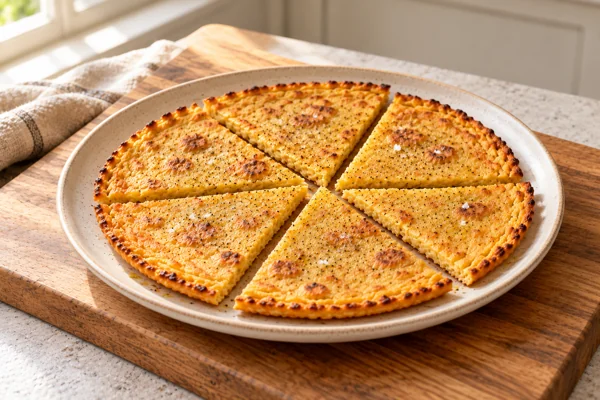
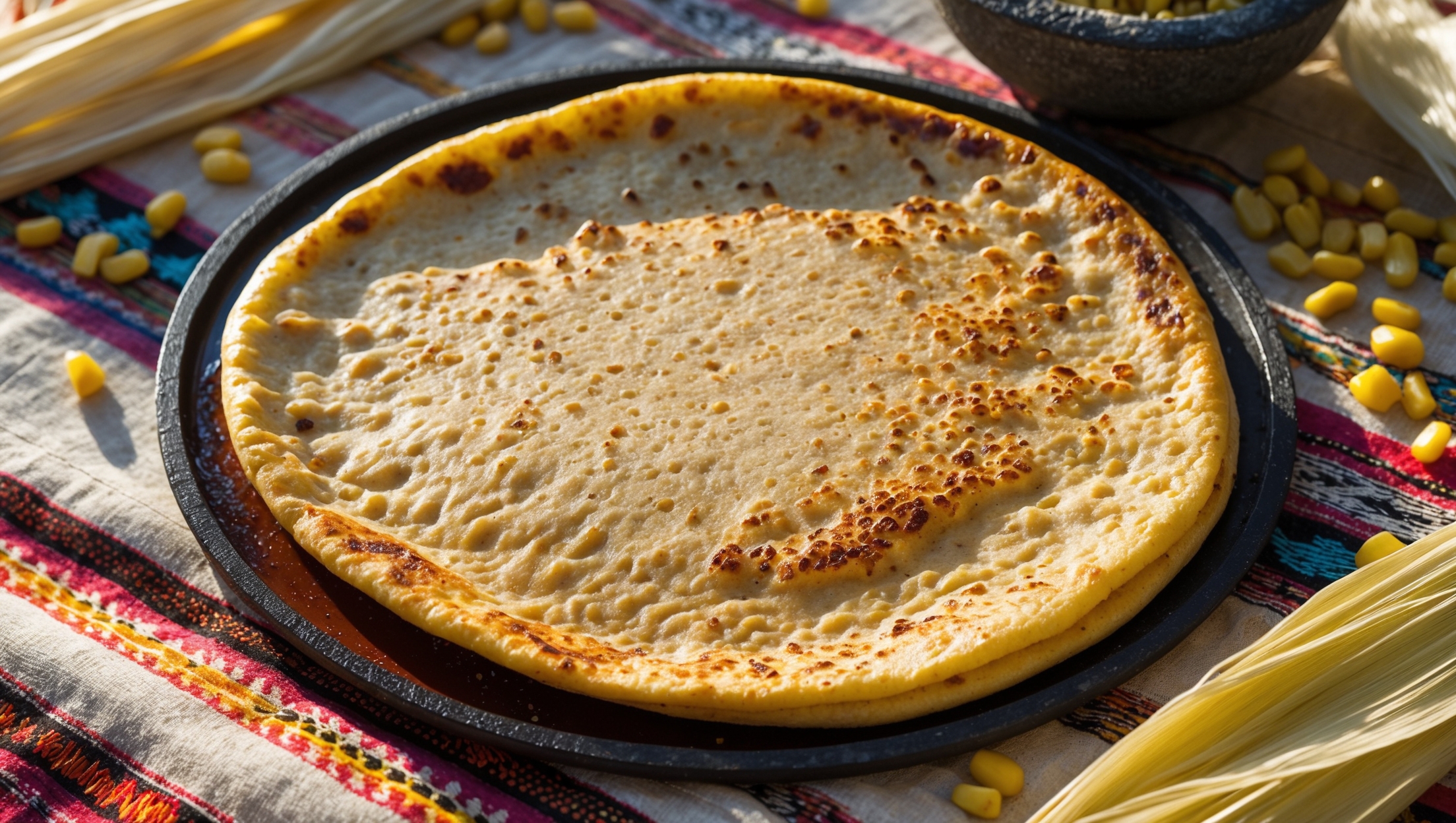
Directions
<ol class="no-list-style"><li class="MethodStepper"><h4 class="step-title">Step 1</h4>Begin by making the dough. In a large mixing bowl, combine the flour and salt. In a separate jug, mix the lukewarm water (around 38°C) with the dried yeast and let it sit for 5 minutes until it begins to foam slightly. This activation step ensures your dough will have the perfect texture.</li><li class="MethodStepper"><h4 class="step-title">Step 2</h4>Make a well in the center of the flour mixture and pour in the yeast mixture and olive oil. Mix with a wooden spoon until the dough starts to come together, then use your hands to knead in the bowl until it forms a rough ball. Transfer to a floured surface.</li><li class="MethodStepper"><h4 class="step-title">Step 3</h4>Knead the dough for 8-10 minutes until smooth and elastic. This develops the gluten, which is essential for creating that characteristic chewy texture. The dough should spring back when lightly pressed with your finger. Form into a ball and place in an oiled bowl, cover with a damp cloth, and let rest in a warm place for 1 hour until nearly doubled in size.</li><li class="MethodStepper"><h4 class="step-title">Step 4</h4>Meanwhile, prepare your filling. For the spinach filling, heat 1 tablespoon of olive oil in a pan and sauté the onion and garlic until translucent. Add the spinach and cook until just wilted, about 2 minutes. Transfer to a colander and press with the back of a spoon to remove excess moisture - this prevents soggy gözleme. Allow to cool completely before mixing with crumbled feta, dried mint, and black pepper.</li><li class="MethodStepper"><h4 class="step-title">Step 5</h4>Once the dough has rested, punch it down to release the air and divide it into 6 equal portions. Form each portion into a ball and let rest, covered, for another 15 minutes. This brief secondary rest relaxes the gluten and makes the dough easier to roll out.</li><li class="MethodStepper"><h4 class="step-title">Step 6</h4>On a lightly floured surface, roll each dough ball into a very thin rectangle or oval, approximately 25x35cm. The dough should be almost translucent - you should be able to see your hand through it when held up to the light. This thinness is crucial for authentic gözleme texture.</li><li class="MethodStepper"><h4 class="step-title">Step 7</h4>Spread about 3-4 tablespoons of filling over half of each dough sheet, leaving a 2cm border. Fold the empty half over the filling and press the edges firmly to seal. Be careful not to tear the dough as you work with it. If tears occur, pinch them closed to prevent filling from escaping during cooking.</li><li class="MethodStepper"><h4 class="step-title">Step 8</h4>Heat a large frying pan or griddle over medium-high heat. Brush one side of the gözleme with olive oil and place oil-side down on the hot pan. Cook for 2-3 minutes until golden brown with charred spots. While the first side cooks, brush the top side with oil, then flip and cook for another 2-3 minutes. The dough should puff up slightly and develop a beautiful mottled golden-brown surface.</li><li class="MethodStepper"><h4 class="step-title">Step 9</h4>Transfer to a cutting board and cut into triangular or rectangular pieces while still hot. Serve immediately with lemon wedges for squeezing over and Greek yogurt on the side. The contrast between the crisp, hot flatbread and cool, tangy yogurt creates the perfect balance of flavors and textures.</li></ol>