Directions
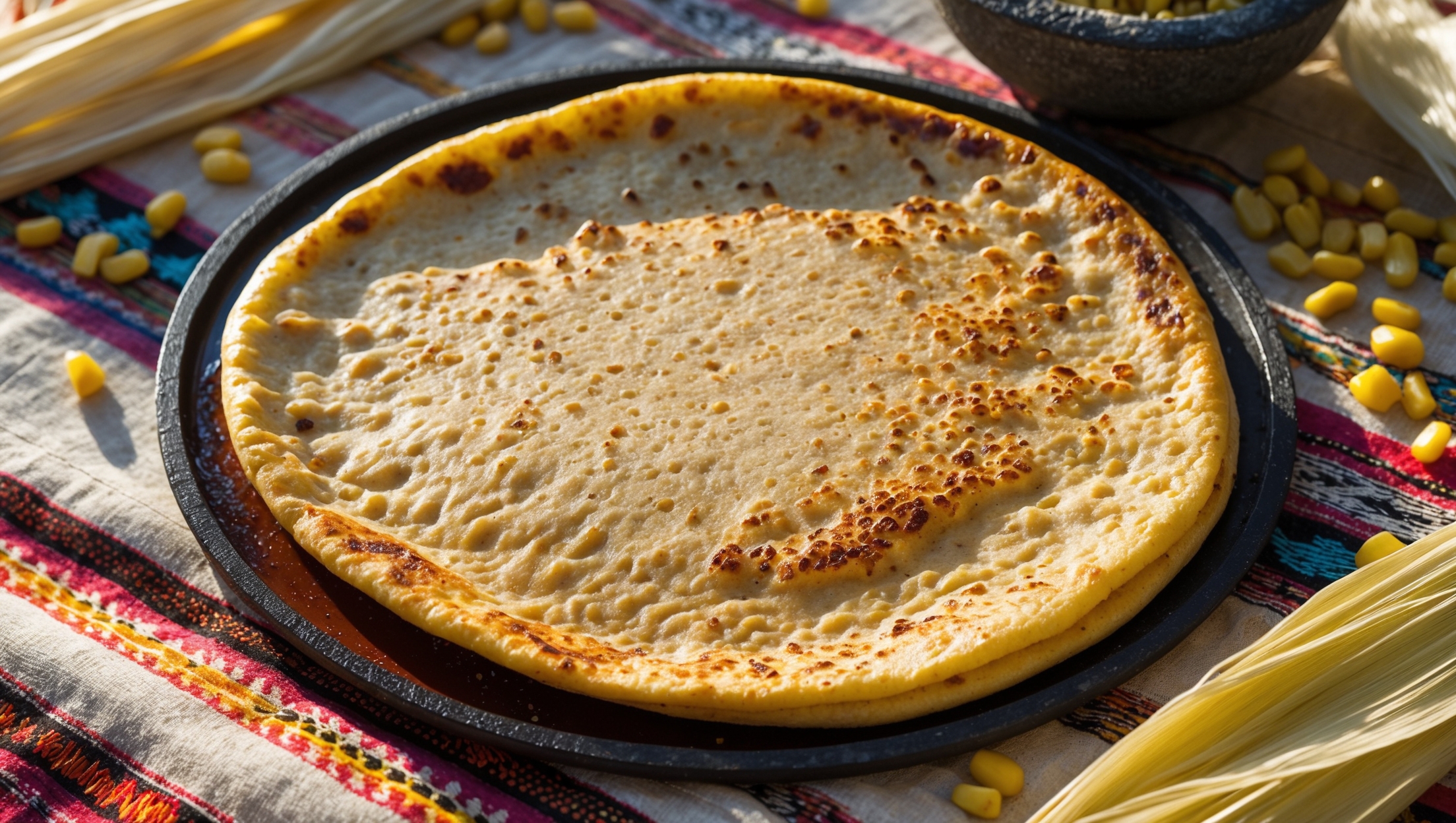
<ol class="no-list-style"><li class="MethodStepper"><h4 class="step-title">Step 1</h4>Begin by making the cultured ghee 3-5 days before your naan. In a medium saucepan, melt 500g butter over low heat until fully liquid. Remove from heat and cool to 40°C. Stir in 2 tablespoons of yogurt (this introduces beneficial bacteria). Transfer to a clean glass jar, cover loosely with a cloth, and leave at room temperature (around 22-24°C) for 24-48 hours until it develops a pleasant tangy aroma.</li><li class="MethodStepper"><h4 class="step-title">Step 2</h4>After culturing, return the butter to a heavy-bottomed saucepan and simmer over medium-low heat. The mixture will foam vigorously – this is the water content evaporating and the milk solids separating. Continue cooking until the foam subsides and the milk solids fall to the bottom, turning golden brown and creating a nutty aroma, about 15-20 minutes.</li><li class="MethodStepper"><h4 class="step-title">Step 3</h4>Remove from heat and let cool slightly. Line a fine-mesh strainer with cheesecloth and carefully pour the ghee through to filter out all milk solids. The resulting ghee should be clear golden liquid that will solidify as it cools. Store in a clean jar at room temperature for up to 3 months. The fermentation process creates a complex flavor profile with buttery, tangy notes.</li><li class="MethodStepper"><h4 class="step-title">Step 4</h4>For the naan dough, in a large bowl, combine active sourdough starter, yogurt, warm water, and honey. Mix well until fully incorporated. The acid in the yogurt will work with the sourdough culture to create a more complex flavor profile.</li><li class="MethodStepper"><h4 class="step-title">Step 5</h4>In a separate bowl, mix bread flour, whole wheat flour, activated charcoal powder, salt, and baking powder. The activated charcoal not only gives the dramatic black color but subtly influences the flavor with earthy undertones. Whisk thoroughly to ensure even distribution of the charcoal powder.</li><li class="MethodStepper"><h4 class="step-title">Step 6</h4>Gradually add the dry ingredients to the wet mixture, stirring until a shaggy dough forms. Turn out onto a lightly floured surface and knead for 5-8 minutes until smooth and elastic. The dough should be soft and slightly tacky but not sticky – add tiny amounts of flour if needed.</li><li class="MethodStepper"><h4 class="step-title">Step 7</h4>Place the dough in a lightly oiled bowl, cover with a damp cloth, and allow to ferment at room temperature for 4-6 hours, or until roughly doubled in size. For deeper flavor development, you can refrigerate the dough overnight (8-12 hours) after the initial 2 hours at room temperature. The slow fermentation develops more complex flavors in the final bread.</li><li class="MethodStepper"><h4 class="step-title">Step 8</h4>After fermentation, gently deflate the dough and divide it into 8 equal portions (about 90-100g each). Roll each portion into a ball and let rest, covered, for 20 minutes. This resting period relaxes the gluten and makes the dough easier to shape.</li><li class="MethodStepper"><h4 class="step-title">Step 9</h4>Heat a cast iron skillet or tawa over high heat until very hot. On a lightly floured surface, roll each dough ball into an oval or round shape, about 5-6mm thick. Don't worry about perfect shapes – the rustic appearance adds to the charm.</li><li class="MethodStepper"><h4 class="step-title">Step 10</h4>Before cooking, lightly spray or brush one side of the naan with water and place that side down on the hot skillet. Cook for 1-2 minutes until bubbles form on the surface. The water helps the dough adhere to the skillet, creating better contact for charring.</li><li class="MethodStepper"><h4 class="step-title">Step 11</h4>Flip the naan and cook the other side for another 1-2 minutes. For traditional charred spots, you can briefly hold the naan with tongs directly over an open flame for 10-15 seconds, rotating to char evenly. The high heat creates steam inside the bread, making it puff dramatically.</li><li class="MethodStepper"><h4 class="step-title">Step 12</h4>As each naan finishes cooking, brush generously with the cultured ghee while still hot. The heat will melt the ghee, allowing it to penetrate the bread. Optionally, sprinkle with nigella seeds, fresh herbs, or flaky salt. Serve immediately for the best texture and flavor experience, offering additional cultured ghee on the side for dipping or drizzling.</li></ol>