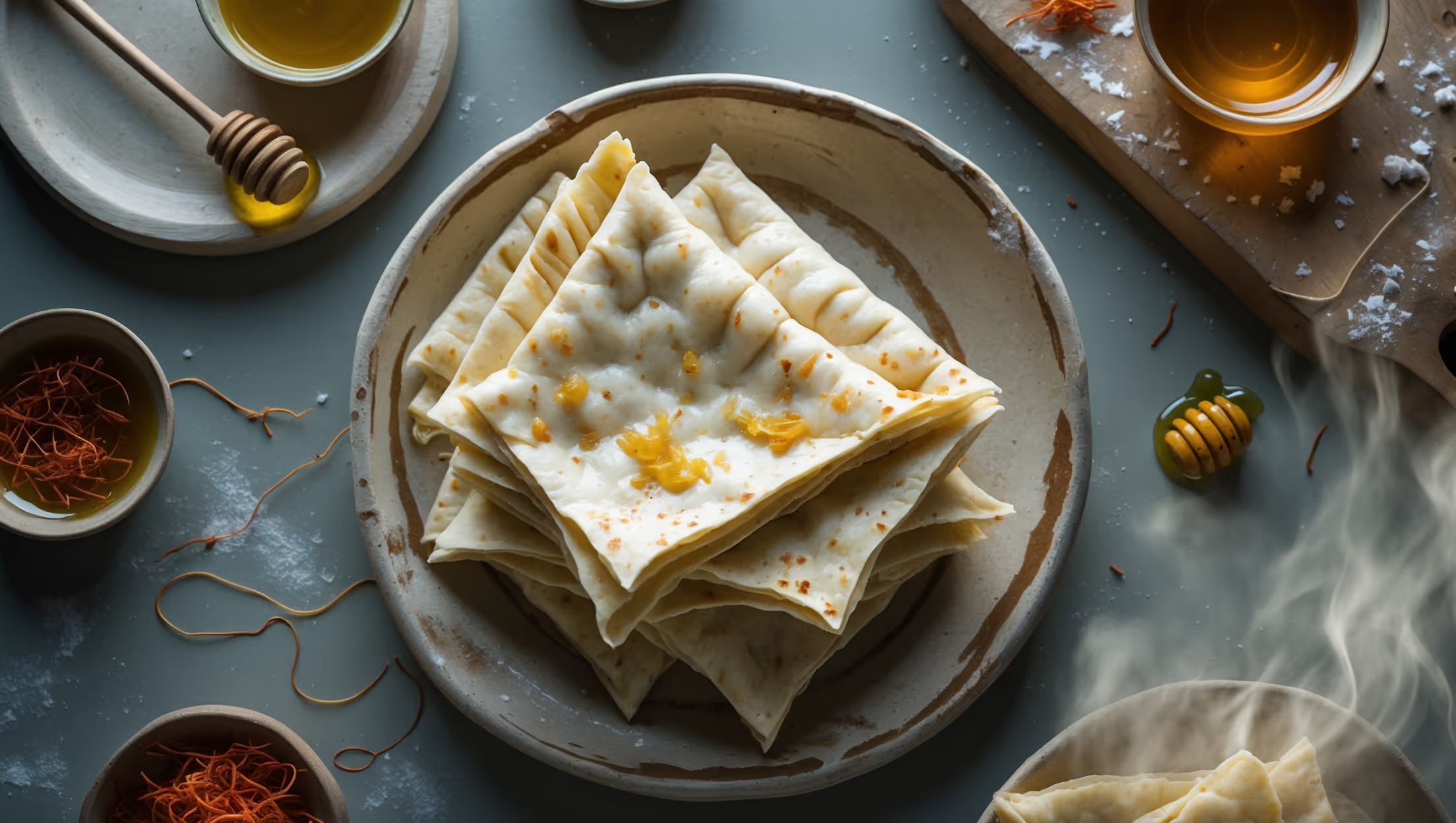
Directions
<ol class="no-list-style"><li class="MethodStepper"><h4 class="step-title">Step 1</h4>Prepare the cauliflower filling first. Grate the cauliflower finely using a box grater or food processor. Place the grated cauliflower in a clean kitchen towel and squeeze out any excess moisture – this is crucial to prevent soggy parathas. Transfer to a mixing bowl.</li><li class="MethodStepper"><h4 class="step-title">Step 2</h4>To the grated cauliflower, add finely chopped onion, green chilies, fresh coriander, cumin seeds, coriander powder, turmeric, red chili powder, garam masala, and 1/2 teaspoon salt. Mix thoroughly until all spices are evenly distributed. Taste and adjust seasonings if needed – the filling should be well-flavored as it will be enclosed in plain dough.</li><li class="MethodStepper"><h4 class="step-title">Step 3</h4>For the dough, place whole wheat flour in a large bowl. Add the remaining 1/2 teaspoon salt and 1 tablespoon oil. Using your fingertips, rub the oil into the flour until it resembles breadcrumbs – this helps create flaky layers in the paratha. Gradually add warm water, mixing and kneading until you have a smooth, soft dough that's not sticky. The dough should spring back when pressed gently.</li><li class="MethodStepper"><h4 class="step-title">Step 4</h4>Cover the dough with a damp cloth and let it rest for 20-30 minutes. This resting period allows the gluten to relax, making the dough easier to roll and resulting in softer parathas. Meanwhile, divide your cauliflower filling into 6 equal portions.</li><li class="MethodStepper"><h4 class="step-title">Step 5</h4>After resting, divide the dough into 6 equal balls. Take one ball, dip it lightly in flour, and roll it out to a circle about 12cm in diameter. Place one portion of the cauliflower filling in the center, leaving about 2cm border around the edges.</li><li class="MethodStepper"><h4 class="step-title">Step 6</h4>Carefully bring the edges of the dough up and over the filling, gathering them in the center like a purse. Pinch the edges together firmly to seal completely. Gently flatten the stuffed ball with your palm, taking care not to break the seal.</li><li class="MethodStepper"><h4 class="step-title">Step 7</h4>Dust the stuffed ball lightly with flour and use a rolling pin to roll it out into a circle about 18-20cm in diameter. Roll gently with even pressure, working from the center outwards. If any filling starts to peek through, pinch the dough to seal and continue rolling. Don't worry if your paratha isn't perfectly round – rustic shapes have charm!</li><li class="MethodStepper"><h4 class="step-title">Step 8</h4>Heat your tawa or skillet over medium-high heat. When hot, place the rolled paratha on it. Cook for about 30 seconds until small bubbles form on the surface. Flip it over and brush the cooked side with a little oil or ghee.</li><li class="MethodStepper"><h4 class="step-title">Step 9</h4>Flip again and brush the second side with oil. Press gently with a spatula around the edges and then the center to ensure even cooking and to help the paratha puff up. Cook until both sides develop golden-brown spots – a perfectly cooked paratha will have a crisp exterior with a soft, layered interior.</li><li class="MethodStepper"><h4 class="step-title">Step 10</h4>Transfer the cooked paratha to a plate lined with a kitchen towel, which helps keep them warm and soft. Cover with another kitchen towel while you cook the remaining parathas. Serve hot with a dollop of butter on top if desired, alongside yogurt, pickle, or chutney. For best texture and flavor, enjoy while still warm when the exterior is crisp and the filling is steaming hot.</li></ol>