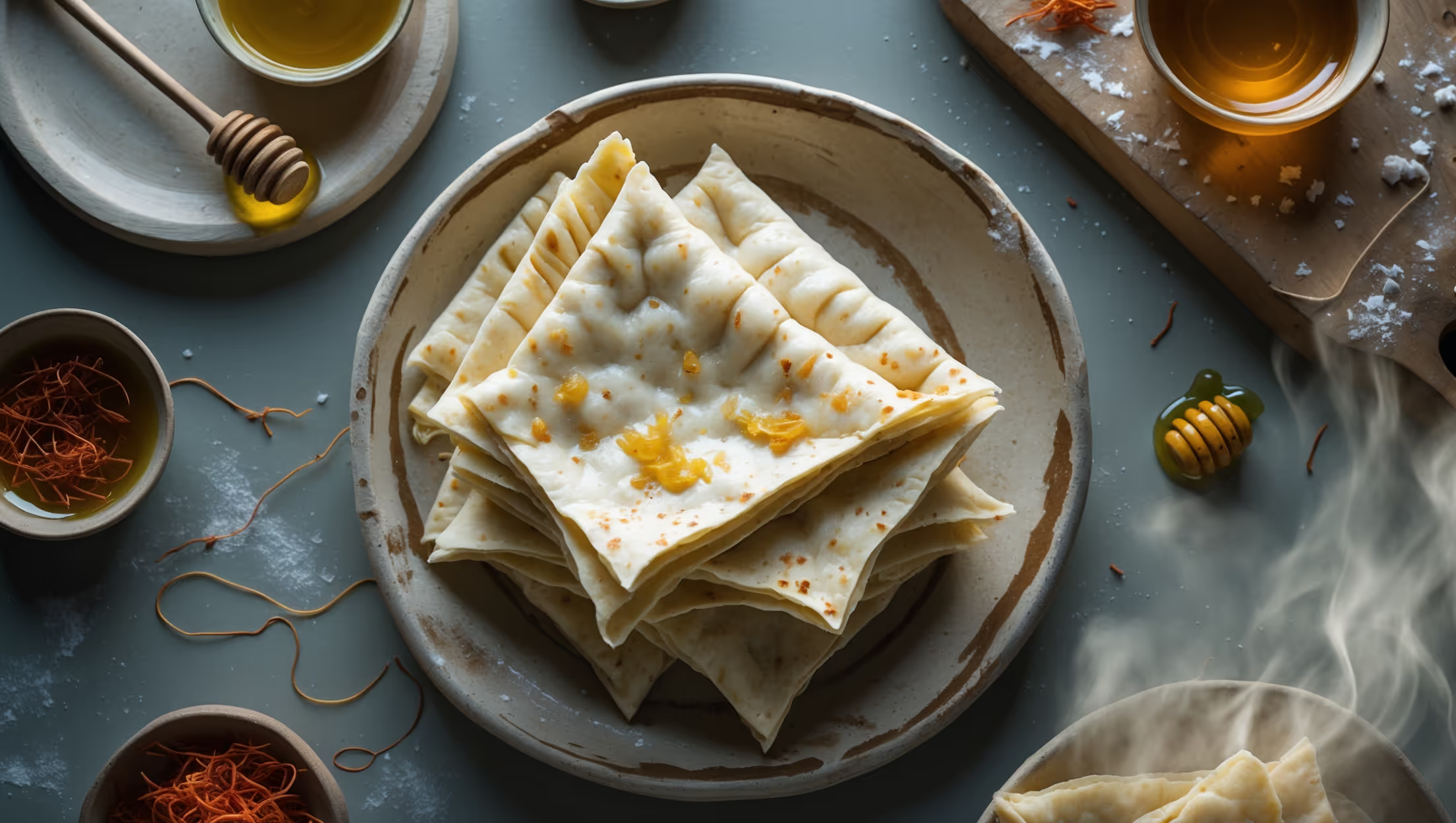
Directions
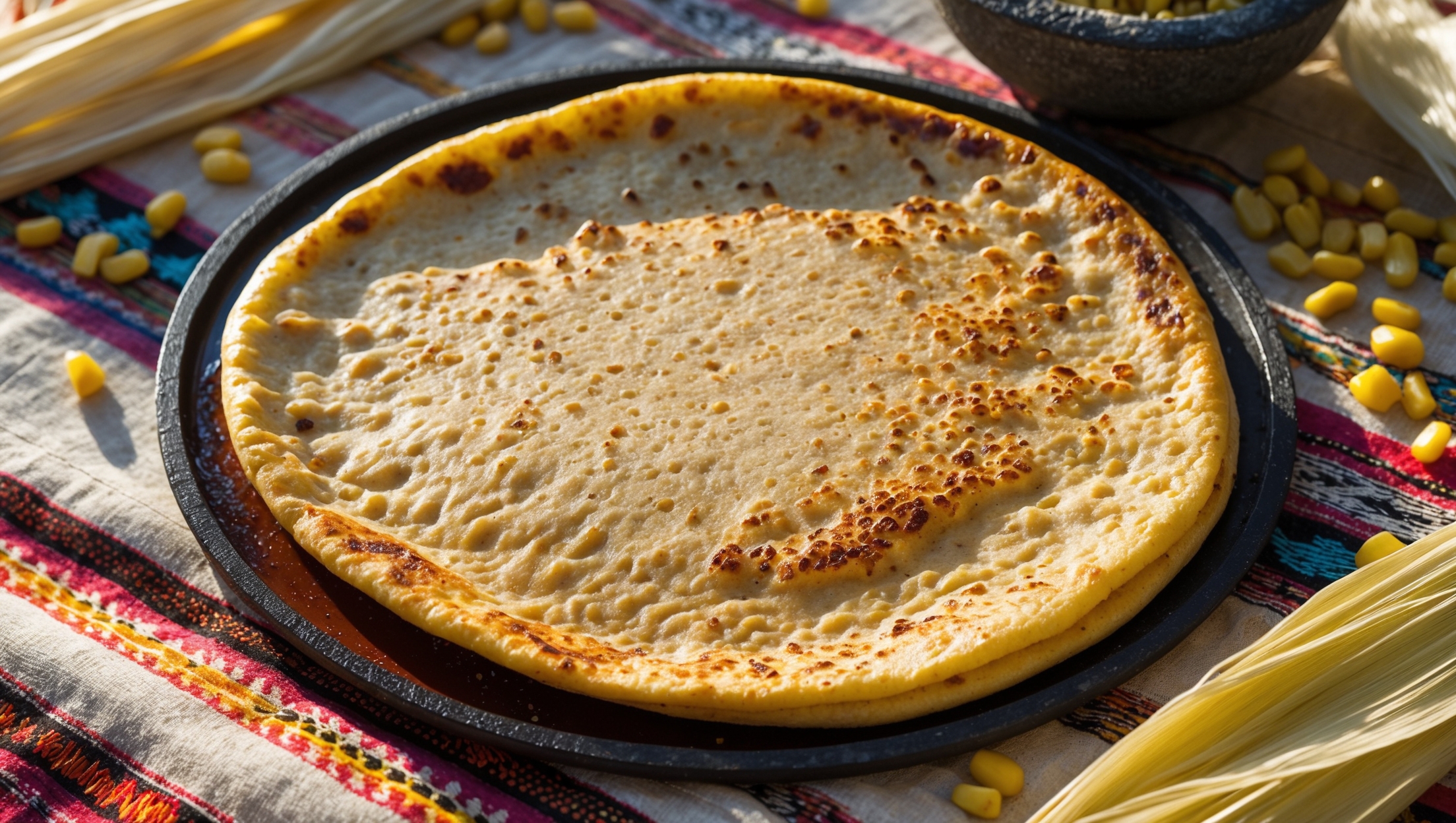
<ol class="no-list-style"><li class="MethodStepper"><h4 class="step-title">Step 1</h4>In a large mixing bowl, combine the masa harina and salt (if using). The salt is optional but adds a subtle flavor enhancement to your tortillas. Masa harina is a specialized corn flour that's been treated with lime water (calcium hydroxide) in a process called nixtamalization, which enhances its nutritional value and distinctive flavor.</li><li class="MethodStepper"><h4 class="step-title">Step 2</h4>Gradually add about 270ml of warm water to the masa harina while mixing with your hands. The dough should feel like soft play dough - not sticky but not crumbly either. If it's too dry, add more water 1 tablespoon at a time; if too wet, add a little more masa harina. The correct consistency is crucial - when you press a ball between your palms, the edges should be smooth without cracking.</li><li class="MethodStepper"><h4 class="step-title">Step 3</h4>Cover the dough with a damp cloth or plastic wrap and let it rest for 30 minutes. This resting period allows the masa harina to fully hydrate, resulting in more pliable tortillas. Don't skip this step, as it's essential for proper texture development!</li><li class="MethodStepper"><h4 class="step-title">Step 4</h4>After resting, check the dough again. It should still feel moist and pliable. If it has dried out, work in a little more warm water. Divide the dough into 12 equal portions (about 40g each) and roll each into a smooth ball between your palms.</li><li class="MethodStepper"><h4 class="step-title">Step 5</h4>Heat your cast iron skillet or comal over medium-high heat until hot but not smoking. Meanwhile, prepare your tortilla press by lining both plates with cut plastic (from a freezer bag or specialty tortilla plastic) to prevent sticking - this is absolutely essential!</li><li class="MethodStepper"><h4 class="step-title">Step 6</h4>Place a dough ball in the center of the bottom plastic on your press. Cover with the top plastic and gently press down, applying even pressure. Aim for tortillas about 15cm (6 inches) in diameter and 2-3mm thick. If you don't have a press, place the plastic-covered ball between two flat plates and press down evenly with something heavy.</li><li class="MethodStepper"><h4 class="step-title">Step 7</h4>Carefully peel the plastic from your pressed tortilla (this takes practice!). The best technique is to peel the plastic away from the tortilla rather than lifting the tortilla from the plastic. If the dough sticks or tears, it's likely too wet - work in a bit more masa harina to your remaining dough.</li><li class="MethodStepper"><h4 class="step-title">Step 8</h4>Gently lay the tortilla on your hot skillet or comal. Cook for about 50-60 seconds until the edges start to lift slightly and the bottom develops small brown spots. The tortilla will release from the surface when it's ready to flip - if it sticks, give it a few more seconds.</li><li class="MethodStepper"><h4 class="step-title">Step 9</h4>Flip the tortilla and cook the second side for about 50-60 seconds. Then flip once more and cook for a final 15-20 seconds. The tortilla should puff up slightly in spots - this is a good sign! It indicates that the steam inside has created the characteristic layers that make tortillas pliable.</li><li class="MethodStepper"><h4 class="step-title">Step 10</h4>Transfer your finished tortilla to a clean kitchen towel or tortilla warmer, wrapping it to keep warm and soft. This steam-trapping step is crucial for the perfect texture. Continue with the remaining dough balls, stacking and wrapping each finished tortilla.</li><li class="MethodStepper"><h4 class="step-title">Step 11</h4>Serve your tortillas warm within 1-2 hours for the best texture and flavor. They'll remain pliable as long as they're kept wrapped and warm. For longer storage, cool completely, then refrigerate in an airtight container for up to 3 days, or freeze with parchment paper between each tortilla for up to 2 months. Reheat in a dry skillet or wrapped in damp paper towel in the microwave.</li></ol>