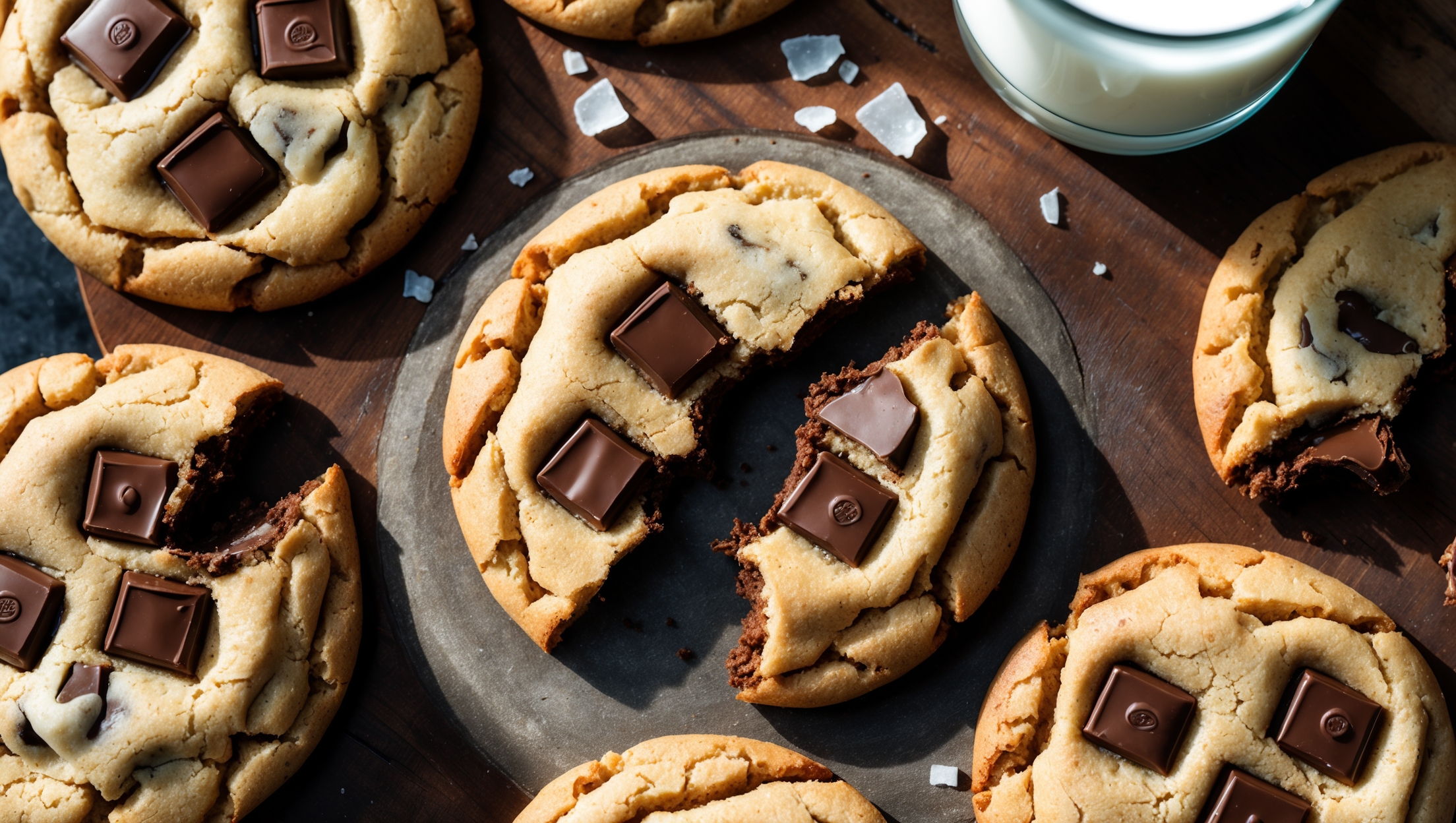
Directions
<ol class="no-list-style"><li class="MethodStepper"><h4 class="step-title">Step 1</h4>Place the butter in a light-colored saucepan over medium heat. Melt completely, then continue cooking, swirling occasionally, until the butter foams, crackles, and then turns amber with a nutty aroma (about 5-7 minutes). Small brown specks (milk solids) will appear in the bottom of the pan - these add tremendous flavor. Pour into a heat-proof bowl and let cool for 10 minutes. This brown butter technique adds a rich, toffee-like dimension that elevates these cookies.</li><li class="MethodStepper"><h4 class="step-title">Step 2</h4>While the butter cools, preheat your oven to 180°C (350°F) and line baking sheets with parchment paper or silicone mats. If your pecans aren't already toasted, spread them on a baking sheet and toast in the oven for 6-8 minutes until fragrant. Let cool completely before chopping.</li><li class="MethodStepper"><h4 class="step-title">Step 3</h4>In a large bowl, combine the cooled brown butter with both sugars. Beat with an electric mixer for 2-3 minutes until well incorporated and slightly lighter in color. The sugar crystals will help aerate the butter, creating a better cookie structure.</li><li class="MethodStepper"><h4 class="step-title">Step 4</h4>Add eggs one at a time, beating well after each addition. Stir in the vanilla extract. The mixture should be smooth and ribbony.</li><li class="MethodStepper"><h4 class="step-title">Step 5</h4>In a separate bowl, whisk together the flour, baking soda, and salt. Gradually add this dry mixture to the wet ingredients, mixing on low speed just until combined. Overmixing develops gluten, which can make cookies tough, so stop as soon as no dry flour remains.</li><li class="MethodStepper"><h4 class="step-title">Step 6</h4>Fold in the chocolate chunks and toasted pecans by hand using a rubber spatula, ensuring even distribution throughout the dough.</li><li class="MethodStepper"><h4 class="step-title">Step 7</h4>For the best texture and flavor, chill the dough for at least 30 minutes (or up to 24 hours). This resting period allows the flour to hydrate fully and the flavors to develop. If you're short on time, you can bake immediately, but the cookies will spread more.</li><li class="MethodStepper"><h4 class="step-title">Step 8</h4>Using a cookie scoop or tablespoon, portion the dough into 40g balls (about 2 tablespoons each) and place on prepared baking sheets, leaving about 5cm (2 inches) between each cookie to allow for spreading. Slightly flatten the tops with your palm.</li><li class="MethodStepper"><h4 class="step-title">Step 9</h4>Bake for 10-12 minutes, or until the edges are golden brown but the centers still look slightly underbaked. The cookies will continue cooking on the hot baking sheet after removal from the oven. For perfectly round cookies, use a large round cutter to gently scoot around each hot cookie immediately after baking.</li><li class="MethodStepper"><h4 class="step-title">Step 10</h4>If using, sprinkle each cookie with a tiny pinch of flaky sea salt while still warm. Let the cookies cool on the baking sheet for 5 minutes before transferring to a wire rack to cool completely. The cookies will firm up as they cool while maintaining a chewy center.</li><li class="MethodStepper"><h4 class="step-title">Step 11</h4>Store cooled cookies in an airtight container at room temperature for up to 5 days, or freeze for up to 3 months. You can also freeze portioned cookie dough balls and bake from frozen (just add 2-3 minutes to the baking time) for fresh cookies anytime.</li></ol>