Directions
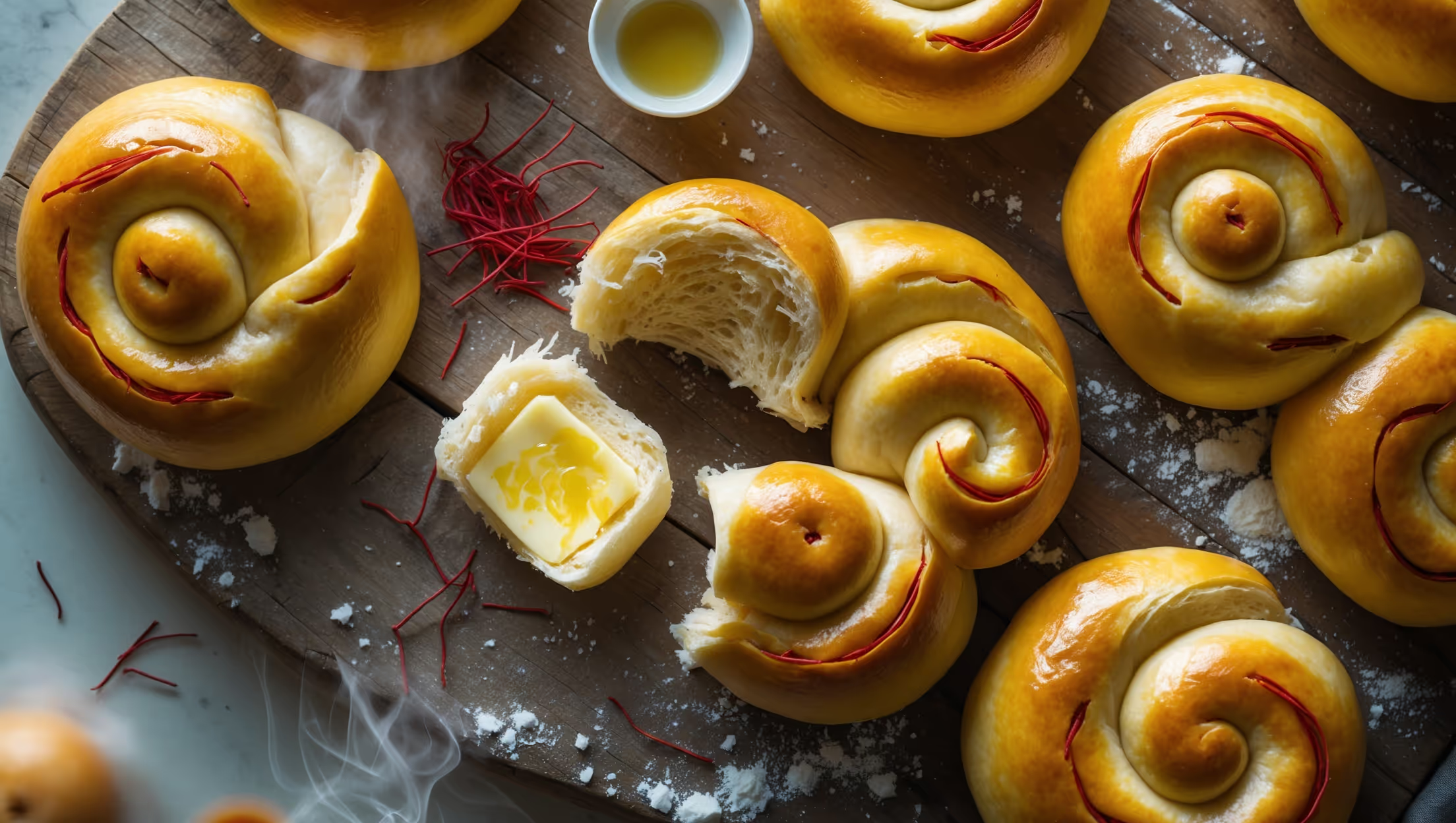
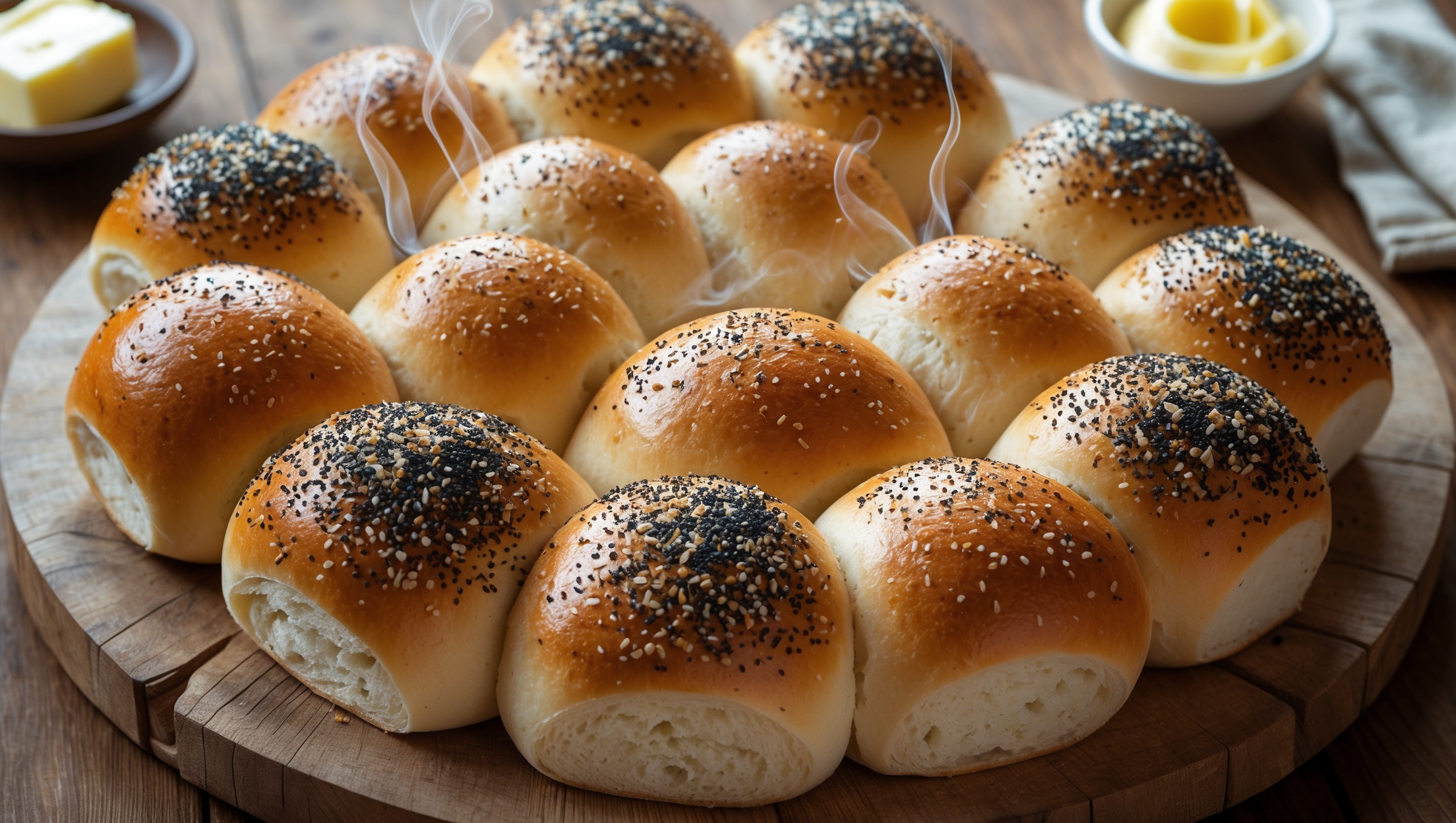
<ol class="no-list-style"><li class="MethodStepper"><h4 class="step-title">Step 1</h4>Begin by blooming your saffron. Place the saffron threads in a small bowl with 2 tablespoons of hot water. Let steep for at least 15 minutes - this draws out the vivid color and distinctive flavor from the delicate threads, transforming the water into a golden-orange elixir.</li><li class="MethodStepper"><h4 class="step-title">Step 2</h4>In the bowl of your stand mixer, combine the flour, sugar, salt, and turmeric, whisking gently to incorporate all dry ingredients evenly. The turmeric not only contributes to the buns' stunning yellow color but adds a subtle earthy flavor that complements the saffron beautifully.</li><li class="MethodStepper"><h4 class="step-title">Step 3</h4>Warm the milk until just lukewarm (about 38°C/100°F) - it should feel just slightly warm to the touch, not hot. If the milk is too hot, it will kill the yeast; too cold and the yeast won't activate properly. Add the yeast to the milk and let it sit for 5-10 minutes until foamy, which confirms your yeast is alive and active.</li><li class="MethodStepper"><h4 class="step-title">Step 4</h4>Add the milk-yeast mixture, bloomed saffron with its liquid, softened butter, and egg to the flour mixture. Using the dough hook attachment, mix on low speed until just combined, then increase to medium speed and knead for 8-10 minutes. The dough should pull away from the sides of the bowl and feel soft, elastic, and slightly tacky but not sticky. If it's too sticky, add a tablespoon of flour at a time; if too dry, add a teaspoon of milk.</li><li class="MethodStepper"><h4 class="step-title">Step 5</h4>Transfer the dough to a lightly oiled bowl, cover with a damp cloth or plastic wrap, and place in a warm spot to rise until doubled in size, approximately 1-1.5 hours. The ideal rising temperature is around 27°C/80°F. You'll know the dough is ready when you gently press it with your finger and the indentation remains.</li><li class="MethodStepper"><h4 class="step-title">Step 6</h4>Once risen, gently punch down the dough to release excess air bubbles. Turn out onto a lightly floured surface and divide into 12 equal portions (using a kitchen scale helps ensure uniformity). Roll each portion into a tight ball by cupping your hand over the dough and moving in a circular motion, creating surface tension that will help the buns keep their shape.</li><li class="MethodStepper"><h4 class="step-title">Step 7</h4>Line your baking sheet with parchment and arrange the dough balls with about 2-3 cm space between them. Cover loosely with a clean kitchen towel and let rise again for 30-45 minutes until noticeably puffed up. Meanwhile, preheat your oven to 180°C/350°F, positioning the rack in the middle.</li><li class="MethodStepper"><h4 class="step-title">Step 8</h4>Just before baking, gently brush the buns with egg wash, taking care not to deflate them. The egg wash gives the buns a beautiful shine and golden-brown color as they bake. If you like, you can score the tops with a sharp knife for a decorative touch.</li><li class="MethodStepper"><h4 class="step-title">Step 9</h4>Bake for 18-20 minutes until the buns are golden brown and sound hollow when tapped on the bottom. The internal temperature should reach about 88°C/190°F if you're using a thermometer. Keep a close eye on them after 15 minutes - the turmeric and saffron can make it harder to judge doneness by color alone.</li><li class="MethodStepper"><h4 class="step-title">Step 10</h4>If using honey glaze, warm the honey slightly and brush over the hot buns immediately after removing from the oven. This adds a subtle sweetness and beautiful sheen. Transfer the buns to a wire rack to cool for at least 15 minutes before serving. The texture continues to develop as they cool, so resist the temptation to break into them too soon!</li></ol>