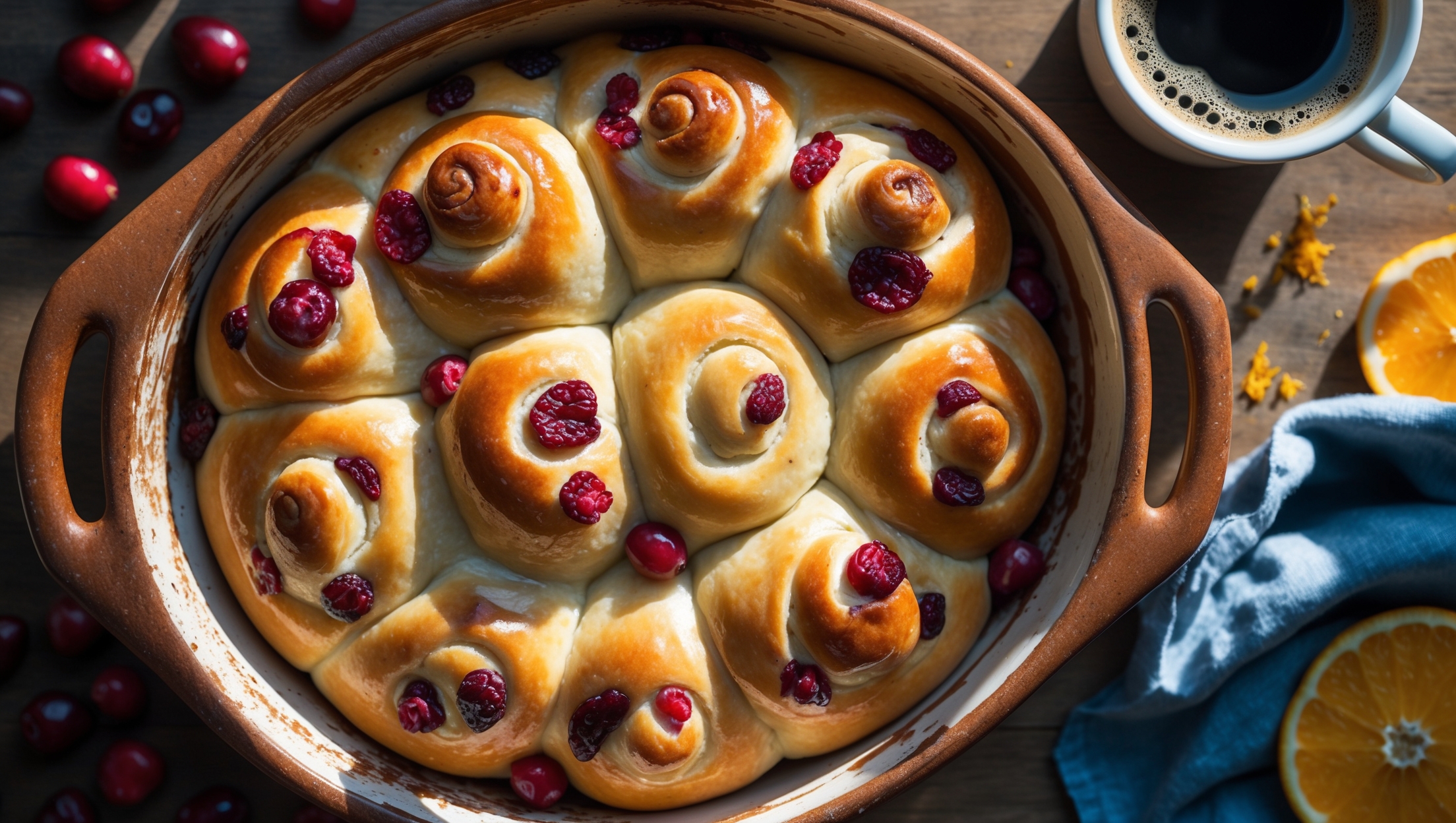
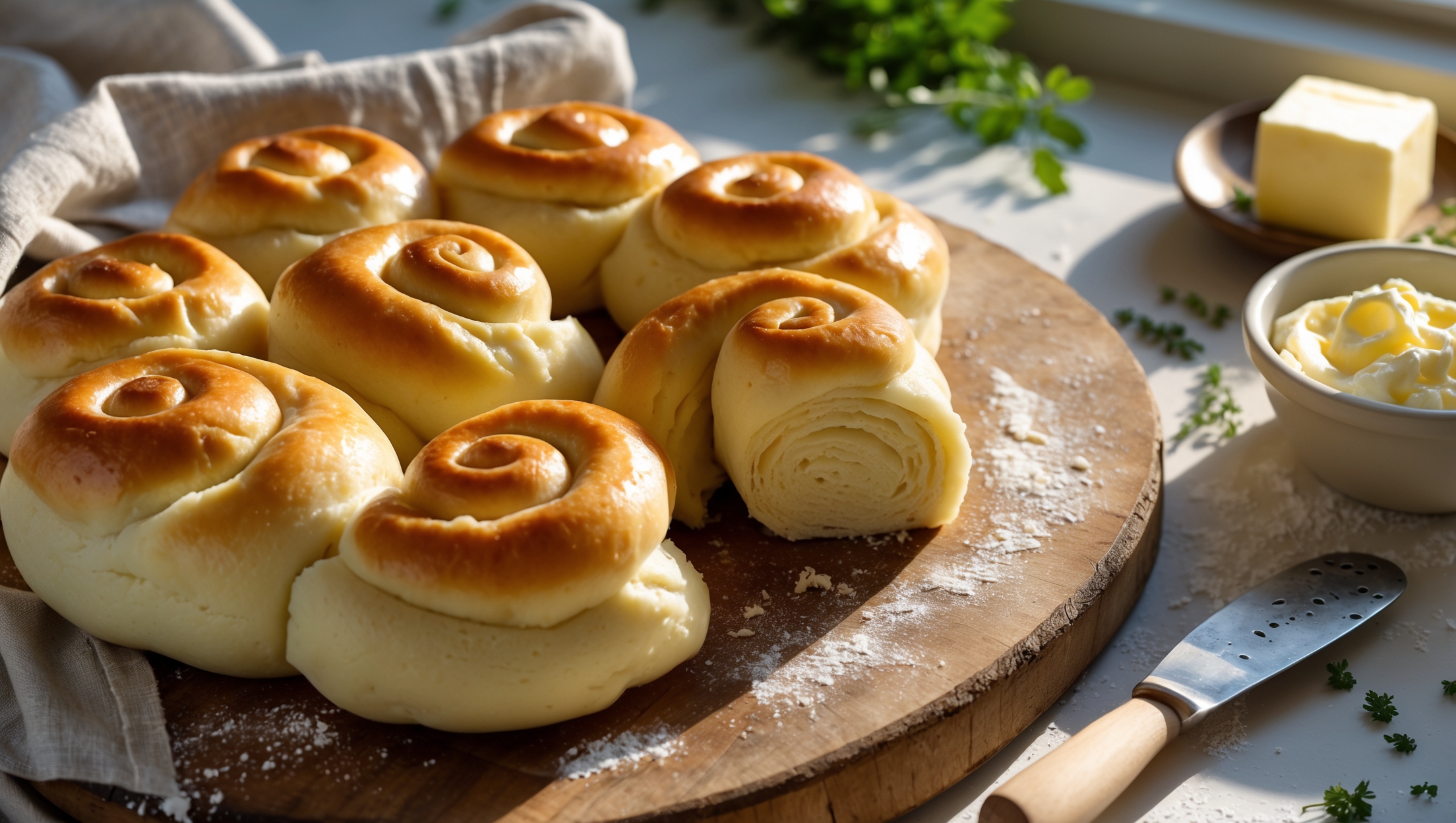
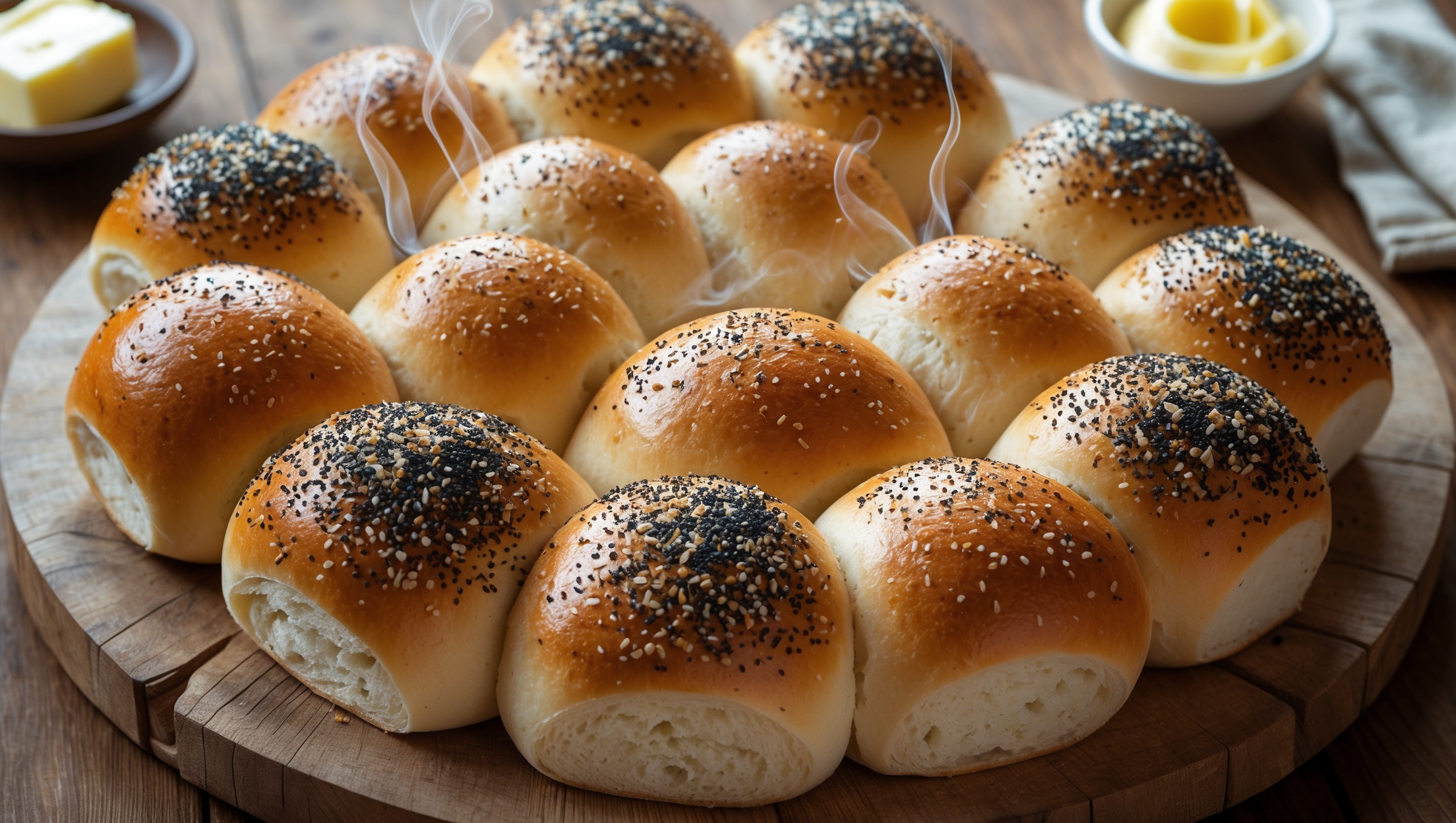
<ol class="no-list-style"><li class="MethodStepper"><h4 class="step-title">Step 1</h4>Begin by making the dough. In the bowl of your stand mixer, combine the flour, sugar, yeast, and salt. In a separate bowl, whisk together the lukewarm milk, eggs, orange zest, and orange juice. With the mixer running on low speed with the dough hook attached, slowly pour the wet ingredients into the dry ingredients. Mix until just combined, about 2 minutes. The warm milk activates the yeast while the acidity in the orange juice helps develop the gluten structure.</li><li class="MethodStepper"><h4 class="step-title">Step 2</h4>With the mixer still running on low, add the softened butter, one tablespoon at a time, waiting until each addition is fully incorporated before adding more. Once all the butter is added, increase the speed to medium and knead for 8-10 minutes until the dough is smooth, elastic, and pulls away from the sides of the bowl. It should feel soft and slightly tacky but not sticky. The slow butter incorporation creates a rich, tender dough with a brioche-like texture.</li><li class="MethodStepper"><h4 class="step-title">Step 3</h4>Transfer the dough to a lightly greased large bowl, cover with plastic wrap or a damp cloth, and let rise in a warm place until doubled in size, about 1-1.5 hours. The ideal temperature for dough rising is around 24-27°C (75-80°F). If your kitchen is cool, you can create a warm environment by placing the bowl in an oven that's been turned on for just a minute and then turned off.</li><li class="MethodStepper"><h4 class="step-title">Step 4</h4>While the dough rises, prepare the filling. If using frozen cranberries, thaw and drain well. Roughly chop the cranberries and mix with the brown sugar, cinnamon, and orange zest. Set aside. The rough chopping allows the cranberries to release their tart juices into the filling without making it too wet.</li><li class="MethodStepper"><h4 class="step-title">Step 5</h4>Once the dough has doubled, gently punch it down to release the air bubbles. On a lightly floured surface, roll the dough into a rectangle approximately 30cm x 45cm (12x18 inches). Try to maintain an even thickness and rectangular shape – this ensures consistent buns with even layers of filling.</li><li class="MethodStepper"><h4 class="step-title">Step 6</h4>Spread the softened butter evenly over the surface of the dough, leaving a 2cm (3/4 inch) border along one long edge. Sprinkle the cranberry-sugar mixture evenly over the buttered surface, pressing it lightly into the dough. The butter acts as a barrier between the dough and filling, preventing the juices from making the dough soggy.</li><li class="MethodStepper"><h4 class="step-title">Step 7</h4>Starting from the long edge without the border, tightly roll the dough into a log, pinching the seam to seal. For the cleanest cuts, use unflavored dental floss or a very sharp knife to slice the log into 12 equal pieces, each about 3.5cm (1.5 inches) thick. Place the rolls cut-side up in a greased 25cm x 35cm (9x13 inch) baking dish, leaving a little space between each for rising.</li><li class="MethodStepper"><h4 class="step-title">Step 8</h4>Cover the dish and let the rolls rise again until puffy, about 45-60 minutes. Alternatively, for make-ahead convenience, you can refrigerate the rolls at this point for up to 12 hours. If refrigerated, allow them to come to room temperature for about 30 minutes before baking.</li><li class="MethodStepper"><h4 class="step-title">Step 9</h4>Preheat your oven to 180°C (350°F). Once the rolls have completed their second rise, bake for 22-25 minutes until golden brown. If they begin to brown too quickly, loosely cover with aluminum foil. The internal temperature should reach about 88°C (190°F) when fully baked.</li><li class="MethodStepper"><h4 class="step-title">Step 10</h4>While the rolls are baking, prepare the glaze. Beat the cream cheese and butter until smooth and fluffy, about 2 minutes. Gradually add the powdered sugar, then mix in the vanilla and enough orange juice to achieve your desired consistency. The tanginess of the cream cheese beautifully balances the sweetness of the icing.</li><li class="MethodStepper"><h4 class="step-title">Step 11</h4>Allow the buns to cool in the pan for 5-10 minutes before spreading the glaze over the top. The warm buns will cause the glaze to melt slightly into the crevices, creating pockets of creamy sweetness throughout. For a thicker glaze that sits on top, wait until the buns are completely cool before applying.</li><li class="MethodStepper"><h4 class="step-title">Step 12</h4>Serve while still warm for the ultimate breakfast experience. Leftover buns can be stored in an airtight container at room temperature for up to 2 days or refrigerated for up to 5 days. To reheat, warm in a 150°C (300°F) oven for 5-7 minutes or microwave individual buns for 15-20 seconds. These buns also freeze beautifully for up to 3 months – simply thaw overnight and warm before serving.</li></ol>