Directions
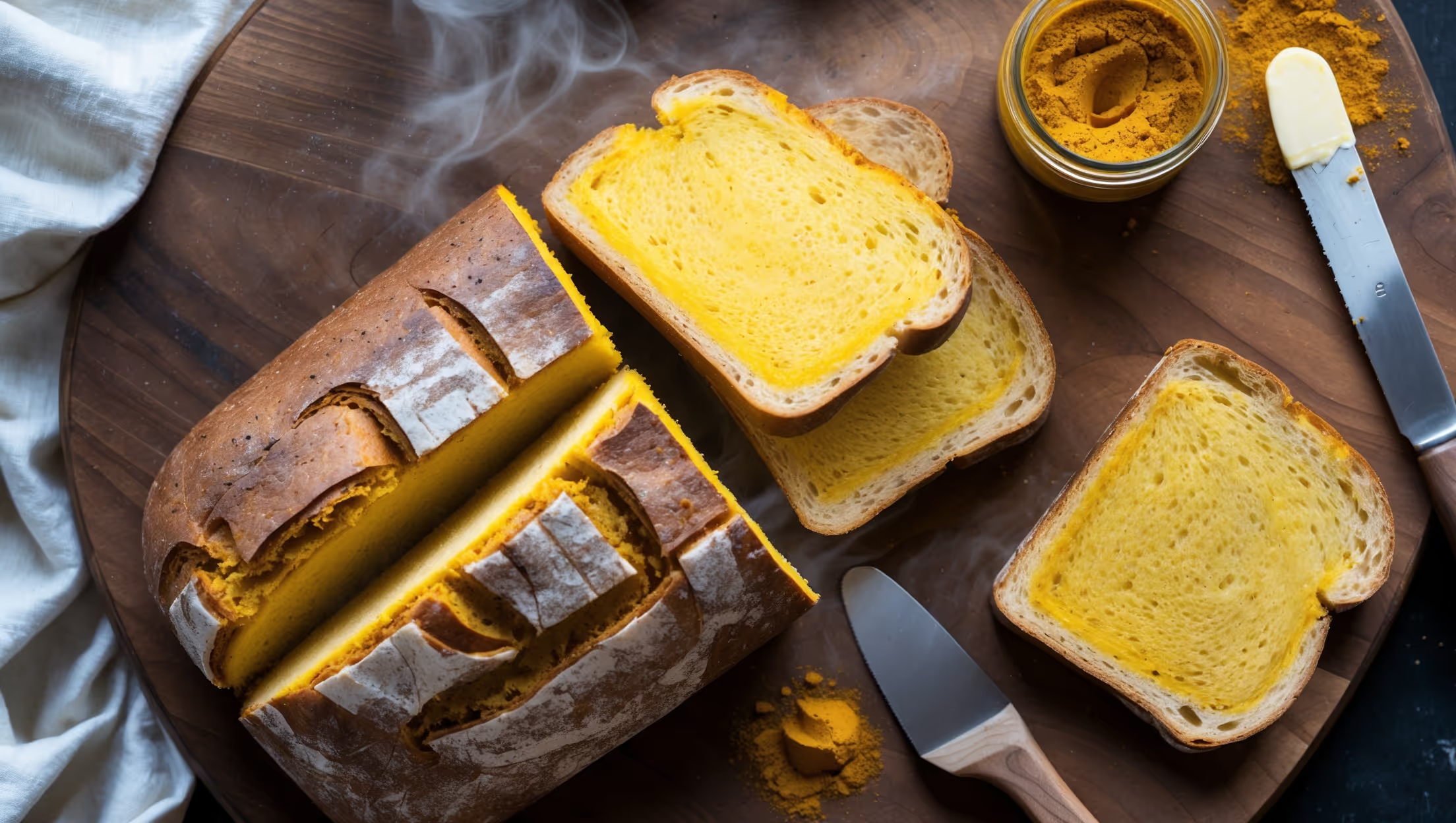
<ol class="no-list-style"><li class="MethodStepper"><h4 class="step-title">Step 1</h4>Begin by warming your milk to about 40-45°C (just warm to the touch, not hot). Add the honey and 1 teaspoon of your sugar, then sprinkle the yeast over the surface. Let this mixture sit for about 10 minutes until foamy, which indicates your yeast is active and ready to work magic on your dough.</li><li class="MethodStepper"><h4 class="step-title">Step 2</h4>While waiting for the yeast, whisk together the flour, remaining sugar, salt, turmeric, cinnamon, ginger, black pepper, and cardamom in the bowl of your stand mixer. The black pepper is important as it helps your body absorb the curcumin (the active compound in turmeric) more effectively.</li><li class="MethodStepper"><h4 class="step-title">Step 3</h4>Once your yeast mixture is foamy, add it to the flour mixture along with 1 beaten egg and the softened butter. Attach the dough hook and mix on low speed for 2 minutes until everything comes together, then increase to medium speed and knead for 8-10 minutes. The dough should be smooth, elastic, and pull away from the sides of the bowl. It will have a beautiful golden color from the turmeric.</li><li class="MethodStepper"><h4 class="step-title">Step 4</h4>Transfer the dough to a lightly oiled bowl, turning once to coat both sides. Cover with a damp cloth or plastic wrap and place in a warm spot to rise until doubled in size, about 1-1.5 hours. The ideal temperature for proofing is around 27-29°C. You'll know it's ready when you gently press a finger into the dough and the indentation remains.</li><li class="MethodStepper"><h4 class="step-title">Step 5</h4>Once doubled, gently punch down the dough to release air bubbles and transfer to a lightly floured surface. Using a dough scraper or your hands, divide the dough into three equal portions. Shape each portion into a tight ball by pulling the edges toward the center and pinching to seal.</li><li class="MethodStepper"><h4 class="step-title">Step 6</h4>Roll each ball into a rectangle about 20cm long. Starting from the short end, tightly roll up each rectangle like a swiss roll, pinching the seams to seal. Place the three rolled pieces seam-side down in your greased loaf tin, nestling them side by side. This technique creates a beautiful pull-apart texture when baked.</li><li class="MethodStepper"><h4 class="step-title">Step 7</h4>Cover the tin loosely with oiled plastic wrap and allow to rise again until the dough crowns about 2.5cm above the rim of the pan, approximately 45-60 minutes. Meanwhile, preheat your oven to 180°C (160°C fan/350°F).</li><li class="MethodStepper"><h4 class="step-title">Step 8</h4>Beat the remaining egg with 1 tablespoon of water to create an egg wash. Gently brush the top of your risen loaf with this mixture, being careful not to deflate the dough. This will give your bread a beautiful shine when baked.</li><li class="MethodStepper"><h4 class="step-title">Step 9</h4>Bake in the preheated oven for 30-35 minutes until the loaf is deeply golden and sounds hollow when tapped on the bottom. If the top browns too quickly, loosely cover with foil for the remainder of the baking time. The internal temperature should reach 90-95°C when fully baked.</li><li class="MethodStepper"><h4 class="step-title">Step 10</h4>Remove from the oven and allow to cool in the tin for 10 minutes before transferring to a wire rack to cool completely. This resting time is crucial as it allows the crumb structure to set, making for easier slicing later. The aroma of warming spices will fill your kitchen!</li><li class="MethodStepper"><h4 class="step-title">Step 11</h4>Once completely cool (this takes at least 2 hours), slice with a serrated knife. This bread makes exceptional toast, sandwich bread, or is delicious simply spread with butter while still slightly warm. Store in an airtight container at room temperature for up to 3 days, or freeze sliced for up to 3 months.</li></ol>