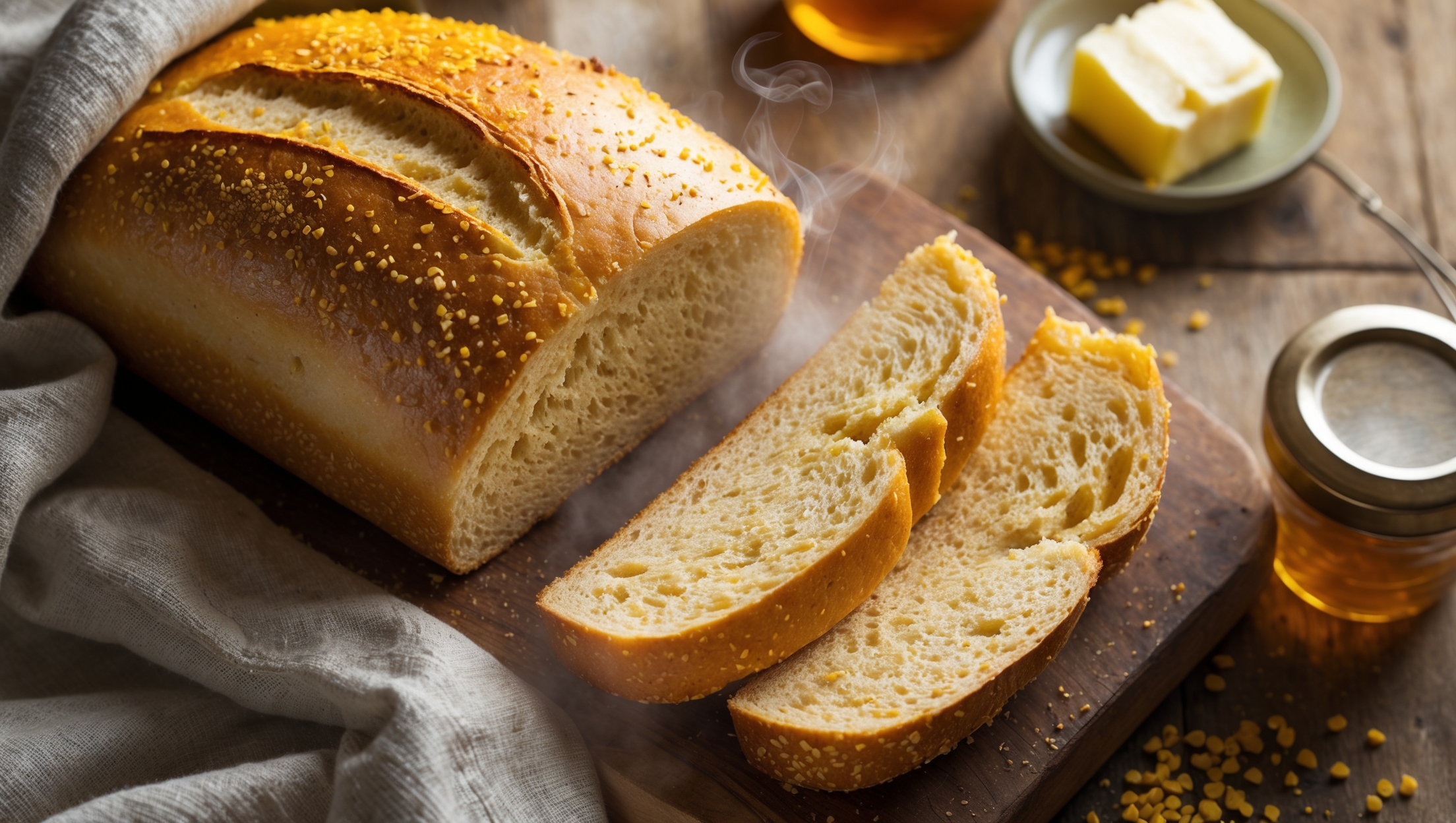
Directions
<ol class="no-list-style"><li class="MethodStepper"><h4 class="step-title">Step 1</h4>Begin by preparing your sun-dried tomatoes. If using oil-packed tomatoes, drain them well and pat dry with paper towels before chopping into small pieces. If using dry-packed tomatoes, rehydrate them in warm water for 10 minutes, then drain, pat dry, and chop. This preparation ensures your tomatoes will distribute evenly throughout the dough without making it too wet.</li><li class="MethodStepper"><h4 class="step-title">Step 2</h4>In a large mixing bowl, combine the bread flour, salt, and sugar, whisking to distribute the ingredients evenly. In a separate small bowl, mix the warm water (40°C) with the active dry yeast and a pinch of the sugar. Let it stand for 5-10 minutes until frothy – this confirms your yeast is alive and active.</li><li class="MethodStepper"><h4 class="step-title">Step 3</h4>Make a well in the center of your dry ingredients and pour in the activated yeast mixture and olive oil. Mix with a wooden spoon until a shaggy dough forms, then turn out onto a lightly floured surface. Knead the dough for 8-10 minutes until smooth and elastic. The gluten development is crucial here – properly developed gluten will trap gas bubbles during fermentation, creating that perfect bread texture.</li><li class="MethodStepper"><h4 class="step-title">Step 4</h4>Flatten the dough into a rough rectangle and scatter the chopped sun-dried tomatoes, minced garlic, herbs, and Parmesan (if using) over the surface. Fold the dough over these ingredients and continue kneading for another 2-3 minutes to distribute them evenly throughout. You're looking for a marbled effect rather than completely homogeneous dough.</li><li class="MethodStepper"><h4 class="step-title">Step 5</h4>Shape the dough into a ball and place in a lightly oiled bowl, turning once to coat all sides. Cover with a damp cloth or plastic wrap and let rise in a warm, draft-free place for 1-1.5 hours, or until doubled in size. The oil from the tomatoes may cause this dough to rise slightly more slowly than plain bread, so be patient.</li><li class="MethodStepper"><h4 class="step-title">Step 6</h4>Once doubled, gently punch down the dough to release excess air bubbles. Turn onto a lightly floured surface and shape into your preferred loaf form – a round boule or an oval batard both work well. Place on a parchment-lined baking sheet or in a floured proofing basket. Cover again and allow to rise for another 45-60 minutes until noticeably puffy.</li><li class="MethodStepper"><h4 class="step-title">Step 7</h4>While the dough is on its second rise, preheat your oven to 220°C (425°F). If using a Dutch oven, place it in the oven to preheat as well. A hot baking vessel creates immediate steam when the dough is added, contributing to a better oven spring and a crispier crust.</li><li class="MethodStepper"><h4 class="step-title">Step 8</h4>Just before baking, use a sharp knife or bread lame to score the top of your loaf with a few shallow cuts. This allows for controlled expansion during baking and creates that beautiful artisanal appearance. If using a Dutch oven, carefully transfer your dough to the preheated pot, cover with the lid, and return to the oven.</li><li class="MethodStepper"><h4 class="step-title">Step 9</h4>Bake covered for 20 minutes, then remove the lid and continue baking for another 15-20 minutes until the loaf is golden brown and sounds hollow when tapped on the bottom. If baking on a sheet, mist the oven with water when you put the bread in, and again after 5 minutes to create steam. Your bread should reach an internal temperature of about 93°C (200°F) when fully baked.</li><li class="MethodStepper"><h4 class="step-title">Step 10</h4>Transfer your freshly baked sun-dried tomato bread to a wire rack and resist the temptation to slice it immediately. Allow it to cool for at least 1 hour – this resting period is when the interior structure sets and flavors develop. Cutting too soon can result in a gummy texture and lost moisture. The wait will be worth it, I promise!</li></ol>