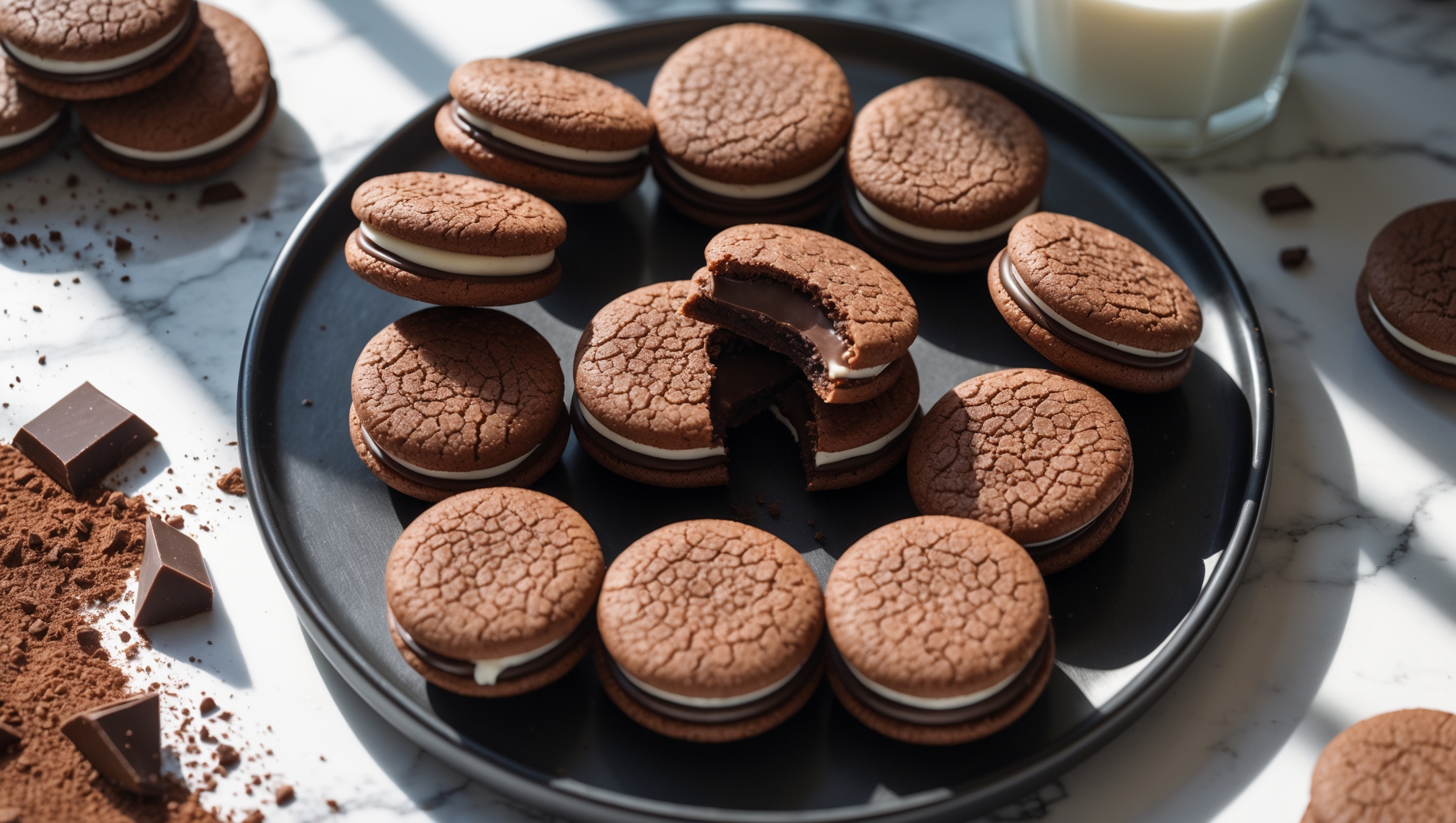
Directions
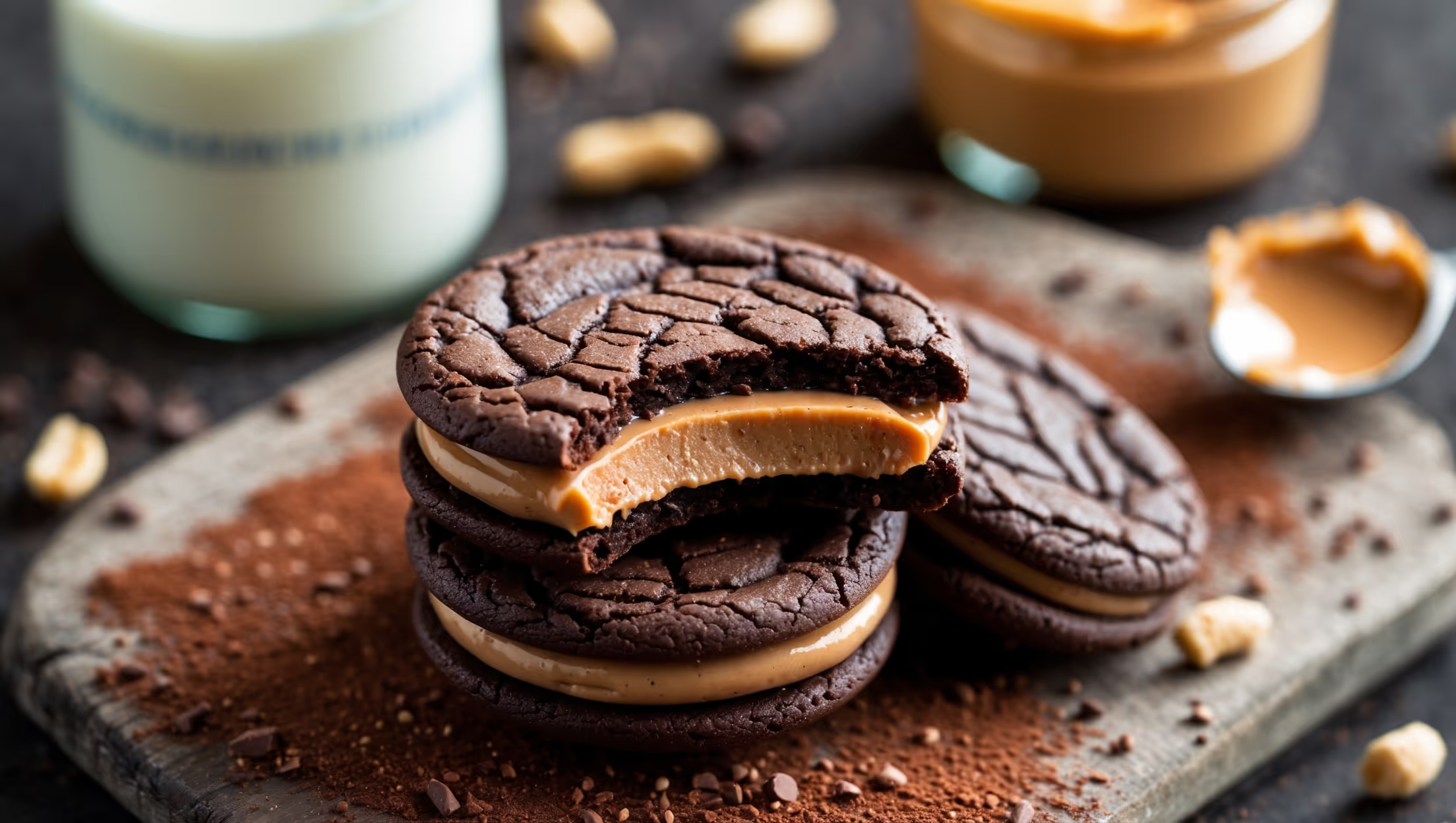
<ol class="no-list-style"> <li class="MethodStepper"> <h4 class="step-title">Step 1</h4> Preheat your oven to 180°C (350°F) and line two baking sheets with parchment paper or silicone mats. In a medium bowl, whisk together the flour, cocoa powder, baking soda, and salt. The cocoa powder not only contributes flavor but also helps create that rich, slightly fudgy texture that mimics the chocolate coating of a peanut butter cup. </li> <li class="MethodStepper"> <h4 class="step-title">Step 2</h4> In a stand mixer fitted with the paddle attachment (or using a hand mixer), cream together the butter, granulated sugar, and brown sugar on medium-high speed for 3-4 minutes until light and fluffy. This extended beating incorporates air into the batter, creating a better cookie texture and ensuring the sugars properly dissolve. The mixture should lighten in color and appear somewhat whipped. </li> <li class="MethodStepper"> <h4 class="step-title">Step 3</h4> Add the egg and vanilla extract to the butter-sugar mixture and beat until fully incorporated and smooth, about 1 minute. Scrape down the sides of the bowl to ensure everything is evenly mixed. </li> <li class="MethodStepper"> <h4 class="step-title">Step 4</h4> With the mixer on low speed, gradually add the flour mixture to the wet ingredients until just combined. Be careful not to overmix; stop when no dry streaks remain but before the gluten develops too much, which would make your cookies tough rather than tender. The dough will be quite thick and slightly sticky. </li> <li class="MethodStepper"> <h4 class="step-title">Step 5</h4> Chill the dough for at least 30 minutes (or up to 24 hours). This rest time allows the flour to fully hydrate and the fats to solidify, which prevents excessive spreading during baking and intensifies the chocolate flavor. </li> <li class="MethodStepper"> <h4 class="step-title">Step 6</h4> Roll the chilled dough on a lightly floured surface to about 5mm (1/4 inch) thickness. Use your round cookie cutter to cut out circles, placing them on the prepared baking sheets about 5cm (2 inches) apart. Re-roll scraps as needed. You should get approximately 24 cookies total (for 12 sandwiches). </li> <li class="MethodStepper"> <h4 class="step-title">Step 7</h4> Bake for 10-12 minutes until the edges are set but the centers still appear slightly soft. Don't overbake! The cookies will firm up as they cool, and keeping them slightly underbaked ensures they'll remain chewy rather than crisp. Let them cool on the baking sheets for 5 minutes before transferring to a wire rack to cool completely. </li> <li class="MethodStepper"> <h4 class="step-title">Step 8</h4> While the cookies cool, prepare the filling. In your mixer, beat together the peanut butter and butter until smooth and creamy, about 2 minutes. The fats need to be thoroughly combined for a smooth texture. Add the powdered sugar, vanilla extract, and salt, beating on low until incorporated, then increase to medium-high and beat for 2-3 minutes until light and fluffy. The filling should be thick enough to hold its shape but still spreadable. </li> <li class="MethodStepper"> <h4 class="step-title">Step 9</h4> Once cookies are completely cool, match them in pairs of similar size. Turn half the cookies bottom-side up. Using either a piping bag with a round tip or an offset spatula, apply about 1 tablespoon of filling to the center of each upturned cookie. The filling should be thick enough to create a generous layer but not so much that it will squeeze out excessively when sandwiched. </li> <li class="MethodStepper"> <h4 class="step-title">Step 10</h4> Gently press the remaining cookies, bottom-side down, onto the filling to create sandwiches. Apply just enough pressure to spread the filling toward the edges without forcing it out. If the filling is too soft, refrigerate the assembled cookies for 15-20 minutes to allow the filling to set up. </li> <li class="MethodStepper"> <h4 class="step-title">Step 11</h4> Store your peanut butter cup sandwich cookies in an airtight container at room temperature for up to 3 days, or refrigerate for up to a week. For the best texture and flavor, let refrigerated cookies come to room temperature for about 15 minutes before serving. </li> </ol>