Directions
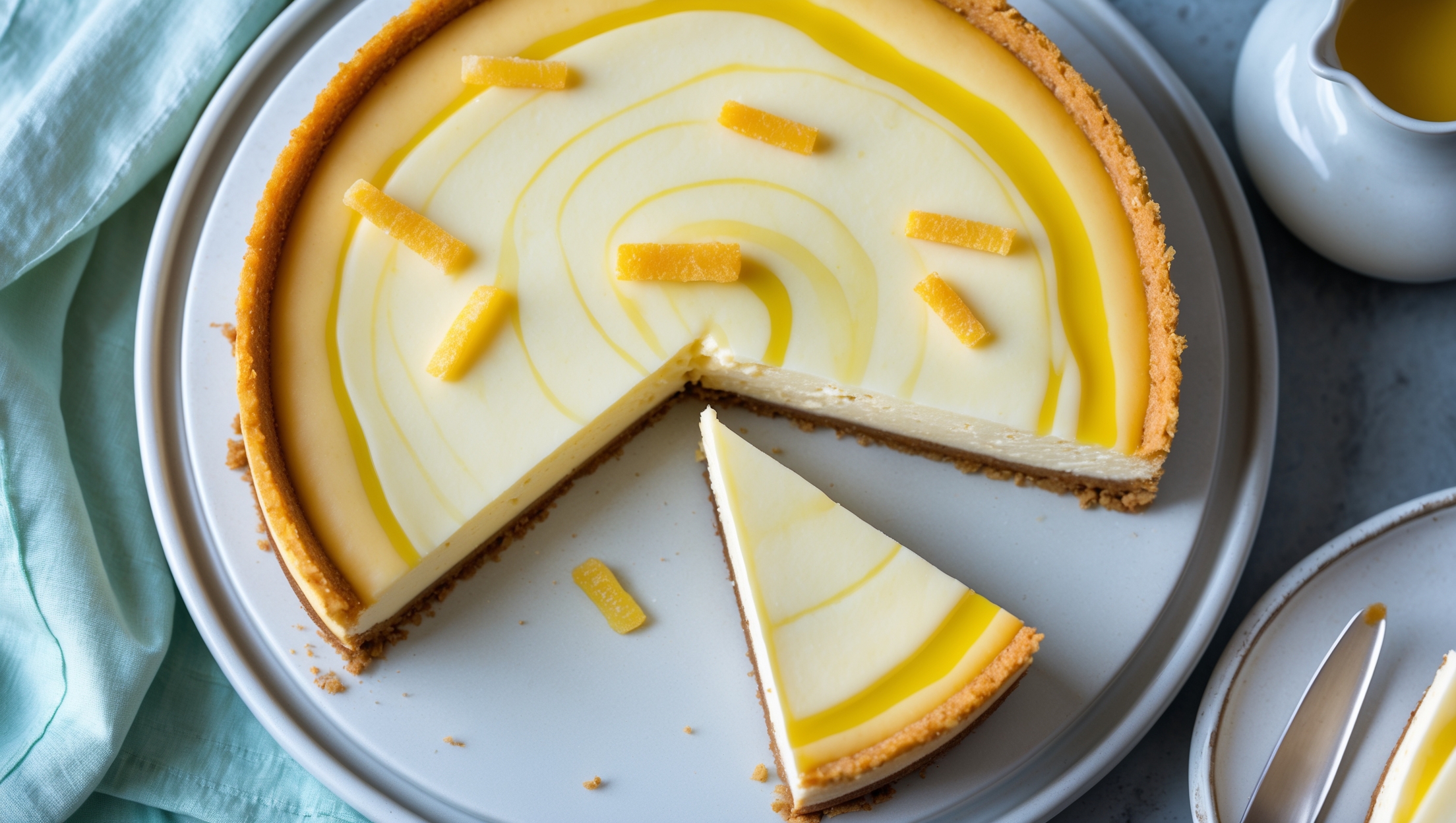
<ol class="no-list-style"><li class="MethodStepper"><h4 class="step-title">Step 1</h4>Preheat your oven to 160°C (325°F) and position a rack in the lower third of the oven. Wrap the outside of your springform pan with two layers of heavy-duty aluminum foil, making sure it comes at least halfway up the sides to prevent any water from seeping in during baking.</li><li class="MethodStepper"><h4 class="step-title">Step 2</h4>For the crust, pulse the gingersnap biscuits in a food processor until finely ground. Add melted butter, sugar, and salt, then pulse until the mixture resembles wet sand. Press firmly into the bottom and slightly up the sides of your prepared springform pan, using the bottom of a glass to compact it evenly. Bake for 10 minutes until set and fragrant, then cool completely on a wire rack.</li><li class="MethodStepper"><h4 class="step-title">Step 3</h4>Reduce oven temperature to 150°C (300°F). In the bowl of your stand mixer fitted with the paddle attachment, beat the cream cheese on medium-low speed until completely smooth with no lumps, about 2-3 minutes. Scrape down the sides and bottom of the bowl thoroughly – this is crucial for a smooth cheesecake.</li><li class="MethodStepper"><h4 class="step-title">Step 4</h4>Gradually add sugar to the cream cheese and beat on medium speed until fully incorporated and the mixture looks silky, about 2 minutes. The gradual addition prevents the sugar crystals from creating air bubbles that could cause cracks during baking.</li><li class="MethodStepper"><h4 class="step-title">Step 5</h4>Add eggs one at a time, mixing on low speed just until each is incorporated. Over-beating at this stage can incorporate too much air, potentially causing the cheesecake to puff up then collapse. Add sour cream, lemon zest, lemon juice, grated ginger, and vanilla, mixing on low until just combined. Sprinkle the flour over the mixture and blend on low until incorporated, about 30 seconds.</li><li class="MethodStepper"><h4 class="step-title">Step 6</h4>Pour the filling into the cooled crust. Tap the pan gently on the counter a few times to release any air bubbles. Place the foil-wrapped springform pan in a large roasting dish. Fill the roasting dish with hot water until it reaches halfway up the sides of the springform pan. This water bath creates a gentle, humid environment that prevents the cheesecake from cracking and ensures even baking.</li><li class="MethodStepper"><h4 class="step-title">Step 7</h4>Bake for 60-75 minutes, until the edges are set but the center still has a slight wobble when gently shaken – it should jiggle like firm jelly. Do not check the cake too often as opening the oven door causes temperature fluctuations. The cheesecake will continue to set as it cools.</li><li class="MethodStepper"><h4 class="step-title">Step 8</h4>Turn off the oven, open the door slightly, and allow the cheesecake to cool gradually in the oven for 1 hour. This slow cooling further prevents cracks from forming due to sudden temperature changes. Remove from the water bath, peel away the foil, and cool completely on a wire rack for another hour.</li><li class="MethodStepper"><h4 class="step-title">Step 9</h4>For the optional topping, mix sour cream, sugar, and lemon zest in a bowl. Spread over the cooled cheesecake and sprinkle with crystallized ginger. Refrigerate, uncovered, for at least 6 hours or preferably overnight. The extended chilling time allows the flavors to meld beautifully and ensures the perfect texture.</li><li class="MethodStepper"><h4 class="step-title">Step 10</h4>To serve, run a thin knife around the edge of the pan before releasing the springform clasp. For clean slices, dip your knife in hot water and wipe dry between cuts. Your Ginger Lemon Cheesecake will keep in the refrigerator for up to 5 days, covered in plastic wrap once completely chilled.</li></ol>