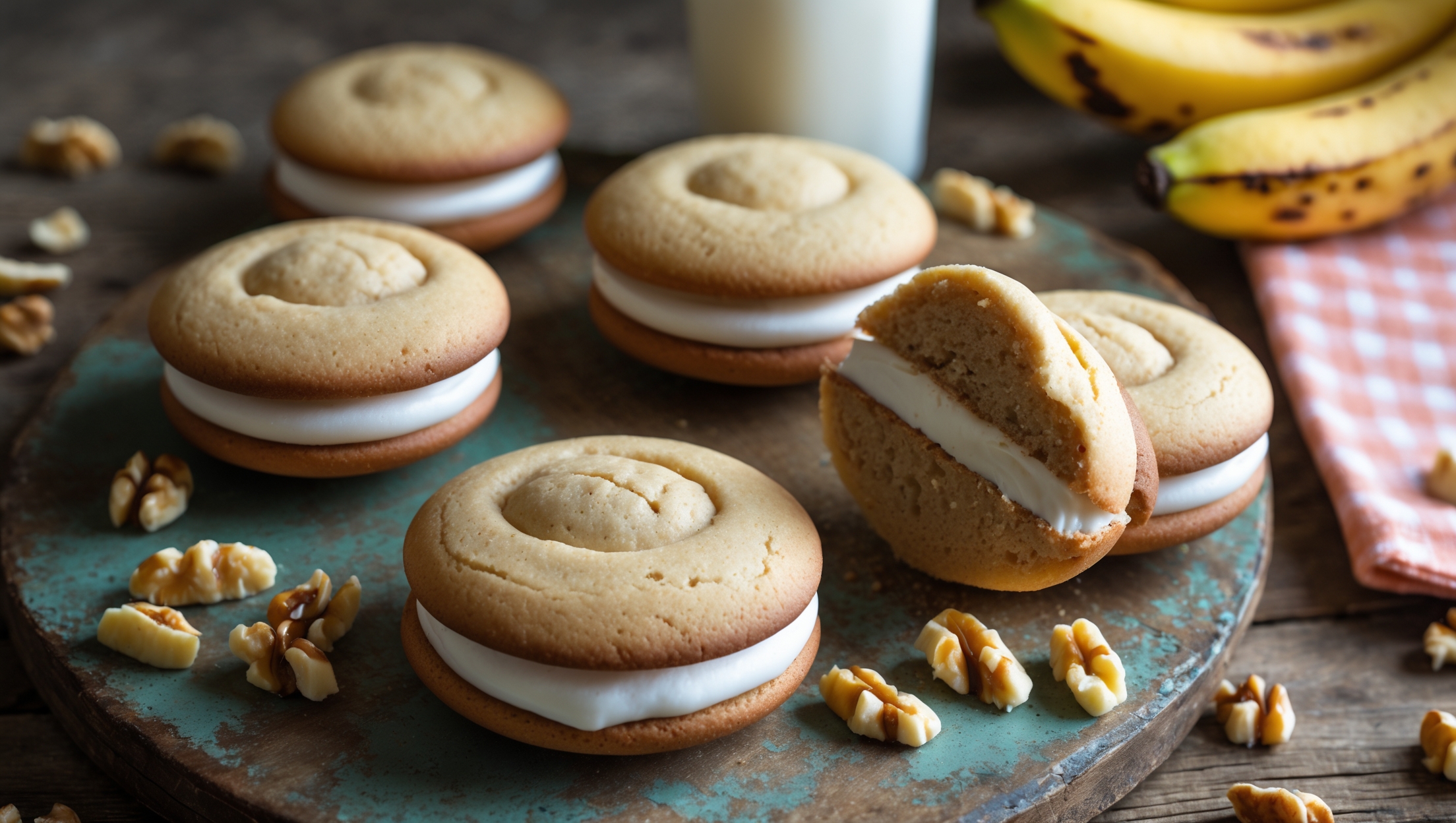
Directions
<ol class="no-list-style"><li class="MethodStepper"><h4 class="step-title">Step 1</h4>Begin by placing your can of coconut milk in the refrigerator overnight or for at least 6 hours. This will allow the cream to separate and solidify at the top, which we'll use for our filling later. Preheat your oven to 180°C (160°C fan) and line two baking sheets with parchment paper.</li><li class="MethodStepper"><h4 class="step-title">Step 2</h4>In a large bowl or stand mixer, beat the butter and sugar together for about 3-4 minutes until pale and fluffy. This extended beating incorporates air into the dough which helps create that perfect shortbread texture – light yet crisp.</li><li class="MethodStepper"><h4 class="step-title">Step 3</h4>Add the egg, vanilla extract, and coconut extract (if using) to the butter mixture and beat until well combined, scraping down the sides of the bowl as needed. Don't worry if the mixture looks slightly curdled at this stage.</li><li class="MethodStepper"><h4 class="step-title">Step 4</h4>In a separate bowl, whisk together the flour, desiccated coconut, and salt. Gradually add this dry mixture to the wet ingredients, mixing on low speed until just combined. Be careful not to overmix, which would develop the gluten and result in tough cookies rather than tender ones.</li><li class="MethodStepper"><h4 class="step-title">Step 5</h4>Turn the dough out onto a lightly floured surface and gently knead a few times to bring it together. Divide into two equal portions and roll each portion between two sheets of parchment paper to about 5mm thickness. If the dough feels too soft to work with, refrigerate for 15-20 minutes until firmer.</li><li class="MethodStepper"><h4 class="step-title">Step 6</h4>Using your round cookie cutter, cut out as many circles as possible from the rolled dough. Place them on the prepared baking sheets, spacing them about 2cm apart (they won't spread much). Gather the scraps, re-roll, and cut more cookies until all dough is used.</li><li class="MethodStepper"><h4 class="step-title">Step 7</h4>Bake the cookies for 10-12 minutes, or until the edges are just beginning to turn golden. They should remain quite pale overall. Allow them to cool on the baking sheets for 5 minutes before transferring to a wire rack to cool completely. The cookies will firm up as they cool.</li><li class="MethodStepper"><h4 class="step-title">Step 8</h4>While the cookies cool, prepare the coconut cream filling. Open your refrigerated can of coconut milk and carefully scoop out the solid cream from the top, measuring out 60ml. In a mixing bowl, beat the butter until smooth and creamy, about 2 minutes.</li><li class="MethodStepper"><h4 class="step-title">Step 9</h4>Gradually add the sifted powdered sugar to the butter, mixing on low speed to avoid a sugar cloud, then increase to medium-high and beat until light and fluffy, about 3 minutes. Add the coconut cream, vanilla extract, coconut extract (if using), and pinch of salt, then beat for another 2-3 minutes until the filling is smooth, white, and holds its shape. If it seems too soft, refrigerate for 15-20 minutes.</li><li class="MethodStepper"><h4 class="step-title">Step 10</h4>To assemble the sandwich cookies, turn half of the cookies upside down. Either pipe or spread about a tablespoon of the coconut cream filling onto each upside-down cookie, then gently press another cookie on top, right side up, to create sandwiches. Press just until the filling reaches the edges without squeezing it out.</li><li class="MethodStepper"><h4 class="step-title">Step 11</h4>For the best flavor development, let the assembled cookies rest at room temperature for about 30 minutes before serving, allowing the filling to set and the flavors to meld together. Store any leftovers in an airtight container in the refrigerator for up to 4 days, but bring to room temperature before serving for the best texture and flavor experience.</li></ol>