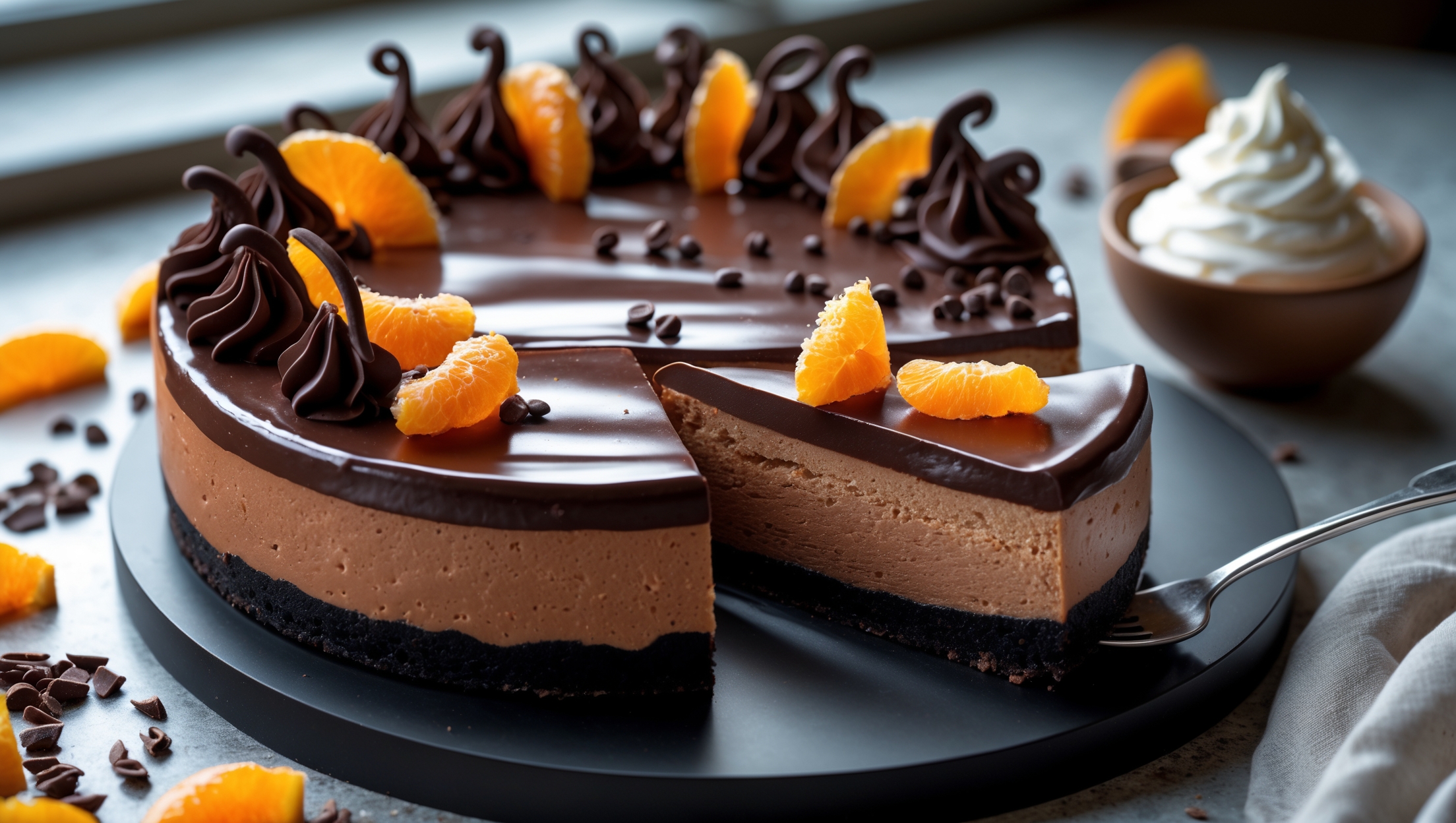
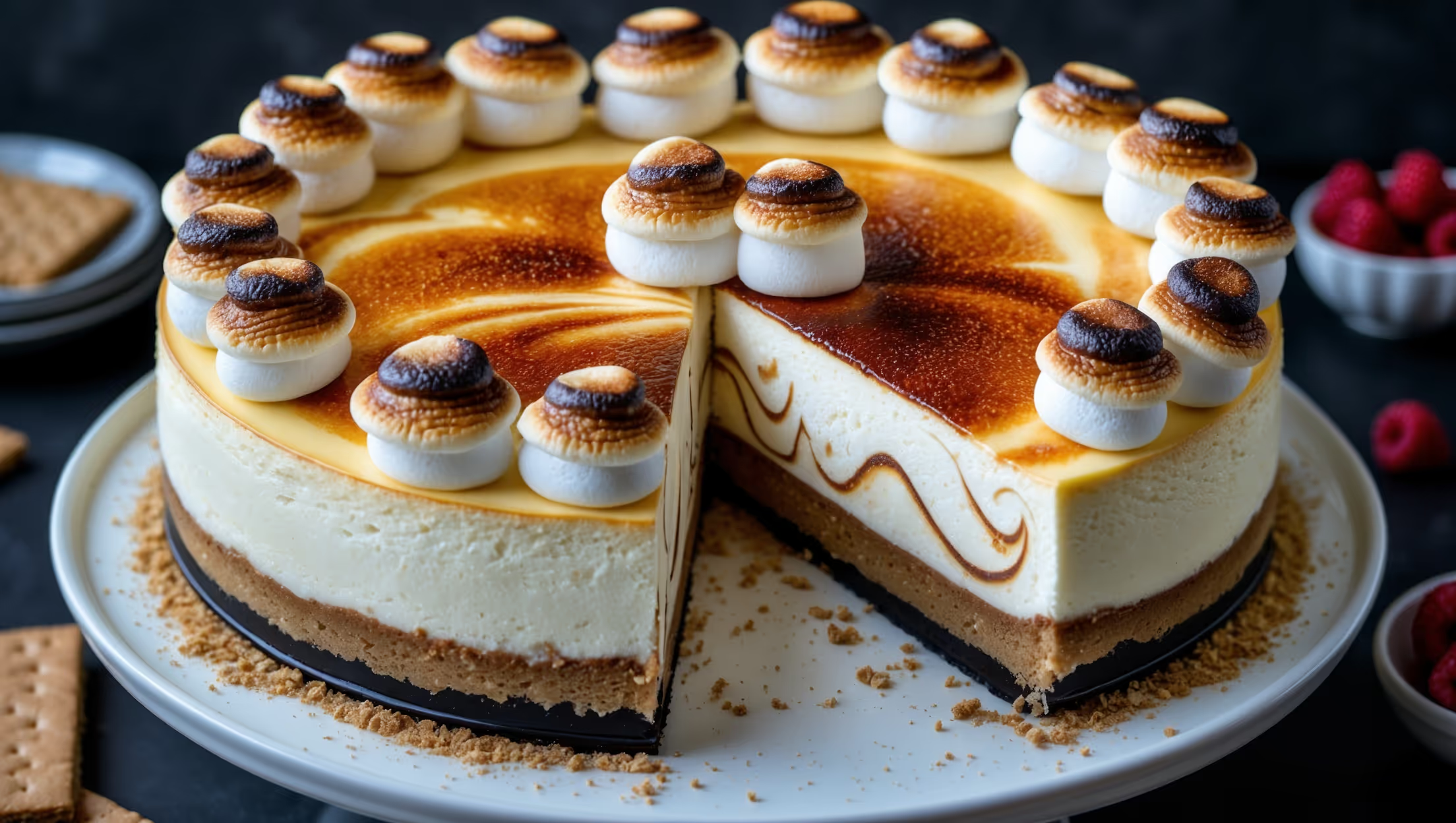
Directions
<ol class="no-list-style"><li class="MethodStepper"><h4 class="step-title">Step 1</h4>Begin by preparing your ricotta the night before. Line a fine mesh sieve with cheesecloth, add the ricotta for both the filling and topping, and place over a bowl. Cover and refrigerate overnight to drain excess moisture – this prevents a watery cheesecake filling.</li><li class="MethodStepper"><h4 class="step-title">Step 2</h4>Preheat your oven to 160°C fan-forced. Wrap the outside of a 23cm springform pan with two layers of heavy-duty aluminum foil, ensuring it comes at least 5cm up the sides to create a waterproof seal for the water bath later.</li><li class="MethodStepper"><h4 class="step-title">Step 3</h4>For the crust, pulse cannoli shells in a food processor until they form fine crumbs. If using digestive biscuits, add the extra cinnamon to replicate cannoli flavor. Mix crumbs with melted butter, sugar, and cinnamon until it resembles wet sand. Press firmly into the bottom and 2cm up the sides of your springform pan, creating a slight lip. The butter acts as a binder, ensuring your crust holds together when sliced.</li><li class="MethodStepper"><h4 class="step-title">Step 4</h4>Bake the crust for 10 minutes until lightly golden and fragrant. The pre-baking step creates a barrier that prevents the filling from making the crust soggy. Cool completely on a wire rack while you prepare the filling.</li><li class="MethodStepper"><h4 class="step-title">Step 5</h4>Reduce oven temperature to 150°C. In your stand mixer with the paddle attachment, beat cream cheese and strained ricotta on medium-low speed until completely smooth with no lumps, about 3-4 minutes. Scrape down the bowl thoroughly between additions. Low speed mixing prevents incorporating excess air, which can cause cracks.</li><li class="MethodStepper"><h4 class="step-title">Step 6</h4>Add mascarpone and beat just until combined. Mascarpone adds richness while maintaining the authentic cannoli flavor profile. Add sugar gradually and beat until just incorporated – overmixing with sugar can cause the cheesecake to rise too much and then collapse.</li><li class="MethodStepper"><h4 class="step-title">Step 7</h4>Add eggs one at a time, mixing on low speed just until each disappears into the batter. Eggs provide structure and stability to your cheesecake, but incorporating them gently prevents excess air. Mix in vanilla extract and orange zest – these flavor notes are subtle but essential for authentic cannoli flavor.</li><li class="MethodStepper"><h4 class="step-title">Step 8</h4>Fold in mini chocolate chips by hand using a spatula. Coating them lightly in flour before adding can help prevent them from sinking to the bottom during baking. Pour filling into the cooled crust and smooth the top with an offset spatula.</li><li class="MethodStepper"><h4 class="step-title">Step 9</h4>Place the foil-wrapped springform pan in a large roasting pan. Pour hot water into the roasting pan until it reaches halfway up the sides of the springform. This water bath creates gentle, even heat and adds humidity to prevent cracking and ensure silky texture.</li><li class="MethodStepper"><h4 class="step-title">Step 10</h4>Bake for 65-70 minutes until the edges are set but the center still has a slight wobble – it should move as one unit when gently shaken, similar to set gelatin. The internal temperature should reach about 65-68°C when tested with a thermometer. Never bake a cheesecake until completely firm in the center as it will continue cooking from residual heat.</li><li class="MethodStepper"><h4 class="step-title">Step 11</h4>Turn off the oven, crack the door open slightly, and let the cheesecake cool in the oven for 1 hour. This gradual cooling prevents the dramatic temperature change that can cause cracks. Remove from the water bath, peel off the foil, and cool completely on a wire rack.</li><li class="MethodStepper"><h4 class="step-title">Step 12</h4>Refrigerate the cheesecake uncovered for at least 8 hours or overnight to fully set. The extended chilling time allows flavors to meld and the texture to become perfect.</li><li class="MethodStepper"><h4 class="step-title">Step 13</h4>For the topping, whisk together the strained ricotta, powdered sugar, and vanilla until smooth and creamy. Spread over the chilled cheesecake or transfer to a piping bag with a star tip and pipe decorative swirls around the edge.</li><li class="MethodStepper"><h4 class="step-title">Step 14</h4>Sprinkle with mini chocolate chips and chopped pistachios if using. Dust lightly with powdered sugar just before serving. For the cleanest slices, dip your knife in hot water and wipe dry between cuts. Your Cannoli Cheesecake will keep refrigerated for up to 5 days, though the crust will gradually soften over time.</li></ol>