Directions
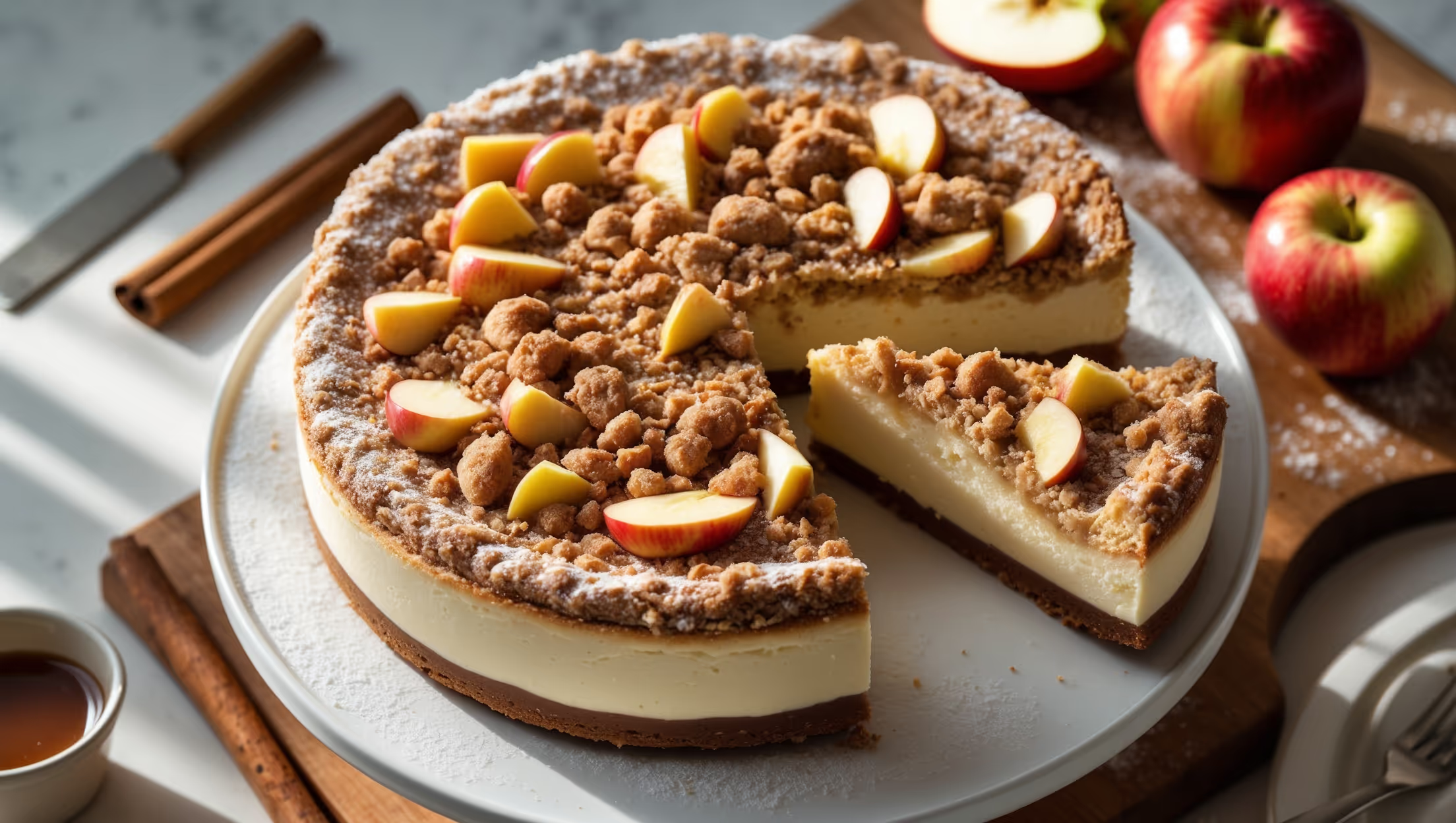
<ol class="no-list-style"><li class="MethodStepper"><h4 class="step-title">Step 1</h4>Preheat your oven to 160°C (325°F). Place an oven rack in the lower third position. Wrap the outside of a 23cm springform pan with a double layer of heavy-duty aluminum foil, making sure it comes at least 5cm up the sides to create a watertight seal. This crucial step prevents water from seeping into your cheesecake during baking.</li><li class="MethodStepper"><h4 class="step-title">Step 2</h4>For the crust, pulse graham crackers in a food processor until finely ground (or place in a sealed bag and crush with a rolling pin). Mix the crumbs with melted butter, sugar, cinnamon, and salt until the mixture resembles wet sand. Press firmly into the bottom and about 2.5cm up the sides of your prepared pan, using a flat-bottomed glass to compact it evenly. Bake for 10 minutes until lightly golden, then remove and let cool while preparing the filling. This pre-baking step creates a sturdier base that won't become soggy.</li><li class="MethodStepper"><h4 class="step-title">Step 3</h4>Reduce oven temperature to 150°C (300°F). In a large bowl, beat cream cheese on medium-low speed until completely smooth with no lumps, about 2 minutes. Stop and scrape down the bowl several times during mixing. It's essential to start with room temperature cream cheese to prevent lumps that can't be beaten out later.</li><li class="MethodStepper"><h4 class="step-title">Step 4</h4>Gradually add sugar to the cream cheese and beat until smooth and creamy. Add eggs one at a time, mixing just until integrated after each addition—overbeating after adding eggs incorporates too much air, which can cause cracks. Mix in vanilla extract, then fold in the sour cream and flour by hand until just combined. The flour helps stabilize the filling and prevents it from becoming too runny.</li><li class="MethodStepper"><h4 class="step-title">Step 5</h4>Pour the filling into the cooled crust and smooth the top with a spatula. Place the springform pan in a large roasting tin. Pour hot water into the roasting tin until it reaches halfway up the sides of the springform pan. This water bath creates a gentle, humid environment that helps your cheesecake bake evenly and prevents cracking.</li><li class="MethodStepper"><h4 class="step-title">Step 6</h4>Bake for 1 hour to 1 hour 10 minutes, or until the edges are set but the center still has a slight wobble when the pan is gently shaken. The internal temperature should reach about 65-70°C (150-160°F) when measured with an instant-read thermometer. Turn off the oven, crack the door open slightly, and allow the cheesecake to cool gradually for 1 hour. This slow cooling process prevents the dramatic temperature change that often leads to cracks.</li><li class="MethodStepper"><h4 class="step-title">Step 7</h4>While the cheesecake is cooling, prepare the apple topping. In a large skillet, melt butter over medium heat. Add sliced apples, brown sugar, cinnamon, nutmeg, and lemon juice. Cook, stirring occasionally, for about 10 minutes until apples are tender but not mushy. Mix cornstarch with 1 tablespoon of water to create a slurry, then stir into the apple mixture. Cook for another minute until the sauce thickens slightly. Remove from heat and let cool completely.</li><li class="MethodStepper"><h4 class="step-title">Step 8</h4>Once the cheesecake has cooled for an hour in the oven, remove it from the water bath, carefully peel off the foil, and transfer to a wire rack to cool completely at room temperature, about 2 hours. The cake will continue to set during this time.</li><li class="MethodStepper"><h4 class="step-title">Step 9</h4>Once the cheesecake has cooled completely, arrange the cooled apple mixture on top in an attractive pattern, gently pressing the apples into the surface. You can create a spiral design starting from the outside edge, or arrange apple slices in concentric circles—be creative! If there's excess sauce, drizzle it decoratively over the top.</li><li class="MethodStepper"><h4 class="step-title">Step 10</h4>Refrigerate the cheesecake for at least 6 hours, preferably overnight. This resting time allows the flavors to meld and the texture to become perfectly creamy. When ready to serve, run a thin knife around the edge of the pan before releasing the springform sides. For the cleanest slices, dip a sharp knife in hot water and wipe dry between cuts. Serve chilled, perhaps with a small dollop of whipped cream or a drizzle of caramel sauce for an extra special touch.</li></ol>