On this page
A beautiful apple dessert starts before you mix the filling or preheat the oven: it starts with the apples you bring home. Some soften into a silky sauce. Others keep distinct, tender slices even after a long bake. And two apples that look almost identical at the grocery store can behave very differently inside a pie.
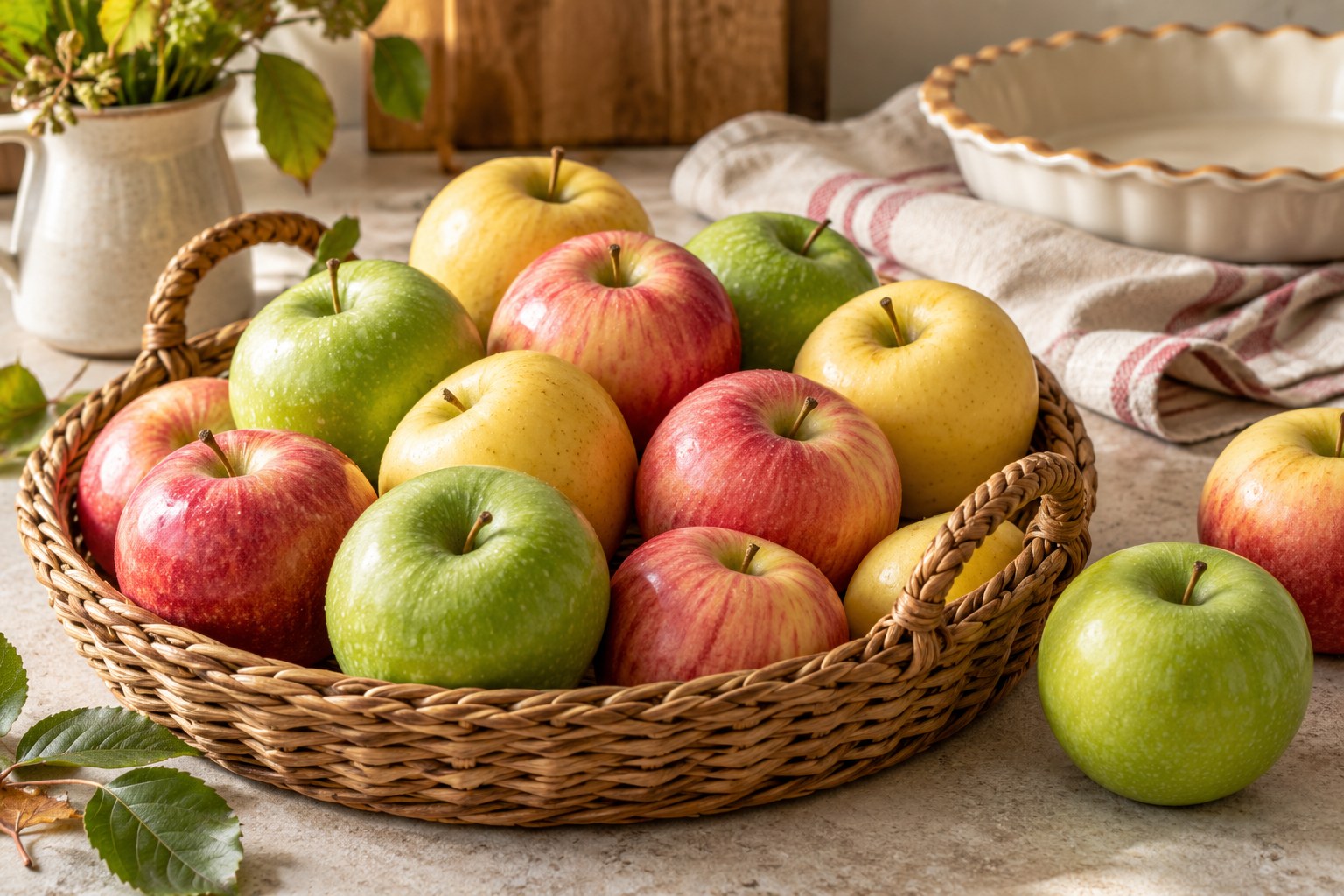
The best all-purpose baking apples are firm and flavourful, with enough acidity to balance a sweet dessert. Granny Smith, Honeycrisp, Pink Lady (Cripps Pink), and Braeburn are dependable places to start. But the best apple for a pie is not necessarily the best for applesauce, and a sweet, softer apple can be lovely in a quick muffin.
Here is how to choose apples by dessert, combine varieties for better flavour, and avoid watery fillings or disappointing textures.
Quick answer: which apples are best for baking?
If you are standing in the produce aisle and need a fast choice, start here:
| What you're baking | Good apple choices | Why they work |
|---|---|---|
| Apple pie or galette | Granny Smith, Pink Lady, Braeburn, Honeycrisp | Firm slices with pronounced apple flavour |
| Apple crisp or crumble | Granny Smith + Honeycrisp; Braeburn; Golden Delicious | Tender fruit beneath a crisp topping, with some texture left |
| Apple cake or loaf | Granny Smith, Pink Lady, Golden Delicious, Gala | Distinct apple pieces or gentle sweetness, depending on the batter |
| Apple muffins | Pink Lady, Gala, Honeycrisp, Granny Smith | Small cubes soften without overwhelming the crumb |
| Whole baked apples | Honeycrisp, Pink Lady, Braeburn, Golden Delicious | Fruit that can become tender while broadly holding its shape |
| Applesauce or apple butter | McIntosh, Cortland, Golden Delicious | Softer or readily breaking-down flesh is useful here |
If you can only buy two types, try Granny Smith and Honeycrisp together. The former supplies bright tartness and structure; the latter brings sweetness and a fragrant apple flavour. Adjust to what is fresh and available locally rather than treating one combination as mandatory.
What actually makes an apple good for baking?
1. Texture after heat
A raw apple's crunch is a useful clue, but the real question is how its flesh changes in the oven. For a pie, you often want slices that turn tender but remain recognizable. For a soft filling or applesauce, fruit that collapses is an advantage. A crisp, firm apple generally offers more flexibility for pastries that bake for a long time.
2. Sweetness and acidity
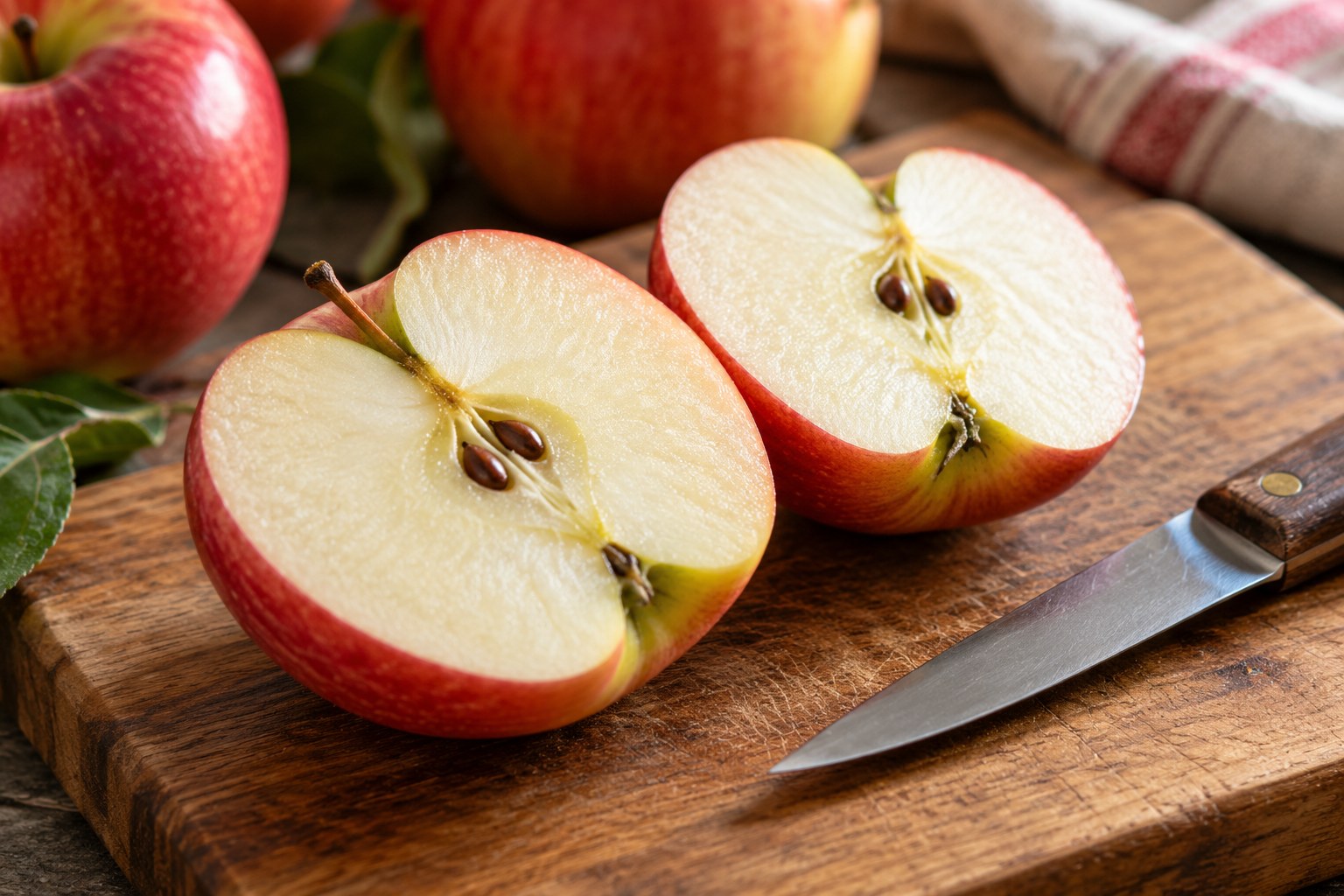
Baked desserts commonly contain sugar, so an apple with noticeable tartness helps keep the finished dish from tasting flat. Very sweet apples can still work—especially in lightly sweetened cakes—but they may need a brighter partner. Taste an uncooked wedge before deciding how much sugar or lemon to use.
3. Juiciness
Apples naturally release liquid during baking. A very juicy variety is not automatically a poor baking apple, but extra liquid can leave pie filling loose if the recipe isn't designed for it. Slice thickness, the amount of fruit, starch or flour thickener, and whether the filling is cooked ahead also affect the result.
4. Freshness and ripeness
Even a reliable baking variety performs differently when the fruit has become soft or mealy in storage. Look for apples that feel firm and heavy, without extensive bruising or shrivelling. A soft apple can still be useful for compote, provided it is sound and not spoiled.
Seven useful baking apples and when to choose them
Granny Smith: the tart, sturdy classic
Granny Smith apples are crisp, distinctly tart and widely available. They soften while generally preserving enough shape for pie, galettes, crisps and baked slices. They are especially helpful when the recipe already includes plenty of sugar or a sweet topping.
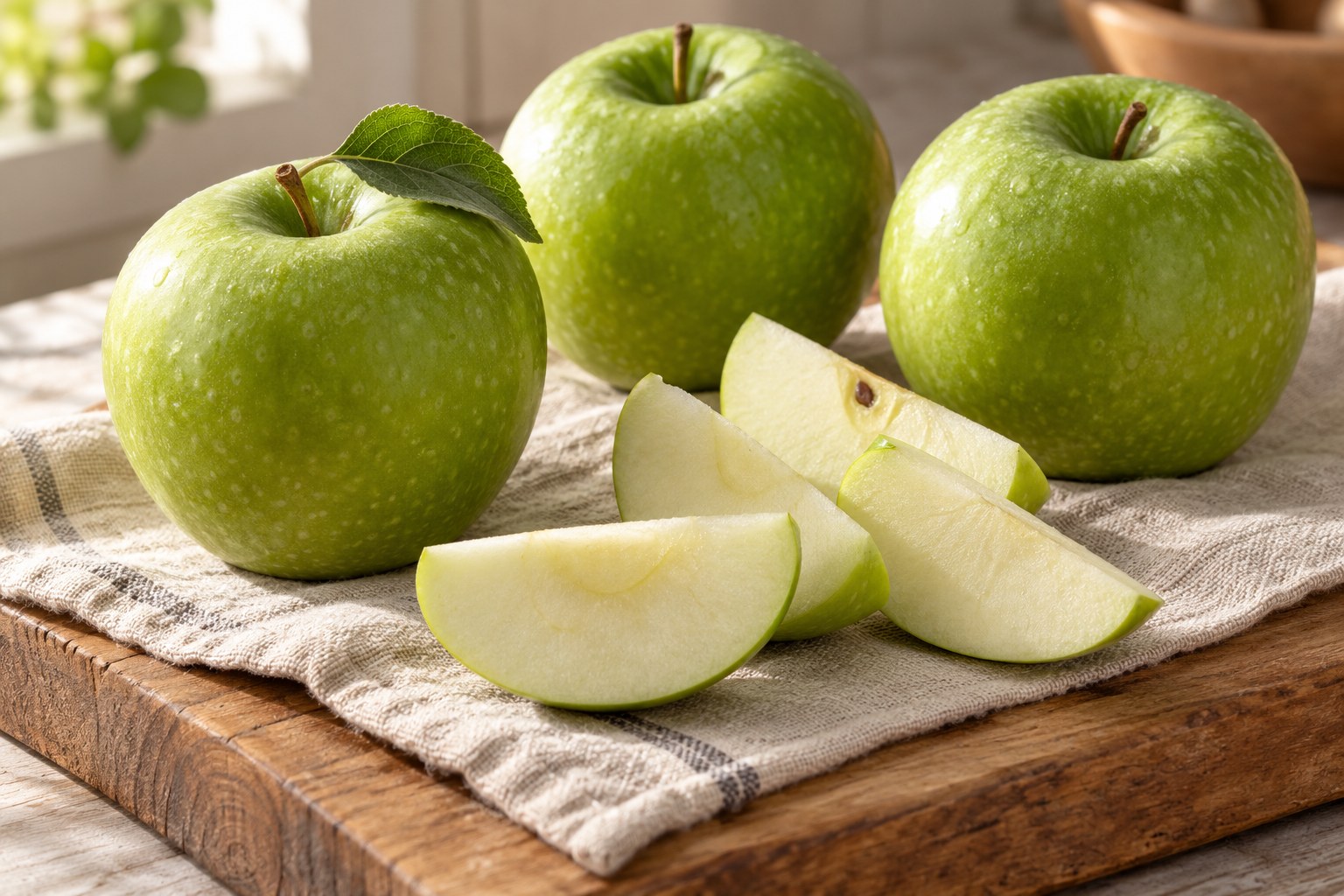
Best in: traditional apple pie, apple crisp, caramel-apple desserts and pastries. Pair them with a sweeter apple if you want a rounder, less tart filling. Our gluten-free apple crisp specifically offers Granny Smith as an option.
Honeycrisp: sweet, fragrant and versatile
Honeycrisp brings a juicy, aromatic sweetness while still performing well in many baked desserts. It works especially well when you want recognizable apple slices without a strongly sour finish. Because it's juicy, follow the recipe's thickening and cooling instructions carefully.
Best in: pie mixes, crisps, baked apples and fruit-forward tarts. In a sweeter recipe, use less added sugar only after considering the original formula.
Pink Lady / Cripps Pink: sweet-tart with good bite
Pink Lady apples—commonly sold under that name for the Cripps Pink variety—offer lively acidity, sweetness and firmness. They're a useful middle ground if Granny Smith tastes too tart on its own.
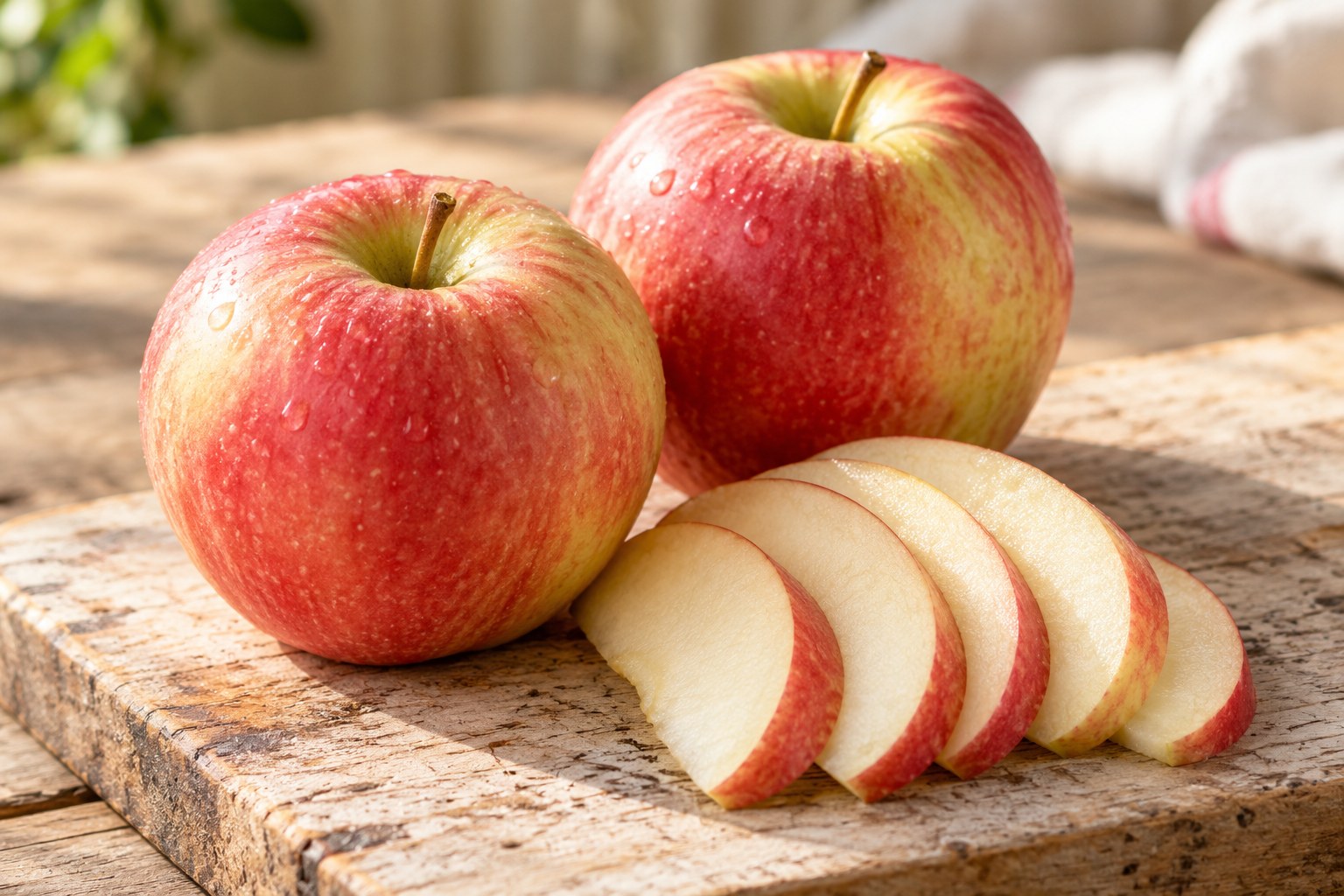
Best in: galettes, pies, apple cakes, muffins and decorative apple slices. Their firm flesh is particularly helpful when you want slices to remain visible on top of a tart.
Braeburn: aromatic and spice-friendly
Braeburn apples have a concentrated apple taste and a pleasant sweet-tart profile. Their flavour holds up well beside cinnamon, ginger and nutmeg without becoming lost in the dessert.
Best in: apple pie, crumble, autumn cakes and spiced baked fruit. Our apple crisp recipe also lists Braeburn as an option.
Golden Delicious: mellow and gently sweet
Despite the similar name, Golden Delicious is not the same as Red Delicious. Golden Delicious can be a useful baking apple when you want mild, sweet fruit that becomes tender but retains some structure. It is often lovely in a blend with a more assertive variety.
Best in: apple cakes, crisps, baked apples and softer pie fillings. Its mildness makes it a partner to something tart, like Granny Smith.
Jonagold: a balanced alternative
Jonagold is a cross between Jonathan and Golden Delicious. Its sweet-tart flavour works well in many cooked apple desserts, and it may be worth choosing at a farm stand when the fruit is freshly picked and firm.
Best in: apple cake, tarts and mixed-apple pie filling. Availability varies more than for supermarket standards.
McIntosh: wonderful when you want the fruit to soften
McIntosh apples are familiar across Canada, but they generally break down more readily during cooking than Granny Smith or Pink Lady. That makes them less ideal for a pie meant to show distinct slices—and excellent when you want a softer, almost saucy texture.
Best in: applesauce, compote, apple butter and softer fillings. They can be combined with firmer apples when you want a blend of textures.
Best apples for apple pie
For a pie with recognisable, tender slices, choose firm fruit and a balanced mix of sweet and tart flavours. Granny Smith and Pink Lady are dependable foundations; Honeycrisp and Braeburn add sweetness or complexity.
Try roughly half tart, firm apples and half sweeter baking apples as a starting point, not a strict rule. Keep the slice thickness reasonably consistent so the filling cooks evenly. If your recipe specifies an apple variety and amount, follow those directions on the first bake.
A recipe may also rely on a particular amount of thickener or a rest after baking. Apple variety is only one part of preventing watery pie. The apple-blackberry pie and apple crumble cream pie on What's Baking? are useful examples of fruit fillings that need attention to moisture and structure.

Best apples for apple crisps and crumbles
A crisp is more forgiving than a lattice pie: the fruit is under a crumbly topping instead of enclosed in pastry. You can use a single sturdy variety or a blend, depending on whether you prefer well-defined slices or a softer, jammy layer.
Choose Granny Smith or Braeburn for a bright, structured base; Honeycrisp or Golden Delicious for more mellow sweetness. Avoid leaving very thick slices under a fully browned topping: the topping may look ready before the fruit is tender.
For an example of a filling and topping working together, see our gluten-free apple crisp, which calls for sliced apples, lemon and a thickener beneath an oat topping.

Best apples for apple cakes and quick breads
Cakes and muffins need apples that contribute flavour without making the crumb soggy. Firm varieties are reliable, but small pieces of a slightly softer sweet apple can be perfectly fine when a recipe is built for them.
For a substantial apple cake, try Pink Lady, Granny Smith or Golden Delicious. For muffins, Gala or Honeycrisp may also work well, especially diced into small, even pieces. The key is not to overload the batter with more fruit than specified.
Our mini muffins with banana, zucchini or apple use finely diced apple and cinnamon as one variation—an example of why cut size matters more than choosing the most expensive apple.

Should you peel apples before baking?
For most pies and smooth cakes, peeling gives a more even, tender texture. In a rustic galette, crisp or muffin, leaving the skin on can add colour and character—particularly when slices or cubes are small.
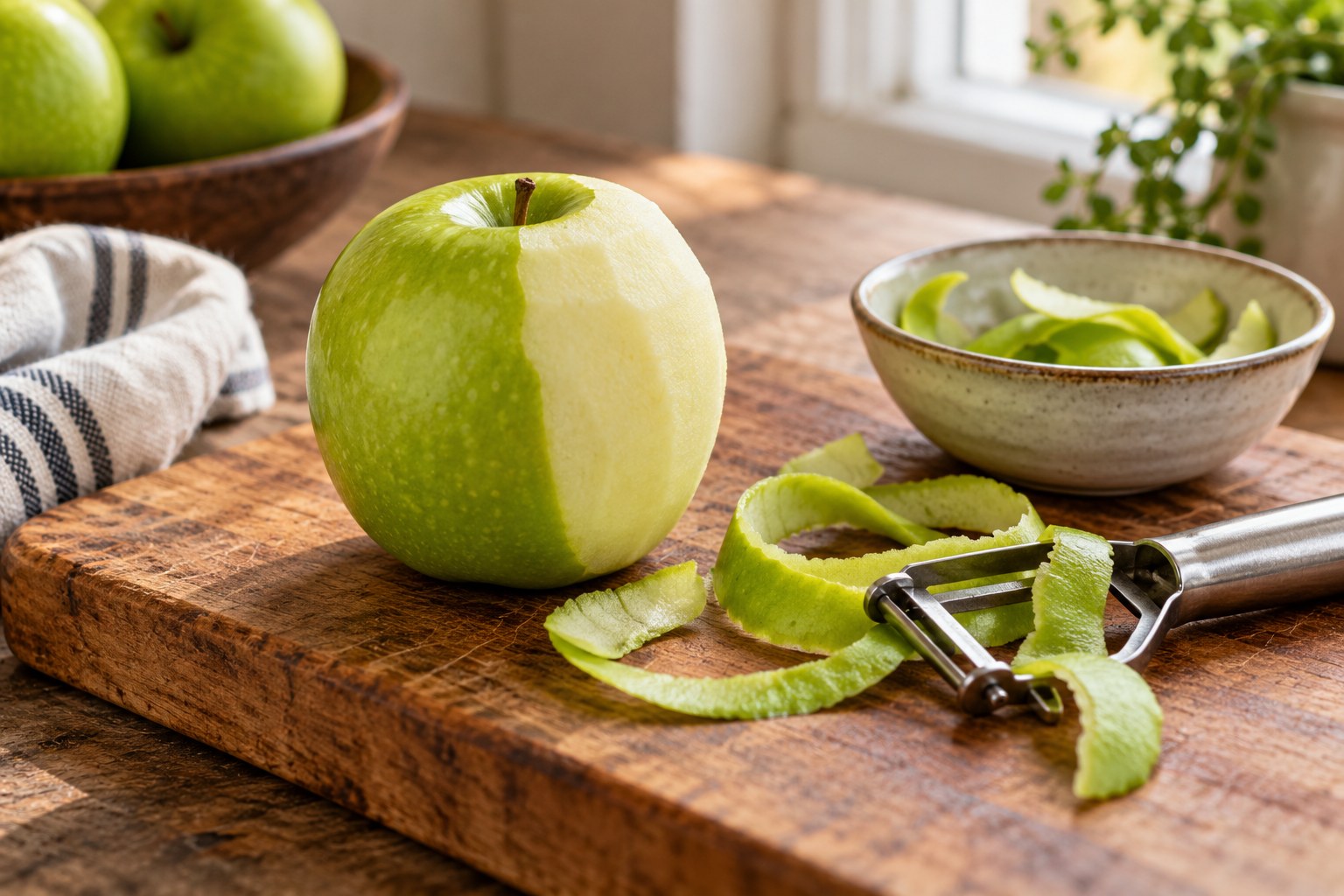
Consider the recipe, the apple's skin thickness and the finished texture you want. Wash fruit under running water before cutting it. If you keep the peel, remove damaged areas and make the pieces small enough to eat comfortably.
Does mixing apple varieties really make a difference?
It can. Combining two apples lets you build both flavour and texture: one may offer tartness and firm slices, while the other brings aroma and sweetness. But mixing varieties is optional. A pie made entirely with fresh, suitable Granny Smith apples can be excellent.
When experimenting, keep other variables steady. Use the recipe's total apple weight and cut size, then note whether the mixture was too firm, too soft or too sweet. That gives you a useful adjustment for next time without guessing.
How to prevent watery or mushy apple desserts
- Start with firm, sound apples for pies and tarts. Overripe fruit can collapse sooner.
- Slice uniformly. Thin slices soften faster than thick wedges.
- Measure the fruit. Extra apples add extra liquid; do not increase the filling dramatically without adjusting the recipe.
- Respect the thickener and cooling instructions. A filling that looks bubbling and loose hot from the oven may set considerably as it cools.
- Do not overcook quick-bread fruit beforehand unless the recipe says to; cooked apple purée and raw diced apple bring different amounts of moisture.
- Match the apple to the dessert. McIntosh can be perfect for a soft compote while yielding a less distinct slice in a long-baked pie.
If you're preparing fruit well before baking, cover and refrigerate cut apples until needed. A little lemon juice may limit browning and brighten flavour, but it does not replace proper cold storage.
How to buy and store baking apples
Autumn often offers the widest choice of fresh, local apples in Canada and the northern United States. Buy the variety you want for the recipe, but prioritise freshness and quality over a specific label. An exceptionally firm local apple may be a better choice than a tired-looking imported favourite.
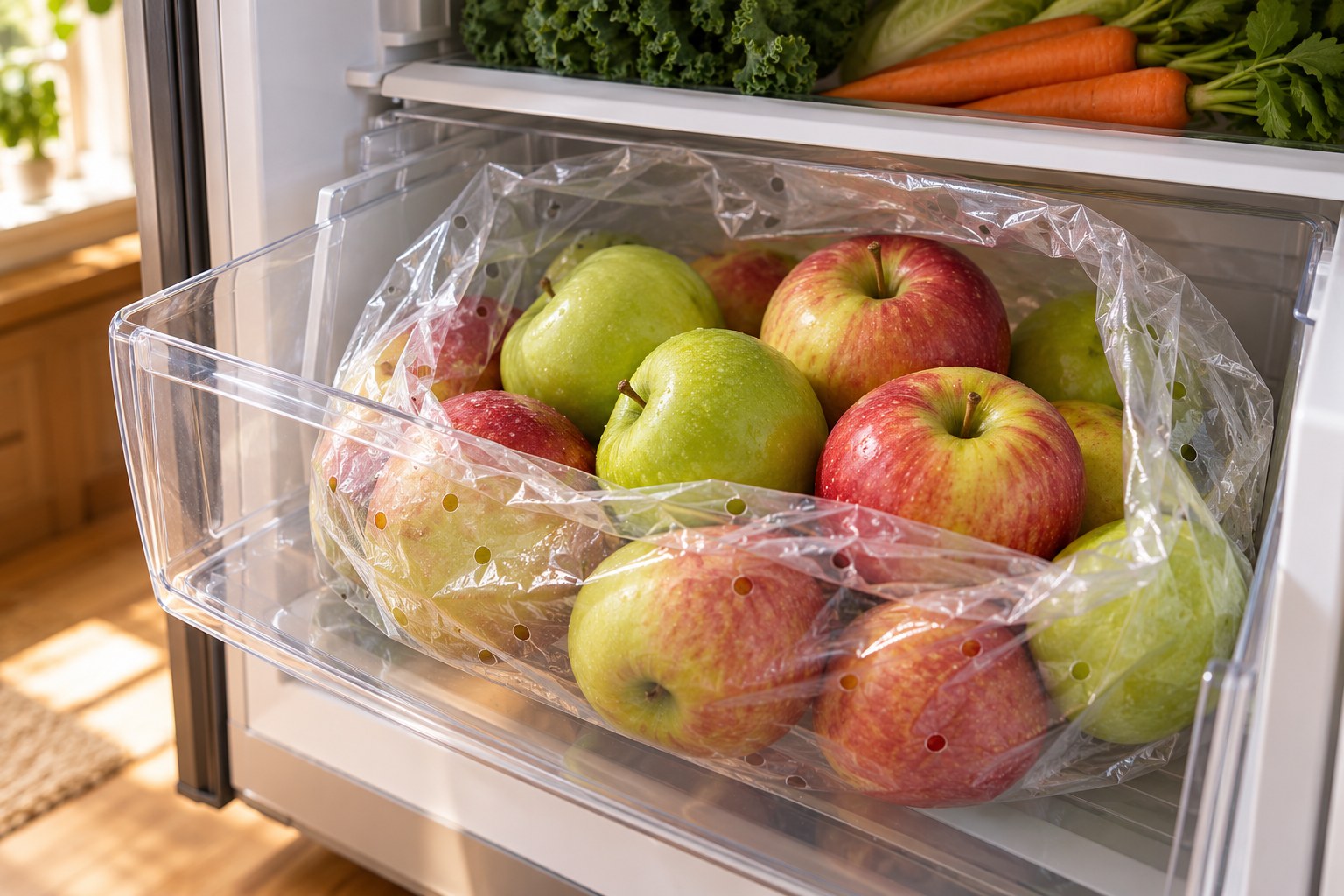
For keeping quality, store whole apples in the refrigerator's crisper drawer, ideally in a breathable or perforated produce bag. Wash them shortly before use rather than soaking them in advance, and check stored fruit periodically for spoilage.
Frequently asked questions
Can you use Gala apples for apple pie?
You can, but Gala often softens more than the firm varieties many bakers favour for distinct pie slices. It may be nicer mixed with Granny Smith or Pink Lady, or used in an apple cake, quick muffin or softer-style filling.
Are Honeycrisp apples too sweet for baking?
No. Honeycrisp apples bake well and have a strong, pleasant flavour. They're sweeter and juicy, so think about the sugar and thickener in your specific recipe rather than avoiding them.
Is Granny Smith always the best apple for baking?
Not always. It's a reliable all-rounder for pies, crisps and tarts, but other varieties can create a more fragrant, sweeter dessert. For applesauce, a softer cooking apple may be more useful.
Can I mix green and red apples in one pie?
Yes. Colour itself is not what matters; firmness, acidity, sweetness and how the fruit softens are more important. A blend of Granny Smith and Honeycrisp is a familiar starting point.
What if I only have soft apples?
Use them in a recipe where a softer texture is welcome, such as a cooked compote or applesauce. If the apples are spoiled, slimy or mouldy, discard them. For a neat, sliceable pie filling, seek firmer fruit.
Match the apple to the dessert rather than the colour of its skin
A pie, a crisp and a muffin each require something different from the fruit. Pie filling is most attractive when slices become tender without vanishing completely. A crisp benefits from spoonable pieces beneath a crunchy topping. A muffin requires small, consistently cut fruit that cooks before the batter dries out. That is why one apple cannot fairly be called the single best choice for every kind of baking.
Start with the recipe's description of the prepared fruit: peeled or unpeeled, finely diced or thinly sliced, cooked in advance or baked from raw. Those details often matter more than the photograph of an apple in a grocery advertisement. Even a traditionally firm variety can soften excessively if its slices are too thin or its baking time is too long.
Apple pie: keeping a pleasant bite beneath the pastry
For an apple pie with recognizable slices, firm and somewhat tart apples such as Granny Smith are a useful starting point. Pink Lady/Cripps Pink or Braeburn can add fragrant sweet-tart notes. You may prefer a combination of two varieties for contrast, but keep the total fruit weight called for by the pie recipe. Adding extra apples can crowd the crust and change how the filling thickens.
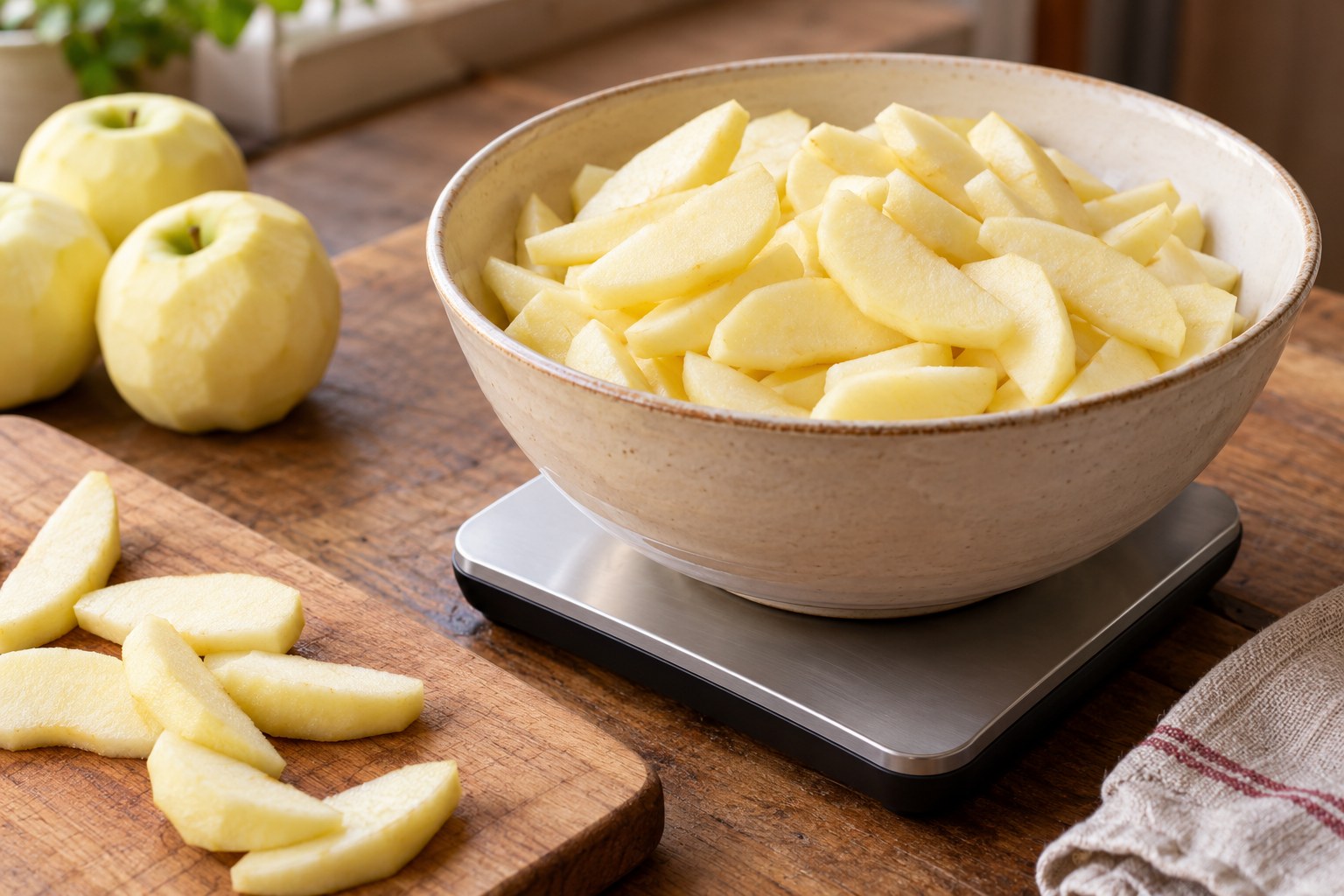
Cut apples as evenly as you can. Thick wedges may remain firm after the pastry browns, while very thin slices may turn sauce-like. Some recipes pre-cook their fruit, whereas others bake raw slices inside the crust; those approaches need different times and methods. Use the recipe's cut size and temperature rather than moving instructions indiscriminately from one style to another.
The What’s Baking? Apple Blackberry Pie uses 600 g of cooking apples, 250 g of blackberries, two sugars, lemon and cornstarch. Blackberries release substantial juice, so an all-apple pie and this mixed-fruit filling do not have identical moisture needs. A test substitution should preserve the combined fruit weight and be evaluated for how the filling sets.
Let a baked fruit pie cool as the recipe directs. A filling that is still bubbling-hot may spill out when sliced even if it was thickened properly. The final neatness of a wedge depends on cooling, pastry and fruit preparation as well as the cultivar you chose.
Apple crisp: a tender filling under a contrasting topping
A crisp is different from a pie because the fruit is exposed beneath a crumbly topping rather than sealed within pastry. The best result combines tender apples with a browned, textured top. A firm tart variety can be enjoyable on its own, but some bakers prefer mixing it with a sweeter apple that softens readily. Neither approach is compulsory if the original recipe already produces the texture you like.
Our Gluten-Free Apple Crisp specifically calls for one kilogram of Granny Smith or Braeburn apples, with cornstarch, lemon juice, cinnamon and nutmeg. The topping uses gluten-free oats and a gluten-free flour blend. If the dish is being prepared for someone with celiac disease or a serious allergy, checking packaged ingredient certification and preventing cross-contact is essential.
Use evenly sliced fruit and the appropriate baking-dish dimensions. A very deep mound of apple chunks can remain firm when the surface looks dark enough to serve. If the crumb topping browns early, follow recipe guidance for protecting the surface rather than increasing oven heat to force the centre to cook faster.
Apple muffins and cakes: cut size becomes part of the formula
Small muffins need finely diced fruit; large wedges may stay wet and make the crumb uneven. In a cake, thin slices might be arranged on top for presentation, while grated apples can blend into the crumb and contribute moisture. These forms are not equivalent substitutions because grating exposes much more surface area than dicing.
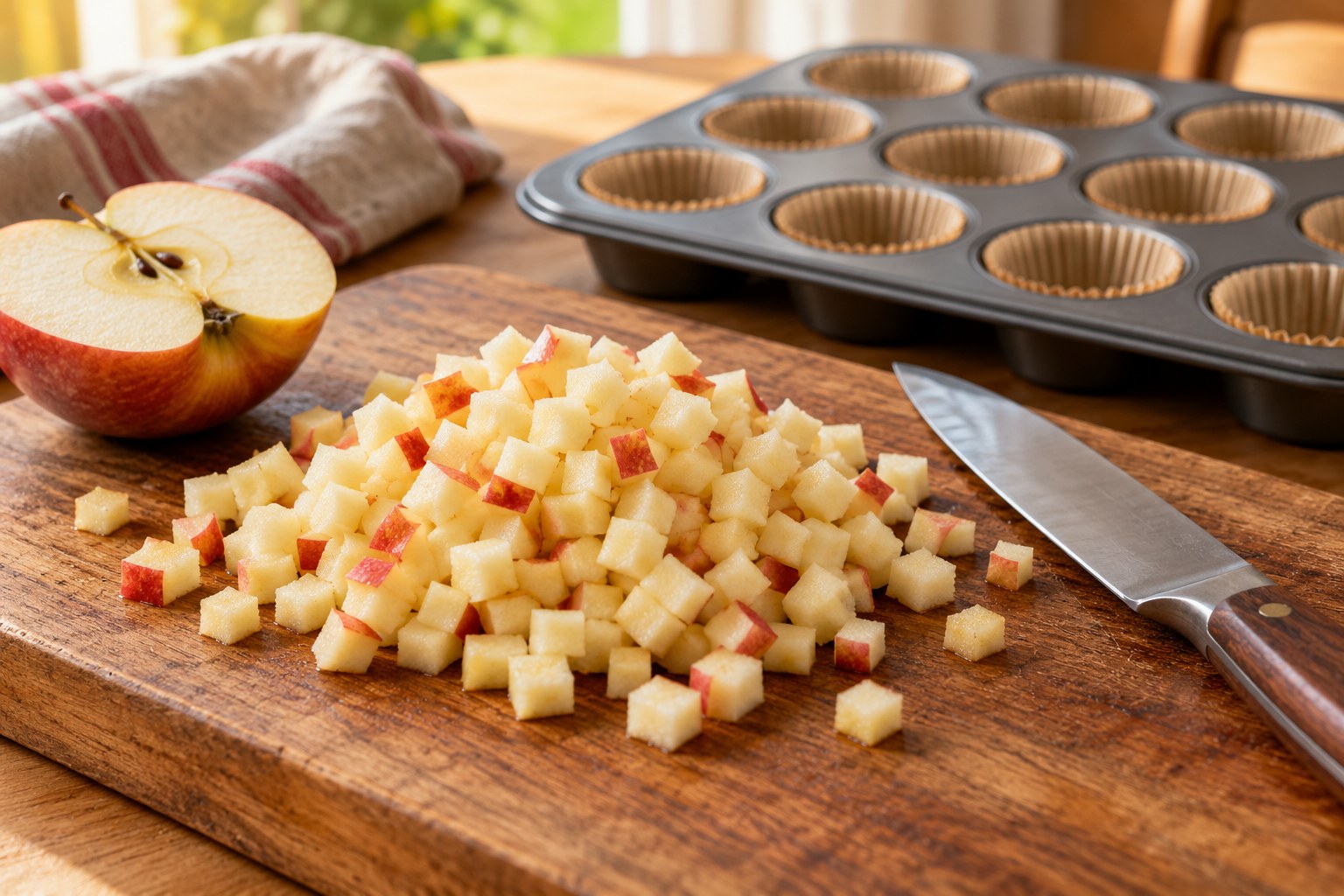
Our Mini Muffins (Banana, Zucchini, or Apple) specify one finely diced apple, about 150 g, for the apple variation, with cinnamon. The yield is thirty-six mini muffins across the three variations. Do not replace the fine dice with large pie wedges and expect the same brief baking time or tender texture.
When adding fruit to a flour batter, fold it in as the recipe directs. Overmixing many wheat-flour muffin batters can toughen the crumb. If an apple looks exceptionally juicy after cutting, this is a reason to pay attention to the recipe's tested quantities, not to add arbitrary flour or skip other liquid ingredients.
How to prepare fruit for consistent baking
Peel apples when the recipe requires a smooth filling or when the cooked skins would detract from the texture. Some rustic crisps intentionally keep peels for colour. Wash the fruit first, remove the core cleanly, and cut pieces as uniformly as possible. A mixture of large chunks and paper-thin slices will not cook evenly even if every piece came from the same apple.
Check whether a recipe gives the weight of whole apples or the weight after peeling and coring. One kilogram of whole fruit does not provide a kilogram of prepared slices. Buy enough to cover the difference, especially if several pies or muffins are being baked for an occasion.
Prepare sliced apples close to the mixing stage. Exposed cut surfaces can brown and lose quality. Lemon can slow visible browning and sharpen flavour, but do not add a large quantity when the recipe already has measured lemon juice or includes other tart fruits.
Why apple filling sometimes turns watery
Apples contain varying amounts of water, and the amount released changes with ripeness, storage and cooking. Sugar draws out liquid; chopping fruit into small pieces creates more exposed surface; and baking for too little time can leave a thickener underdeveloped. Those factors matter alongside apple variety.

Follow the recipe's starch quantity and look for its stated cues, including tender fruit and bubbling juices where applicable. Cornstarch, flour and other starches do not all thicken identically, and simply exchanging them spoon for spoon can change the result. A dessert that releases some juice when hot may become more stable as it cools.
For our apple-blackberry pie, remember that the berries have their own moisture. For the gluten-free crisp, keep the one-kilogram fruit measurement and its written thickening instructions in mind. A watery dessert is not automatically evidence of choosing the wrong apple; the pan, oven and method may contribute.
Three simple apple pairings to try
For a tart, structured pie
Try a majority of Granny Smith with a smaller portion of Pink Lady or another firm aromatic apple. Preserve the recipe's fruit weight and slice thickness. The aim is a bright filling with some pieces that remain distinct, not a claim that one pairing always gives a superior pie.
For a cozy autumn crisp
Start with Granny Smith or Braeburn as the linked recipe recommends. If you prefer more sweetness, replacing some of the fruit with an aromatic sweeter variety can be worth a small trial. Taste the fruit first and remember that the topping already includes sugar; do not double all the sweeteners without reason.
For finely diced fruit in a muffin
Choose a fresh apple that tastes pleasant on its own and can be diced neatly, such as Golden Delicious or another suitably firm sweet apple. Keep the 150 g measurement in the mini muffin recipe. Small, evenly distributed pieces are more important for that specific recipe than a dramatic flavour contrast between multiple apple types.
Buying and storing apples for an autumn baking weekend
Choose firm, sound apples without deep bruises, spreading soft patches or evidence of spoilage. A fresh alternative variety often performs better than a damaged apple sold under a celebrated baking name. Plan your total fruit requirements before shopping, including waste from peeling and coring.
Reserve the firmest fruit for pies with distinct slices, and use appropriate softer fruit for recipes that intentionally cook apples down. Keep apples under suitable storage conditions and wash just before preparation. Avoid preparing a large bowl of uncovered cut fruit hours before baking if the recipe does not call for this.
If the named apple is unavailable, choose a replacement with similar firmness, sweetness and acidity, then test it without also altering the sugar, thickener and oven temperature. Changing several variables at once makes it impossible to know why the dessert changed.
Additional apple baking FAQs
Do green apples always bake better?
No. Peel colour does not determine texture or flavour. Granny Smith is a familiar tart green baking apple, but other red or yellow varieties can also work well when selected for the intended dessert.
Should I mix apple varieties in every pie?
Not necessarily. A blend can create a more complex flavour, but a tested single-variety pie can be excellent. Match texture and fruit weight to the method rather than mixing fruit for its own sake.
What if my pie's apple slices are still firm?
Check the thickness of the slices, baking time and the recipe's indicators of a fully cooked filling. Do not judge only by the colour of the top crust.
Can frozen apples replace fresh ones?
Frozen fruit may release extra liquid and soften differently. Use a recipe developed for frozen apples or a tested adjustment, particularly where a crisp bottom crust matters.
Are very soft apples good for anything?
Apples that naturally cook down can be useful for compotes or sauces and for some recipes that want very tender fruit. Discard spoiled fruit, and avoid forcing very soft apples into a pie that specifically depends on firm slices.
A small apple test before a special-occasion dessert
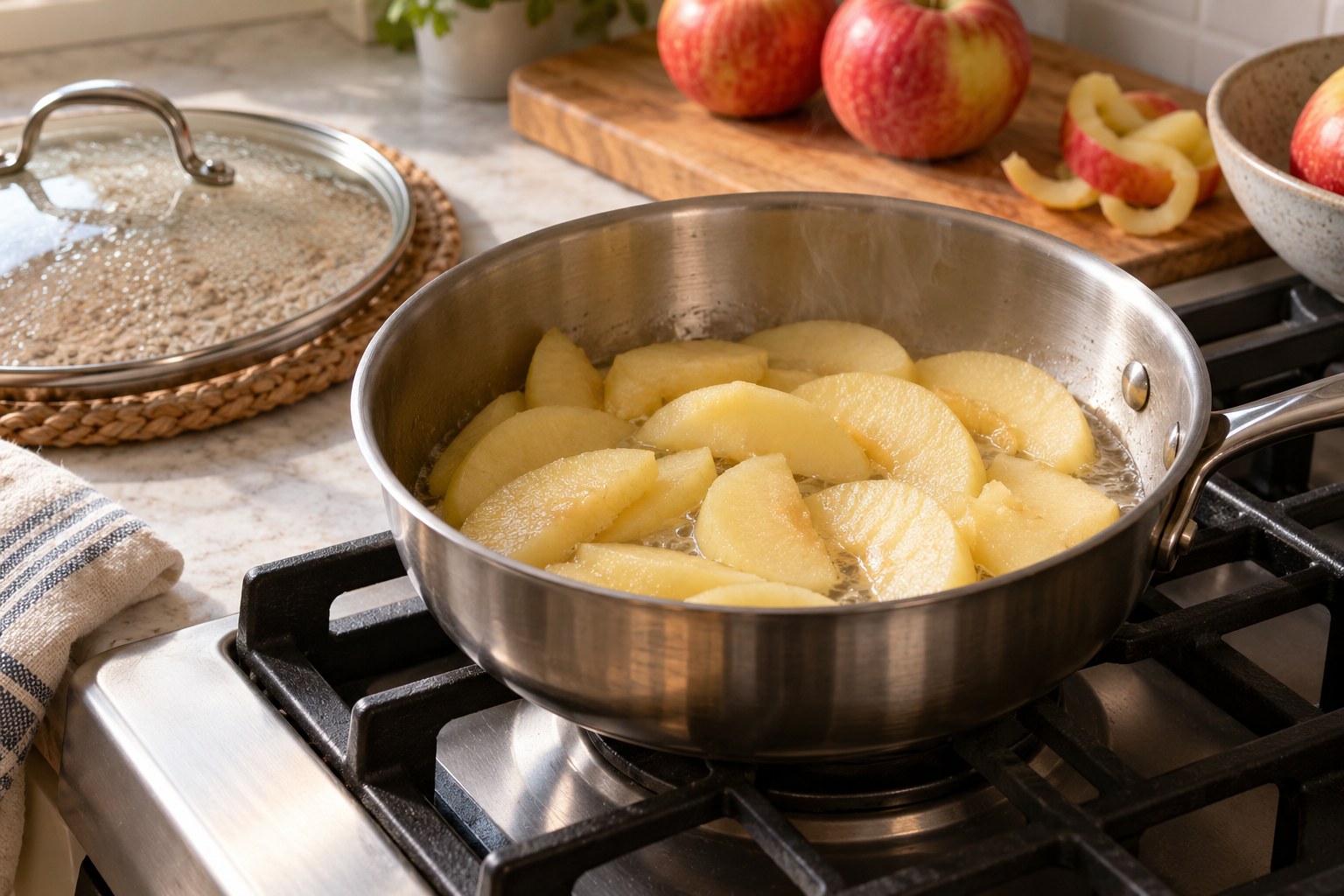
If you have never baked with a particular apple, experiment with a small portion rather than changing the fruit in a large holiday pie without a trial. Cut two or three apples into pieces of similar thickness and cook a few slices gently in a covered pan with a splash of water. Observe whether they hold their shape or become soft quickly, and taste their balance of acidity and sweetness. This is an informal test, not a substitute for the finished recipe, but it can help you choose between a structured pie filling and a dessert that welcomes softer fruit.
For a family gathering, a small test crisp is another practical option. Measure a fraction of the recipe ingredients consistently and keep the ratio of apple, thickener and topping intact. If you like the fruit texture but the dessert is too sweet, consult the original formula before reducing sugar, because sugar also affects browning and moisture. If the topping browned too soon, review the baking-dish depth and oven position before blaming the apple.
Final checklist for choosing baking apples
Before mixing, confirm whether the recipe means whole apples or prepared peeled and cored fruit, and buy enough to cover trimming. Check ripeness and firmness. Prepare the cut size the recipe actually specifies: slices for many pies, moderate pieces for crisp, and fine dice for mini muffins. Measure the total fruit weight, sugar and thickener rather than estimating by eye. Bake until the recipe's doneness cues are met, and allow the recommended cooling time so the filling can settle.
The most reliable improvement comes from changing one variable at a time. If a Granny Smith pie is too tart for your family, consider testing a partly sweeter apple blend. If a muffin is overly wet, check how finely the apple was cut and how much was added. Those observations will improve the next bake more than a blanket claim that one apple is best for every dessert.
The takeaway
There isn't one perfect apple for every dessert. For pies and galettes, choose firm apples such as Granny Smith, Pink Lady, Braeburn or Honeycrisp. For crisps, use a mix of firm and tender-cooking varieties. For cakes and muffins, think about diced-fruit moisture and the texture the recipe is designed to create.
Taste the apples, follow the recipe's fruit quantity, and choose freshness over perfection. With the right apple for the job, even a simple crumble or weeknight muffin tastes more distinctly like autumn.
IN PICTURES
From the baking notebook
FROM THE RECIPE BOX