On this page
A dependable thirty-minute dinner is more useful than a collection of complicated recipes labelled quick. The real advantage comes from having a flexible formula: choose a fast-cooking main component, a vegetable that can cook alongside it, a simple starch and one strong flavour. A little coordination makes all four finish together instead of leaving the rice ready while the chicken is still raw.
Start with the four-part formula
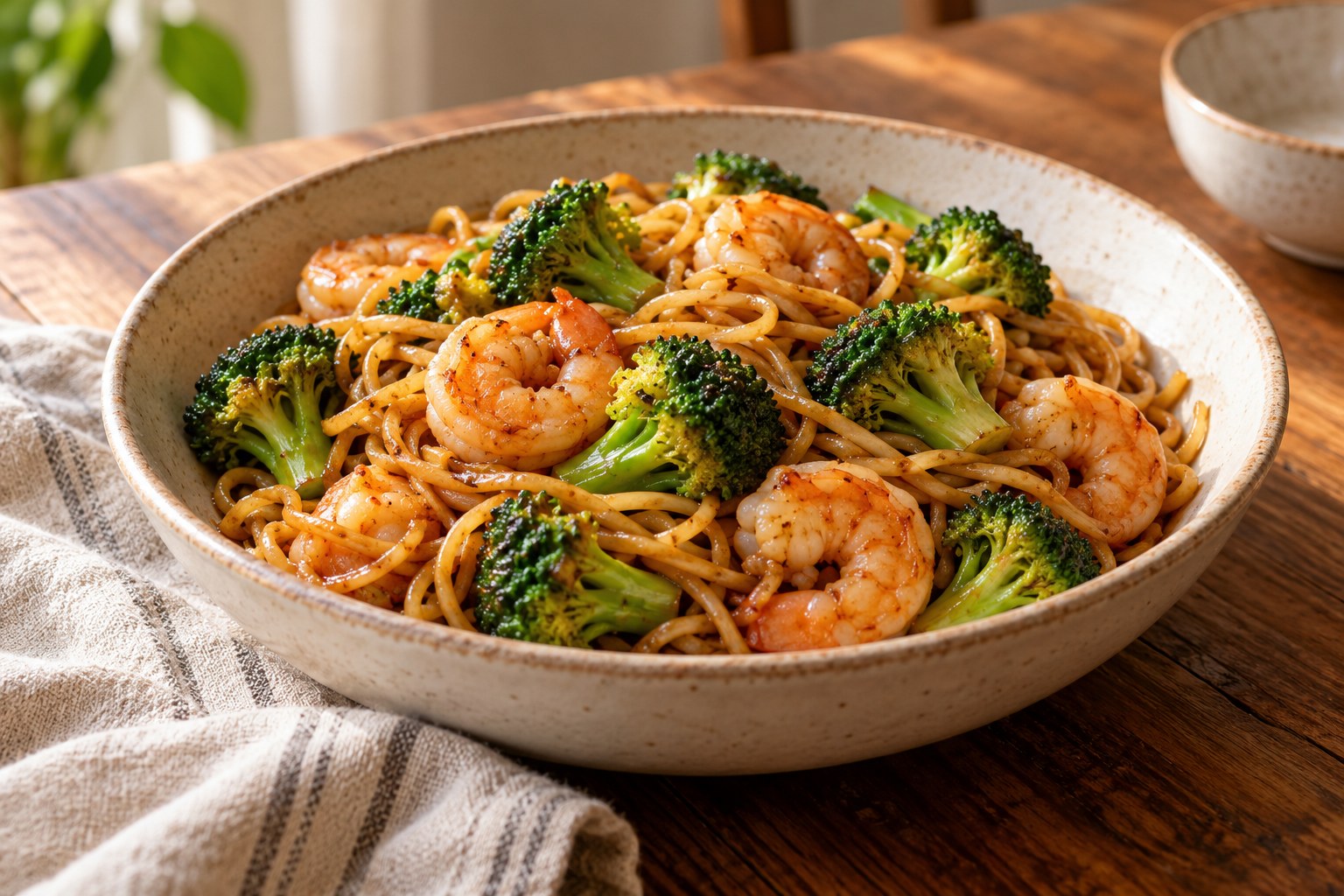
Choose one protein or hearty plant-based anchor, one or two vegetables, one quick starch and one sauce or finishing flavour. Examples include shrimp plus broccoli plus noodles plus garlic-soy; chickpeas plus spinach plus couscous plus lemon; or eggs plus mushrooms plus toast plus herbs. You aren't required to make four separate dishes—many combinations belong in one pan.
The fifteen-minute ingredient rule
Select components whose total preparation and cooking fit your window. Quick options include canned beans, eggs, tofu, thin fish fillets and appropriately thinly sliced meat. Whole large roasts, dried beans and dense bone-in cuts do not belong in a promise of a thirty-minute dinner unless they have been safely cooked beforehand.
Time zero: decide the cooking order
Read the entire plan and identify which item takes longest. A pot of water for pasta may need to start before you chop vegetables, while potatoes may require early microwaving or roasting under a tested method. A few seconds deciding the sequence saves more time than frantic multitasking.
Minutes zero to five: start the long item
Bring a kettle or pot to the boil, preheat the skillet or oven where necessary and take measured ingredients from the pantry. Start rice, pasta or other grains according to package instructions. Don't begin raw meat before setting out clean equipment for handling it safely.
Minutes five to ten: prepare vegetables
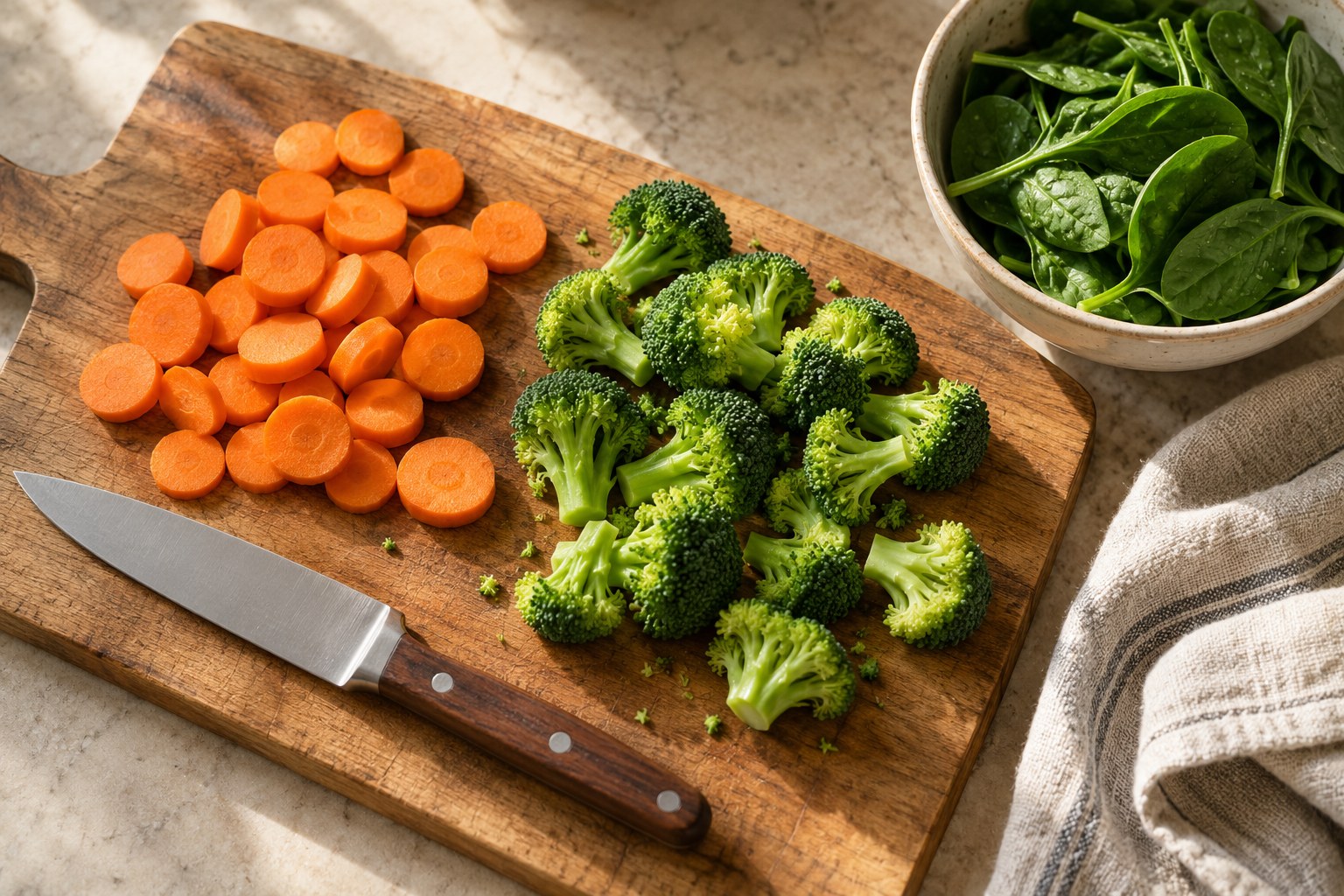
Wash and cut vegetables into similar-sized pieces so they cook consistently. Frozen vegetables or prewashed spinach can save time without reducing nutritional usefulness. Group ingredients by cooking stage: firm carrots and broccoli need longer than tender leafy greens.
Minutes ten to twenty: cook the main
Sauté, roast, steam or simmer the chosen protein using an appropriately fast method. Chicken must reach a safe internal temperature of 74°C (165°F) for pieces, and fish should reach the local recommended safe temperature. Use a food thermometer rather than shortening the cook to meet an arbitrary clock deadline.
Minutes twenty to twenty-five: combine
Finish the sauce, fold in greens or beans and season the cooked starch. A splash of pasta water can help a sauce coat noodles; a spoon of yogurt or tahini can enrich a grain bowl. Don't combine raw-meat utensils with cooked ingredients.
Minutes twenty-five to thirty: serve
Taste for salt and acidity, add herbs or lemon, and transfer the hot meal to plates. Simple garnishes work best: toasted sesame seeds, parsley or a little parmesan. The goal is a complete meal and a manageable kitchen rather than a photographic restaurant arrangement.
Fast protein: canned beans
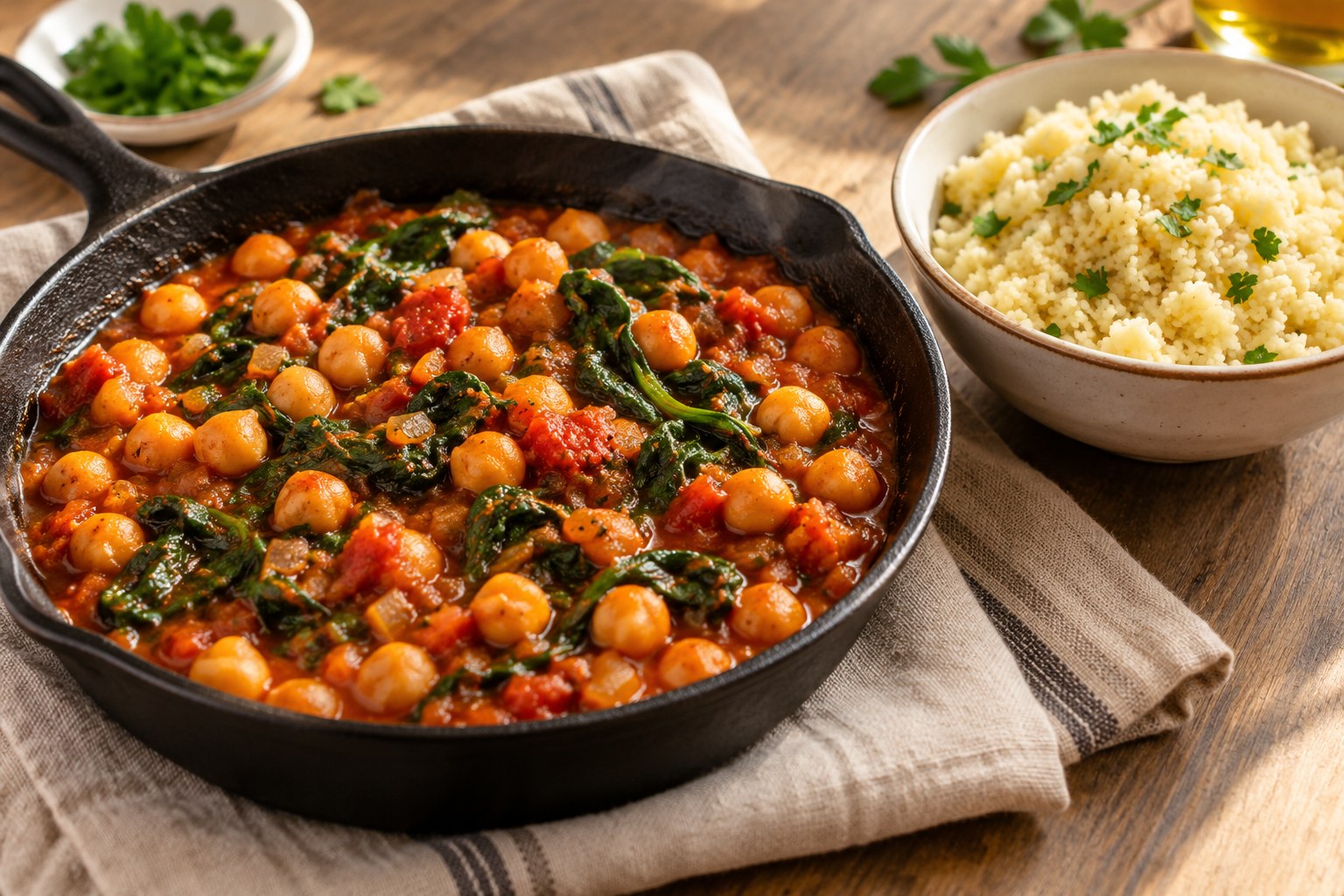
Rinsed canned chickpeas, black beans and lentils can be heated directly into a skillet sauce. Because they are already cooked, they save the soaking and lengthy cooking of dry legumes. Pair with wilted spinach, tomatoes and couscous for a hearty plant-based dinner.
Fast protein: eggs
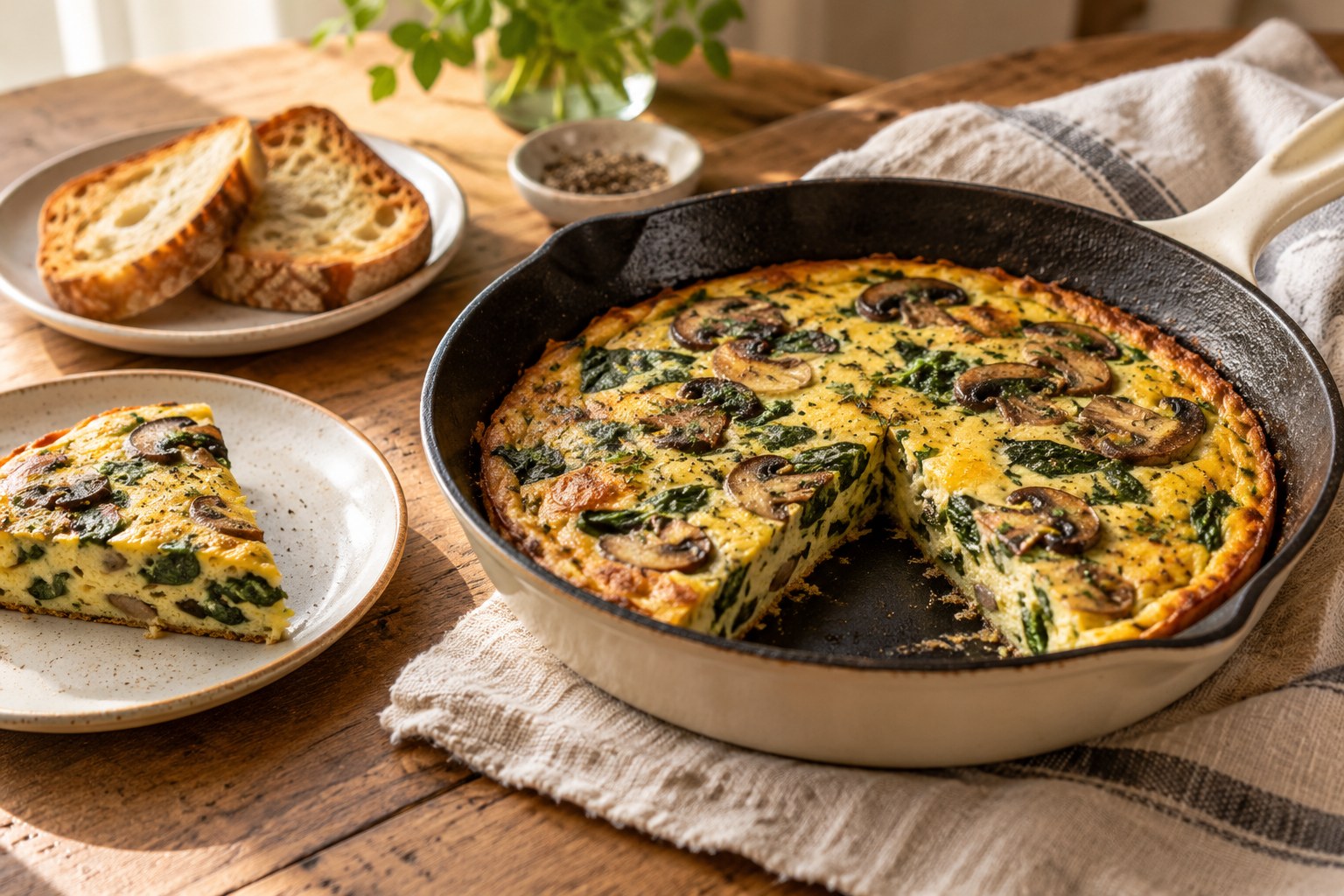
Egg dishes can anchor a meal with sautéed vegetables and toast or a tortilla. Cook eggs to a safe endpoint under the relevant guidance, particularly when serving children or other people at increased risk from foodborne illness. Shakshuka-style skillets and vegetable frittatas can be quick when portioned small.
Fast protein: tofu
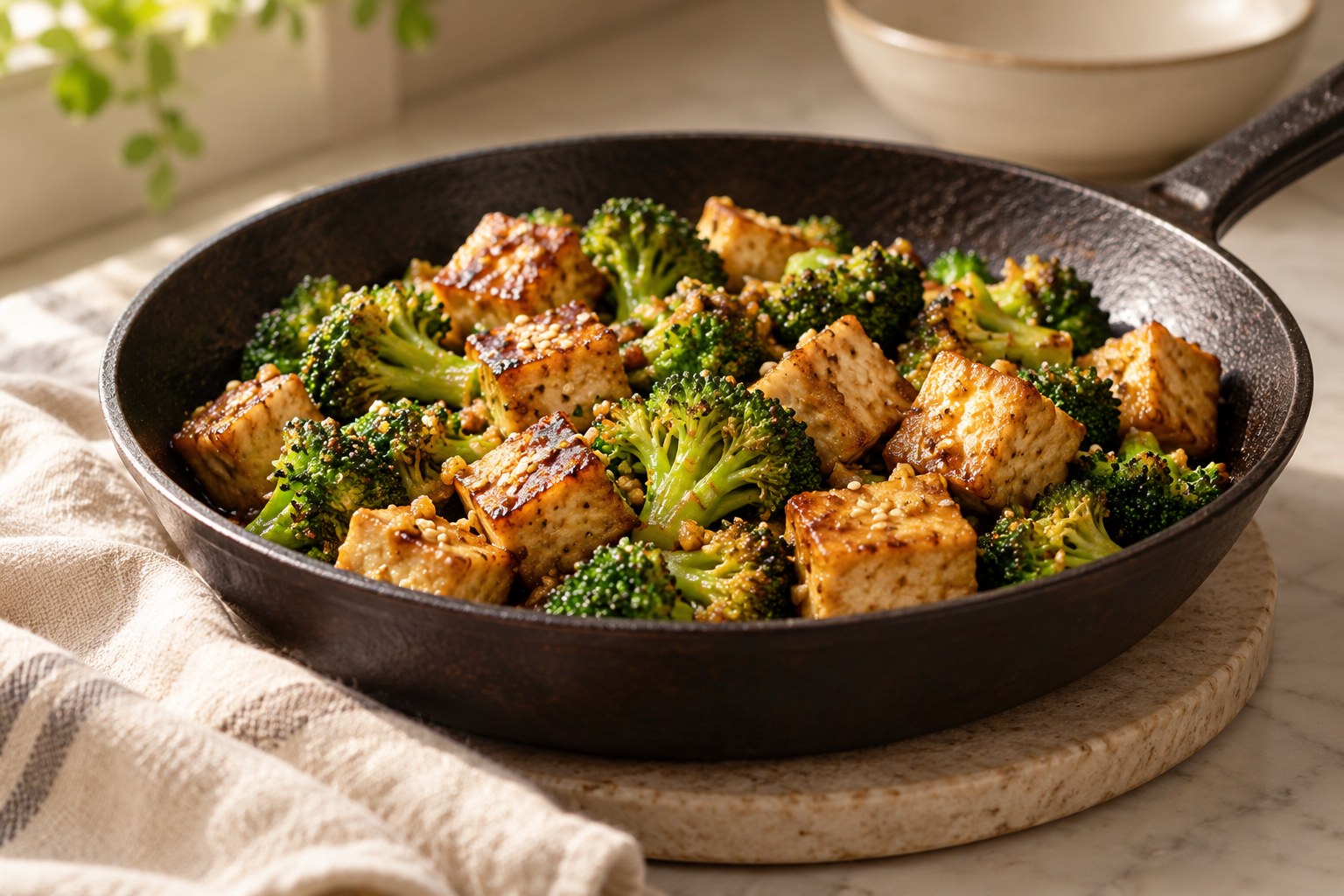
Firm tofu absorbs flavour from a sauce and can develop golden edges in a hot skillet. Pressing briefly or drying the surface improves browning. Use a predesigned quick stir-fry so vegetable and tofu pieces finish together, rather than adding a cold watery block to a full pan and hoping it crisps.
Fast protein: shrimp or thin fish
Small seafood portions often cook quickly, but that speed makes overcooking easy. Have vegetables and starch nearly ready before the seafood goes in. Follow safe cooking temperatures and the specific method, especially when using frozen raw seafood.
Fast vegetables: spinach and peas
Spinach wilts in minutes and frozen peas heat quickly, making them useful for a late addition. They bring colour and freshness to pasta, rice and egg dishes. Use the recipe's cooking instructions for frozen vegetables rather than assuming every product is ready to eat straight from the bag.
Fast vegetables: zucchini and peppers
Small even pieces brown in a skillet without requiring a long roast. Keep the pan uncrowded and use the right heat so the vegetables sauté rather than steam. Add garlic near the end if the pan is very hot to keep it from burning.
Quick starch: couscous
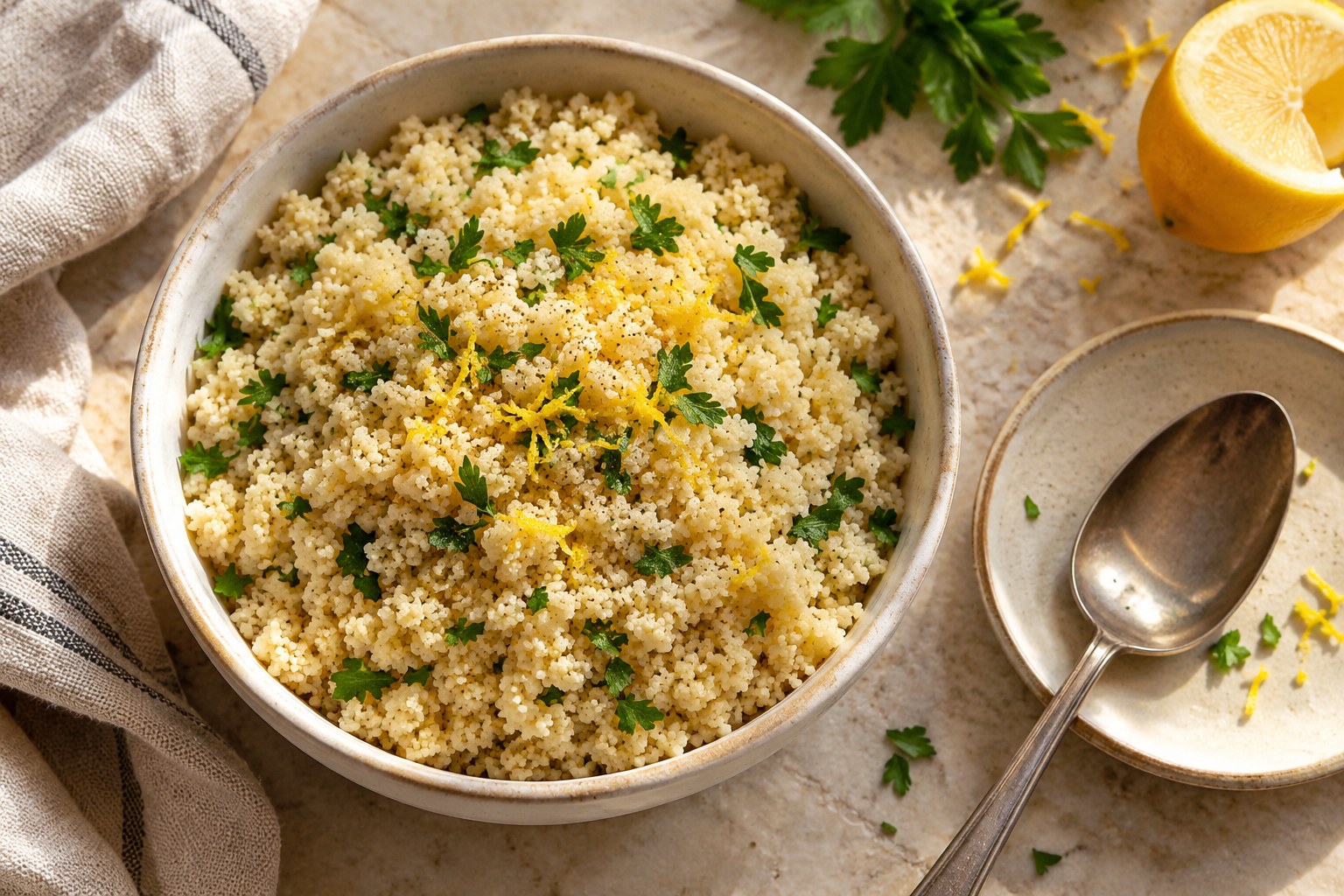
Many instant couscous products hydrate rapidly in hot liquid, making them useful when time is short. Read the package: pearl couscous and traditional tiny couscous require different cooking schedules. Add lemon zest or herbs to make a simple side feel more considered.
Quick starch: noodles
Thin noodles, fresh pasta and some dried pasta shapes can cook within the dinner window. Start the water early and prepare the sauce while the noodles boil. Reserve a little cooking water before draining to adjust sauce texture without adding cream.
Quick starch: ready-cooked rice
Commercially prepared rice can be convenient when heated according to package directions. Previously cooked homemade rice must have been cooled and refrigerated safely before reuse. Never treat rice that sat warm overnight as suitable for a quick stir-fry.
Sauce formula: acid, fat and seasoning
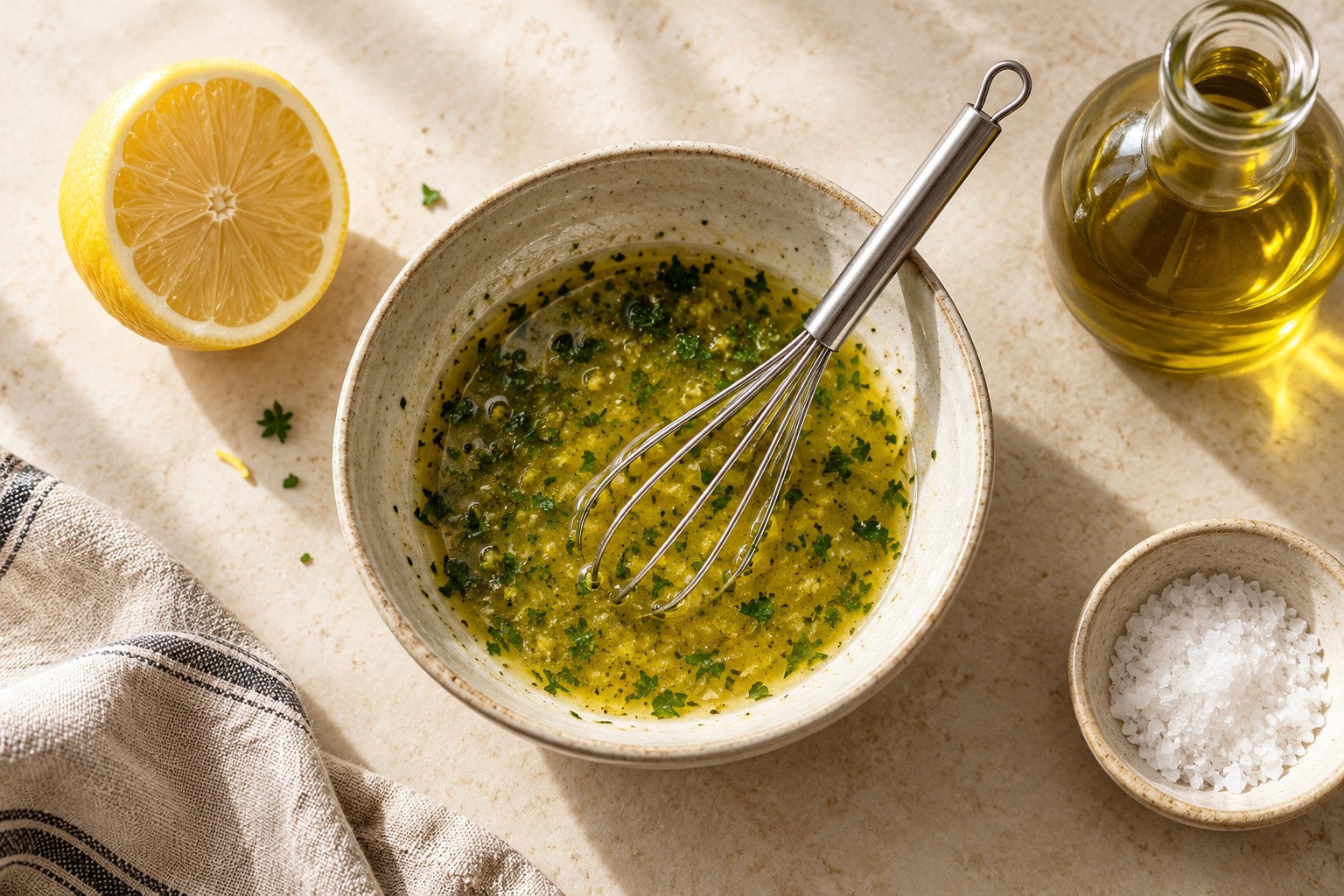
A good quick dressing often combines something bright such as lemon or vinegar, a little oil or another fat, and salt plus herbs or spice. A tahini sauce may require water to loosen; a soy-ginger sauce may need less salt. Taste the complete dish before adding more.
Three repeatable combinations
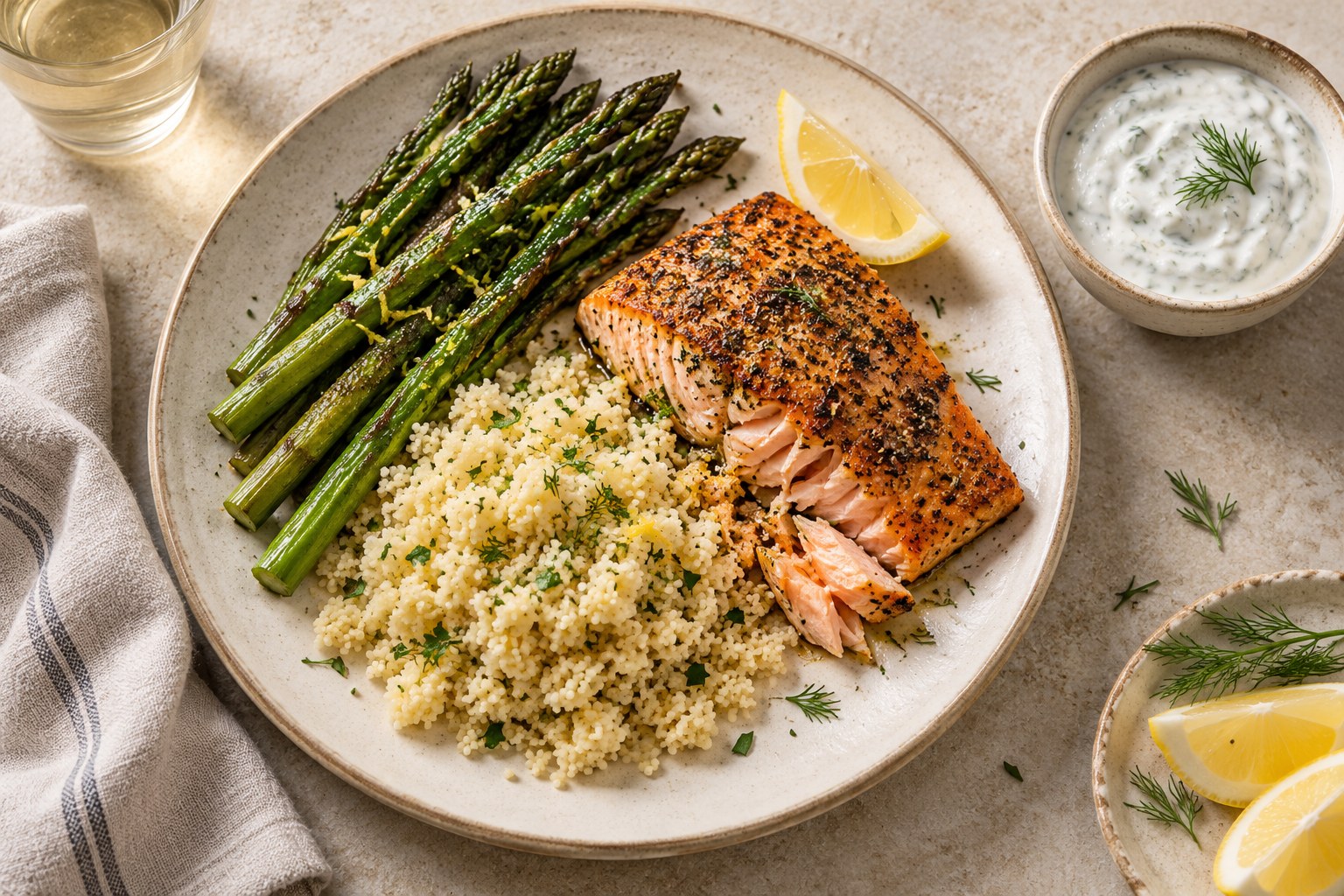
Try white beans, wilted kale, lemon and toast; salmon, asparagus, couscous and yogurt-dill sauce; or tofu, broccoli, noodles and sesame-ginger dressing. Each uses the same sequence but feels different. The ingredients can also be swapped according to availability.
Why too many ingredients slow dinner
Every extra sauce jar, garnish and separate cooking method adds setup and cleanup. A twenty-item ingredient list isn't necessarily quick even when each step is short. Choose one primary seasoning family per meal and use pantry staples instead of buying new specialty products every evening.
What to prepare in advance
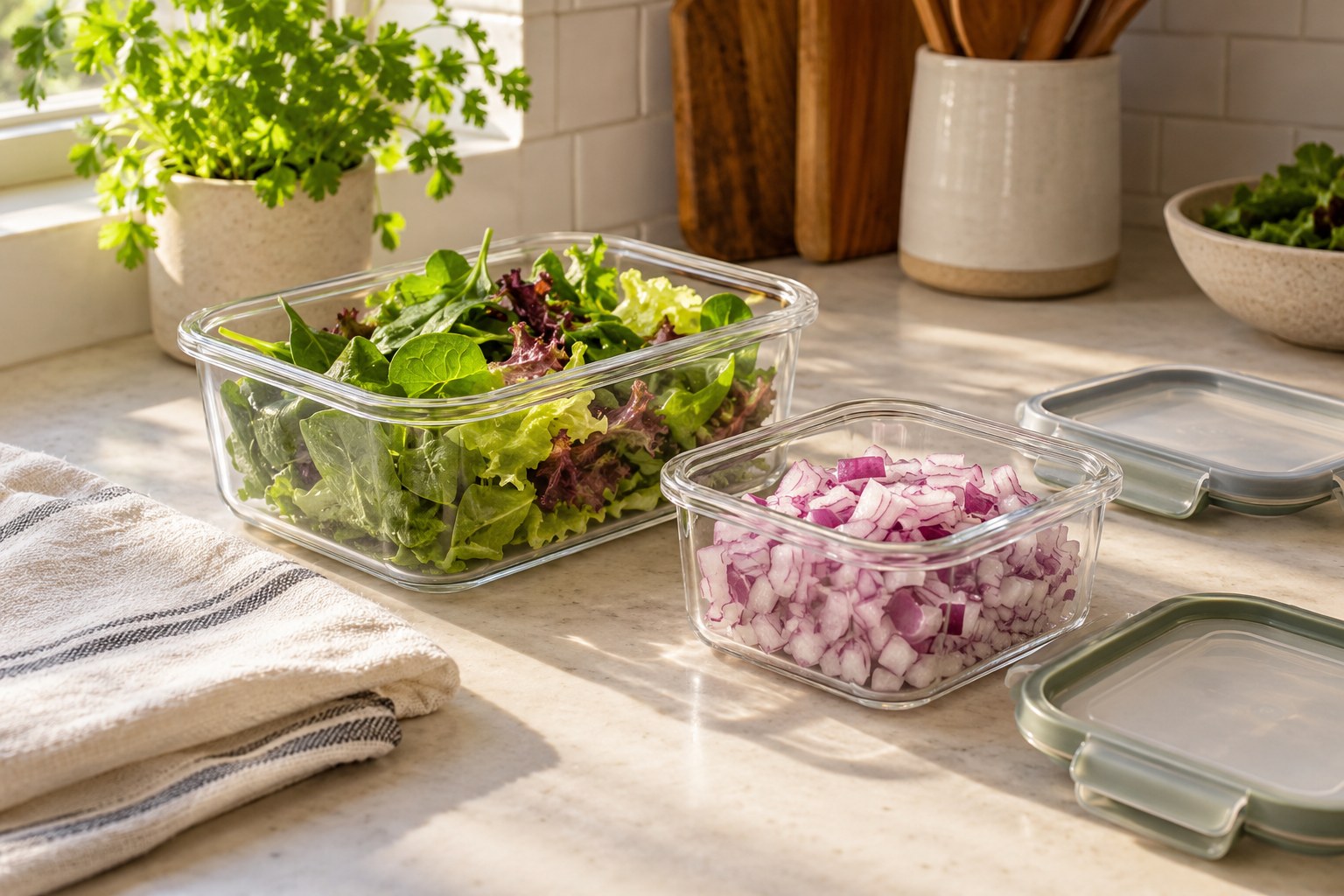
Washed greens, chopped onions, labelled freezer portions and a small list of three preferred sauces can save more time than an entire Sunday spent cooking. Store prepped perishables safely and avoid cutting raw meat far in advance unless the recipe has a controlled storage plan.
What if the meal takes forty minutes?
That is not a cooking failure. A larger portion, slower stove or fresh vegetables needing washing can change actual time. Protect food safety and doneness first. With repetition, you'll learn which combinations truly fit your schedule and which are better reserved for weekends.
A more useful weeknight habit
Rather than memorize twenty recipes, keep a short list of ingredients in each of the four categories. Choose one from each, start the longest element first and assemble with a bright finish. That formula turns what you have into dinner without starting from zero.
Food-safety reference: Health Canada: food safety tips for leftovers.
IN PICTURES
From the baking notebook
FROM THE RECIPE BOX