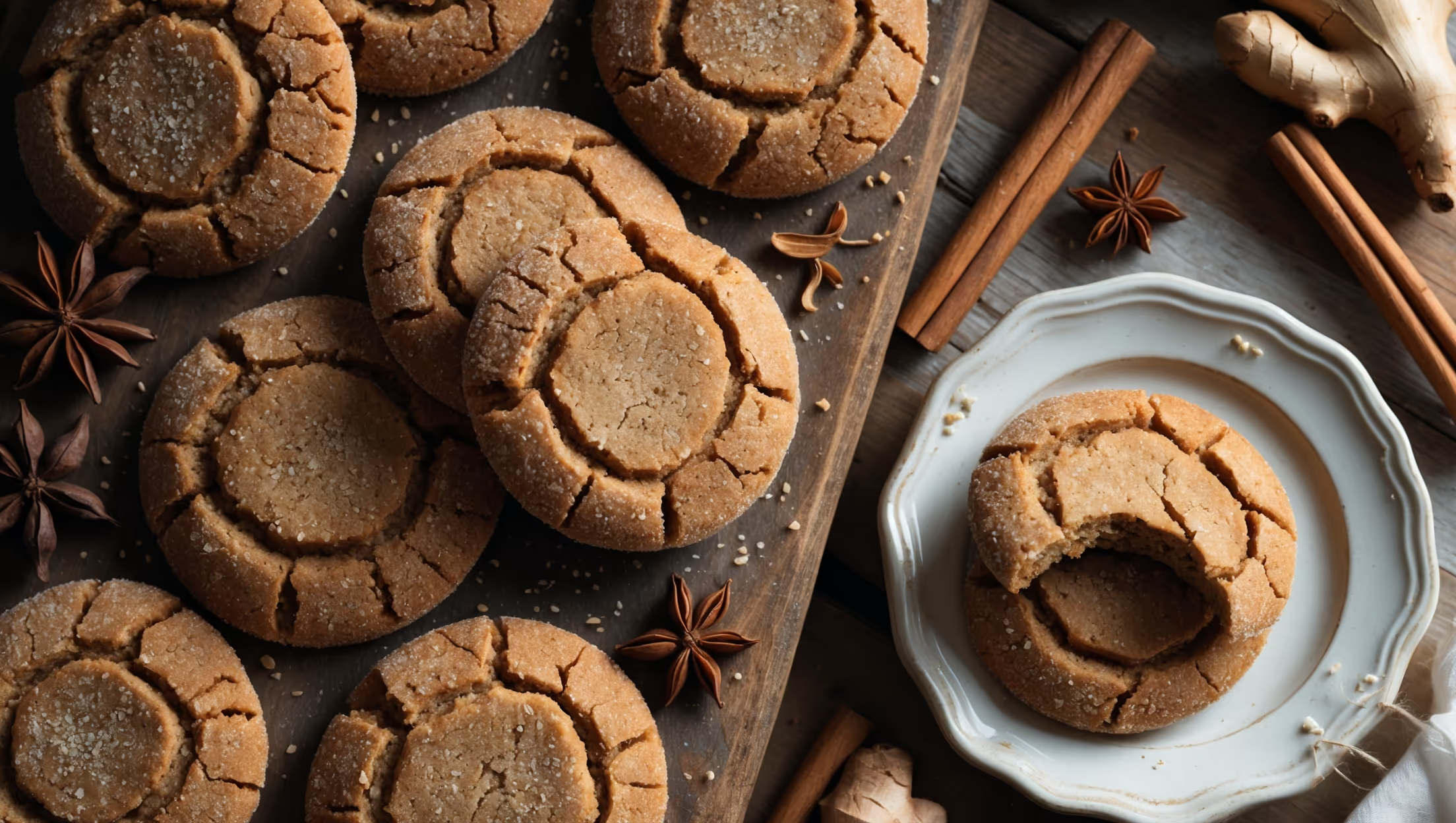
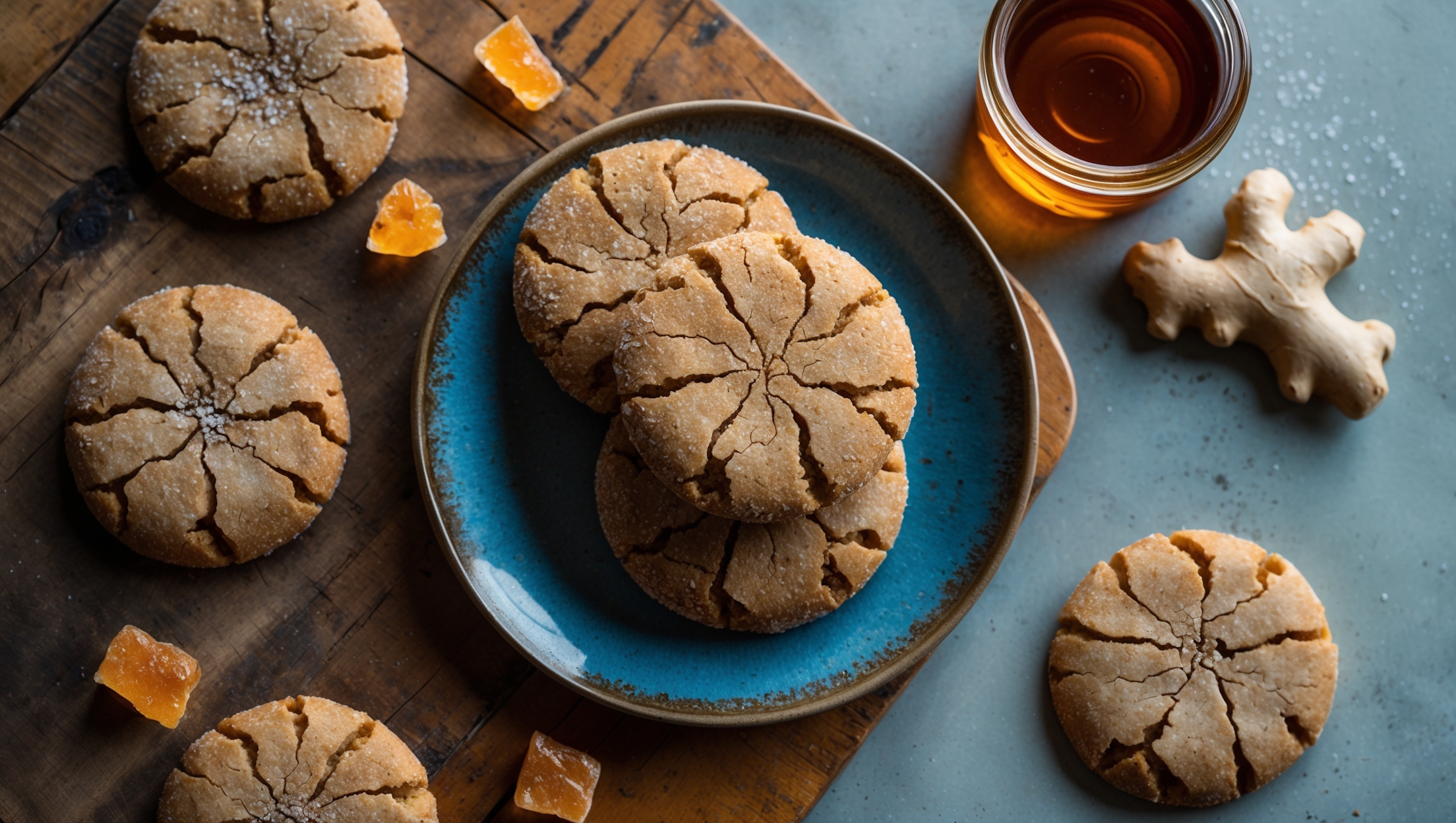
Directions
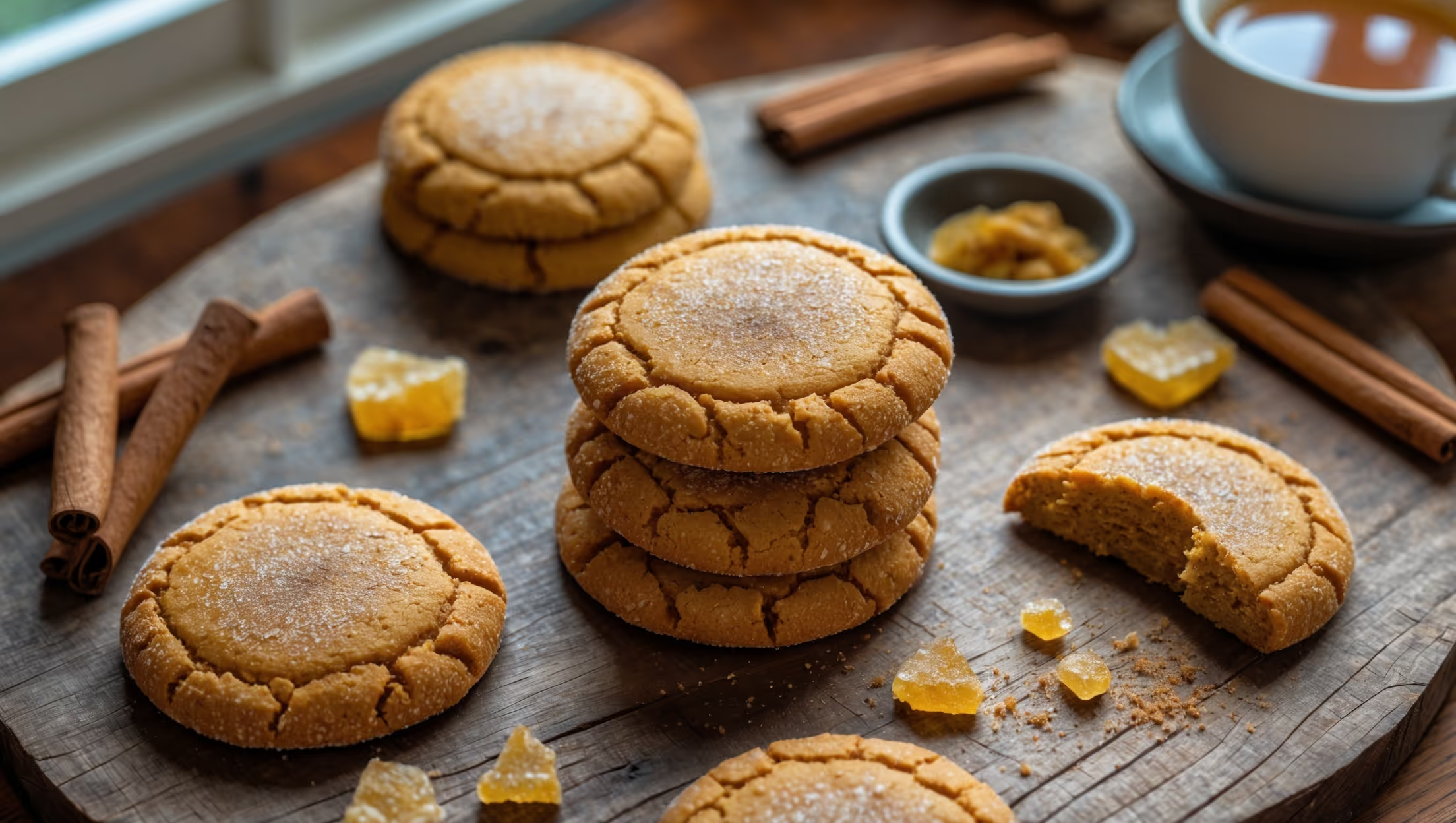
<ol class="no-list-style"><li class="MethodStepper"><h4 class="step-title">Step 1</h4>Begin by smoking your spices. Create a smoking setup by lining a wok or large pan with aluminum foil, adding the loose-leaf tea, and placing a small wire rack above it. Mix all your ground spices (ginger, cinnamon, cloves, nutmeg, cardamom, and black pepper) in a small heat-proof dish and place on the rack. Heat the wok over medium-low until the tea begins to smoke, then cover tightly and remove from heat. Allow the spices to absorb the smoke for 10 minutes.</li><li class="MethodStepper"><h4 class="step-title">Step 2</h4>While the spices are smoking, brown the butter. Place butter in a light-colored saucepan over medium heat and melt completely. Continue cooking, swirling occasionally, until the butter foams, then turns clear, and finally develops brown specks and a nutty aroma (about 5-7 minutes). The milk solids caramelize during this process, creating complex flavor compounds. Immediately transfer to a heat-proof bowl to stop the cooking. Let cool for 10 minutes.</li><li class="MethodStepper"><h4 class="step-title">Step 3</h4>In a medium bowl, whisk together the flour, baking soda, salt, and your smoked spice mixture. The smoking process infuses the spices with aromatic compounds that won't develop through normal baking.</li><li class="MethodStepper"><h4 class="step-title">Step 4</h4>Add both sugars to the cooled brown butter and mix with an electric mixer on medium speed for 2 minutes. The sugar crystals will help aerate the mixture despite the butter being melted, creating a better texture in the final cookie.</li><li class="MethodStepper"><h4 class="step-title">Step 5</h4>Beat in the freshly grated ginger, egg, egg yolk, and vanilla extract until fully incorporated and slightly lightened in color. The extra egg yolk provides additional fat and emulsifiers that help create a chewy texture.</li><li class="MethodStepper"><h4 class="step-title">Step 6</h4>Gradually add the dry ingredients to the wet ingredients on low speed until just combined. Fold in the chopped crystallized ginger pieces by hand. Avoid overmixing to prevent gluten development, which would make the cookies tough rather than tender.</li><li class="MethodStepper"><h4 class="step-title">Step 7</h4>Cover the dough and refrigerate for at least 2 hours, preferably overnight. This resting period allows the flour to hydrate fully and the flavors to meld, resulting in a more complex flavor profile and better texture.</li><li class="MethodStepper"><h4 class="step-title">Step 8</h4>When ready to bake, preheat your oven to 175°C and line baking sheets with parchment paper. Place the remaining 50g granulated sugar in a shallow bowl.</li><li class="MethodStepper"><h4 class="step-title">Step 9</h4>Scoop the chilled dough into 30g portions and roll into balls. Roll each ball in the granulated sugar to coat completely. The sugar creates a beautiful crackly exterior as the cookies bake and expand.</li><li class="MethodStepper"><h4 class="step-title">Step 10</h4>Place the cookie balls on the prepared baking sheets, spacing them about 5cm apart as they will spread. For thicker cookies, place the balls of dough in the refrigerator for 15 minutes before baking.</li><li class="MethodStepper"><h4 class="step-title">Step 11</h4>Bake for 10-12 minutes until the edges are set but the centers still appear slightly soft. Look for a crackled surface with the centers just barely set - they'll continue to cook from residual heat after removal.</li><li class="MethodStepper"><h4 class="step-title">Step 12</h4>Allow the cookies to cool on the baking sheets for 5 minutes before transferring to a wire rack to cool completely. As they cool, they'll develop the perfect chewy texture with slightly crisp edges. Store in an airtight container for up to 5 days, or freeze for longer storage. The complex smoky, spicy flavors will actually continue to develop over the first 24 hours.</li></ol>