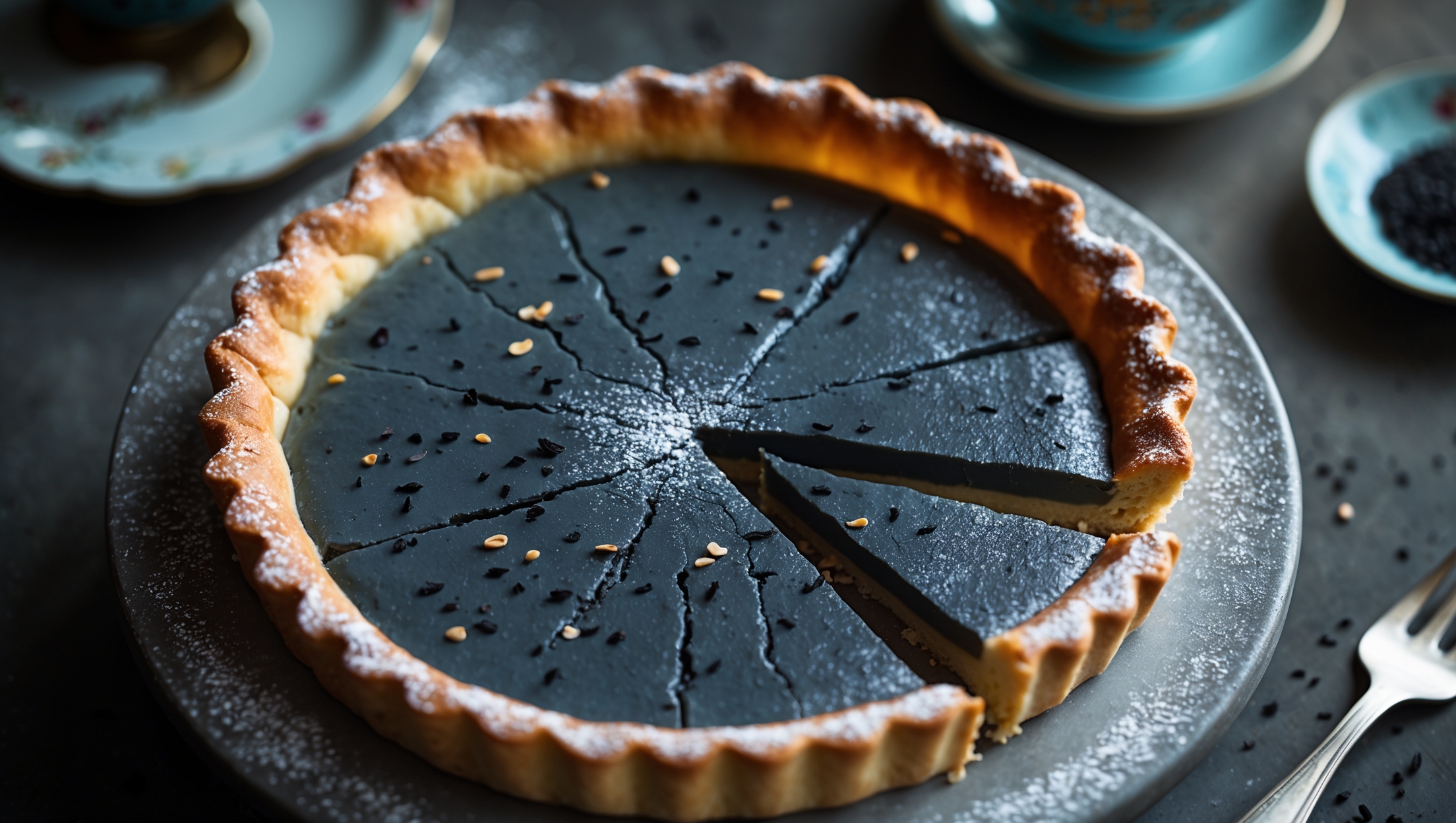
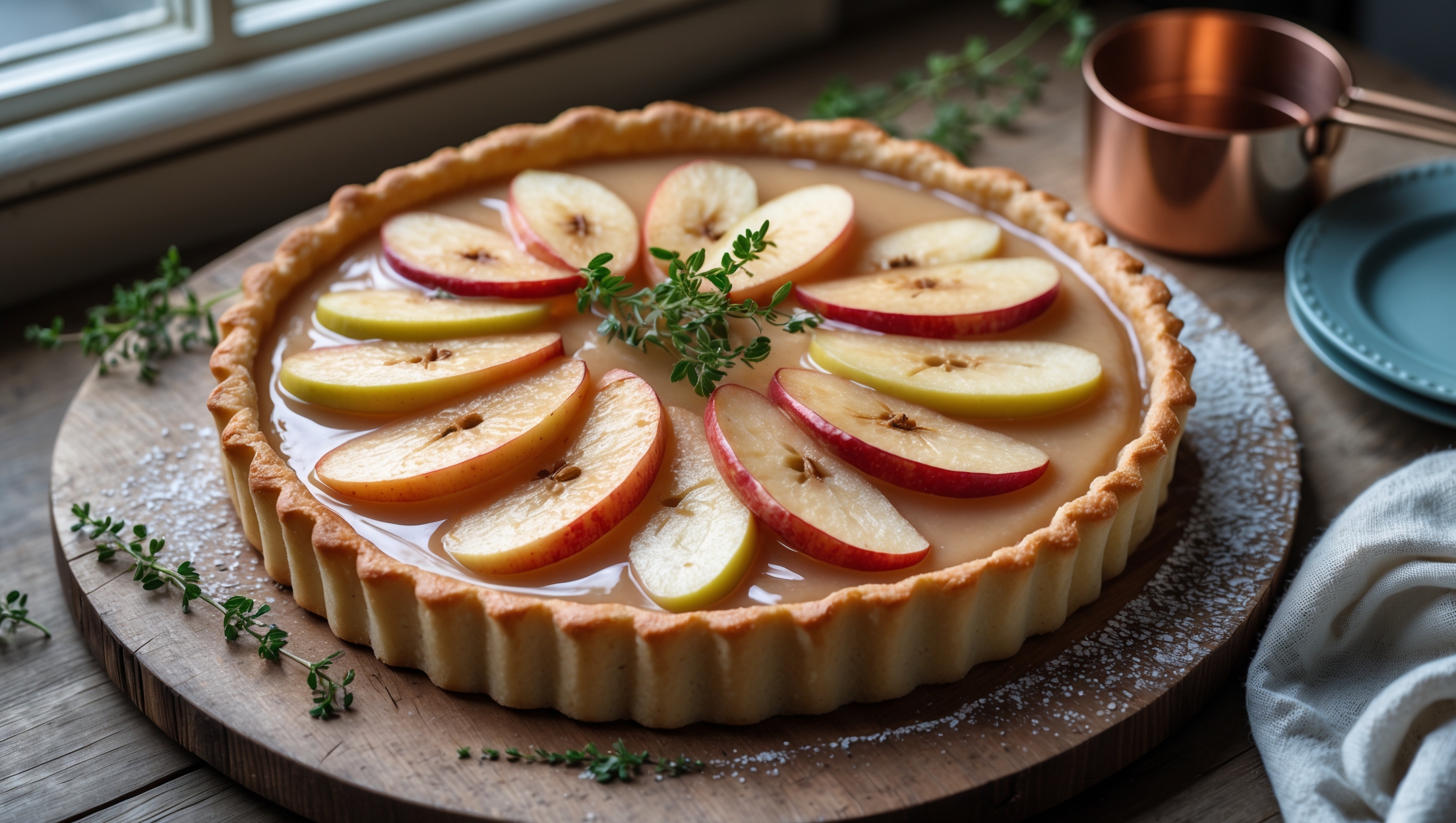
Directions
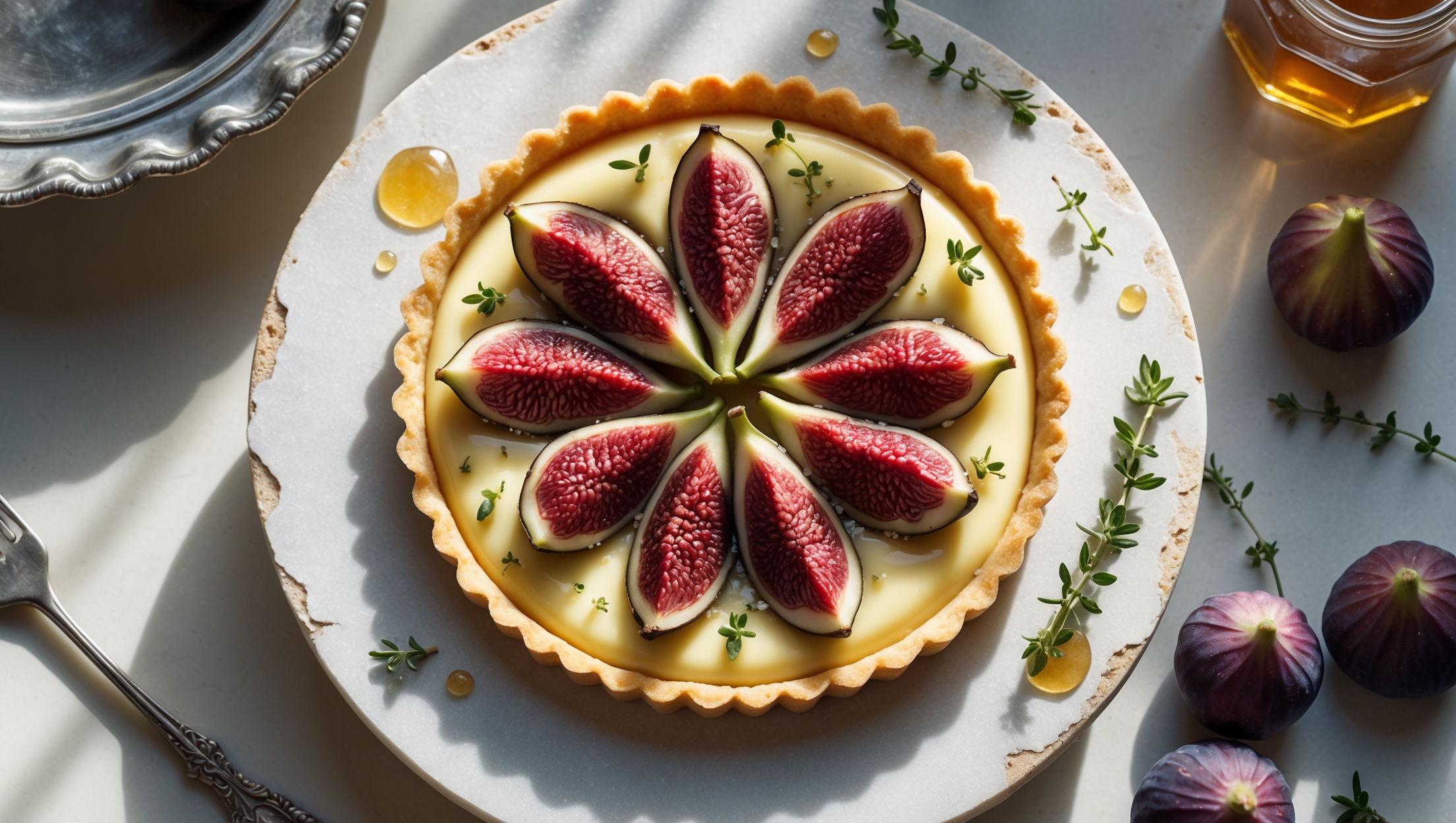
<ol class="no-list-style"><li class="MethodStepper"><h4 class="step-title">Step 1</h4>First, make the pastry. In a food processor or large bowl, combine the flour, salt, and cold cubed butter. Pulse or use your fingertips to rub the butter into the flour until the mixture resembles breadcrumbs. This cold butter creates pockets of steam during baking, resulting in flaky pastry.</li><li class="MethodStepper"><h4 class="step-title">Step 2</h4>Add the sugar and mix briefly. In a small bowl, beat the egg yolk with 2 tablespoons of ice water, then drizzle over the flour mixture while pulsing or stirring with a fork. Add the remaining tablespoon of water only if needed to bring the dough together into a ball – the dough should be moist but not sticky.</li><li class="MethodStepper"><h4 class="step-title">Step 3</h4>Turn the dough onto a lightly floured surface, shape into a disc, wrap in cling film, and refrigerate for at least 30 minutes. This resting time allows the gluten to relax, preventing shrinkage during baking, and keeps the butter cold for a flakier result.</li><li class="MethodStepper"><h4 class="step-title">Step 4</h4>Preheat your oven to 180°C (160°C fan/350°F). On a lightly floured surface, roll the chilled pastry to about 3mm thickness and large enough to line your tart tin. Carefully transfer the pastry to the tin, pressing it gently into the fluted edges. Trim the excess pastry, leaving a slight overhang that you can trim after blind baking.</li><li class="MethodStepper"><h4 class="step-title">Step 5</h4>Line the pastry case with parchment paper and fill with baking beans or rice. Blind bake for 15 minutes, then remove the beans and paper and bake for a further 5-7 minutes until the pastry is dry and very lightly golden. The base should feel dry to the touch but not browned. Remove from the oven and reduce the temperature to 160°C (140°C fan/325°F).</li><li class="MethodStepper"><h4 class="step-title">Step 6</h4>While the pastry case cools slightly, prepare the filling. If your ricotta is very wet, place it in a fine mesh sieve and let it drain for 30 minutes to remove excess moisture, which would make your tart soggy. In a large bowl, combine the ricotta, 120g honey, eggs, vanilla extract, and lemon zest. Mix until smooth but don't overmix, as we want to maintain some of ricotta's delicate texture.</li><li class="MethodStepper"><h4 class="step-title">Step 7</h4>Stir in the double cream, then sift in the flour and add the salt. Mix gently until just combined. The flour helps stabilize the custard, preventing it from weeping after baking. Pour the filling into the partially baked tart shell, smoothing the top with a spatula.</li><li class="MethodStepper"><h4 class="step-title">Step 8</h4>Carefully transfer the tart to the oven and bake for 35-40 minutes until the filling is set around the edges but still has a slight wobble in the center, like a just-set cheesecake. The center will continue to firm up as it cools. If the pastry edges are browning too quickly, cover them with strips of foil.</li><li class="MethodStepper"><h4 class="step-title">Step 9</h4>Allow the tart to cool completely in the tin on a wire rack – this will take about 2 hours. The cooling process is crucial for the custard to set properly, so be patient! Once cooled, refrigerate for at least 1 hour or overnight to fully set the filling for clean slices.</li><li class="MethodStepper"><h4 class="step-title">Step 10</h4>Just before serving, carefully remove the tart from the tin. Warm a few tablespoons of honey until it reaches a pourable consistency and drizzle generously over the top of the tart. The contrast between the warm honey and the cool, creamy filling creates a delightful sensation. Slice with a sharp knife dipped in hot water and wiped clean between cuts for the neatest presentation.</li></ol>