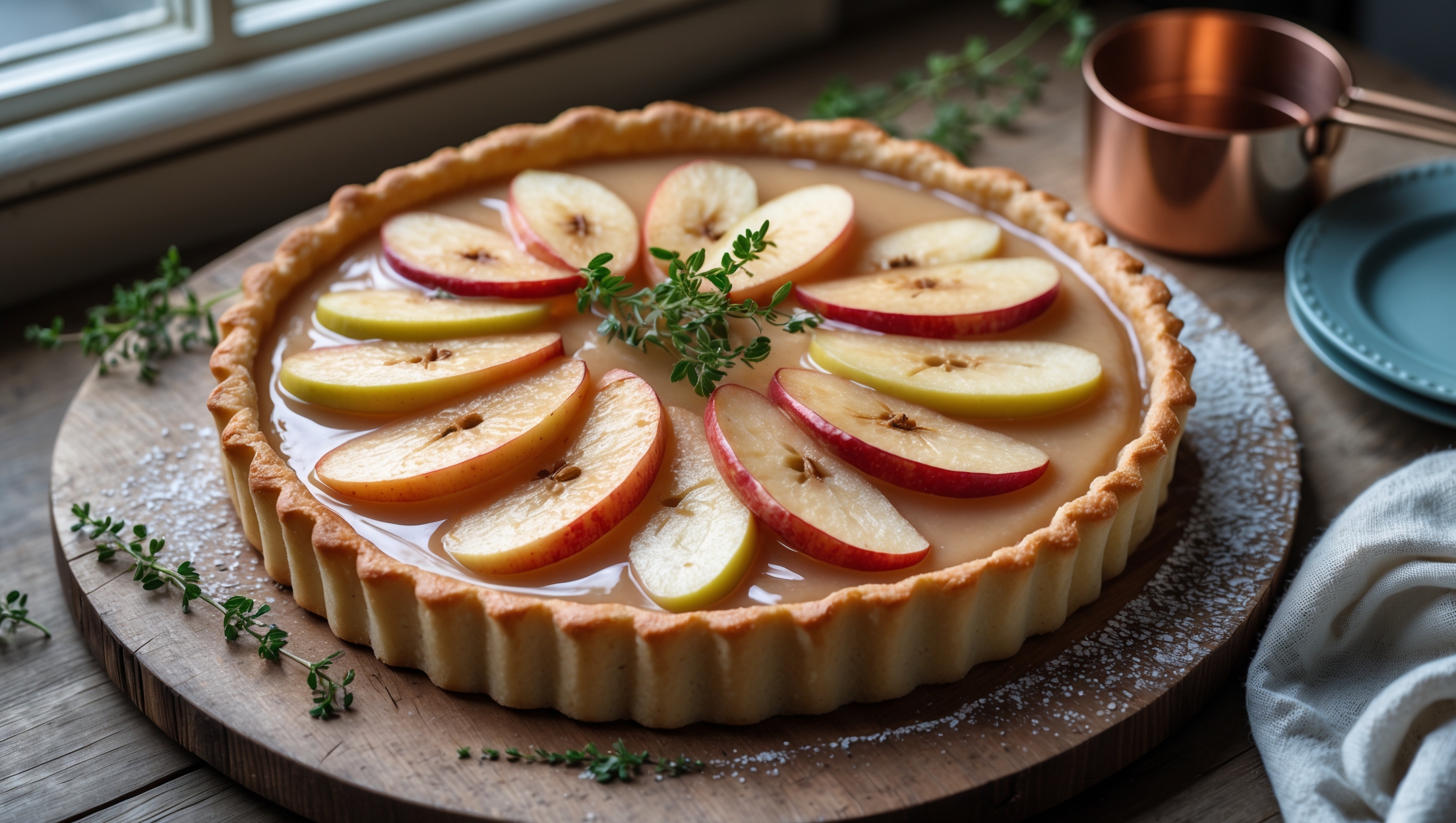
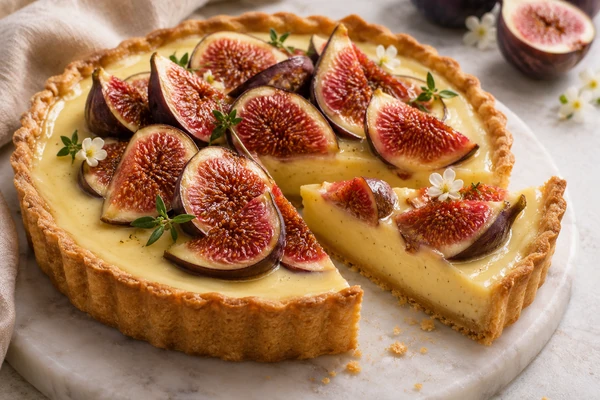
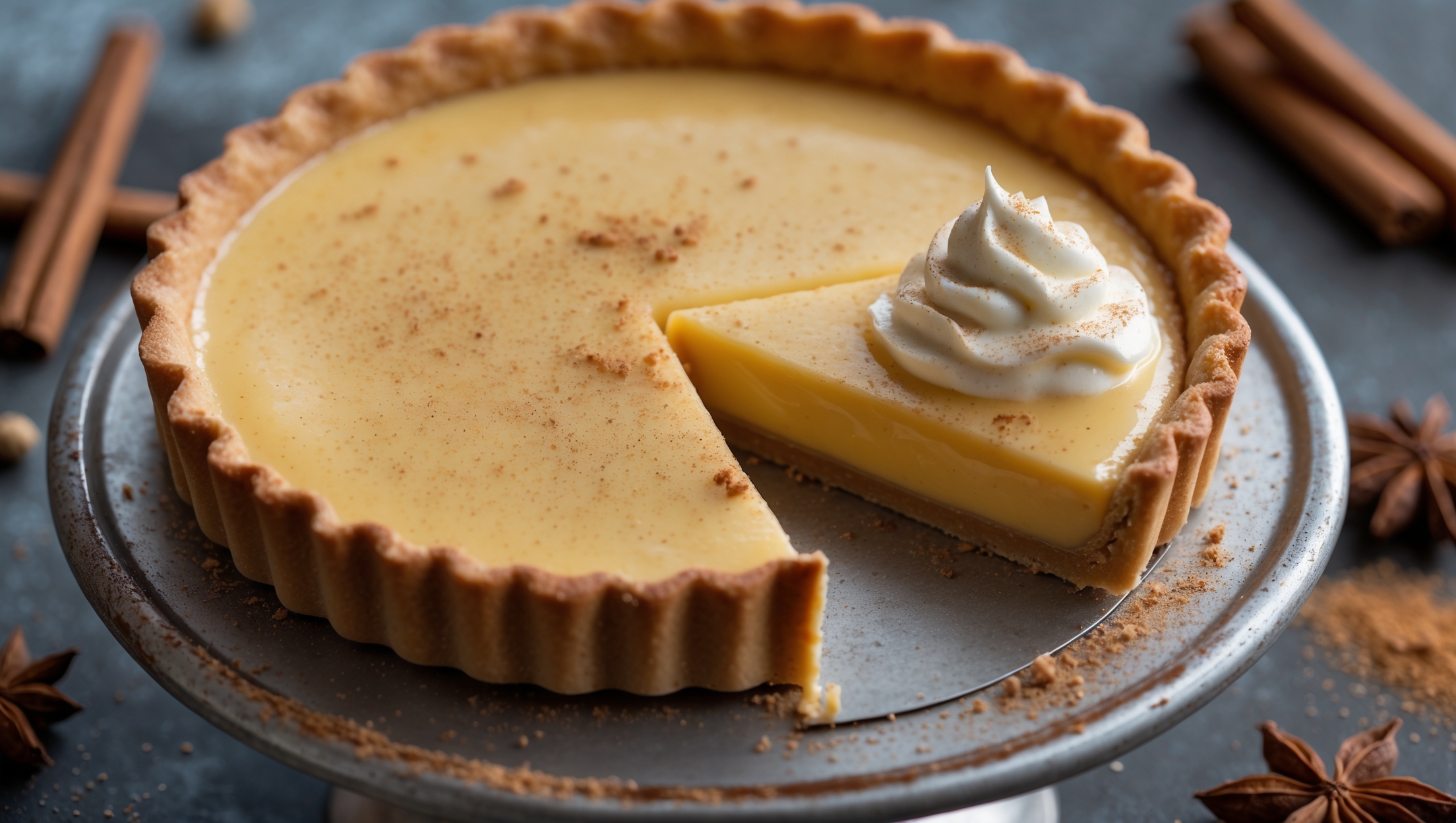
<ol class="no-list-style"><li class="MethodStepper"><h4 class="step-title">Step 1</h4>Begin by making the pastry. In a food processor or large bowl, combine the flour, salt, and sugar. Add the cold cubed butter and pulse or rub with fingertips until the mixture resembles fine breadcrumbs. The cold butter is crucial here – it creates pockets of steam during baking, resulting in a flaky texture.</li><li class="MethodStepper"><h4 class="step-title">Step 2</h4>Add the egg yolk and 2 tablespoons of ice-cold water, mixing gently until the dough just comes together. Add the remaining tablespoon of water only if needed. The less you handle the dough, the more tender your pastry will be. Form into a disc, wrap in cling film, and refrigerate for at least 30 minutes to relax the gluten.</li><li class="MethodStepper"><h4 class="step-title">Step 3</h4>Preheat your oven to 190°C (170°C fan). Roll out the chilled pastry on a lightly floured surface to about 3-4mm thickness, large enough to line your tart tin. Carefully transfer to the tin, pressing gently into the edges. Trim excess pastry, leaving a small overhang to allow for shrinkage. Prick the base with a fork, then line with baking parchment and fill with baking beans.</li><li class="MethodStepper"><h4 class="step-title">Step 4</h4>Blind bake for 15 minutes, then remove the beans and parchment and bake for a further 5-7 minutes until the base is lightly golden. The initial blind baking with weights prevents the pastry from puffing up, while the extra minutes without ensure a crisp base that won't become soggy when filled. Cool slightly while preparing the filling.</li><li class="MethodStepper"><h4 class="step-title">Step 5</h4>For the apple filling, peel, core, and slice the apples into 5mm thick slices. In a large frying pan, melt the butter over medium heat, then add the sugar and cook until it begins to caramelize. Add the apple slices, cinnamon, and half the Calvados. Cook gently for 5-7 minutes, turning occasionally, until the apples are just tender but still hold their shape. The goal is partially cooked apples that will finish cooking in the oven while maintaining their structure.</li><li class="MethodStepper"><h4 class="step-title">Step 6</h4>Remove the apples from the heat and carefully arrange them in an overlapping pattern in the cooled tart case. Pour any caramelized juices from the pan over the apples, then add the remaining Calvados to the pan, swirl to deglaze, and drizzle this over the apples too. This layering of flavor creates depth in the final tart.</li><li class="MethodStepper"><h4 class="step-title">Step 7</h4>For the custard, heat the milk and cream in a saucepan with the vanilla pod and seeds (or extract) until steaming but not boiling. Meanwhile, in a bowl, whisk together the egg yolks, sugar, and cornflour until pale and thick. The cornflour acts as a stabilizer, ensuring your custard sets properly without curdling.</li><li class="MethodStepper"><h4 class="step-title">Step 8</h4>Remove the vanilla pod if using, then slowly pour the hot milk mixture onto the egg mixture, whisking constantly. This gradual tempering prevents the eggs from scrambling. Return the mixture to the pan and cook over low heat, stirring continuously with a wooden spoon, until it thickens enough to coat the back of the spoon. Be patient here – rush this step and your custard may split.</li><li class="MethodStepper"><h4 class="step-title">Step 9</h4>Remove from heat, stir in the Calvados, and allow to cool slightly for about 5 minutes, stirring occasionally to prevent a skin forming. The brief cooling prevents the custard from cooking the eggs further when poured into the tart, maintaining a silky texture.</li><li class="MethodStepper"><h4 class="step-title">Step 10</h4>Carefully pour the custard over the arranged apples in the tart case, filling to just below the rim of the pastry. The apples will peek through the custard surface, creating an attractive finish. Bake in the preheated oven for 25-30 minutes until the custard is set but still has a slight wobble in the center. This gentle wobble ensures a creamy rather than rubbery texture.</li><li class="MethodStepper"><h4 class="step-title">Step 11</h4>While the tart bakes, prepare the glaze by warming the apricot jam with the Calvados in a small pan until melted and smooth. When the tart is baked, brush this glaze gently over the still-warm surface for a professional, glossy finish that also adds another layer of flavor.</li><li class="MethodStepper"><h4 class="step-title">Step 12</h4>Allow the tart to cool for at least 1 hour before removing from the tin and serving. This cooling time is crucial – it allows the custard to fully set and the flavors to meld together. Serve at room temperature for the fullest flavor experience. This tart is best enjoyed on the day it's made, but will keep covered in the refrigerator for up to 2 days.</li></ol>