Directions
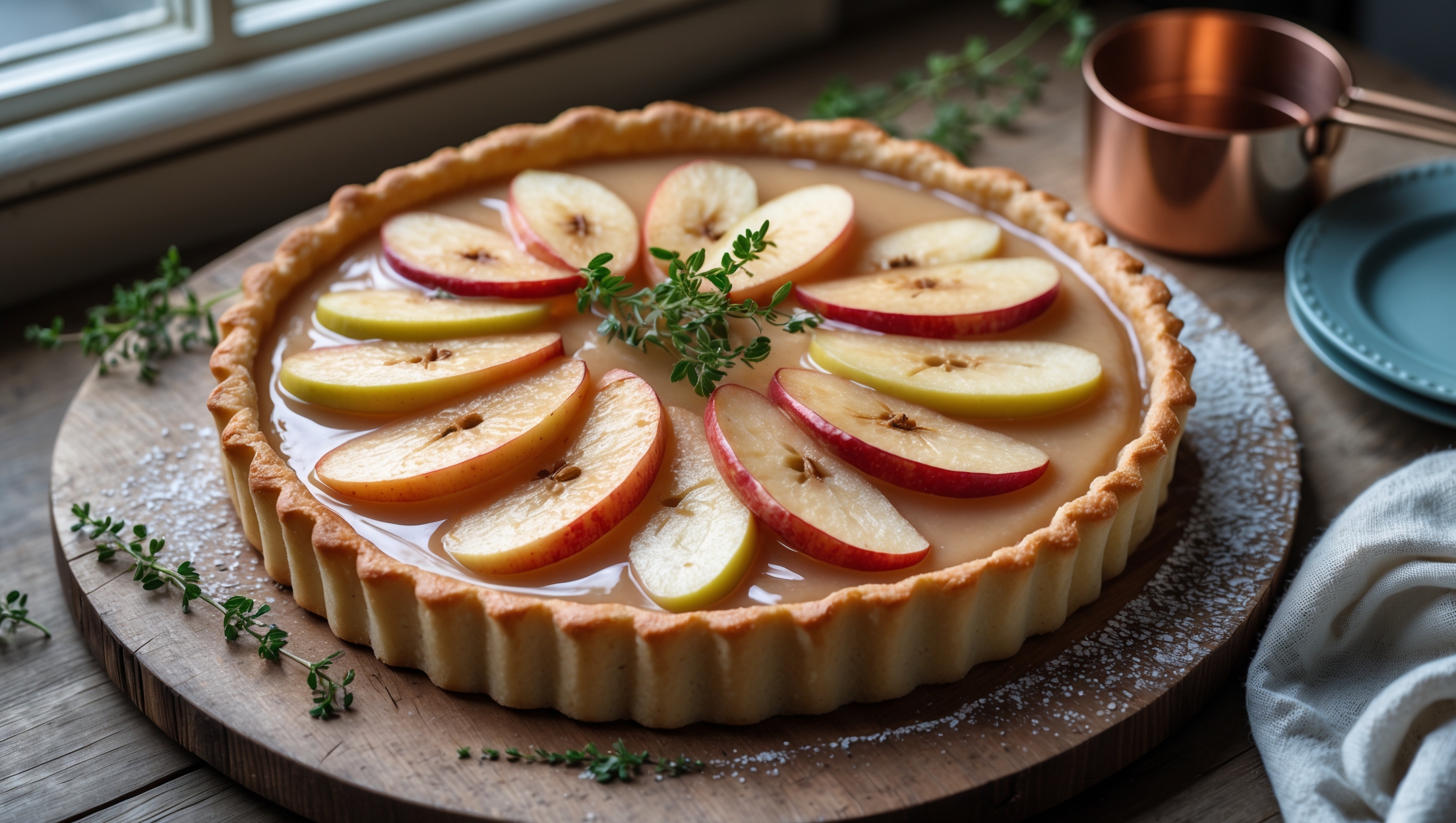
<ol class="no-list-style"><li class="MethodStepper"><h4 class="step-title">Step 1</h4>Begin by making the pastry. In a large bowl, rub the cold butter into the flour using your fingertips until the mixture resembles breadcrumbs (keeping everything cool is key for a crisp pastry). Stir in the sugar and salt, then add the egg yolk and enough ice-cold water to bring the dough together. Form into a disc, wrap in cling film, and chill for at least 30 minutes to relax the gluten.</li><li class="MethodStepper"><h4 class="step-title">Step 2</h4>Meanwhile, prepare the poached pears. Peel the pears, keeping the stems intact if possible for visual appeal. In a large saucepan, combine the water, sugar, cinnamon stick, star anise, and vanilla. Bring to a gentle simmer, stirring to dissolve the sugar. Add the pears and simmer gently for 15-20 minutes until just tender when pierced with a knife. The gentle poaching preserves the pears' shape while infusing them with aromatic flavors.</li><li class="MethodStepper"><h4 class="step-title">Step 3</h4>Remove the pears from the poaching liquid using a slotted spoon and allow them to cool completely. Once cool, carefully cut them in half lengthways and remove the cores with a melon baller or small spoon. Slice each half into thin, even slices, keeping the slices together to maintain the pear shape.</li><li class="MethodStepper"><h4 class="step-title">Step 4</h4>Preheat your oven to 180°C (160°C fan/gas mark 4). Roll out the chilled pastry on a lightly floured surface to about 3-4mm thickness, large enough to line your tart tin. Press the pastry gently into the fluted edges, trim any excess, and prick the base all over with a fork. This prevents air bubbles from forming during baking.</li><li class="MethodStepper"><h4 class="step-title">Step 5</h4>Line the pastry case with baking parchment and fill with baking beans or rice. Blind bake for 15 minutes, then remove the beans and parchment and bake for a further 5-7 minutes until the pastry is dry and pale golden. Blind baking ensures your pastry base will be crisp rather than soggy when filled with the custard.</li><li class="MethodStepper"><h4 class="step-title">Step 6</h4>While the pastry case is baking, prepare the custard filling. In a bowl, whisk together the eggs, sugar, cream, milk, vanilla, cinnamon, and salt until well combined but not overly aerated. Too much air in the custard can cause it to puff up and then deflate, creating an uneven surface.</li><li class="MethodStepper"><h4 class="step-title">Step 7</h4>Reduce the oven temperature to 170°C (150°C fan/gas mark 3). Arrange the sliced pears in the baked pastry case, gently fanning them out for an attractive pattern. Carefully pour the custard mixture around the pears, filling the tart to just below the pastry edge. The custard will expand slightly during baking, so avoid overfilling.</li><li class="MethodStepper"><h4 class="step-title">Step 8</h4>Bake the tart for 25-30 minutes until the custard is just set with a slight wobble in the center. A perfectly baked custard should tremble like jelly when the tin is gently shaken – if it ripples like a wave, it needs longer. If you notice the edges browning too quickly, cover them loosely with foil.</li><li class="MethodStepper"><h4 class="step-title">Step 9</h4>Allow the tart to cool in the tin for at least 30 minutes before carefully removing. This cooling period is crucial as it allows the custard to fully set and makes the tart easier to slice cleanly. Serve at room temperature or slightly chilled for the best flavor and texture balance between the custard and the pears.</li></ol>