Orange Blossom Custard Tart Recipe

Delicate shortcrust pastry cradles a silky orange blossom-infused custard, creating a fragrant tart that balances sweet citrus notes with subtle floral complexity.
Difficulty:
Intermediate
Prep Time:
40 mins
Cook Time:
45 mins
Serves:
1 tart (8 slices)
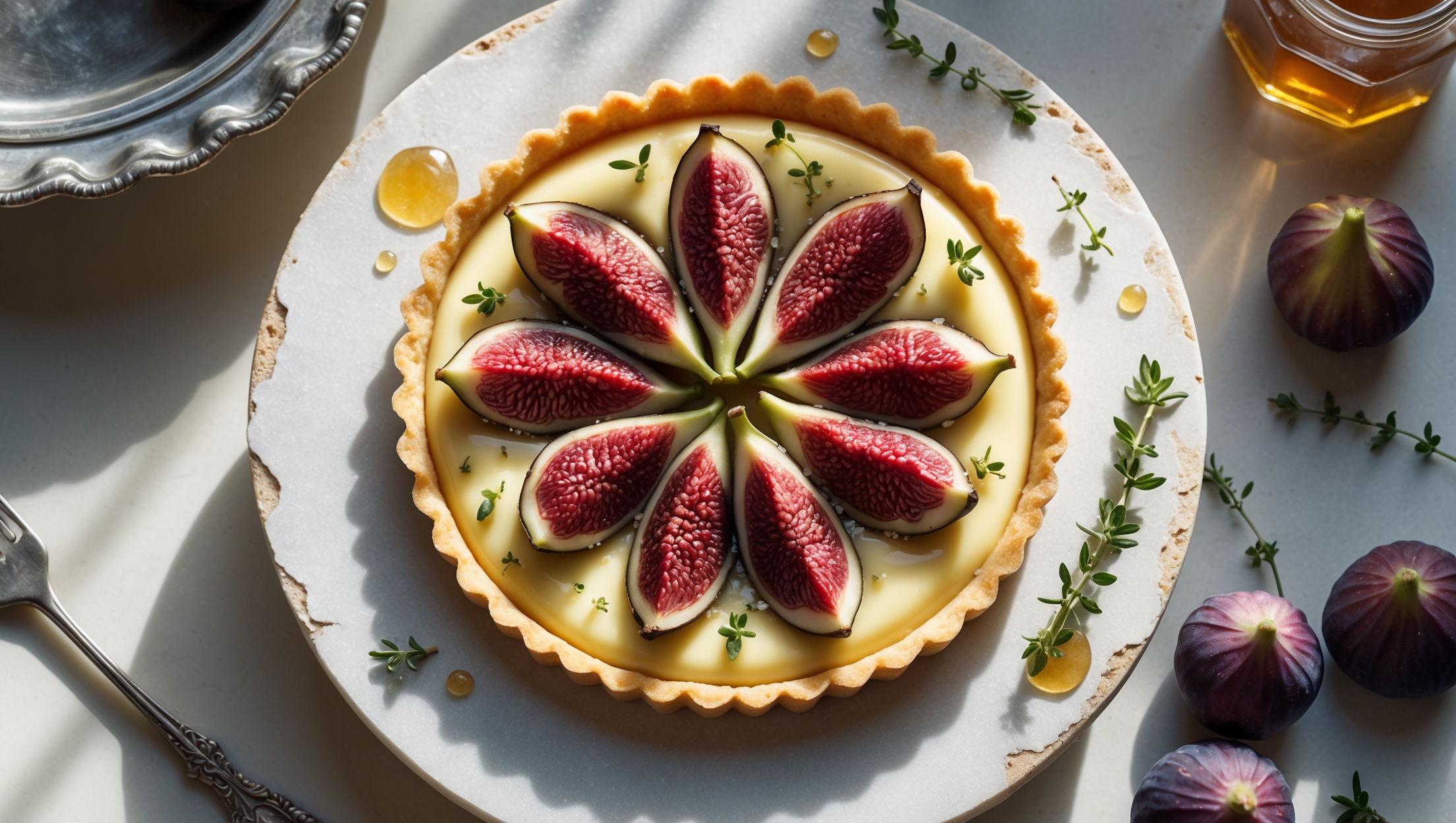
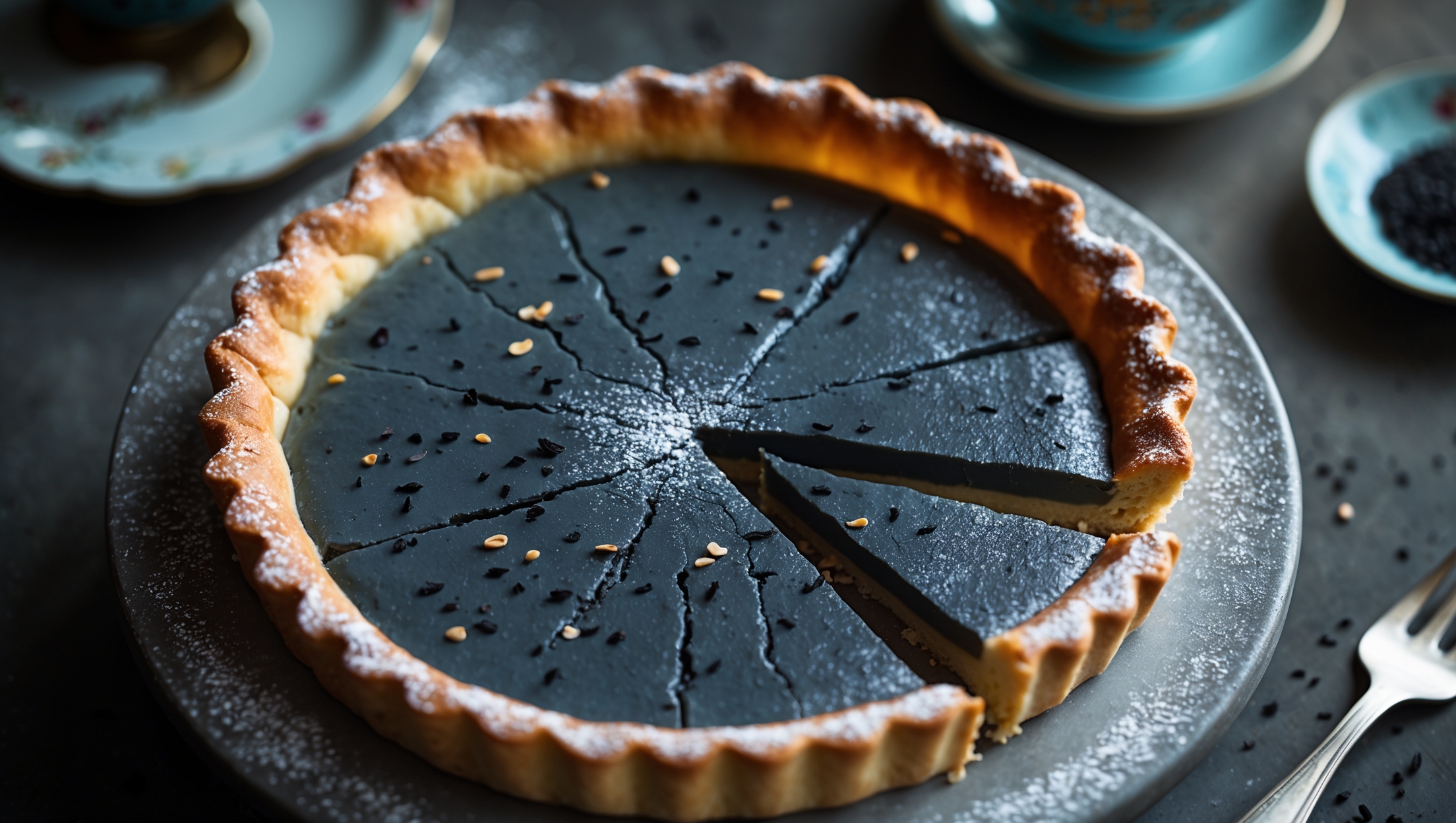
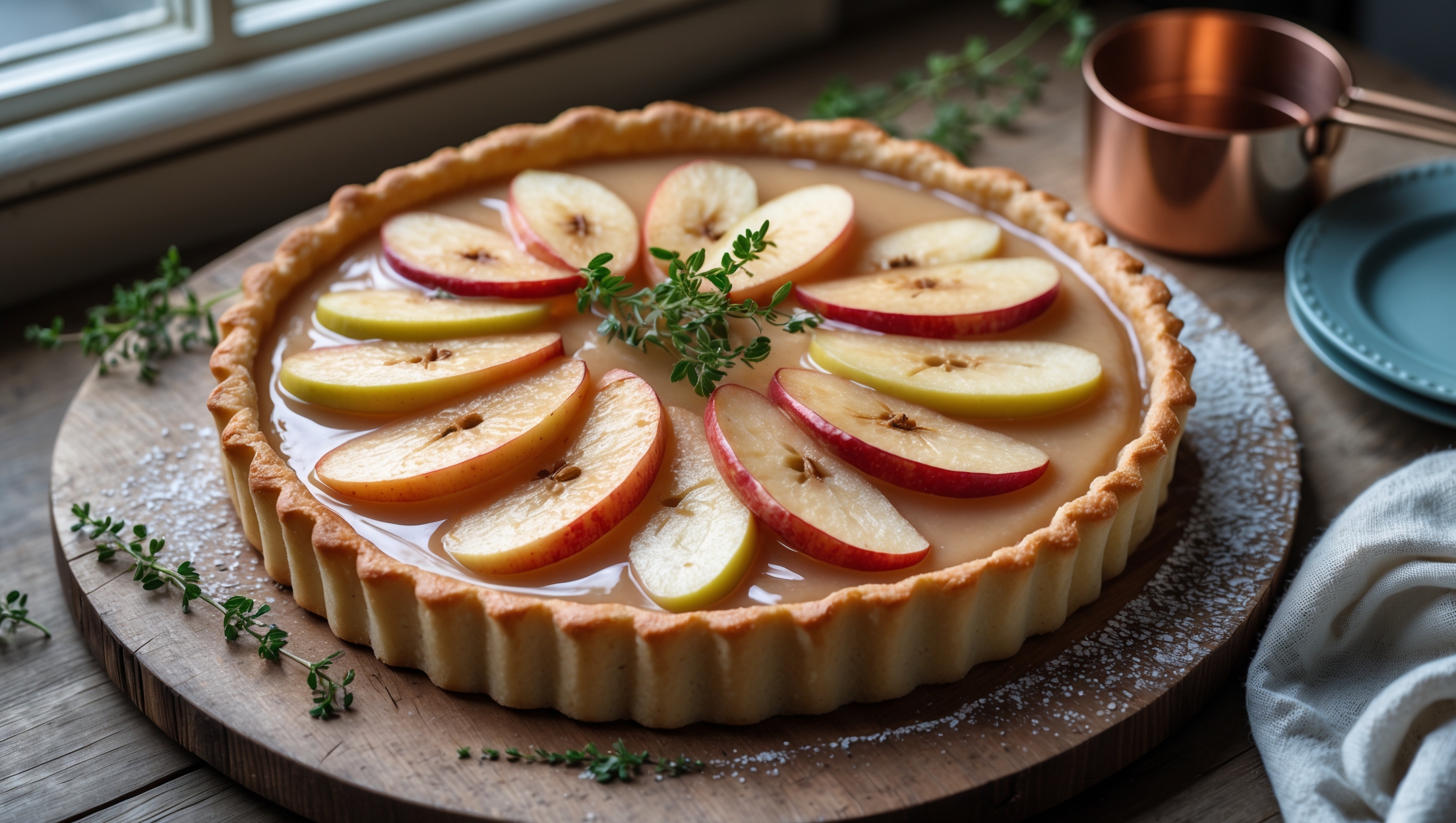
An overhead shot of a perfectly golden Orange Blossom Custard Tart resting on an antique ceramic cake stand, capturing the smooth, glossy surface of the pale yellow custard. Soft natural light highlights the fluted edges of the buttery pastry shell, while thin orange slices and crystallized edible flowers decorate the top in a simple spiral pattern. A cross-section view reveals the distinct layers of crisp pastry and velvety custard, with tiny specks of orange zest visible throughout. The scene is completed with scattered fresh orange segments and delicate orange blossom sprigs on a marble countertop, creating a fresh spring aesthetic that emphasizes the tart's fragrant, citrus character.

Ingredients

<ul class="ingredients-main-list"><li class="ingredients-single-item">For the pastry:</li><li class="ingredients-single-item">200g plain flour</li><li class="ingredients-single-item">100g cold unsalted butter, cubed</li><li class="ingredients-single-item">30g icing sugar</li><li class="ingredients-single-item">1 large egg yolk</li><li class="ingredients-single-item">2-3 tbsp ice-cold water</li><li class="ingredients-single-item">¼ tsp salt</li><li class="ingredients-single-item">For the custard filling:</li><li class="ingredients-single-item">500ml whole milk</li><li class="ingredients-single-item">Zest of 2 oranges</li><li class="ingredients-single-item">5 large egg yolks</li><li class="ingredients-single-item">100g caster sugar</li><li class="ingredients-single-item">40g cornflour</li><li class="ingredients-single-item">2 tbsp orange blossom water (or rose water)</li><li class="ingredients-single-item">1 tsp vanilla extract</li><li class="ingredients-single-item">25g unsalted butter, softened</li><li class="ingredients-single-item">For decoration (optional):</li><li class="ingredients-single-item">Thin orange slices</li><li class="ingredients-single-item">Edible flowers</li><li class="ingredients-single-item">2 tbsp apricot jam, warmed and strained</li></ul>

Equipment

<ul class="equipment-main-list"><li class="equipment-single-item">23cm fluted tart tin with removable base</li><li class="equipment-single-item">Baking beans or uncooked rice</li><li class="equipment-single-item">Baking parchment</li><li class="equipment-single-item">Fine mesh sieve</li><li class="equipment-single-item">Whisk</li><li class="equipment-single-item">Food processor (optional)</li></ul>
BAKE SMARTER

Kitchen Converter

Quickly switch between common baking units without leaving the recipe.

Convert
Result—

Volume uses US cups, tablespoons, and teaspoons. Converting weight to volume depends on the ingredient.

Directions

<ol class="no-list-style"><li class="MethodStepper"><h4 class="step-title">Step 1</h4>Make the pastry by placing the flour, cubed cold butter, icing sugar and salt in a food processor and pulse until the mixture resembles fine breadcrumbs. Alternatively, rub the butter into the dry ingredients with your fingertips. Working with cold butter is crucial as it creates flaky pockets in the pastry when it melts during baking.</li><li class="MethodStepper"><h4 class="step-title">Step 2</h4>Add the egg yolk and 2 tablespoons of ice-cold water, then pulse or mix gently until the dough just comes together. If the mixture seems too dry, add the remaining tablespoon of water, but be careful not to overwork the dough or it will become tough. Form the dough into a disc, wrap in cling film, and refrigerate for at least 30 minutes to relax the gluten.</li><li class="MethodStepper"><h4 class="step-title">Step 3</h4>Preheat your oven to 180°C (160°C fan/350°F/Gas 4). Roll out the chilled pastry on a lightly floured surface to about 3mm thickness, ensuring it's large enough to line your tart tin. Carefully transfer the pastry to the tin, pressing it gently into the fluted edges. Trim any excess pastry but leave a slight overhang to allow for shrinkage.</li><li class="MethodStepper"><h4 class="step-title">Step 4</h4>Line the pastry case with baking parchment and fill with baking beans or rice. Blind bake for 15 minutes, then remove the beans and parchment and bake for another 5-8 minutes until the base is lightly golden and feels dry to the touch. This creates a moisture barrier that helps prevent a soggy bottom. Trim any remaining overhang with a sharp knife and let cool slightly.</li><li class="MethodStepper"><h4 class="step-title">Step 5</h4>While the pastry is cooling, prepare the custard filling. In a medium saucepan, heat the milk with the orange zest until just below simmering point. Remove from heat, cover, and let infuse for 15 minutes to extract the citrus oils from the zest.</li><li class="MethodStepper"><h4 class="step-title">Step 6</h4>In a large bowl, whisk together the egg yolks, sugar, and cornflour until pale and thick. The cornflour acts as a stabilizer, helping the custard set without curdling. Strain the infused milk through a fine sieve onto the egg mixture, whisking constantly to prevent the eggs from scrambling.</li><li class="MethodStepper"><h4 class="step-title">Step 7</h4>Return the mixture to a clean saucepan and cook over medium-low heat, stirring constantly with a wooden spoon or heat-resistant spatula. Pay close attention as the mixture begins to thicken – this should take about 5-8 minutes. You're looking for a coating consistency where the custard coats the back of a spoon and when you run your finger through it, the line remains clear.</li><li class="MethodStepper"><h4 class="step-title">Step 8</h4>Once thickened, remove from heat and immediately stir in the orange blossom water, vanilla extract, and softened butter. The butter enriches the custard and gives it a beautiful sheen. If you notice any lumps, pass the custard through a sieve for perfectly smooth results.</li><li class="MethodStepper"><h4 class="step-title">Step 9</h4>Pour the warm custard into the pastry case and smooth the top with an offset spatula. Allow to cool for 20 minutes at room temperature, then refrigerate for at least 4 hours or ideally overnight to fully set. The slow cooling helps prevent condensation forming on the surface.</li><li class="MethodStepper"><h4 class="step-title">Step 10</h4>To decorate, arrange thin orange slices and edible flowers in a pattern on top of the set custard. For a professional finish, lightly brush with warmed and strained apricot jam to create a beautiful glaze that will also help preserve the freshness of your decorations.</li><li class="MethodStepper"><h4 class="step-title">Step 11</h4>Carefully remove the tart from the tin by placing it on a can and gently sliding the outer ring downward. Transfer to a serving plate and slice with a sharp knife dipped in hot water and wiped dry between cuts for the cleanest presentation. This tart is best enjoyed on the day it's completed but will keep refrigerated for up to 2 days.</li></ol>

Nutrition Facts (per serving)

🍽️ Serving Size: 1 cocktail
🔥 Calories: 220 calories
🥑 Fat: 0 g
🧈 Saturated Fat: 0 g
🍞 Carbohydrates: 24 g
🍭 Sugar: 20 g
🍗 Protein: 1 g
🫀 Cholesterol: 0 mg
🧂 Sodium: 5 mg

Chef’s Notes

A few helpful details for making this recipe.

Can I substitute orange blossom water with something else in a custard tart?

Yes, you can substitute orange blossom water with rose water for a different floral note. Alternatively, use 2 teaspoons of good quality orange extract or the juice of half an orange plus additional zest for a purely citrus flavour without the floral complexity.

Why is my custard filling not setting properly?

Custard may not set properly if it wasn't cooked long enough to activate the cornflour, if you used less egg yolks than called for, or if it wasn't refrigerated long enough. Ensure you cook until the mixture coats the back of a spoon and chill for at least 4 hours.

What's the secret to achieving a crisp pastry base for a custard tart?

The secret to a crisp pastry base is thorough blind baking - line with parchment and baking beans, then bake until the edges are golden. Remove the beans and continue baking until the base is dry and lightly golden. This creates a moisture barrier against the wet filling.

Want to try something else in ...

More recipes you might like

Keep exploring with more recipes from What's Baking.