Directions
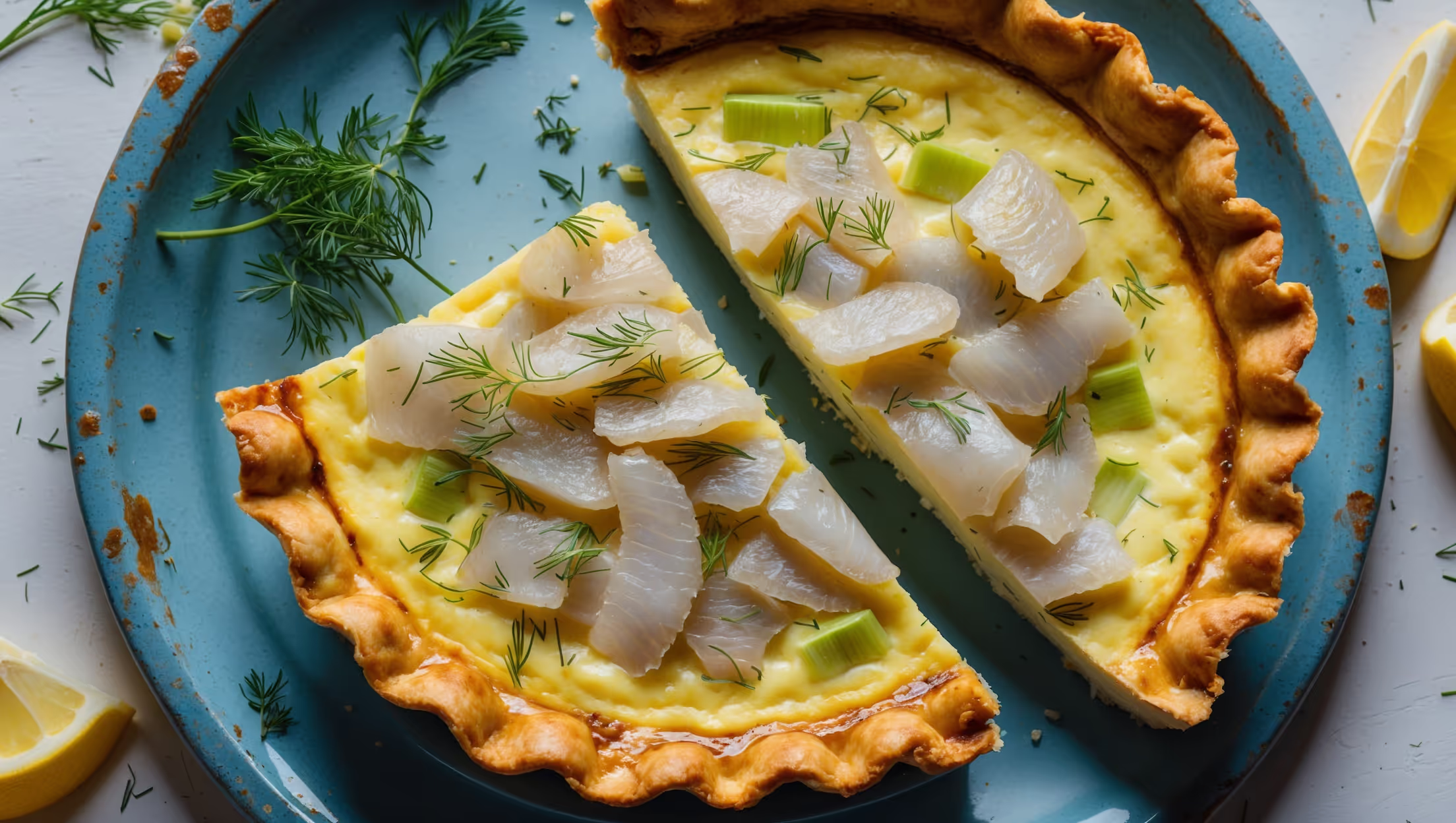
<ol class="no-list-style"><li class="MethodStepper"><h4 class="step-title">Step 1</h4>Begin with the pastry by placing the flour and salt in a large bowl. Add the cold cubed butter and rub it into the flour using your fingertips until the mixture resembles breadcrumbs (keeping everything as cool as possible helps create a flakier crust). Make a well in the center and add the ice-cold water, 1 tablespoon at a time, mixing with a knife until the dough just comes together. The cold water prevents the butter from melting, ensuring those crucial buttery layers form during baking.</li><li class="MethodStepper"><h4 class="step-title">Step 2</h4>Turn the dough onto a lightly floured surface and gently bring together into a disc without overworking (overhandling develops gluten, making the pastry tough). Wrap in cling film and refrigerate for at least 30 minutes – this relaxes the gluten and firms the butter, ensuring your pastry doesn't shrink during baking.</li><li class="MethodStepper"><h4 class="step-title">Step 3</h4>Preheat your oven to 190°C (170°C fan). Roll out the chilled pastry on a lightly floured surface to about 3mm thickness, creating a circle large enough to line your tart tin with slight overhang. Carefully drape the pastry over your rolling pin to transfer it to the tin, then gently press it into the corners without stretching it. Trim the excess, leaving a small overhang to allow for shrinkage.</li><li class="MethodStepper"><h4 class="step-title">Step 4</h4>Line the pastry case with baking parchment and fill with baking beans. Blind-bake for 15 minutes, then remove the beans and parchment and return to the oven for another 5-7 minutes until the base is lightly golden but not fully baked. The initial blind baking with weights prevents the pastry from puffing up, while the second stage without weights ensures the base cooks through, preventing a soggy bottom.</li><li class="MethodStepper"><h4 class="step-title">Step 5</h4>While the pastry bakes, prepare your filling. Heat the butter and olive oil in a frying pan over medium heat. Add the sliced leek and cook gently for 5-7 minutes until soft but not browned. The combination of butter and oil allows higher heat without burning, while giving excellent flavor. Transfer to a plate to cool slightly.</li><li class="MethodStepper"><h4 class="step-title">Step 6</h4>If using raw seafood, pat it dry with paper towels (excess moisture will make your filling watery). Add the seafood to the same pan and cook very briefly – about 1 minute for small shrimp or scallop pieces – just until they begin to turn opaque. They'll continue cooking in the oven, so it's better to undercook slightly at this stage. Transfer to the plate with the leeks and allow to cool. Stir in the chopped herbs.</li><li class="MethodStepper"><h4 class="step-title">Step 7</h4>In a large jug or bowl, whisk together the eggs, cream, milk, salt, white pepper, and nutmeg until well combined. The fat content in the cream and whole milk creates that silky, luxurious texture that defines a perfect quiche.</li><li class="MethodStepper"><h4 class="step-title">Step 8</h4>Reduce the oven temperature to 180°C (160°C fan). Scatter the seafood and leek mixture evenly over the base of the pastry case. Sprinkle half the grated cheese on top, then carefully pour in the custard mixture, ensuring you don't overfill (leave about 5mm from the top). Sprinkle the remaining cheese on top.</li><li class="MethodStepper"><h4 class="step-title">Step 9</h4>Bake in the center of the oven for 25-30 minutes until the filling is set but still has a slight wobble in the center – like a gentle jiggle rather than a wave. The quiche will continue to set as it cools, and overbaking will cause the proteins in the eggs to tighten too much, resulting in a rubbery texture.</li><li class="MethodStepper"><h4 class="step-title">Step 10</h4>Allow to cool in the tin for 15-20 minutes before carefully removing. This resting period is crucial as it allows the custard to fully set while preventing a temperature shock that could cause sinking. Serve warm or at room temperature with a crisp green salad. Your New England Seafood Quiche can be stored in the refrigerator for up to 3 days and reheated gently in a 160°C oven until just warmed through.</li></ol>