Directions
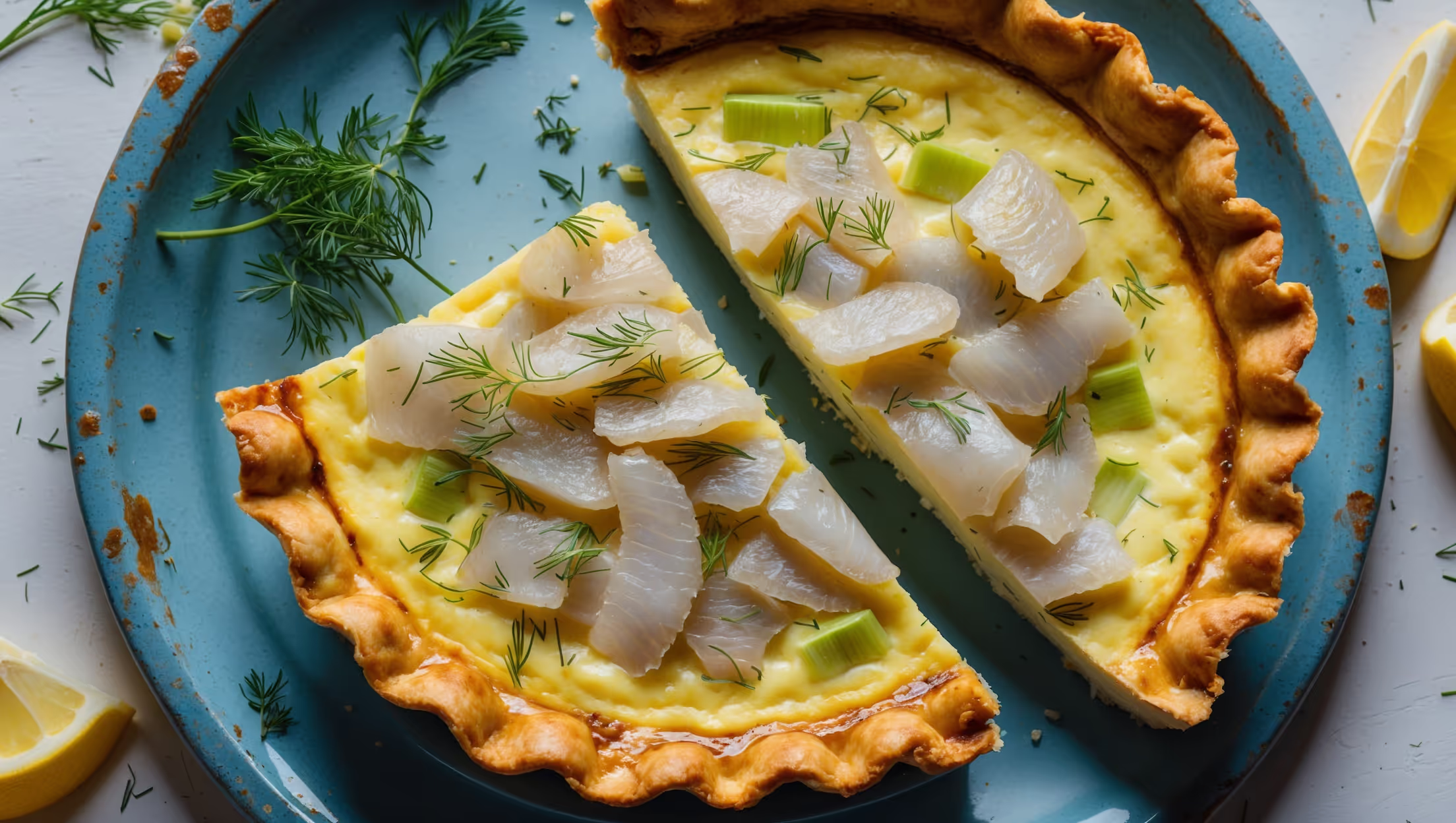
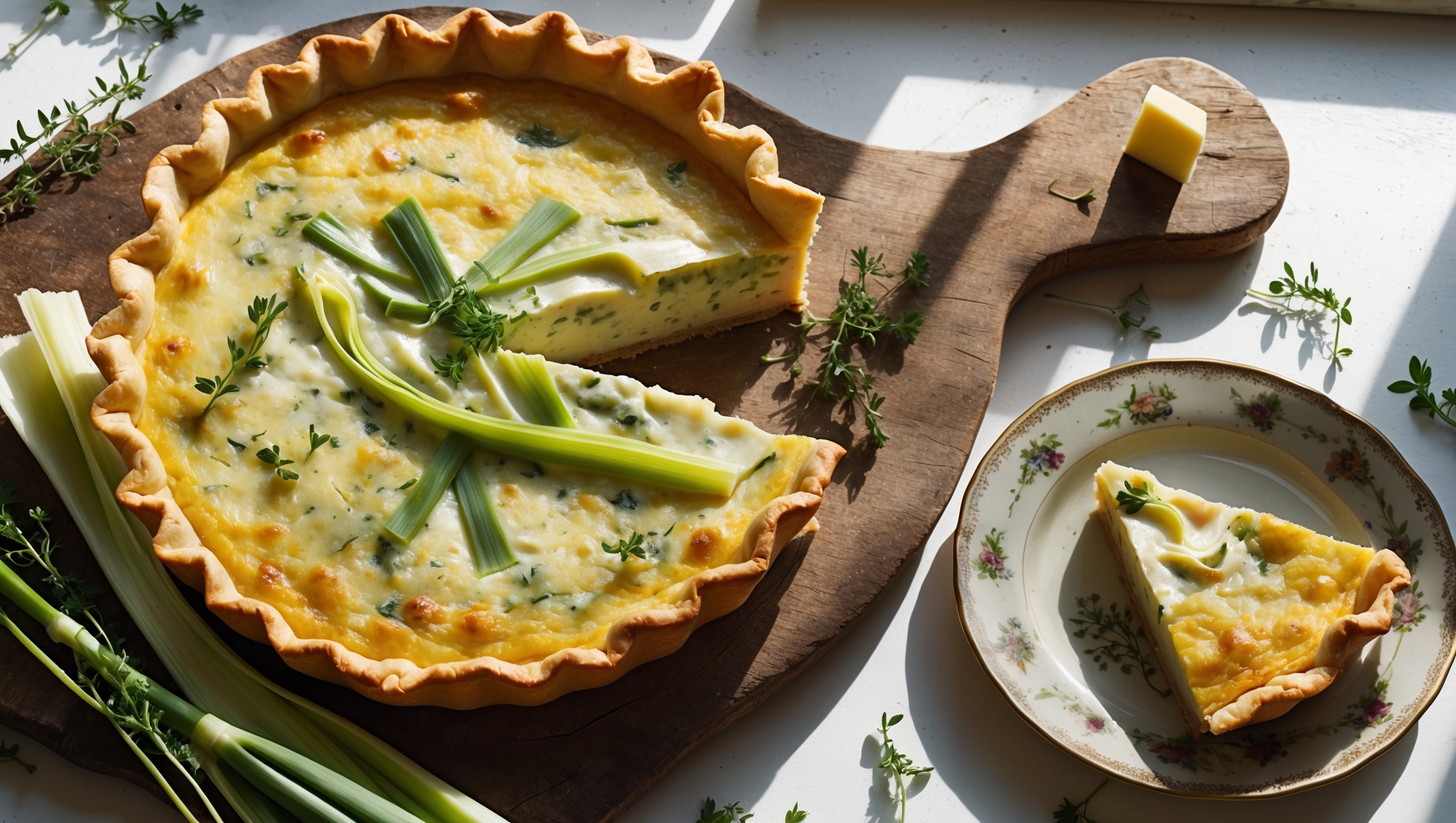
<ol class="no-list-style"><li class="MethodStepper"><h4 class="step-title">Step 1</h4>Start by making the pastry. Place the flour and salt in a large bowl and rub in the cold cubed butter using your fingertips until the mixture resembles breadcrumbs. Working with cold ingredients helps develop minimal gluten, ensuring a tender, flaky crust.</li><li class="MethodStepper"><h4 class="step-title">Step 2</h4>Add the egg yolk and 3 tablespoons of ice-cold water, then use a knife to bring the mixture together. If needed, add the remaining tablespoon of water – you want a dough that holds together without being sticky. Form into a disc, wrap in cling film and chill for at least 30 minutes; this relaxes the gluten and firms the butter, preventing pastry shrinkage.</li><li class="MethodStepper"><h4 class="step-title">Step 3</h4>While the pastry chills, prepare the filling. Place the smoked haddock in a wide pan, add the milk and bay leaf, and bring to a gentle simmer. Cook for about 5 minutes until the fish just begins to flake. Remove the fish, strain and reserve the milk (discarding the bay leaf), and allow both to cool.</li><li class="MethodStepper"><h4 class="step-title">Step 4</h4>Preheat your oven to 190°C (170°C fan/gas mark 5). On a lightly floured surface, roll out your chilled pastry to about 3mm thick and use it to line your tart tin, pressing gently into the fluted edges. Leave a slight overhang to allow for shrinkage. Prick the base with a fork (this prevents air bubbles from forming).</li><li class="MethodStepper"><h4 class="step-title">Step 5</h4>Line the pastry case with baking parchment and fill with baking beans or uncooked rice. Blind bake for 15 minutes, then remove the parchment and beans, and return to the oven for another 5-7 minutes until the base is pale golden and feels dry to the touch. This crucial step prevents the dreaded "soggy bottom."</li><li class="MethodStepper"><h4 class="step-title">Step 6</h4>While the pastry bakes, melt the butter in a frying pan and gently cook the sliced leeks for about 10 minutes until soft but not colored. Leeks should be translucent and tender – browning will create a bitter taste in your quiche.</li><li class="MethodStepper"><h4 class="step-title">Step 7</h4>Remove any skin from the cooled haddock and flake the flesh into bite-sized pieces, checking carefully for any bones. Arrange the flaked fish and softened leeks evenly over the base of the blind-baked pastry case.</li><li class="MethodStepper"><h4 class="step-title">Step 8</h4>In a jug, whisk together the eggs, cream, 100ml of the reserved poaching milk, chopped herbs, a good grinding of black pepper, and a pinch of nutmeg. The poaching milk adds an extra dimension of smoky flavor to your custard base.</li><li class="MethodStepper"><h4 class="step-title">Step 9</h4>Carefully pour the egg mixture over the fish and leeks, making sure the filling is evenly distributed but not overfilled – leave about 5mm from the top as the custard will puff up slightly during baking.</li><li class="MethodStepper"><h4 class="step-title">Step 10</h4>Reduce the oven temperature to 180°C (160°C fan/gas mark 4) and bake the quiche for 25-30 minutes until the filling is set but still has a slight wobble in the center – like a good crème brûlée. The custard will continue cooking from residual heat after removing from the oven.</li><li class="MethodStepper"><h4 class="step-title">Step 11</h4>Allow the quiche to cool for at least 15 minutes before trimming any excess pastry and removing from the tin. This resting period allows the custard to set fully and makes slicing much cleaner.</li><li class="MethodStepper"><h4 class="step-title">Step 12</h4>Serve warm or at room temperature with a crisp green salad. The quiche can be stored in the refrigerator for up to 3 days and gently reheated, or frozen for up to 1 month. If freezing, allow to cool completely before wrapping well and freezing.</li></ol>