Directions
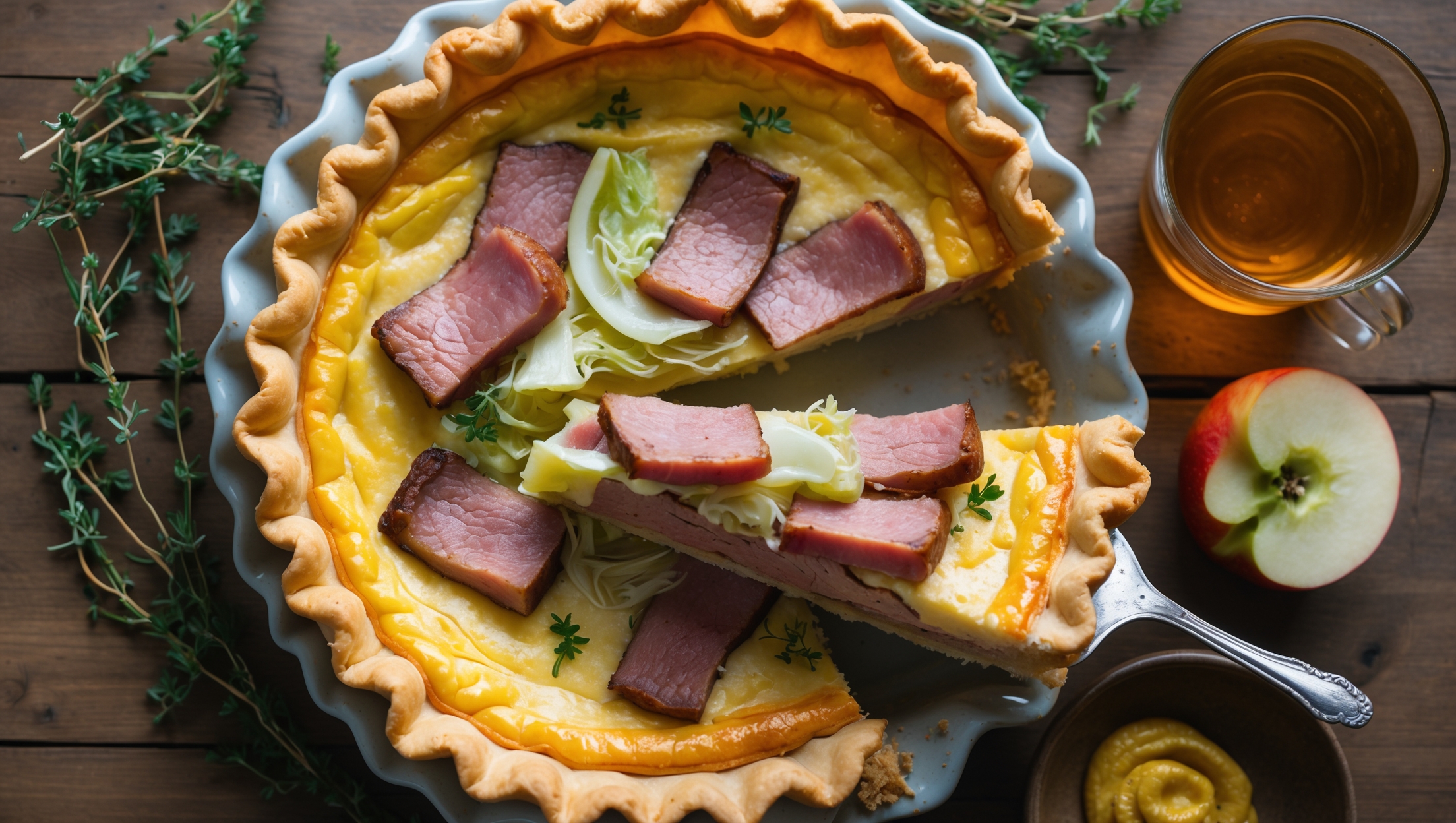
<ol class="no-list-style"><li class="MethodStepper"><h4 class="step-title">Step 1</h4>Begin by preparing the pastry. In a food processor or large bowl, combine the flour and salt, then add the cold cubed butter. Pulse or use fingertips to rub the butter into the flour until the mixture resembles breadcrumbs (keeping butter cold creates steam during baking, resulting in flaky layers). Add the egg yolk and gradually incorporate just enough ice water to form a cohesive dough that isn't sticky. Shape into a disc, wrap in cling film, and refrigerate for at least 30 minutes to relax the gluten.</li><li class="MethodStepper"><h4 class="step-title">Step 2</h4>While the pastry chills, prepare the pork belly. Cut it into 2cm cubes and season generously with salt and pepper. Heat the vegetable oil in a heavy-based casserole dish over medium-high heat until shimmering. Working in batches (overcrowding leads to steaming rather than browning), sear the pork belly pieces until golden brown on all sides, about 2-3 minutes per batch. Transfer to a plate and set aside.</li><li class="MethodStepper"><h4 class="step-title">Step 3</h4>Reduce the heat to medium and add the sliced onions to the same pan with the remaining pork fat. Cook gently for 8-10 minutes until soft and translucent but not colored. Add the garlic and cook for another minute until fragrant. Add the sliced cabbage and cook for 5 minutes, stirring occasionally, until it begins to wilt slightly.</li><li class="MethodStepper"><h4 class="step-title">Step 4</h4>Pour in the cider, cider vinegar, and add the brown sugar, bay leaves, and thyme sprigs. Stir well, scraping any browned bits from the bottom of the pan (these contain concentrated flavor). Return the pork belly to the pan, bring to a simmer, then reduce heat to low. Cover and cook gently for 1.5-2 hours, stirring occasionally, until the pork is tender and the cabbage has softened and absorbed the flavors. The liquid should reduce to a glossy coating - if it's too wet, remove the lid for the final 15-20 minutes to reduce.</li><li class="MethodStepper"><h4 class="step-title">Step 5</h4>When the filling is nearly done, preheat your oven to 190°C (170°C fan). Remove the pastry from the refrigerator and let it sit for 5-10 minutes to become pliable. Roll out on a lightly floured surface to about 3-4mm thickness, creating a circle large enough to line your tart tin with some overhang. Handle the pastry as little as possible to prevent it becoming tough.</li><li class="MethodStepper"><h4 class="step-title">Step 6</h4>Carefully drape the pastry over your rolling pin and transfer to the tart tin, gently pressing into the corners without stretching (stretching causes shrinkage during baking). Roll your rolling pin over the top to trim excess pastry, then prick the base all over with a fork. Line with baking parchment and fill with ceramic baking beans or dried pulses. Blind bake for 15 minutes, then remove the beans and parchment and bake for a further 5-7 minutes until the base is dry and pale golden (this prevents a soggy bottom).</li><li class="MethodStepper"><h4 class="step-title">Step 7</h4>While the pastry case cools slightly, remove the bay leaves and thyme sprigs from the filling. Taste and adjust seasoning if needed - the filling should be well-seasoned as it will be diluted by the custard. Allow to cool for 10 minutes before assembling the quiche.</li><li class="MethodStepper"><h4 class="step-title">Step 8</h4>For the custard, whisk together the eggs, double cream, milk, grated nutmeg, salt, and pepper until completely combined. Spoon the cooled pork and cabbage filling evenly into the pastry case, ensuring an even distribution of pork pieces. Sprinkle over half the grated Gruyère, then carefully pour in the custard mixture, allowing it to flow around the filling (pouring too quickly can disturb your filling arrangement). Finish with the remaining cheese.</li><li class="MethodStepper"><h4 class="step-title">Step 9</h4>Place the quiche on a baking sheet (to catch any potential leaks) and bake in the oven for 35-40 minutes until the filling is just set with a slight wobble in the center and the top is golden brown. The custard will continue to firm up as it cools (overbaking causes cracks and a rubbery texture). If the top is browning too quickly, cover loosely with foil.</li><li class="MethodStepper"><h4 class="step-title">Step 10</h4>Allow the quiche to rest for at least 20-30 minutes before serving - this crucial resting period allows the custard to set fully and the flavors to meld. Serve warm or at room temperature for the best flavor. This quiche pairs beautifully with a crisp green salad and, naturally, a glass of dry cider. It will keep well refrigerated for up to 3 days and can be gently reheated or enjoyed cold.</li></ol>