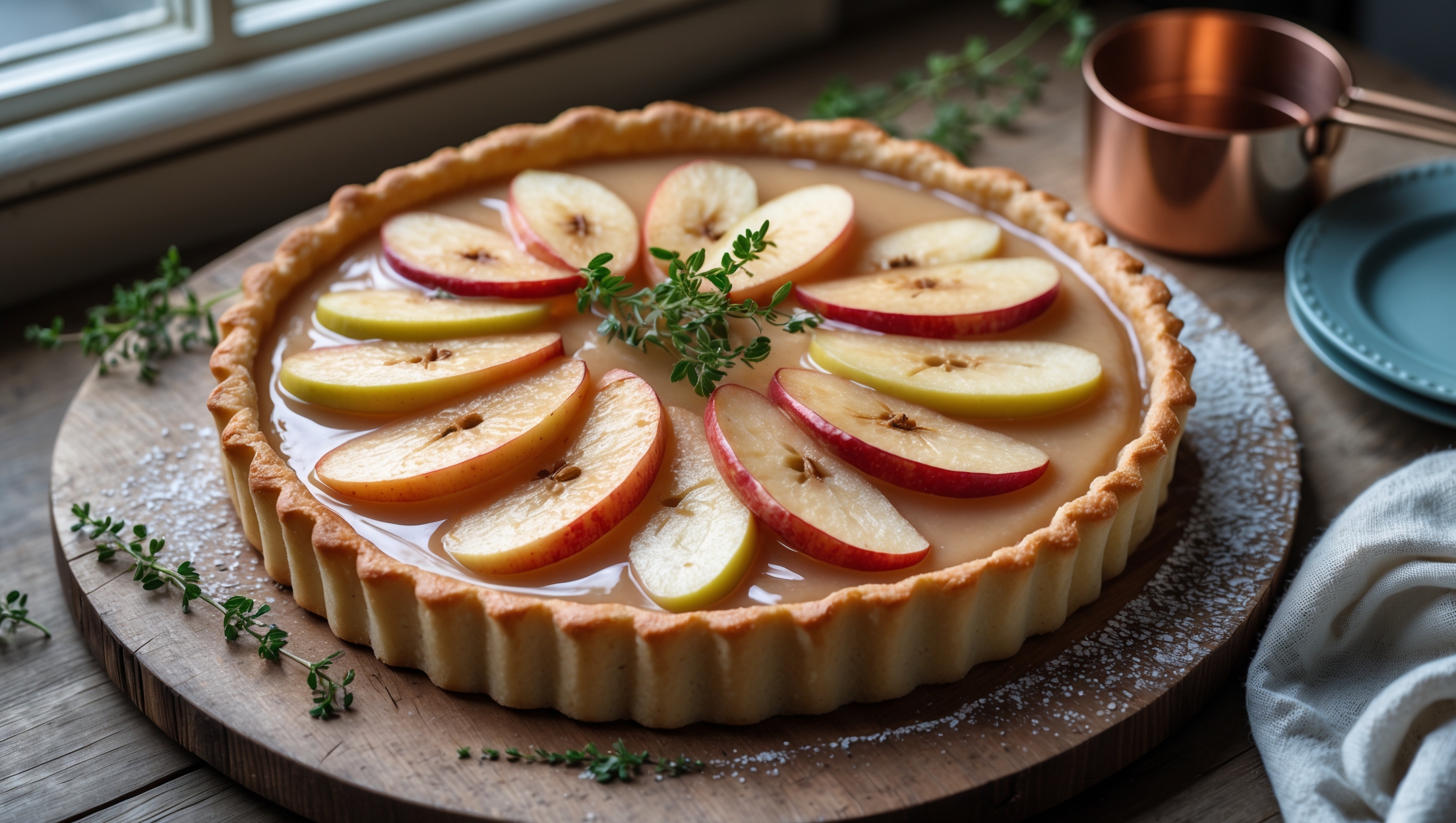
Directions
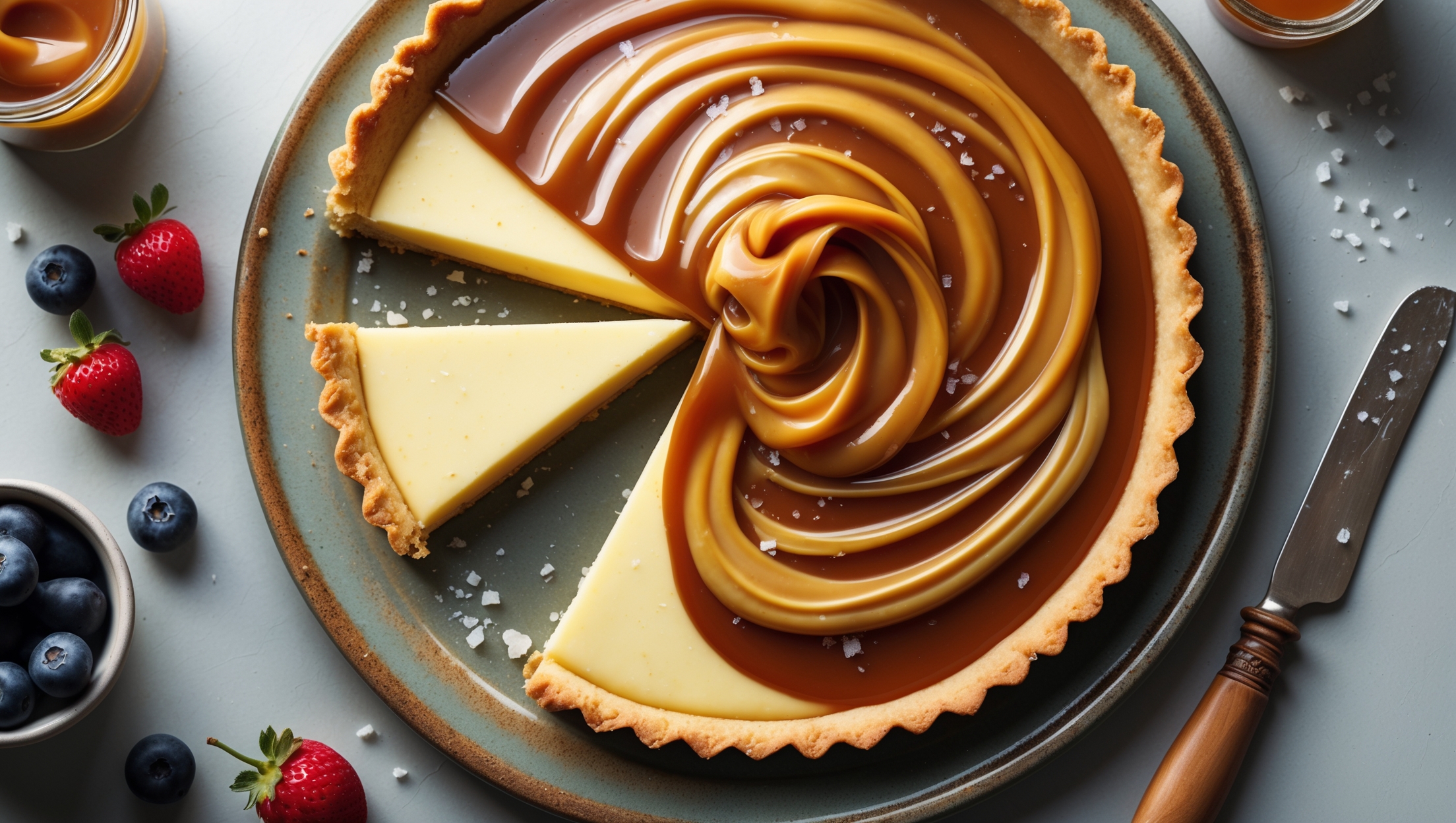
<ol class="no-list-style"><li class="MethodStepper"><h4 class="step-title">Step 1</h4>Start by making the pastry. Place the flour, salt, and cold cubed butter in a food processor and pulse until the mixture resembles fine breadcrumbs (or rub the butter into the flour by hand). The cold butter creates pockets of steam during baking, resulting in flaky layers.</li><li class="MethodStepper"><h4 class="step-title">Step 2</h4>Add the icing sugar and pulse briefly to combine. With the motor running, add the egg yolk followed by just enough ice-cold water to bring the dough together into a ball. The dough should be firm but pliable, not sticky or crumbly.</li><li class="MethodStepper"><h4 class="step-title">Step 3</h4>Turn the dough onto a lightly floured surface, shape into a disc, wrap in cling film and refrigerate for at least 30 minutes. This resting time is crucial as it allows the gluten to relax (preventing shrinkage) and the butter to firm up.</li><li class="MethodStepper"><h4 class="step-title">Step 4</h4>Preheat your oven to 180°C. Roll out the chilled pastry on a lightly floured surface to about 3-4mm thickness, making sure it's large enough to line your tart tin with some overhang. Carefully drape the pastry over your rolling pin to transfer it to the tin, pressing it gently into the corners without stretching.</li><li class="MethodStepper"><h4 class="step-title">Step 5</h4>Trim the excess pastry, leaving about 1cm overhang (this helps prevent shrinkage). Prick the base all over with a fork, then line with parchment paper and fill with baking beans or rice. Blind bake for 15 minutes until the edges are turning golden.</li><li class="MethodStepper"><h4 class="step-title">Step 6</h4>Remove the beans and parchment, then return the tart to the oven for another 10 minutes until the base is golden and crisp. The bottom should look dry and set, not doughy. Trim any remaining overhang with a sharp knife for a clean edge, then leave to cool while you make the custard.</li><li class="MethodStepper"><h4 class="step-title">Step 7</h4>For the custard, place the milk and vanilla in a saucepan and heat until just below boiling point - you'll see small bubbles around the edge. Meanwhile, in a large heatproof bowl, whisk together the egg yolks, sugar and cornflour until pale and smooth.</li><li class="MethodStepper"><h4 class="step-title">Step 8</h4>Very slowly pour the hot milk into the egg mixture while whisking constantly to prevent the eggs from scrambling. This gentle tempering is crucial for a silky-smooth custard. Once combined, pour the mixture back into the saucepan.</li><li class="MethodStepper"><h4 class="step-title">Step 9</h4>Cook over medium heat, stirring continuously with a wooden spoon or heatproof spatula, until the custard thickens significantly - it should coat the back of your spoon and leave a clear path when you run your finger through it. This will take about 5-7 minutes; don't rush this step or your custard may be too loose.</li><li class="MethodStepper"><h4 class="step-title">Step 10</h4>Remove from heat and strain through a fine-mesh sieve into a clean bowl to ensure absolute smoothness. Cover the surface directly with cling film (to prevent a skin forming) and allow to cool slightly for about 10 minutes - the custard should still be warm but not hot when pouring into the pastry case.</li><li class="MethodStepper"><h4 class="step-title">Step 11</h4>Pour the warm custard into the cooled pastry case, smoothing the top with a spatula. Give the tin a gentle tap on the counter to release any air bubbles. Allow to cool completely at room temperature, then refrigerate for at least 2 hours, preferably 4, until the custard is firmly set.</li><li class="MethodStepper"><h4 class="step-title">Step 12</h4>Once the custard is set, gently warm the dulce de leche in a small saucepan or microwave until it's just spreadable, but not hot. Carefully spread it over the custard layer in an even layer, or create decorative swirls using the back of a spoon.</li><li class="MethodStepper"><h4 class="step-title">Step 13</h4>If desired, sprinkle with a tiny amount of flaky sea salt to enhance the caramel flavor. Refrigerate for another 30 minutes to set the dulce de leche before serving. The contrast between the crisp pastry, creamy custard and rich dulce de leche creates a wonderful textural experience.</li></ol>