Directions
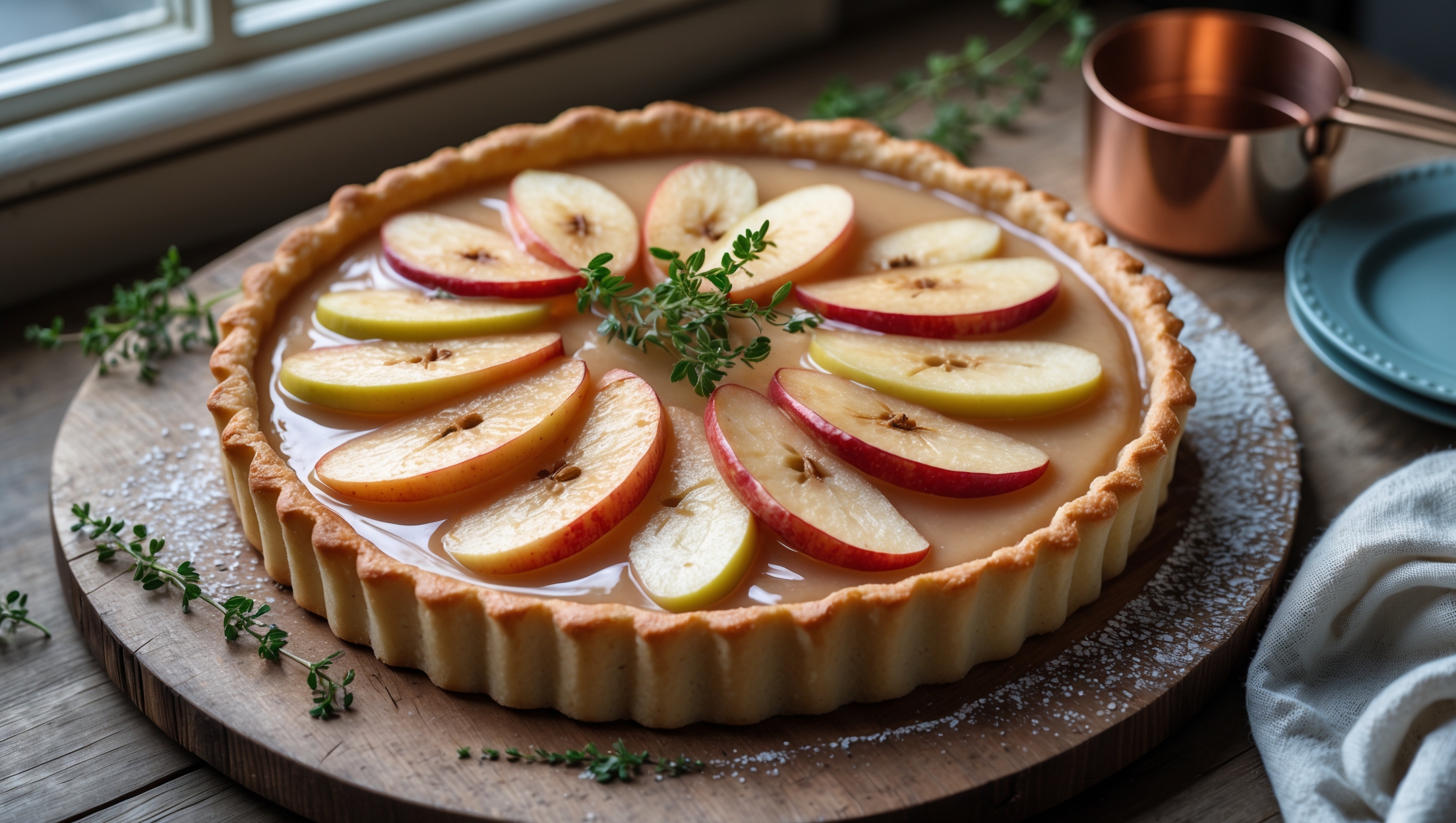
<ol class="no-list-style"><li class="MethodStepper"><h4 class="step-title">Step 1</h4>Start by making the pastry. In a food processor (or by hand using your fingertips), combine the flour, cold butter cubes, and salt until the mixture resembles fine breadcrumbs. The cold butter is essential for creating a flaky pastry as it creates pockets of steam during baking that lift the layers.</li><li class="MethodStepper"><h4 class="step-title">Step 2</h4>Add the icing sugar and pulse briefly to combine. Then add the egg yolk and 2 tablespoons of ice-cold water, pulsing until the dough just begins to come together. If needed, add the remaining tablespoon of water, but be careful not to overwork the dough as this develops gluten, resulting in a tough pastry.</li><li class="MethodStepper"><h4 class="step-title">Step 3</h4>Turn the dough onto a lightly floured surface and shape into a disc. Wrap in cling film and refrigerate for at least 30 minutes. This resting period allows the gluten to relax and the butter to firm up, preventing shrinkage during baking.</li><li class="MethodStepper"><h4 class="step-title">Step 4</h4>Preheat your oven to 180°C (160°C fan/350°F). Roll out the chilled pastry on a floured surface to about 3-4mm thickness and large enough to line your tart tin. Carefully transfer the pastry to the tin, gently pressing it into the corners without stretching it. Trim the excess and prick the base with a fork several times.</li><li class="MethodStepper"><h4 class="step-title">Step 5</h4>Line the pastry case with baking parchment and fill with baking beans or rice. Blind bake for 15 minutes, then remove the paper and weights and bake for another 5-7 minutes until the pastry is golden and crisp. The blind baking ensures your tart base won't become soggy once filled. Set aside to cool while you make the custard.</li><li class="MethodStepper"><h4 class="step-title">Step 6</h4>For the coconut custard, heat the coconut milk and cream in a saucepan until just below boiling point. Meanwhile, in a large bowl, whisk together the egg yolks, sugar, and cornstarch until pale and thick. The cornstarch will help stabilize your custard, preventing it from curdling.</li><li class="MethodStepper"><h4 class="step-title">Step 7</h4>Gradually pour the hot coconut milk mixture into the egg mixture, whisking constantly to prevent the eggs from scrambling. This technique is called tempering and is crucial for a smooth custard. Return the entire mixture to the saucepan.</li><li class="MethodStepper"><h4 class="step-title">Step 8</h4>Cook over medium heat, stirring constantly with a wooden spoon or silicone spatula, until the custard thickens and coats the back of the spoon. This should take about 5-7 minutes. You'll know it's ready when you can draw a line through the custard on the back of the spoon and it holds its shape.</li><li class="MethodStepper"><h4 class="step-title">Step 9</h4>Remove from heat and stir in the vanilla extract and desiccated coconut. Pass the custard through a fine-mesh sieve to remove any lumps, pressing the coconut through as well. This extra step ensures your custard will be silky smooth with delightful coconut texture throughout.</li><li class="MethodStepper"><h4 class="step-title">Step 10</h4>Pour the custard into the cooled tart shell and smooth the surface with a spatula. Cover with cling film, pressing it directly onto the surface of the custard to prevent a skin from forming. Refrigerate for at least 4 hours, or ideally overnight, until the custard is completely set.</li><li class="MethodStepper"><h4 class="step-title">Step 11</h4>When ready to serve, prepare the mango topping. Peel the mangoes and cut into thin slices. You want them thin enough to be flexible but thick enough to hold their shape. Arrange the mango slices in overlapping circles on top of the set custard, starting from the outer edge and working your way in for a beautiful presentation.</li><li class="MethodStepper"><h4 class="step-title">Step 12</h4>Heat the apricot jam and water in a small saucepan until melted and smooth. Pass through a sieve to remove any fruit pieces, then use a pastry brush to gently glaze the mango slices. This not only adds shine but also helps preserve the freshness of the fruit and prevents it from drying out.</li><li class="MethodStepper"><h4 class="step-title">Step 13</h4>Finally, sprinkle the toasted coconut flakes around the edge of the tart for a beautiful garnish and added texture. The contrast between the creamy custard, juicy mangoes, and crunchy coconut creates a delightful sensory experience.</li><li class="MethodStepper"><h4 class="step-title">Step 14</h4>Carefully remove the tart from the tin and transfer to a serving plate. For clean slices, dip a sharp knife in hot water and wipe dry before each cut. The tart is best enjoyed on the day of assembly but will keep refrigerated for up to 2 days. Allow it to sit at room temperature for about 20 minutes before serving to let the flavors fully develop.</li></ol>