Directions
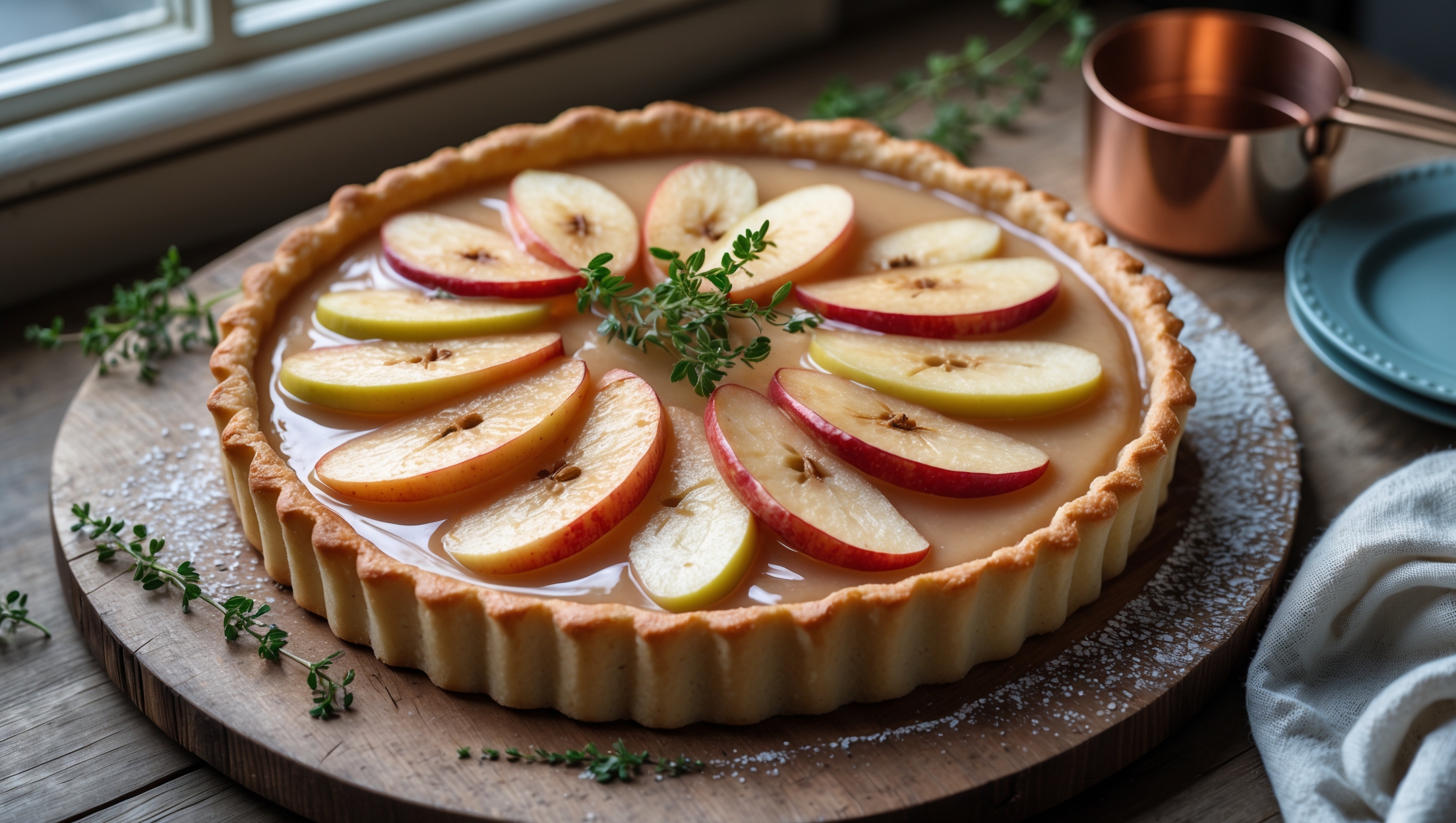
<ol class="no-list-style"><li class="MethodStepper"><h4 class="step-title">Step 1</h4>For the pastry, place the flour, butter, icing sugar and salt in a food processor and pulse until the mixture resembles fine breadcrumbs (or rub the butter into the dry ingredients by hand). This method keeps the butter cold, resulting in a flakier crust.</li><li class="MethodStepper"><h4 class="step-title">Step 2</h4>Add the egg yolk and 2 tablespoons of ice-cold water, then pulse again until the dough just starts to come together. If it seems dry, add the remaining tablespoon of water. The dough should barely hold together when pinched – overworking causes tough pastry.</li><li class="MethodStepper"><h4 class="step-title">Step 3</h4>Turn the dough onto a lightly floured surface, shape into a disc, wrap in cling film and refrigerate for at least 30 minutes. Chilling is crucial as it relaxes the gluten and firms up the butter, preventing shrinkage during baking.</li><li class="MethodStepper"><h4 class="step-title">Step 4</h4>Preheat your oven to 200°C (180°C fan/Gas 6). Roll out the chilled pastry on a floured surface to about 3mm thickness, creating a circle approximately 4cm larger than your tart tin.</li><li class="MethodStepper"><h4 class="step-title">Step 5</h4>Carefully line your tart tin with the pastry, pressing it gently into the fluted edges. Don't stretch the pastry as it will shrink back during baking. Trim the excess, leaving a small overhang to allow for shrinkage.</li><li class="MethodStepper"><h4 class="step-title">Step 6</h4>Prick the base with a fork, line with baking parchment, and fill with baking beans or rice. Blind bake for 15 minutes, then remove the beans and parchment and bake for another 5-7 minutes until the pastry is golden and crisp.</li><li class="MethodStepper"><h4 class="step-title">Step 7</h4>Reduce the oven temperature to 170°C (150°C fan/Gas 3). For the custard, whisk together the eggs and sugar until pale. Add the lemon zest and juice, whisking to combine, then stir in the cream. Pass the mixture through a fine-mesh sieve to ensure a silky-smooth custard.</li><li class="MethodStepper"><h4 class="step-title">Step 8</h4>With the tart case still in the oven (to prevent spills), carefully pour in the custard mixture until it reaches just below the rim. The hot oven creates an immediate seal on the base, preventing a soggy bottom.</li><li class="MethodStepper"><h4 class="step-title">Step 9</h4>Bake for 25-30 minutes until the custard is just set with a slight wobble in the center. The custard will continue cooking from residual heat – removing it while slightly wobbly prevents cracks from over-baking.</li><li class="MethodStepper"><h4 class="step-title">Step 10</h4>Allow the tart to cool completely before topping with fresh blueberries, arranging them in concentric circles or scattering them artfully over the surface.</li><li class="MethodStepper"><h4 class="step-title">Step 11</h4>For the glaze, warm the apricot jam with 1 tablespoon of water in a small saucepan until melted and smooth. Pass through a sieve to remove any fruit pieces, then brush gently over the blueberries to give them an attractive shine and help preserve their freshness.</li><li class="MethodStepper"><h4 class="step-title">Step 12</h4>Refrigerate the tart for at least 1 hour before serving to allow the flavors to develop and the custard to set completely. Just before serving, dust lightly with icing sugar if desired. This tart is best enjoyed on the day it's made but will keep in the refrigerator for up to 2 days.</li></ol>