Directions
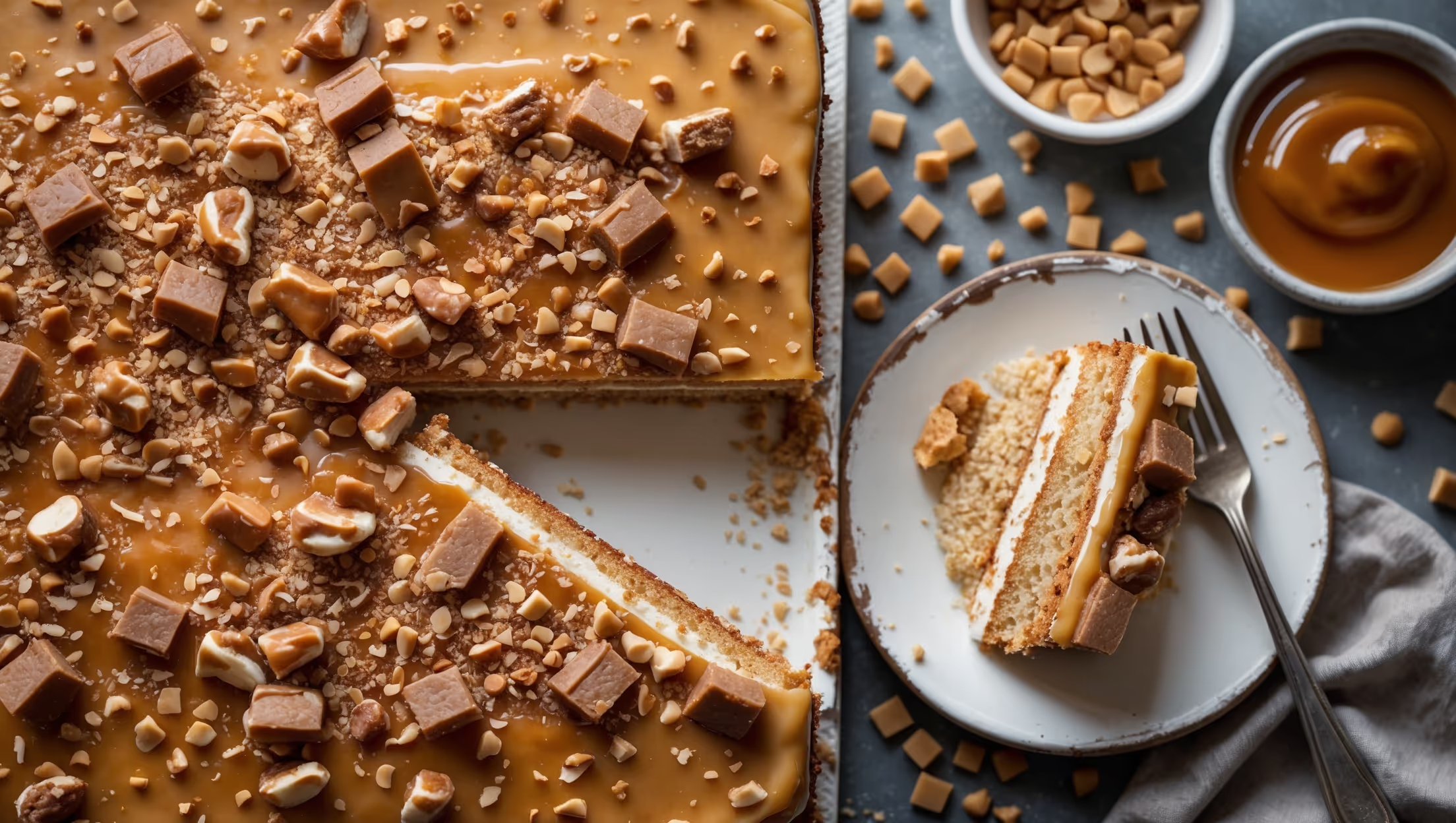
<ol class="no-list-style"><li class="MethodStepper"><h4 class="step-title">Step 1</h4>Preheat your oven to 180°C (350°F). Line your 33x23cm baking pan with parchment paper, leaving some overhang for easy removal, and lightly grease the exposed sides.</li><li class="MethodStepper"><h4 class="step-title">Step 2</h4>Begin by browning 170g of the butter (save the remaining 55g for later). Place the butter in a light-colored saucepan over medium heat. The butter will melt, foam, and then start to develop golden-brown specks and a nutty aroma. This takes about 5-7 minutes - watch it carefully as it can burn quickly! Once browned, immediately transfer to a large mixing bowl and let cool for 10 minutes. This browning process creates a deep, nutty flavor that elevates the entire cake.</li><li class="MethodStepper"><h4 class="step-title">Step 3</h4>Add the granulated sugar to the browned butter and beat with an electric mixer for 2-3 minutes until well combined. The mixture won't be fluffy like with room-temperature butter, but will have a wet sand-like texture - this is perfect!</li><li class="MethodStepper"><h4 class="step-title">Step 4</h4>Add the eggs one at a time, beating well after each addition. Make sure to scrape down the sides of the bowl to ensure everything is incorporated. Mix in the vanilla extract.</li><li class="MethodStepper"><h4 class="step-title">Step 5</h4>In a separate bowl, whisk together the flour, baking powder, baking soda, and salt. Add the dry ingredients to the butter mixture in three batches, alternating with the buttermilk, beginning and ending with the dry ingredients. Mix until just combined after each addition - overbeating will develop gluten and make your cake tough.</li><li class="MethodStepper"><h4 class="step-title">Step 6</h4>Fold in 100g of the toffee bits (reserving 50g for topping), being careful not to overmix. The toffee bits will melt slightly during baking, creating pockets of caramel throughout the cake.</li><li class="MethodStepper"><h4 class="step-title">Step 7</h4>Pour the batter into the prepared pan, spreading it evenly to the corners. Tap the pan gently on the counter a few times to release any air bubbles.</li><li class="MethodStepper"><h4 class="step-title">Step 8</h4>Bake for 30-35 minutes, or until a toothpick inserted in the center comes out clean or with a few moist crumbs. The cake should spring back when lightly pressed in the center, and the edges will pull away slightly from the sides of the pan. Allow to cool completely in the pan on a wire rack before frosting.</li><li class="MethodStepper"><h4 class="step-title">Step 9</h4>While the cake is cooling, prepare the caramel frosting. In a medium saucepan, melt the remaining 115g butter over medium heat. Add the brown sugar and stir constantly until the sugar dissolves, about 2 minutes.</li><li class="MethodStepper"><h4 class="step-title">Step 10</h4>Add the heavy cream and salt, then bring the mixture to a gentle boil. Let it bubble for 2 minutes without stirring. Remove from heat and let cool for 15 minutes - this cooling period is crucial for the right frosting consistency.</li><li class="MethodStepper"><h4 class="step-title">Step 11</h4>Transfer the caramel mixture to a mixing bowl and gradually beat in the powdered sugar until smooth and spreadable. Add vanilla extract and mix well. If the frosting seems too thin, add more powdered sugar; if too thick, add a splash of cream.</li><li class="MethodStepper"><h4 class="step-title">Step 12</h4>Working quickly (as the frosting sets fast), spread the warm frosting over the cooled cake using an offset spatula. Immediately sprinkle with the remaining toffee bits and chopped nuts if using. The warmth of the frosting will slightly melt the toffee, creating a beautiful, glossy finish.</li><li class="MethodStepper"><h4 class="step-title">Step 13</h4>Allow the frosting to set for at least 30 minutes before slicing. For clean cuts, dip your knife in hot water and wipe dry between slices. The cake will keep at room temperature, covered, for up to 3 days, though the toffee topping may soften slightly over time.</li></ol>