Tarte Tatin Recipe

A caramelized upside-down apple tart with buttery pastry that showcases the perfect balance of deeply caramelized fruit and delicate, flaky crust.
Difficulty:
Intermediate
Prep Time:
30 mins
Cook Time:
45 mins
Serves:
1 tart (8 slices)
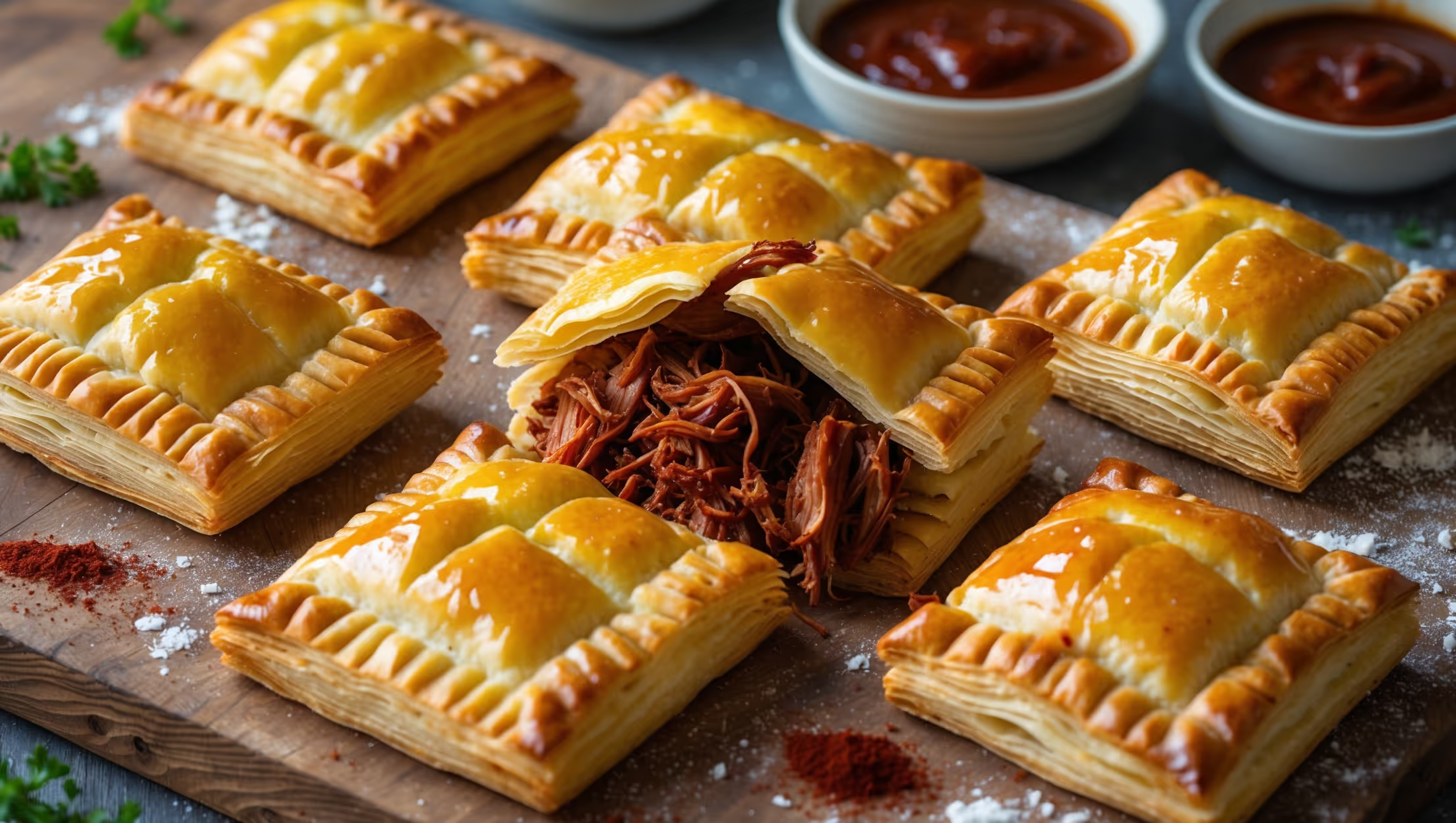
An overhead shot of a perfectly inverted Tarte Tatin on a weathered wooden board, showcasing a mosaic of glistening amber-colored apple slices arranged in a stunning spiral pattern. Golden afternoon light catches the edges of the caramelized fruit, highlighting their burnished surfaces and the pool of glossy caramel that drips onto the rustic ceramic serving plate. The flaky pastry base, now on top, appears delicately browned with visible buttery layers. A small copper pan rests nearby alongside a vintage French linen napkin, a few scattered pink apple blossoms, and a quenelle of crème fraîche slowly melting at the edge of a slice being pulled away, revealing the tender fruit and rich caramel beneath.

Ingredients

<ul class="ingredients-main-list"><li class="ingredients-single-item">6-8 firm apples (preferably Braeburn, Honeycrisp, or Granny Smith)</li><li class="ingredients-single-item">200g all-purpose flour</li><li class="ingredients-single-item">100g cold unsalted butter, cubed (plus 50g for caramel)</li><li class="ingredients-single-item">30ml ice-cold water</li><li class="ingredients-single-item">1/4 tsp salt</li><li class="ingredients-single-item">150g granulated sugar</li><li class="ingredients-single-item">1 tsp vanilla extract</li><li class="ingredients-single-item">1 tbsp lemon juice</li><li class="ingredients-single-item">Crème fraîche or vanilla ice cream, to serve (optional)</li></ul>

Equipment

<ul class="equipment-main-list"><li class="equipment-single-item">25cm cast iron skillet or heavy-bottomed ovenproof frying pan</li><li class="equipment-single-item">Apple corer or small sharp knife</li><li class="equipment-single-item">Pastry scraper</li><li class="equipment-single-item">Large plate for inverting the tart</li></ul>
BAKE SMARTER

Kitchen Converter

Quickly switch between common baking units without leaving the recipe.

Convert
Result—

Volume uses US cups, tablespoons, and teaspoons. Converting weight to volume depends on the ingredient.

Directions

<ol class="no-list-style"><li class="MethodStepper"><h4 class="step-title">Step 1</h4>For the pastry, place 200g flour and 1/4 tsp salt in a large bowl. Add 100g cold cubed butter and use your fingertips to rub it into the flour until the mixture resembles breadcrumbs. Work quickly to keep the butter cold, which is essential for a flaky pastry.</li><li class="MethodStepper"><h4 class="step-title">Step 2</h4>Add 30ml ice-cold water and gently bring the dough together with a knife. Form into a disc, wrap in plastic, and refrigerate for at least 30 minutes. This rest time allows the gluten to relax, preventing a tough crust.</li><li class="MethodStepper"><h4 class="step-title">Step 3</h4>Meanwhile, peel, core, and halve your apples. Toss them with lemon juice to prevent browning. Choose firm apples that hold their shape when cooked - this is crucial for the characteristic look of Tarte Tatin.</li><li class="MethodStepper"><h4 class="step-title">Step 4</h4>Preheat your oven to 200°C. In your cast iron skillet over medium heat, melt 50g butter, then add the sugar. Gently stir until it forms a smooth amber caramel (about 8-10 minutes). Be patient and watch carefully—caramel can burn quickly. The perfect caramel should be a deep amber color, not too light (undercooked) or dark (bitter).</li><li class="MethodStepper"><h4 class="step-title">Step 5</h4>Remove the pan from heat and add vanilla extract (stand back as it may splutter). Carefully arrange the apple halves in the pan, cut-side up, in a tight circular pattern. The apples will shrink during cooking, so pack them tightly. Place the pan back on medium-low heat and cook for about 10 minutes until the apples start to soften and absorb the caramel.</li><li class="MethodStepper"><h4 class="step-title">Step 6</h4>Roll out your chilled pastry on a lightly floured surface to about 3mm thickness, creating a circle slightly larger than your skillet. Carefully place the pastry over the apples, tucking the edges down inside the pan. Cut 3-4 small slits in the center to allow steam to escape.</li><li class="MethodStepper"><h4 class="step-title">Step 7</h4>Bake in the preheated oven for 25-30 minutes until the pastry is golden and crisp. The long baking time allows the apples to fully caramelize and the pastry to cook through to a flaky finish.</li><li class="MethodStepper"><h4 class="step-title">Step 8</h4>Once baked, let the tart rest for exactly 5 minutes—this short cooling period helps the caramel set slightly so it doesn't all run out when inverted, but still remains soft enough for the tart to release properly.</li><li class="MethodStepper"><h4 class="step-title">Step 9</h4>For the dramatic finale, place a serving plate larger than the skillet on top, and in one confident motion, flip the whole thing over. Wait about 30 seconds for all the caramel to descend onto the apples, then carefully lift off the skillet. If any apples stick to the pan, simply place them back in position.</li><li class="MethodStepper"><h4 class="step-title">Step 10</h4>Serve warm with a dollop of crème fraîche or vanilla ice cream to complement the rich caramel flavors. The Tarte Tatin is best enjoyed the day it's made, when the contrast between the crisp pastry and soft caramelized apples is most pronounced.</li></ol>

Nutrition Facts (per serving)

🍽️ Serving Size: 1 cookie
🔥 Calories: 115 calories
🥑 Fat: 7 g
🧈 Saturated Fat: 4 g
🍞 Carbohydrates: 12 g
🍭 Sugar: 5 g
🍗 Protein: 1 g
🫀 Cholesterol: 25 mg
🧂 Sodium: 85 mg

Chef’s Notes

A few helpful details for making this recipe.

Which apples work best for a French upside-down tart?

Firm varieties that hold their shape when cooked are essential. Braeburn, Honeycrisp, and Granny Smith are ideal choices as they maintain structure while developing rich flavour during caramelisation. Avoid softer varieties like McIntosh or Gala that break down too easily during baking.

Why might my caramel crystallise when making this classic French dessert?

Crystallisation often occurs when sugar crystals form on the pan sides and fall back into the mixture. Prevent this by avoiding stirring once sugar begins to melt, using a wet pastry brush to dissolve crystals on the pan sides, and adding a touch of lemon juice which helps prevent crystallisation.

Can I make this upside-down apple tart without a cast iron skillet?

Yes, any heavy-bottomed, oven-safe pan will work. Copper tatin pans are traditional, but stainless steel or heavy aluminium pans are suitable alternatives. Ensure your pan can withstand both stovetop caramelisation and oven baking temperatures without warping.

Want to try something else in ...

More recipes you might like

Keep exploring with more recipes from What's Baking.