Directions
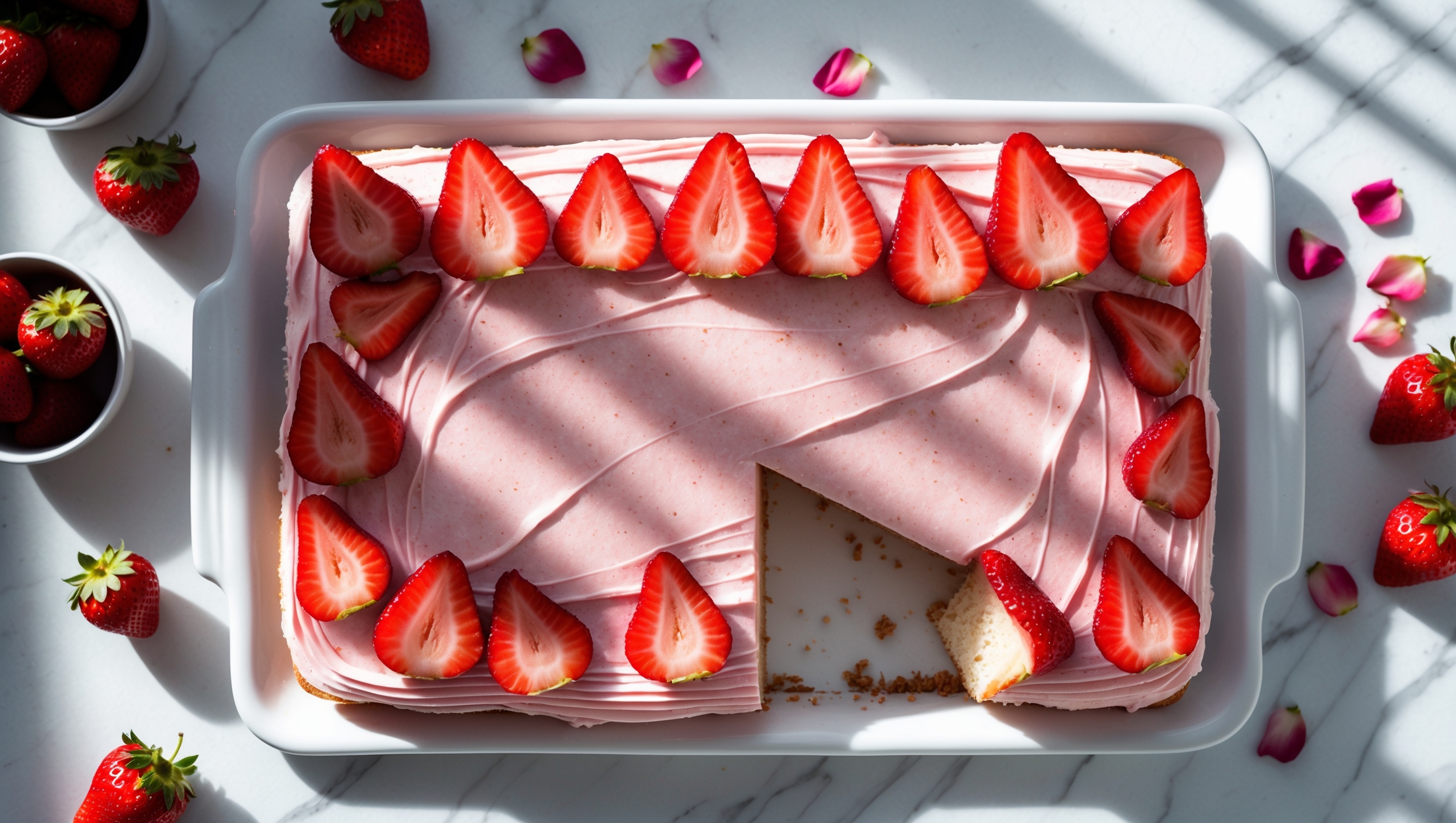
<ol class="no-list-style"><li class="MethodStepper"><h4 class="step-title">Step 1</h4>Preheat your oven to 180°C (350°F) and position a rack in the center. Grease your 33 x 23 cm baking pan and line it with parchment paper, leaving an overhang on the sides to easily lift the cake out later. This preparation step ensures your cake won't stick and will release cleanly.</li><li class="MethodStepper"><h4 class="step-title">Step 2</h4>In a medium bowl, whisk together the flour, baking powder, baking soda, and salt. Proper mixing of dry ingredients ensures even leavening throughout your cake, preventing any pockets of baking powder or soda that could create bitter spots.</li><li class="MethodStepper"><h4 class="step-title">Step 3</h4>In the bowl of your stand mixer fitted with the paddle attachment (or using a hand mixer), cream the butter and sugar on medium-high speed for 4-5 minutes until light and fluffy. This extended creaming process incorporates air into the mixture, creating a foundation for a tender, light crumb.</li><li class="MethodStepper"><h4 class="step-title">Step 4</h4>Add the eggs one at a time, beating well after each addition until fully incorporated. Scrape down the sides of the bowl as needed. Adding eggs gradually prevents the batter from curdling and ensures even distribution of fat and moisture.</li><li class="MethodStepper"><h4 class="step-title">Step 5</h4>Mix in the vanilla extract until combined. Then, gradually add the flour mixture in three parts, alternating with the buttermilk (beginning and ending with the flour). Mix on low speed just until incorporated after each addition. This alternating method preserves the air bubbles in your batter while preventing gluten development, which would make your cake tough.</li><li class="MethodStepper"><h4 class="step-title">Step 6</h4>Pour the batter into your prepared pan, smoothing the top with an offset spatula. Tap the pan gently on the counter a few times to release any large air bubbles that could create holes in your finished cake.</li><li class="MethodStepper"><h4 class="step-title">Step 7</h4>Bake for 25-30 minutes, or until a toothpick inserted into the center comes out clean or with a few moist crumbs. The cake should spring back when lightly touched and the edges will begin to pull away from the sides of the pan. Be careful not to overbake, as this will dry out your cake.</li><li class="MethodStepper"><h4 class="step-title">Step 8</h4>Allow the cake to cool in the pan for 15 minutes, then use the parchment paper overhang to carefully lift it out and transfer to a wire rack to cool completely. A properly cooled cake ensures your frosting won't melt when applied.</li><li class="MethodStepper"><h4 class="step-title">Step 9</h4>For the strawberry buttercream, blend 300g of hulled strawberries in a blender or food processor until smooth. Transfer to a small saucepan and simmer over medium-low heat, stirring occasionally, until reduced to about 80-100ml of concentrated puree (about 15-20 minutes). This reduction intensifies the strawberry flavor while removing excess moisture that would make your frosting runny.</li><li class="MethodStepper"><h4 class="step-title">Step 10</h4>Allow the strawberry reduction to cool completely. Meanwhile, beat the butter in your stand mixer on medium-high speed for 3-4 minutes until pale and fluffy. Starting with properly aerated butter creates a lighter, more spreadable frosting.</li><li class="MethodStepper"><h4 class="step-title">Step 11</h4>Add the powdered sugar gradually, about 125g at a time, beating well after each addition. Mix in the vanilla extract and salt. Then add 3-4 tablespoons of the cooled strawberry reduction (save any extra for drizzling if desired). Beat for 3-5 minutes until light and fluffy, scraping down the sides as needed. The extended beating time creates a silky, smooth texture in your finished frosting.</li><li class="MethodStepper"><h4 class="step-title">Step 12</h4>Spread the strawberry buttercream evenly over the cooled cake using an offset spatula. Create decorative swirls if desired. Then arrange the sliced fresh strawberries on top in your preferred pattern. The fresh berries not only add visual appeal but provide pops of bright, fresh flavor that complement the concentrated strawberry in the buttercream.</li><li class="MethodStepper"><h4 class="step-title">Step 13</h4>For the best flavor, let the cake sit at room temperature for 30 minutes before serving, which allows the flavors to meld together. Store any leftover cake covered in the refrigerator for up to 3 days, but bring to room temperature before serving for the best texture and flavor experience.</li></ol>