Directions
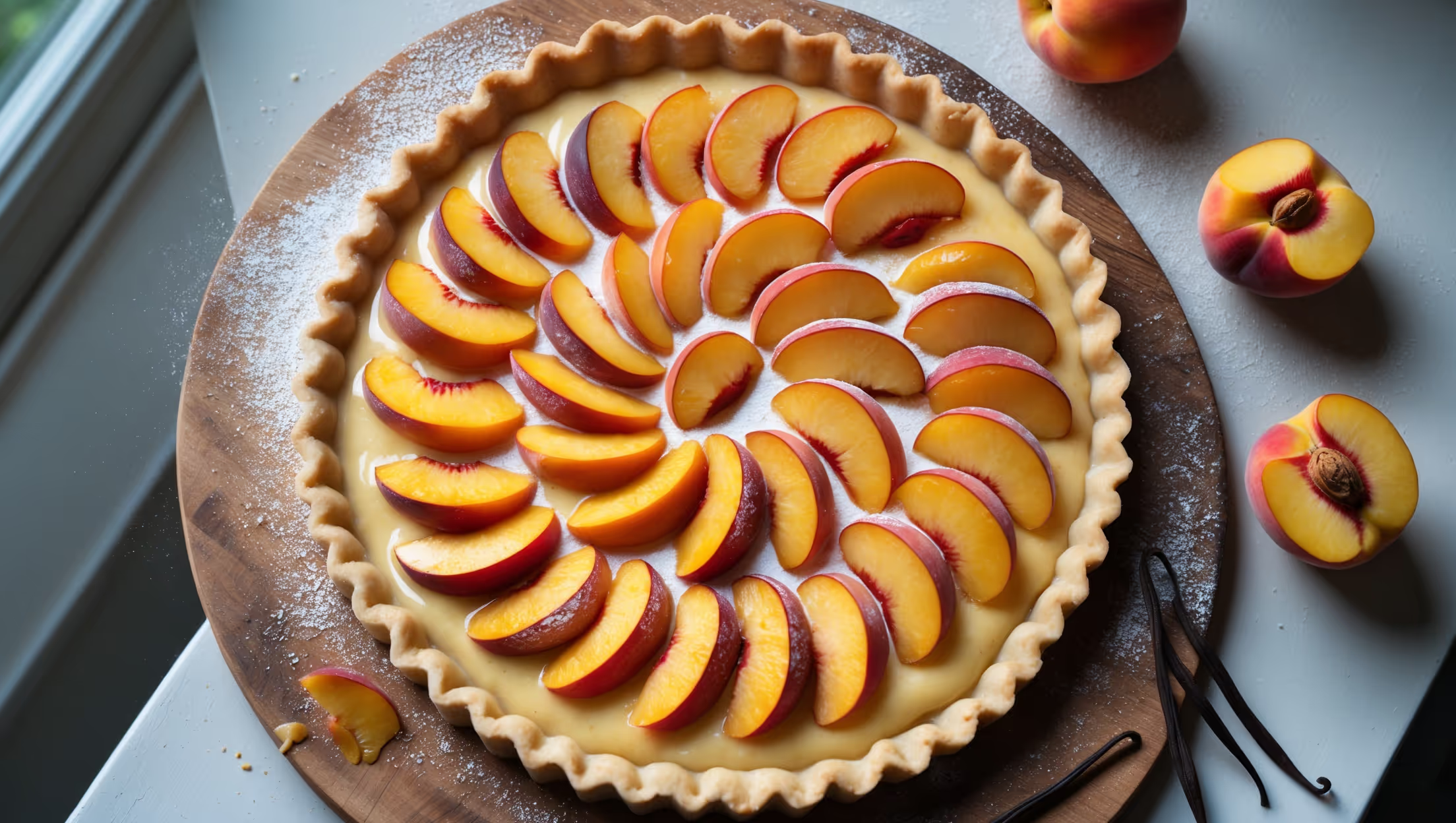
<ol class="no-list-style"><li class="MethodStepper"><h4 class="step-title">Step 1</h4>Start by making the shortcrust pastry. Place the flour and salt in a large bowl, then add the cold cubed butter. Using your fingertips, rub the butter into the flour until the mixture resembles fine breadcrumbs. This creates pockets of butter that will melt during baking, creating layers in your pastry. Work quickly to prevent the butter from warming too much.</li><li class="MethodStepper"><h4 class="step-title">Step 2</h4>Stir in the caster sugar, then add the egg yolk and gradually add just enough ice-cold water to bring the dough together. Cold ingredients prevent gluten development, ensuring your pastry stays tender rather than tough. Form the dough into a disc, wrap in cling film, and chill in the refrigerator for at least 30 minutes.</li><li class="MethodStepper"><h4 class="step-title">Step 3</h4>Preheat your oven to 190°C (170°C fan). On a lightly floured surface, roll out your chilled pastry to about 3mm thickness, creating a circle large enough to line your tart tin with a slight overhang. The thin pastry will cook evenly and provide a delicate base for your filling.</li><li class="MethodStepper"><h4 class="step-title">Step 4</h4>Carefully drape the pastry over your rolling pin to transfer it to the tart tin. Press it gently into the corners, allowing a little overhang. Prick the base all over with a fork to prevent it from rising during baking, then chill for another 15 minutes. This second chilling helps prevent shrinkage when baking.</li><li class="MethodStepper"><h4 class="step-title">Step 5</h4>Line the pastry case with baking parchment and fill with baking beans or rice. Blind bake for 15 minutes, then remove the beans and parchment and bake for a further 5-8 minutes until the base is pale golden and dry to the touch. The blind baking creates a barrier between the wet filling and pastry, preventing a soggy bottom.</li><li class="MethodStepper"><h4 class="step-title">Step 6</h4>While the pastry case cools, prepare the vanilla custard. In a saucepan, heat the milk with the split vanilla pod and scraped seeds until just below boiling point. Allow the vanilla to infuse for 5 minutes before removing the pod. The longer infusion time allows the vanilla flavor to fully permeate the milk.</li><li class="MethodStepper"><h4 class="step-title">Step 7</h4>In a bowl, whisk together the egg yolks, sugar, and cornflour until pale and thick. Gradually pour in the hot vanilla milk, whisking continuously to prevent the eggs from scrambling. Return the mixture to the pan and cook over medium heat, stirring constantly, until it thickens to a custard consistency that coats the back of a spoon.</li><li class="MethodStepper"><h4 class="step-title">Step 8</h4>Pour the hot custard into the cooled pastry case and smooth the surface with a spatula. Allow to cool completely at room temperature – the custard will continue to set as it cools. Don't refrigerate yet as this could cause condensation and make your pastry soggy.</li><li class="MethodStepper"><h4 class="step-title">Step 9</h4>Prepare your peaches by washing, pitting, and slicing them into thin, even segments about 5mm thick. If your peaches are underripe, you can poach them briefly in a light sugar syrup with a splash of vanilla until just tender but still holding their shape.</li><li class="MethodStepper"><h4 class="step-title">Step 10</h4>Arrange the peach slices in an overlapping pattern on top of the set custard, starting from the outside and working your way in to create a beautiful spiral. Take your time with this step – the presentation is key to creating a professional-looking tart.</li><li class="MethodStepper"><h4 class="step-title">Step 11</h4>For the glaze, heat the apricot jam with water in a small saucepan until melted and smooth. Stir in the lemon juice to cut through the sweetness. While still warm, brush this glaze generously over the peaches using a pastry brush. This not only adds shine but helps preserve the peaches and prevents them from drying out.</li><li class="MethodStepper"><h4 class="step-title">Step 12</h4>If you're using less sweet peaches, sprinkle the arranged fruit with a little caster sugar. Refrigerate the finished tart for at least 2 hours before serving to allow all the flavors to meld together and the custard to set completely. Bring to room temperature for about 20 minutes before serving to enhance the flavors.</li></ol>