Mango Ginger Rice Bowl Recipe

A vibrant tropical dessert rice bowl featuring creamy coconut rice topped with caramelized mangoes, crystallized ginger, and a hint of warming spices.
Difficulty:
Beginner
Prep Time:
15 mins
Cook Time:
25 mins
Serves:
4 bowls
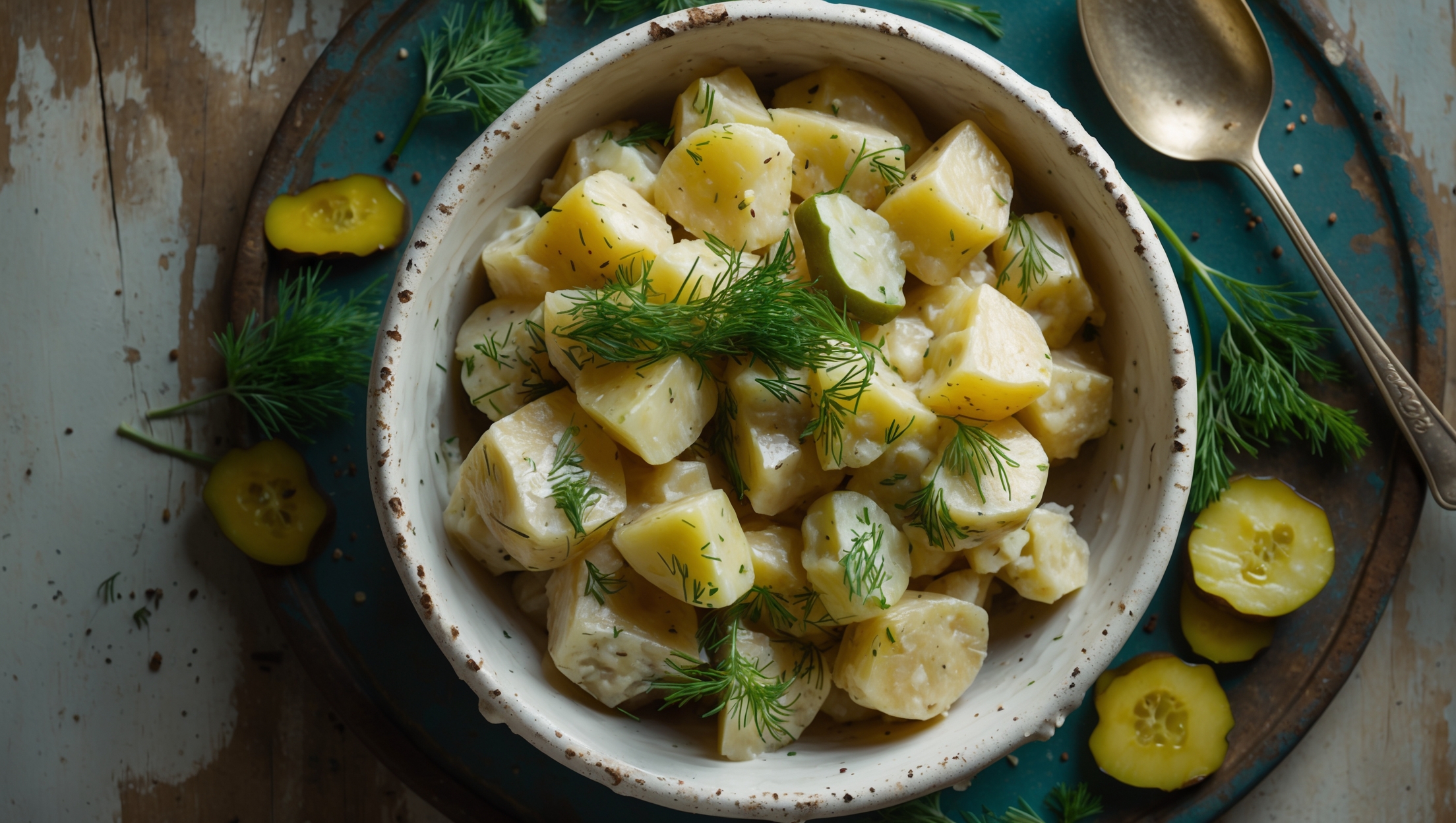
An overhead shot of a glazed ceramic bowl containing a mound of pearly white coconut rice surrounded by vibrant slices of golden-orange caramelized mangoes. Sprinkled across the top are bronze-hued pieces of crystallized ginger, toasted coconut flakes, and tiny bright green specks of lime zest. Natural light streams in from the left, highlighting the glossy mango slices and creating gentle shadows. The bowl sits on a woven rattan placemat with a small dish of extra ginger and a halved lime in the background, suggesting freshness. A wooden spoon rests alongside, ready to dive into the contrasting textures of the soft rice and juicy fruit.

Ingredients

<ul class="ingredients-main-list"> <li class="ingredients-single-item">200g sticky rice (or arborio rice)</li> <li class="ingredients-single-item">400ml coconut milk</li> <li class="ingredients-single-item">100ml water</li> <li class="ingredients-single-item">80g granulated sugar, divided</li> <li class="ingredients-single-item">¼ tsp salt</li> <li class="ingredients-single-item">2 ripe mangoes, peeled and sliced</li> <li class="ingredients-single-item">40g crystallized ginger, finely chopped</li> <li class="ingredients-single-item">1 tsp ground ginger</li> <li class="ingredients-single-item">½ tsp ground cardamom</li> <li class="ingredients-single-item">1 tbsp butter</li> <li class="ingredients-single-item">1 lime, zest and juice</li> <li class="ingredients-single-item">30g toasted coconut flakes</li> <li class="ingredients-single-item">Fresh mint leaves for garnish (optional)</li> </ul>

Equipment

<ul class="equipment-main-list"> <li class="equipment-single-item">Medium saucepan with lid</li> <li class="equipment-single-item">Non-stick frying pan</li> <li class="equipment-single-item">Microplane or zester</li> </ul>
BAKE SMARTER

Kitchen Converter

Quickly switch between common baking units without leaving the recipe.

Convert
Result—

Volume uses US cups, tablespoons, and teaspoons. Converting weight to volume depends on the ingredient.

Directions

<ol class="no-list-style"> <li class="MethodStepper"> <h4 class="step-title">Step 1</h4> Preheat your oven to 180°C for toasting the coconut flakes. Rinse the rice under cold water until the water runs clear – this removes excess starch and prevents your rice from becoming too gummy. </li> <li class="MethodStepper"> <h4 class="step-title">Step 2</h4> Spread the coconut flakes on a baking tray and toast in the preheated oven for 3-5 minutes until golden brown. Watch carefully as they burn quickly! Remove and set aside to cool. </li> <li class="MethodStepper"> <h4 class="step-title">Step 3</h4> In a medium saucepan, combine the rice, 300ml of coconut milk, water, 50g sugar, and salt. Bring to a gentle boil over medium heat, then reduce to a simmer, cover, and cook for 15-18 minutes until the rice is tender and has absorbed most of the liquid. The mixture should be creamy but not completely dry. </li> <li class="MethodStepper"> <h4 class="step-title">Step 4</h4> Once the rice is cooked, remove from heat but keep covered for 5 minutes to steam. Then stir in the ground ginger, cardamom, and remaining 100ml of coconut milk. The residual heat helps the spices bloom and release their aromatic compounds. </li> <li class="MethodStepper"> <h4 class="step-title">Step 5</h4> While the rice is resting, prepare the caramelized mangoes. Heat the butter in a non-stick frying pan over medium-high heat. Once melted, add the remaining 30g sugar and stir until it begins to dissolve. </li> <li class="MethodStepper"> <h4 class="step-title">Step 6</h4> Add the mango slices to the pan and cook for 2-3 minutes on each side until they begin to caramelize and develop a beautiful golden color. The natural sugars in the mango will create a delicious caramelization that adds depth of flavor. </li> <li class="MethodStepper"> <h4 class="step-title">Step 7</h4> Remove the pan from heat and add half the lime juice, gently tossing the mangoes to coat. Be careful not to break the slices – they become quite soft when cooked. </li> <li class="MethodStepper"> <h4 class="step-title">Step 8</h4> To serve, divide the warm coconut rice between four bowls. Top each with caramelized mango slices, a sprinkle of crystallized ginger pieces, toasted coconut flakes, lime zest, and a drizzle of the remaining lime juice. The contrast between the warm rice and the tangy lime creates a wonderful balance of flavors. </li> <li class="MethodStepper"> <h4 class="step-title">Step 9</h4> For the best flavor experience, serve immediately while the rice is still warm and the mangoes are slightly hot. If desired, garnish with fresh mint leaves for a pop of color and refreshing aroma that complements the tropical flavors. </li> </ol>
Nutrition Facts (per serving)

🍽️ Serving Size: 1 mocktail
🔥 Calories: 120 calories
🥑 Fat: 0 g
🧈 Saturated Fat: 0 g
🍞 Carbohydrates: 29 g
🍭 Sugar: 24 g
🍗 Protein: 1 g
🫀 Cholesterol: 0 mg
🧂 Sodium: 10 mg

Chef’s Notes

A few helpful details for making this recipe.

Can I use regular rice instead of sticky rice for coconut dessert bowls?

Yes, you can substitute regular jasmine rice or basmati rice, though the texture will be less creamy. Arborio rice (risotto rice) makes an excellent alternative as it creates a similar creamy consistency. Adjust cooking time accordingly as different rice varieties require different cooking durations.

What's the best way to select mangoes for caramelising?

Choose mangoes that are ripe but still firm – they should yield slightly to gentle pressure. For caramelising, you want mangoes that won't fall apart when heated. Alphonso or Ataulfo varieties work exceptionally well due to their sweet flavour and firm flesh that holds shape when cooked.

How can I adapt this dessert for a vegan or dairy-free diet?

Simply replace the butter with coconut oil when caramelising the mangoes. The rest of the recipe is naturally dairy-free as it uses coconut milk rather than dairy. This substitution maintains the tropical flavour profile while making the dessert completely plant-based and suitable for vegans.

Want to try something else in ...

More recipes you might like

Keep exploring with more recipes from What's Baking.