Directions
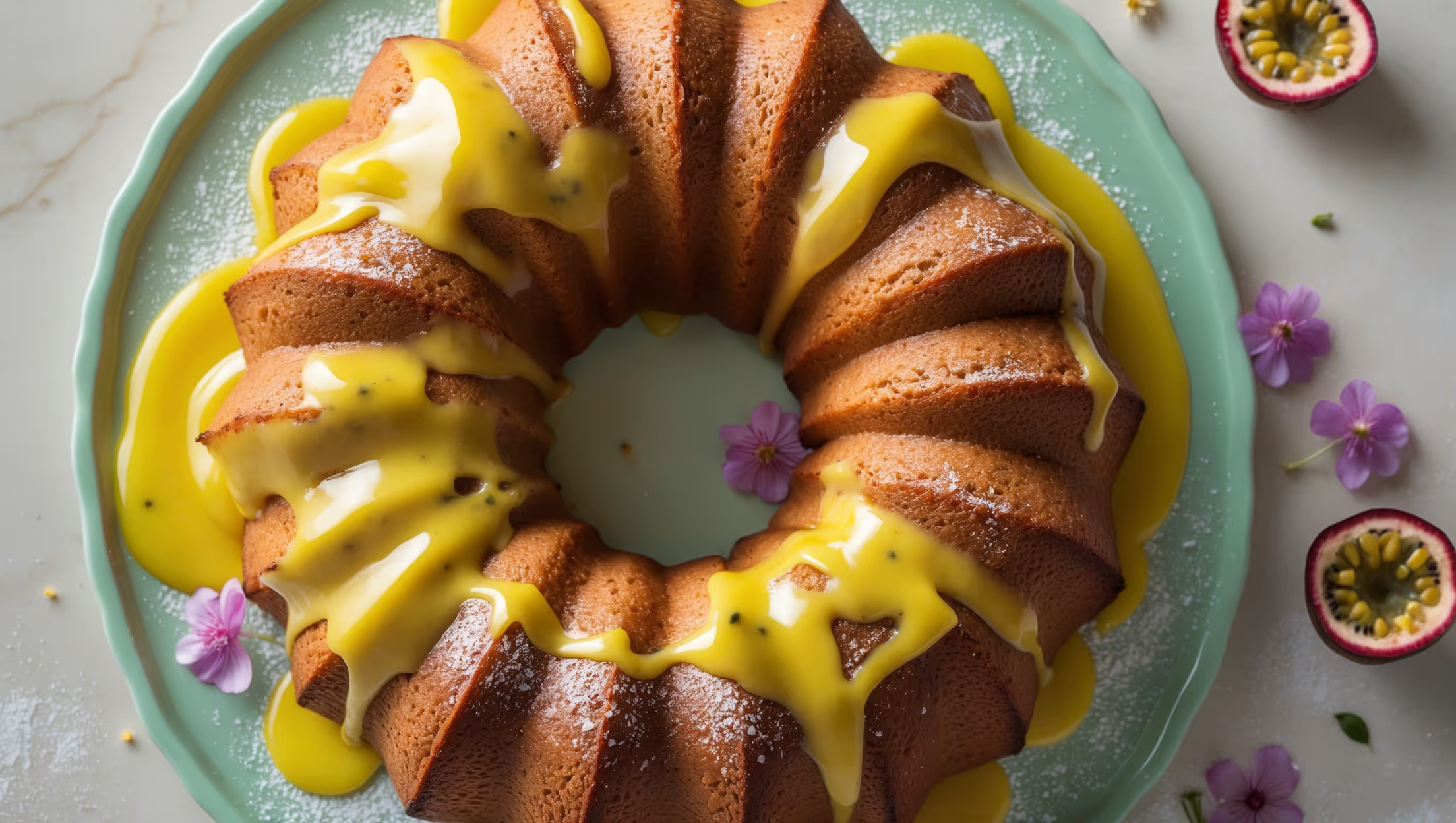
<ol class="no-list-style"> <li class="MethodStepper"> <h4 class="step-title">Step 1</h4> Preheat your oven to 170°C (325°F) with a rack in the middle position. Thoroughly grease a 25cm bundt pan with butter, making sure to get into all the crevices, then dust with flour. Tap out excess flour. This careful preparation ensures your cake will release perfectly after baking. </li> <li class="MethodStepper"> <h4 class="step-title">Step 2</h4> In a medium bowl, whisk together the flour, baking powder, baking soda, and salt until evenly combined. Set aside. This pre-mixing of dry ingredients ensures they'll incorporate evenly into your batter without overmixing. </li> <li class="MethodStepper"> <h4 class="step-title">Step 3</h4> In a large bowl or the bowl of your stand mixer fitted with the paddle attachment, beat the softened butter on medium speed until creamy, about 1 minute. Gradually add the sugar and continue beating until the mixture is pale and fluffy, about 3-4 minutes. Don't rush this step—this creaming process creates tiny air bubbles that give your cake its tender texture. </li> <li class="MethodStepper"> <h4 class="step-title">Step 4</h4> Add the eggs one at a time, beating well after each addition for about 30 seconds. Scrape down the sides of the bowl as needed. Adding eggs gradually prevents the batter from curdling and ensures proper emulsification. </li> <li class="MethodStepper"> <h4 class="step-title">Step 5</h4> Beat in the vanilla extract, lemon zest, and 2 tablespoons of the strained passionfruit pulp with seeds. The acidity in the passionfruit will help activate the baking soda for a better rise. </li> <li class="MethodStepper"> <h4 class="step-title">Step 6</h4> Combine the remaining passionfruit pulp with the buttermilk in a measuring cup. With the mixer on low speed, add the flour mixture in three portions, alternating with the passionfruit-buttermilk mixture, beginning and ending with the flour. Mix just until combined after each addition. Overmixing at this stage can develop gluten, resulting in a tough cake. </li> <li class="MethodStepper"> <h4 class="step-title">Step 7</h4> Pour the batter into the prepared bundt pan, smoothing the top with a spatula. Tap the pan gently on the counter a few times to release any large air bubbles. </li> <li class="MethodStepper"> <h4 class="step-title">Step 8</h4> Bake for 50-55 minutes, until a wooden skewer inserted into the center comes out clean or with a few moist crumbs (not wet batter). The cake should be golden brown and will have begun to pull away slightly from the sides of the pan. </li> <li class="MethodStepper"> <h4 class="step-title">Step 9</h4> Allow the cake to cool in the pan on a wire rack for exactly 15 minutes – no more, no less. This timing is crucial: too short and the cake may break; too long and it might stick to the pan. Then invert the pan onto the rack and gently lift the pan off the cake. Let cool completely before glazing. </li> <li class="MethodStepper"> <h4 class="step-title">Step 10</h4> For the glaze, whisk together the powdered sugar, strained passionfruit pulp with seeds, and melted butter until smooth. The consistency should be thick yet pourable – like honey. If too thin, add more powdered sugar; if too thick, add a touch more passionfruit pulp. </li> <li class="MethodStepper"> <h4 class="step-title">Step 11</h4> Place the completely cooled cake on a serving plate with parchment strips tucked underneath to catch drips. Pour the glaze over the top of the cake, allowing it to drip dramatically down the sides. The seeds create a beautiful visual element while adding texture to each bite. Remove parchment strips once the glaze has set slightly. </li> <li class="MethodStepper"> <h4 class="step-title">Step 12</h4> Allow the glaze to set for at least 20 minutes before serving. This cake keeps well at room temperature in an airtight container for up to 3 days, or refrigerated for up to 5 days. The passionfruit flavor actually deepens on the second day! </li> </ol>