Directions
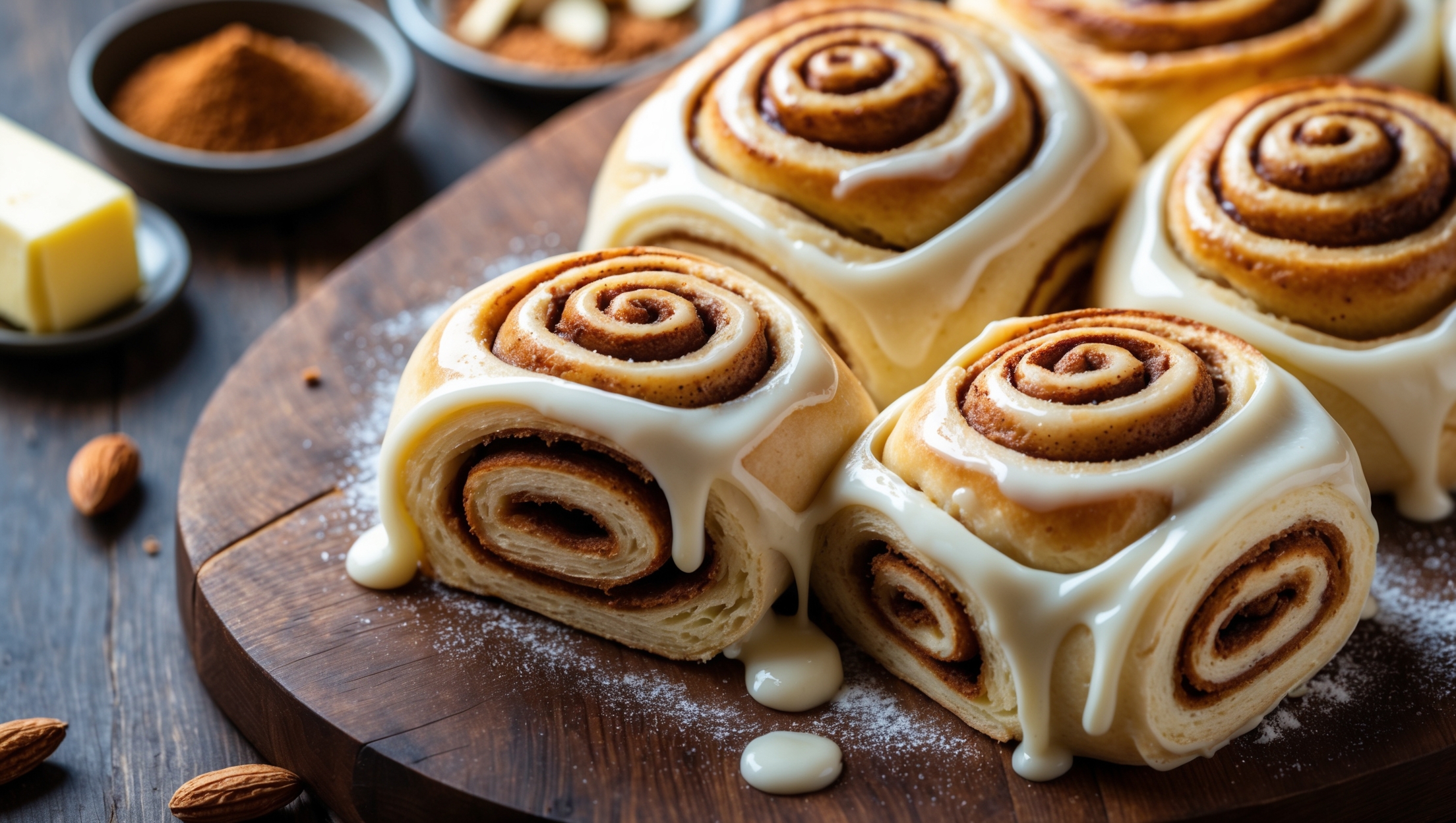
<ol class="no-list-style"><li class="MethodStepper"><h4 class="step-title">Step 1</h4>Preheat your oven to 180°C and line a 22cm round cake pan with parchment paper. Prepare your work surface by laying out a large piece of parchment paper and having another piece ready for rolling.</li><li class="MethodStepper"><h4 class="step-title">Step 2</h4>In a medium microwave-safe bowl, combine the shredded mozzarella and cream cheese. Microwave in 30-second intervals, stirring between each, until completely melted and able to be stirred together (about 1-2 minutes total). The cheese mixture needs to be very hot to properly incorporate with the dry ingredients, so ensure it's fully melted.</li><li class="MethodStepper"><h4 class="step-title">Step 3</h4>While the cheese is still hot, quickly add the almond flour, egg, baking powder, and salt. Mix vigorously with a spatula until the ingredients are fully incorporated into a dough. This will take some effort as the cheese wants to separate - keep mixing until you have a uniform dough. The egg proteins help bind the cheese with the almond flour, creating a workable dough structure.</li><li class="MethodStepper"><h4 class="step-title">Step 4</h4>If the dough becomes too stiff to work with, reheat it for 15-20 seconds in the microwave to make it pliable again. Knead the dough with your hands until smooth, but work quickly as it becomes harder to manage as it cools.</li><li class="MethodStepper"><h4 class="step-title">Step 5</h4>Place the dough between two pieces of parchment paper and roll it out into a rectangle approximately 25x30cm. The parchment prevents sticking, which is crucial for fathead dough which can be quite tacky. Try to keep the thickness even for uniform baking.</li><li class="MethodStepper"><h4 class="step-title">Step 6</h4>In a small bowl, mix the softened butter, granulated erythritol, and cinnamon until well-combined. Spread this mixture evenly over the rolled-out dough, leaving a 1cm border at one of the long edges. The fat from the butter helps the sweetener distribute evenly and prevents it from crystallizing during baking.</li><li class="MethodStepper"><h4 class="step-title">Step 7</h4>Starting from the long edge without the border, carefully roll the dough into a tight log, using the parchment paper to help lift and roll. Pinch the seam gently to seal. If the dough cracks slightly, just press it back together - fathead dough is forgiving that way.</li><li class="MethodStepper"><h4 class="step-title">Step 8</h4>With a sharp knife, cut the log into 8 equal pieces. For clean cuts, wipe your knife with a damp paper towel between slices to prevent the dough from sticking. Place the rolls in your prepared pan, allowing some space between each for rising.</li><li class="MethodStepper"><h4 class="step-title">Step 9</h4>Bake for 20-22 minutes, until the rolls are golden brown on top. They will rise somewhat, though less dramatically than traditional yeast rolls - this is normal for keto baking as there's no gluten network to trap gases.</li><li class="MethodStepper"><h4 class="step-title">Step 10</h4>While the rolls are baking, make the frosting by beating together the softened cream cheese, heavy cream, powdered erythritol, and vanilla extract until smooth and fluffy. The heavy cream helps achieve a spreadable consistency without adding sugar.</li><li class="MethodStepper"><h4 class="step-title">Step 11</h4>Allow the rolls to cool for 5-10 minutes before spreading with frosting. This cooling period is important - if frosted while too hot, the frosting will completely melt into the rolls rather than sitting on top.</li><li class="MethodStepper"><h4 class="step-title">Step 12</h4>Serve while still warm for the best texture and flavor experience. These rolls are at their peak when fresh, as the fathead dough maintains its soft texture while warm. Store any leftovers covered in the refrigerator for up to 3 days, reheating gently in the microwave for 15-20 seconds before serving.</li></ol>