Directions
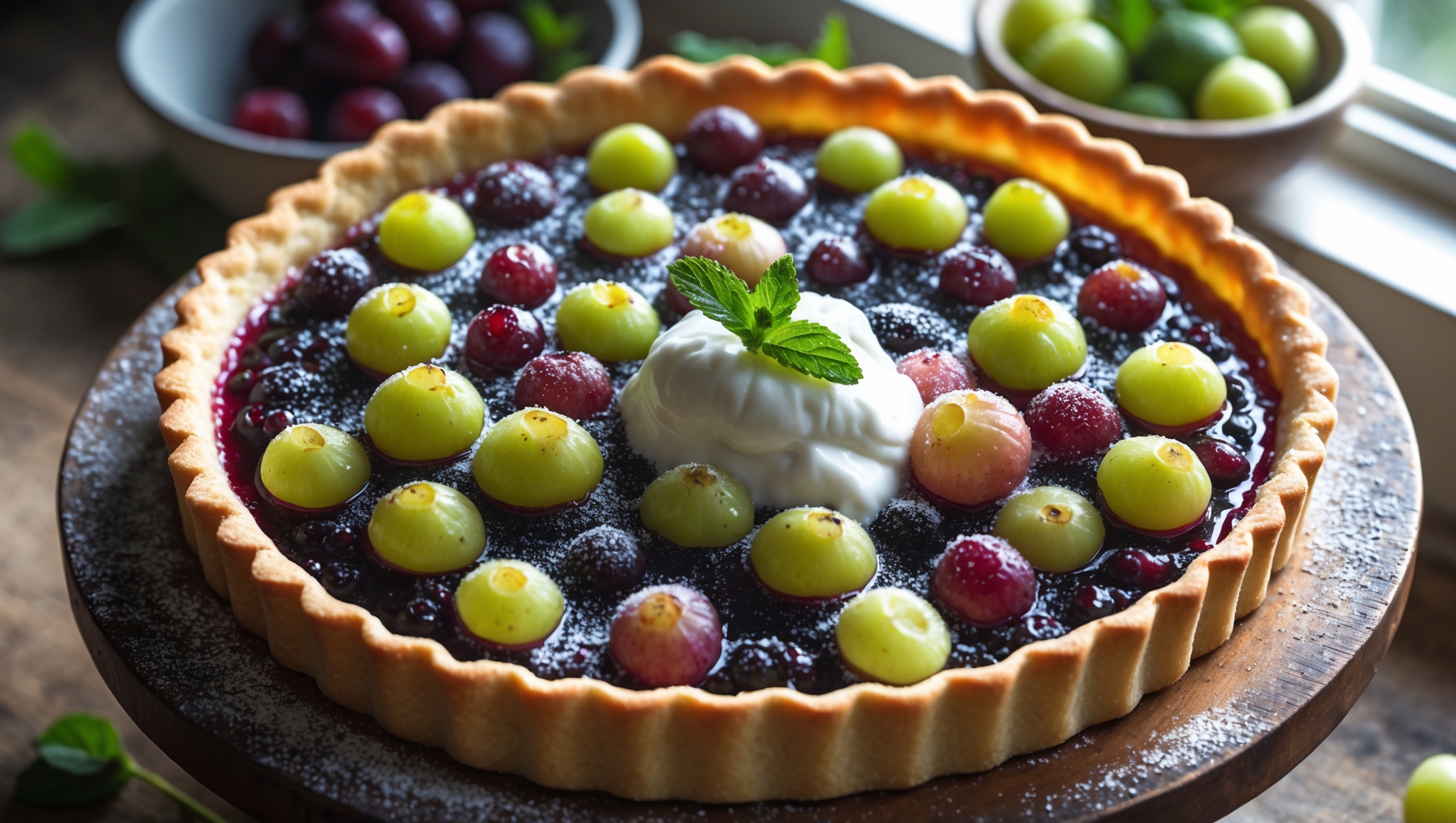
<ol class="no-list-style"><li class="MethodStepper"><h4 class="step-title">Step 1</h4>For the pastry, combine the flour, salt, and icing sugar in a large bowl (or food processor). Add the cold cubed butter and rub in with your fingertips until the mixture resembles fine breadcrumbs (or pulse briefly in the processor). Cold butter is essential here as it creates steam pockets during baking, resulting in flaky pastry.</li><li class="MethodStepper"><h4 class="step-title">Step 2</h4>Add the egg yolk and 2 tablespoons of ice-cold water, then mix gently with a knife until the dough starts to come together. If needed, add the remaining tablespoon of water, but be careful not to overwork the dough as this develops gluten, making your pastry tough rather than tender.</li><li class="MethodStepper"><h4 class="step-title">Step 3</h4>Form the dough into a flat disc (this makes rolling easier later), wrap in cling film, and chill in the refrigerator for at least 30 minutes. This resting period allows the gluten to relax and the butter to firm up, preventing pastry shrinkage during baking.</li><li class="MethodStepper"><h4 class="step-title">Step 4</h4>Preheat your oven to 190°C (170°C fan). On a lightly floured surface, roll out the pastry to about 3-4mm thickness and large enough to line your 23cm tart tin with a slight overhang. Carefully lift the pastry using your rolling pin and drape it over the tin, pressing gently into the corners without stretching.</li><li class="MethodStepper"><h4 class="step-title">Step 5</h4>Trim the excess pastry, leaving a 1cm overhang (this prevents shrinkage), then prick the base all over with a fork. Line with baking parchment and fill with baking beans or rice. Blind bake for 15 minutes, then remove the beans and parchment and bake for a further 5-7 minutes until the base is dry and pale golden. This creates a moisture barrier, preventing the dreaded "soggy bottom".</li><li class="MethodStepper"><h4 class="step-title">Step 6</h4>While the pastry case cools slightly, prepare your gooseberries. In a large bowl, gently toss the topped and tailed gooseberries with the caster sugar, cornflour, lemon zest, and lemon juice. The cornflour will thicken the juices as the berries bake, creating a luscious filling rather than a watery one.</li><li class="MethodStepper"><h4 class="step-title">Step 7</h4>Sprinkle the ground almonds evenly over the base of the pastry case – this acts as an additional moisture barrier, absorbing excess juice from the gooseberries. Then carefully spoon in the gooseberry mixture, creating an even layer. Brush the pastry rim with beaten egg and sprinkle with a little extra caster sugar for a beautiful golden finish.</li><li class="MethodStepper"><h4 class="step-title">Step 8</h4>Bake for 25-30 minutes until the pastry is golden brown and the filling is bubbling with some berries just beginning to burst. Look for caramelization around the edges of the filling – this indicates the natural sugars have developed their flavor fully. If the pastry edges brown too quickly, cover them loosely with foil.</li><li class="MethodStepper"><h4 class="step-title">Step 9</h4>Allow the tart to cool in the tin for 15 minutes before carefully removing to a wire rack. The filling will continue to set as it cools, making it easier to slice cleanly. Serve warm or at room temperature, dusted with icing sugar and accompanied by a dollop of crème fraîche or a scoop of vanilla ice cream to balance the tartness of the gooseberries. This tart is best enjoyed on the day it's made, but will keep covered in the refrigerator for up to 2 days.</li></ol>