Gingerbread Bundt Cake Recipe

A deeply spiced, moist bundt cake bursting with warm ginger and molasses notes, crowned with a silky cream cheese glaze that drips elegantly down its decorative curves.
Difficulty:
Intermediate
Prep Time:
25 mins
Cook Time:
50 mins
Serves:
1 cake (12 slices)
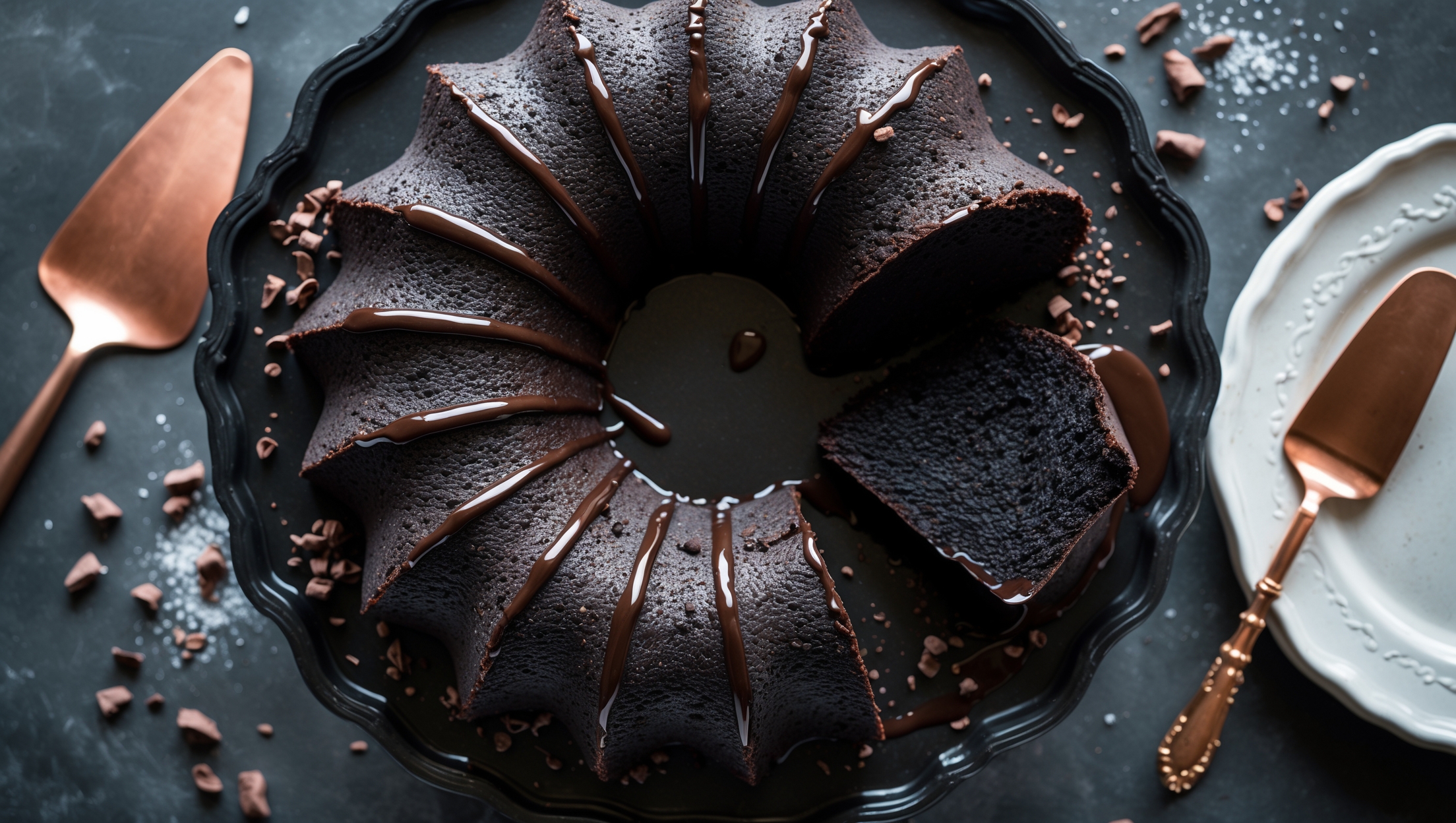
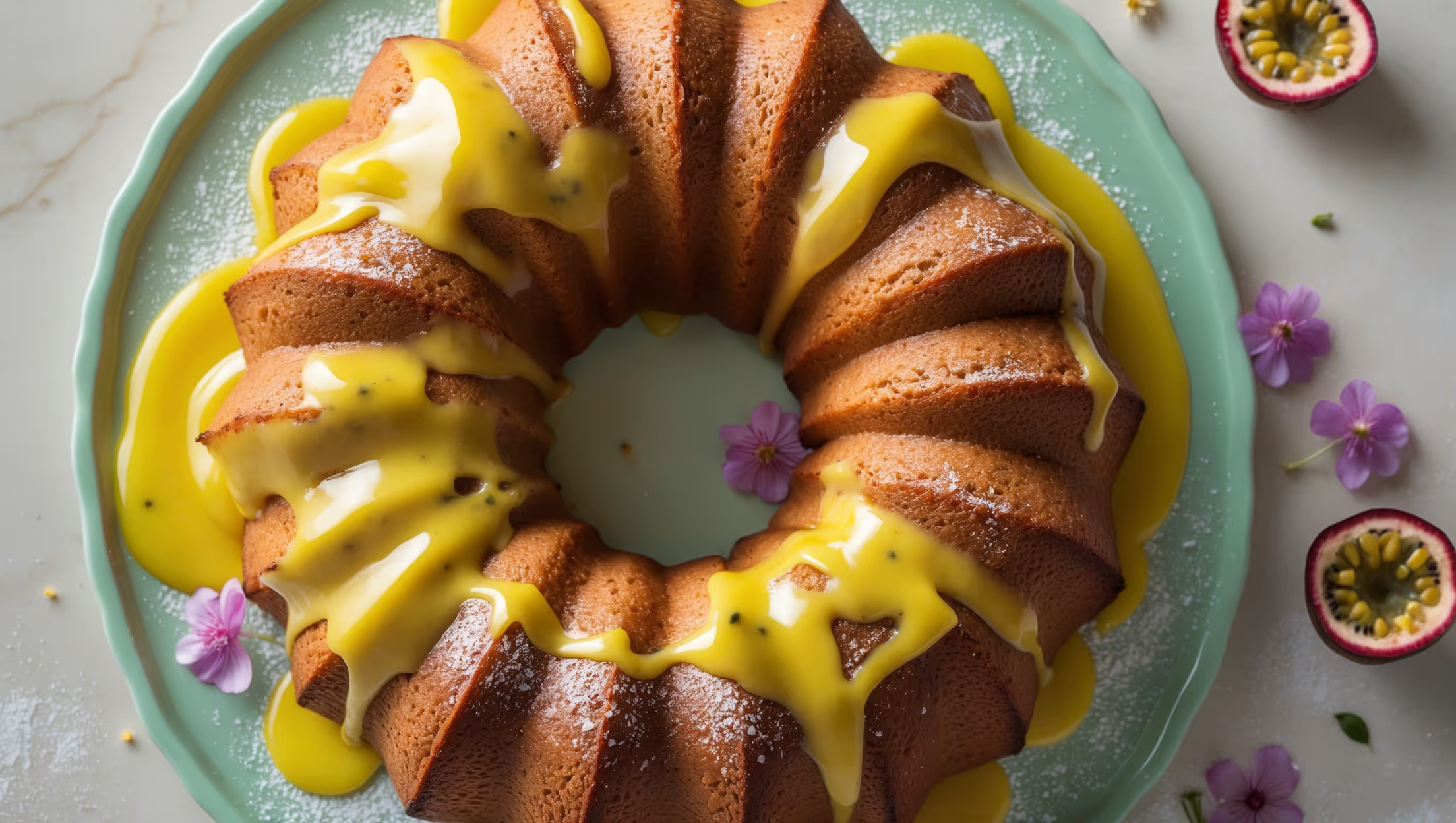
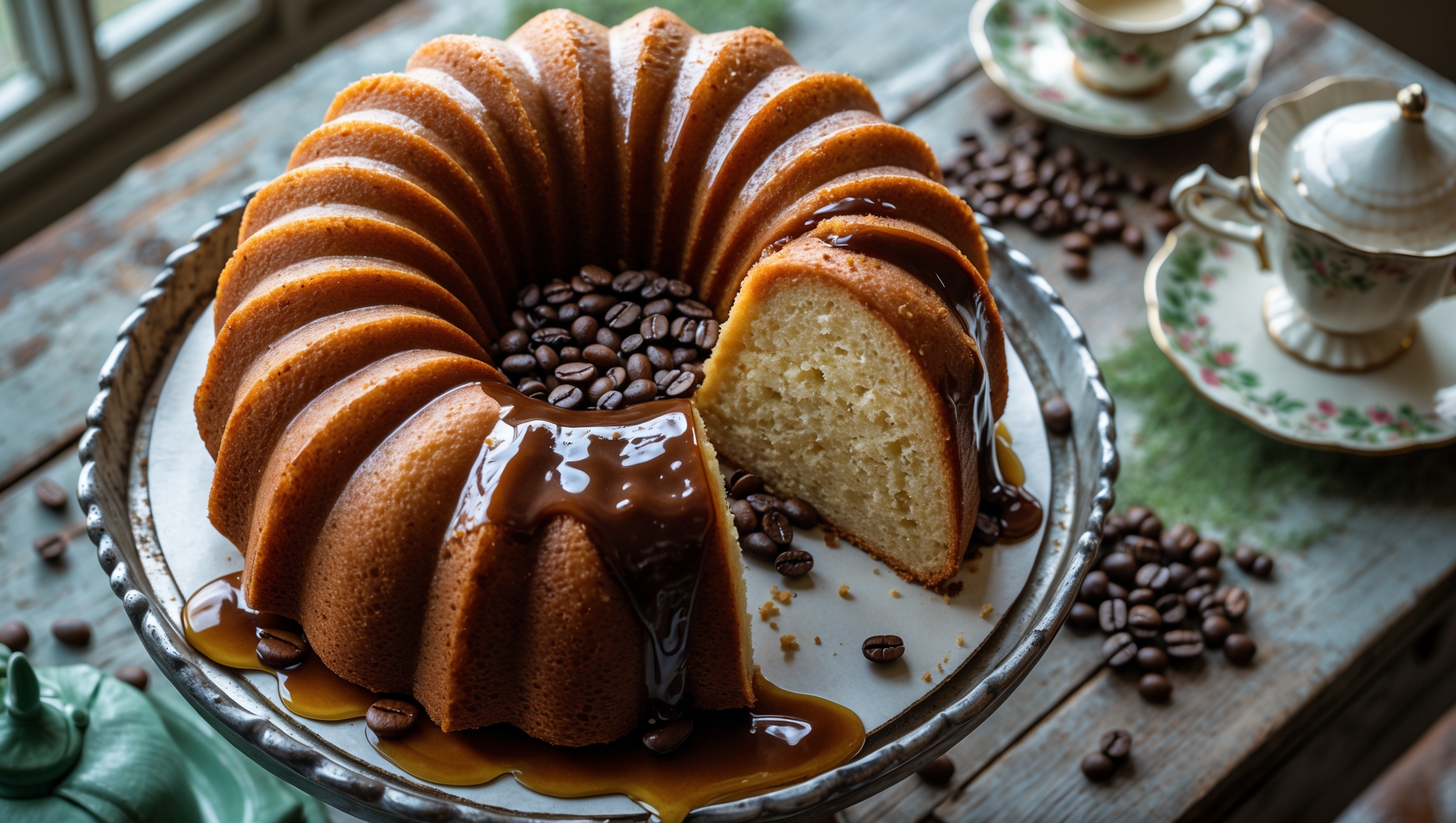
An overhead shot of a perfectly formed gingerbread bundt cake on an heirloom cake stand, bathed in soft afternoon light that highlights its rich mahogany color and intricate ridges. The cream cheese glaze cascades down the cake's fluted sides, pooling slightly at the base. A cross-section view reveals the cake's remarkably moist, tender crumb studded with crystallized ginger pieces. Whole cinnamon sticks, star anise, and scattered ground spices artfully frame the presentation, while a vintage cake server rests nearby, ready to cut into this aromatic holiday centerpiece. Steam wisps rise gently from a freshly cut slice, emphasizing the cake's warm spiced character.

Ingredients

<ul class="ingredients-main-list"><li class="ingredients-single-item">280g all-purpose flour</li><li class="ingredients-single-item">2 tsp ground ginger</li><li class="ingredients-single-item">2 tsp ground cinnamon</li><li class="ingredients-single-item">1/2 tsp ground cloves</li><li class="ingredients-single-item">1/4 tsp ground nutmeg</li><li class="ingredients-single-item">1 tsp baking soda</li><li class="ingredients-single-item">1/2 tsp salt</li><li class="ingredients-single-item">175g unsalted butter, softened</li><li class="ingredients-single-item">200g dark brown sugar, packed</li><li class="ingredients-single-item">3 large eggs, room temperature</li><li class="ingredients-single-item">125ml molasses (or black treacle)</li><li class="ingredients-single-item">1 tbsp fresh ginger, finely grated</li><li class="ingredients-single-item">50g crystallized ginger, finely chopped</li><li class="ingredients-single-item">240ml buttermilk, room temperature</li><li class="ingredients-single-item">For the glaze:</li><li class="ingredients-single-item">115g cream cheese, softened</li><li class="ingredients-single-item">60g unsalted butter, softened</li><li class="ingredients-single-item">180g powdered sugar, sifted</li><li class="ingredients-single-item">3-4 tbsp milk</li><li class="ingredients-single-item">1 tsp vanilla extract</li></ul>

Equipment

<ul class="equipment-main-list"><li class="equipment-single-item">23-25cm (9-10 inch) bundt pan</li><li class="equipment-single-item">Stand mixer or electric hand mixer</li><li class="equipment-single-item">Microplane or fine grater (for fresh ginger)</li><li class="equipment-single-item">Cooling rack</li></ul>
BAKE SMARTER

Kitchen Converter

Quickly switch between common baking units without leaving the recipe.

Convert
Result—

Volume uses US cups, tablespoons, and teaspoons. Converting weight to volume depends on the ingredient.

Directions

<ol class="no-list-style"><li class="MethodStepper"><h4 class="step-title">Step 1</h4>Preheat your oven to 180°C (350°F). Thoroughly grease and flour your bundt pan, ensuring you reach all the nooks and crevices. This meticulous preparation is crucial for a clean release later—don't rush this step!</li><li class="MethodStepper"><h4 class="step-title">Step 2</h4>In a medium bowl, whisk together the flour, ground ginger, cinnamon, cloves, nutmeg, baking soda, and salt until evenly combined. This thorough mixing ensures the spices distribute evenly throughout your cake.</li><li class="MethodStepper"><h4 class="step-title">Step 3</h4>In the bowl of your stand mixer fitted with the paddle attachment (or using a hand mixer), cream the softened butter and brown sugar on medium-high speed for 4-5 minutes until exceptionally light and fluffy. This extended creaming incorporates air that helps create your cake's tender structure.</li><li class="MethodStepper"><h4 class="step-title">Step 4</h4>Add eggs one at a time, beating well after each addition until fully incorporated. Scrape down the sides of the bowl frequently to ensure everything mixes evenly. The mixture should look smooth and slightly increased in volume.</li><li class="MethodStepper"><h4 class="step-title">Step 5</h4>Beat in the molasses and freshly grated ginger until the batter is uniform in color and well combined. Don't be alarmed if the mixture looks slightly curdled—this is normal and will smooth out when you add the dry ingredients.</li><li class="MethodStepper"><h4 class="step-title">Step 6</h4>With the mixer on low speed, add the flour mixture in three additions, alternating with the buttermilk in two additions (beginning and ending with flour). Mix just until combined after each addition—overmixing develops gluten, which can make your cake tough.</li><li class="MethodStepper"><h4 class="step-title">Step 7</h4>Fold in the chopped crystallized ginger by hand using a rubber spatula, ensuring it's evenly distributed throughout the batter. These little gems provide wonderful bursts of intense ginger flavor in the finished cake.</li><li class="MethodStepper"><h4 class="step-title">Step 8</h4>Pour the batter into your prepared bundt pan and smooth the top with a spatula. Tap the pan firmly on the counter 2-3 times to remove any air bubbles that might create holes in your finished cake.</li><li class="MethodStepper"><h4 class="step-title">Step 9</h4>Bake for 45-55 minutes, or until a wooden skewer inserted into the center comes out clean with just a few moist crumbs. The cake should feel springy when gently pressed, and you'll notice it starting to pull away slightly from the sides of the pan.</li><li class="MethodStepper"><h4 class="step-title">Step 10</h4>Allow the cake to cool in the pan for exactly 10 minutes—any less and it may break; any more and it might stick. Then invert onto a cooling rack and carefully remove the pan. Let the cake cool completely before glazing, about 2 hours.</li><li class="MethodStepper"><h4 class="step-title">Step 11</h4>For the cream cheese glaze, beat the cream cheese and butter until completely smooth and free of lumps. Gradually add the sifted powdered sugar, then add milk one tablespoon at a time until you reach a thick but pourable consistency. Stir in the vanilla extract.</li><li class="MethodStepper"><h4 class="step-title">Step 12</h4>Place your cooled cake on a serving plate and spoon the glaze over the top, allowing it to dramatically cascade down the ridges of the bundt. For the most beautiful presentation, work slowly and deliberately, adjusting the thickness of the glaze if needed by adding more milk or powdered sugar.</li><li class="MethodStepper"><h4 class="step-title">Step 13</h4>Let the glaze set for about 20 minutes before serving. This cake tastes even better the next day as the flavors deepen and meld, so don't hesitate to make it in advance. Store covered at room temperature for up to 3 days, or refrigerate for up to a week.</li></ol>

Nutrition Facts (per serving)

🍽️ Serving Size: 1 slice
🔥 Calories: 385 calories
🥑 Fat: 18 g
🧈 Saturated Fat: 11 g
🍞 Carbohydrates: 54 g
🍭 Sugar: 38 g
🍗 Protein: 4 g
🫀 Cholesterol: 95 mg
🧂 Sodium: 210 mg

Chef’s Notes

A few helpful details for making this recipe.

Can I make this festive bundt cake ahead of time for holiday gatherings?

Absolutely! This gingerbread cake actually tastes better the next day as the spices have time to develop. You can make it up to 3 days in advance and store at room temperature, or up to a week if refrigerated. The flavours deepen over time, making it perfect for stress-free holiday entertaining.

What makes a gingerbread cake so moist and how long will it stay fresh?

The combination of molasses, buttermilk, and brown sugar creates exceptional moisture in gingerbread cake. The proper butter-sugar creaming technique also incorporates air for tenderness. When stored correctly (covered at room temperature), this cake stays deliciously moist for up to 3 days, or a week when refrigerated.

How can I ensure my bundt cake releases perfectly from the pan without breaking?

The secret is thorough pan preparation—generously grease every crevice and dust with flour. After baking, allow the cake to cool in the pan for exactly 10 minutes (no more, no less). This timing is crucial as it allows the cake to set while still being warm enough to release cleanly from the pan.

Want to try something else in ...

More recipes you might like

Keep exploring with more recipes from What's Baking.