Dry Martini (Vodka Version) Recipe
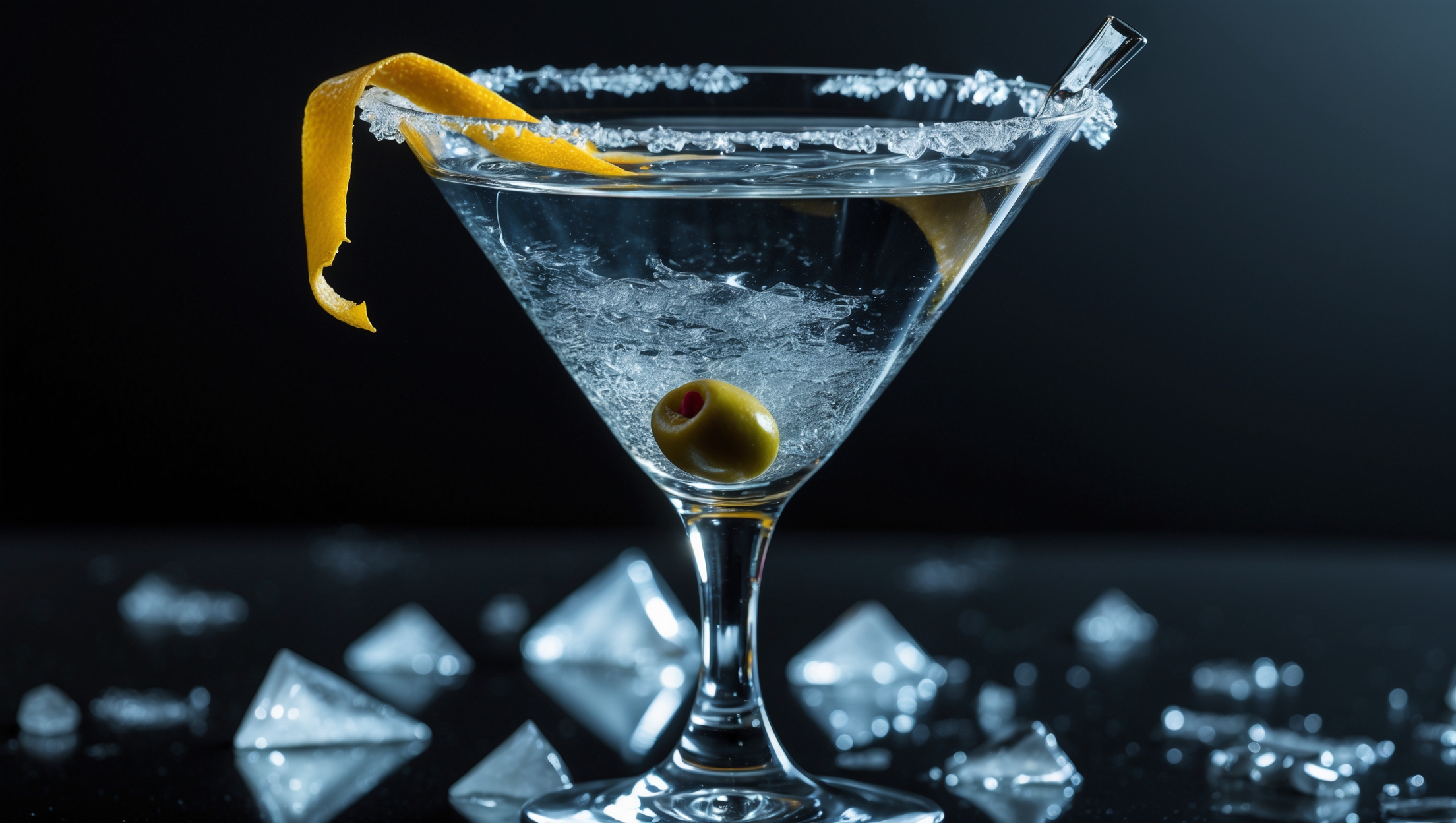
A crystalline, elegantly restrained vodka martini with subtle vermouth notes that showcases the clean, pure character of premium vodka with remarkable precision and sophistication.
Difficulty:
Beginner
Prep Time:
3 mins
Cook Time:
Serves:
1 cocktail
A perfectly chilled martini glass photographed against a dark backdrop, capturing the pristine clarity of the vodka martini with dramatic lighting that highlights its diamond-like brilliance. A thin twist of lemon peel rests delicately on the rim, its oils glistening on the surface of the drink. Ice crystals form on the exterior of the glass, suggesting extreme cold, while the crystal-clear liquid catches the light, creating striking reflections through the V-shaped glass. The minimalist presentation emphasizes the cocktail's sophisticated simplicity with a single olive pierced by a silver pick visible beneath the surface.

Ingredients

<ul class="ingredients-main-list"><li class="ingredients-single-item">60ml premium vodka (Grey Goose, Belvedere, or Ketel One)</li><li class="ingredients-single-item">10ml dry vermouth (Noilly Prat or Dolin)</li><li class="ingredients-single-item">Garnish: lemon twist or olive</li></ul>

Equipment

<ul class="equipment-main-list"><li class="equipment-single-item">Mixing glass</li><li class="equipment-single-item">Bar spoon</li><li class="equipment-single-item">Julep strainer or fine mesh strainer</li><li class="equipment-single-item">Jigger or small measuring cup</li><li class="equipment-single-item">Martini glass or coupe</li></ul>
BAKE SMARTER

Kitchen Converter

Quickly switch between common baking units without leaving the recipe.

Convert
Result—

Volume uses US cups, tablespoons, and teaspoons. Converting weight to volume depends on the ingredient.

Directions

<ol class="no-list-style"><li class="MethodStepper"><h4 class="step-title">Step 1</h4>Place your martini glass in the freezer at least 15 minutes before preparing the cocktail. A properly chilled glass is essential for maintaining the perfect temperature throughout the drinking experience.</li><li class="MethodStepper"><h4 class="step-title">Step 2</h4>Fill your mixing glass three-quarters full with large, clear ice cubes. Larger cubes melt more slowly, providing proper dilution without watering down your martini.</li><li class="MethodStepper"><h4 class="step-title">Step 3</h4>Pour 10ml of dry vermouth into the mixing glass. For an extra dry martini, you can reduce to 5ml or simply rinse the glass with vermouth and discard the excess.</li><li class="MethodStepper"><h4 class="step-title">Step 4</h4>Add 60ml of premium vodka to the mixing glass. The quality of vodka significantly impacts your martini, so use the best you can afford.</li><li class="MethodStepper"><h4 class="step-title">Step 5</h4>Gently stir the mixture with your bar spoon for about 30 seconds (approximately 40-50 rotations). You're aiming for proper dilution and chilling without introducing air bubbles that would cloud your martini.</li><li class="MethodStepper"><h4 class="step-title">Step 6</h4>Remove your chilled glass from the freezer and strain the cocktail into it using a julep strainer. Pour slowly and steadily to maintain the crystal-clear appearance.</li><li class="MethodStepper"><h4 class="step-title">Step 7</h4>Express the oils from a lemon twist over the surface of the drink by gently twisting it, then run the peel around the rim of the glass before dropping it in. Alternatively, garnish with one or three olives (never an even number, as tradition dictates).</li><li class="MethodStepper"><h4 class="step-title">Step 8</h4>Serve immediately while the cocktail is at its optimal temperature (around -5°C to -2°C). A properly made vodka martini should feel silky and maintain its chill throughout the drinking experience.</li></ol>

Nutrition Facts (per serving)

🍽️ Serving Size: 1 cocktail
🔥 Calories: 176 calories
🥑 Fat: 0 g
🧈 Saturated Fat: 0 g
🍞 Carbohydrates: 1 g
🍭 Sugar: 0 g
🍗 Protein: 0 g
🫀 Cholesterol: 0 mg
🧂 Sodium: 1 mg

Chef’s Notes

A few helpful details for making this recipe.

Why is a vodka martini stirred rather than shaken?

Contrary to popular film references, a vodka martini should be stirred to maintain its crystal-clear appearance and silky texture. Shaking introduces air bubbles and excessive dilution, clouding the drink and potentially creating a harsh mouthfeel that diminishes the premium vodka's subtle qualities.

What's the ideal temperature for serving a vodka martini?

The perfect vodka martini should be served extremely cold, between -5°C and -2°C. This is achieved by using a properly frozen glass, sufficient stirring with quality ice, and immediate serving. At this temperature, the martini develops a silky texture and the alcohol's harshness is pleasantly subdued.

Should I rinse the vermouth or mix it directly when making a martini?

For an extremely dry martini, rinse the chilled glass with vermouth and discard the excess. For a more traditional preparation, add 10ml directly to the mixing glass. The vermouth rinse technique provides just a whisper of vermouth, allowing the vodka's character to truly dominate the cocktail.

Want to try something else in ...

More recipes you might like

Keep exploring with more recipes from What's Baking.