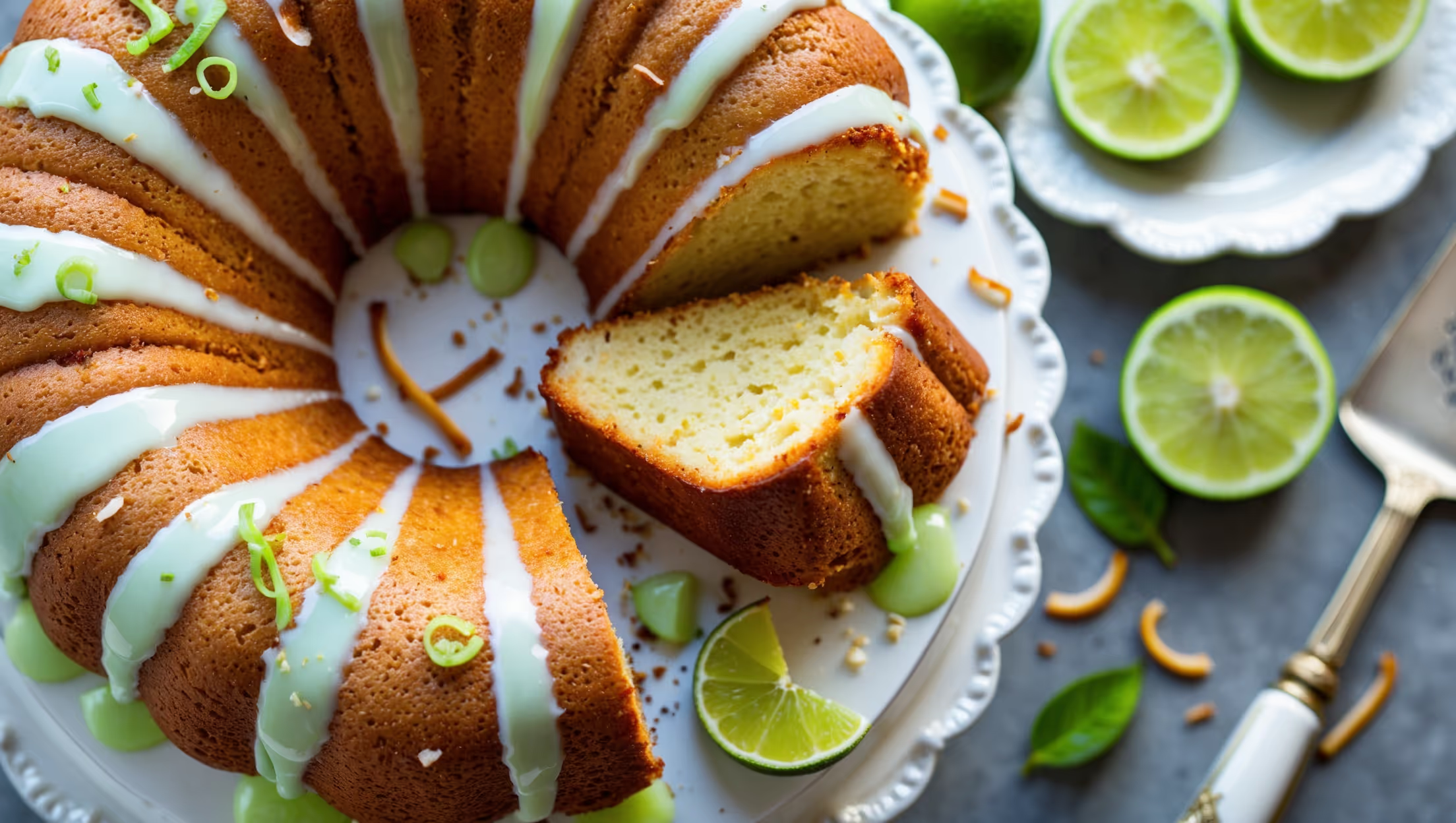
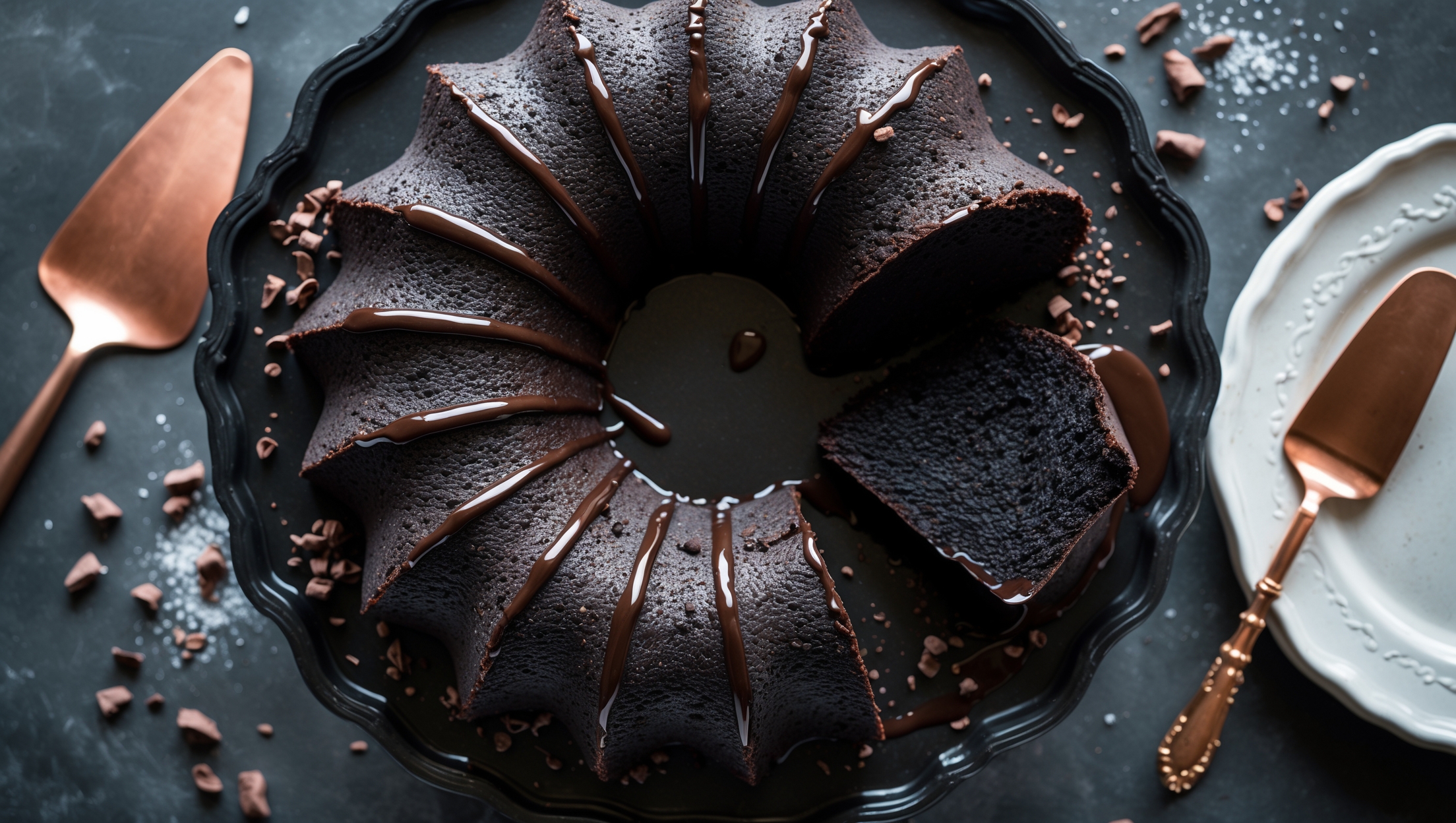
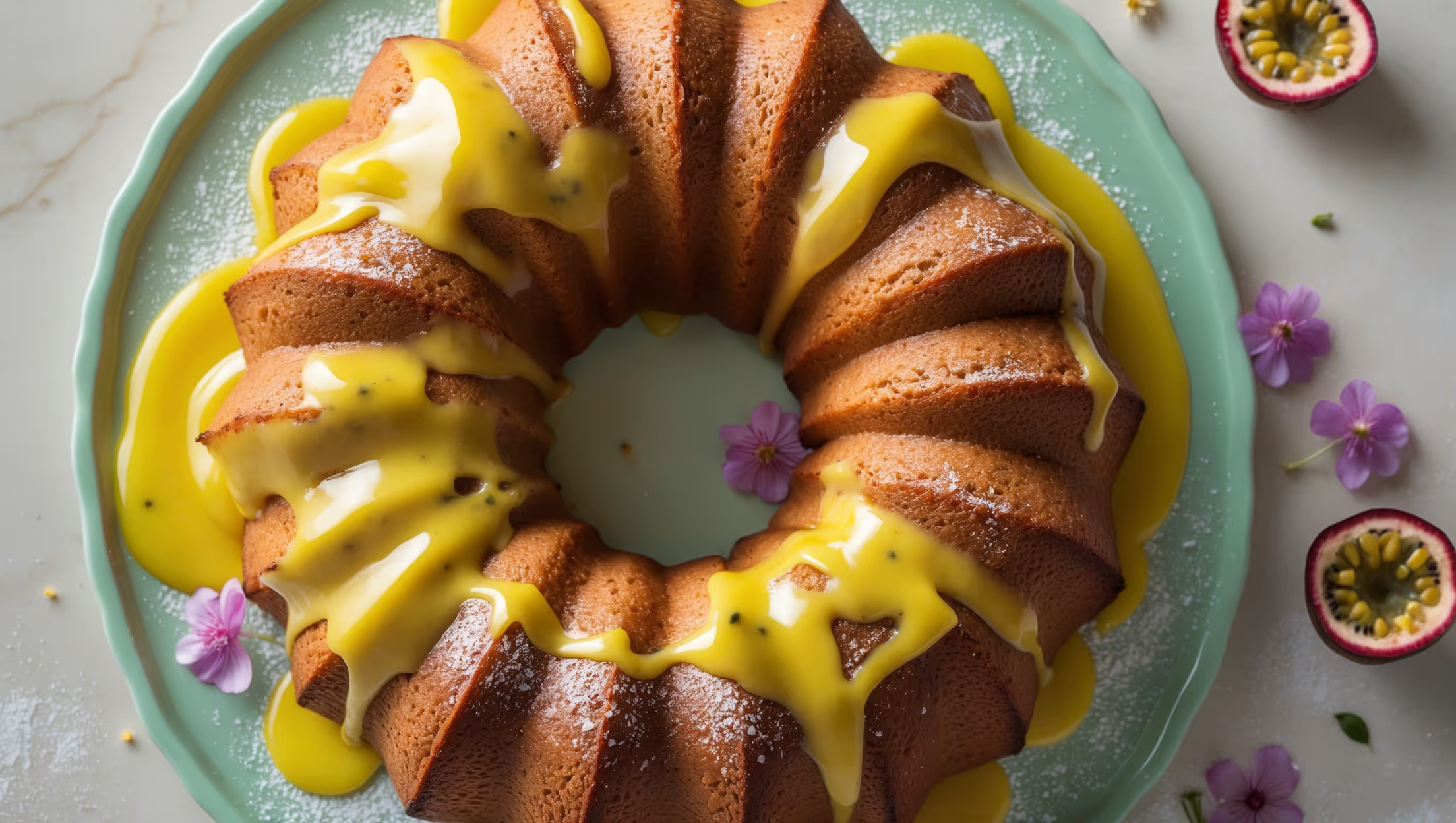
Directions
<ol class="no-list-style"><li class="MethodStepper"><h4 class="step-title">Step 1</h4>Preheat your oven to 175°C (350°F). Prepare your bundt pan by thoroughly greasing every crevice with butter, then dust with flour, tapping out any excess. This meticulous preparation is crucial for a clean release of your beautiful bundt cake.</li><li class="MethodStepper"><h4 class="step-title">Step 2</h4>In a medium bowl, whisk together the flour, baking powder, baking soda, and salt. This pre-mixing of dry ingredients ensures even distribution of leavening agents throughout your batter, preventing pockets of bitter-tasting baking soda or powder.</li><li class="MethodStepper"><h4 class="step-title">Step 3</h4>In the bowl of your stand mixer fitted with the paddle attachment (or using a hand mixer), cream the butter on medium speed until smooth and creamy, about 1 minute. Add the sugar gradually and beat on medium-high speed until the mixture is light and fluffy, about 5 minutes. This extended creaming process incorporates air into the batter, creating a tender crumb structure.</li><li class="MethodStepper"><h4 class="step-title">Step 4</h4>Add the eggs one at a time, beating well after each addition and scraping down the sides of the bowl as needed. The mixture may look slightly curdled – that's perfectly normal. Mix in the vanilla extract and coconut extract until well combined.</li><li class="MethodStepper"><h4 class="step-title">Step 5</h4>Reduce the mixer speed to low. Add the flour mixture in three parts, alternating with the coconut milk in two parts, beginning and ending with the flour mixture. Mix just until each addition is incorporated to avoid overworking the gluten, which would result in a tough cake.</li><li class="MethodStepper"><h4 class="step-title">Step 6</h4>Fold in the desiccated coconut with a rubber spatula until evenly distributed throughout the batter. The desiccated coconut will absorb some moisture during baking, contributing to the cake's tender texture while adding bursts of coconut flavor.</li><li class="MethodStepper"><h4 class="step-title">Step 7</h4>Pour the batter into the prepared bundt pan, smoothing the top with a spatula. Tap the pan gently on the counter a few times to remove any large air bubbles that could create holes in your finished cake.</li><li class="MethodStepper"><h4 class="step-title">Step 8</h4>Bake in the preheated oven for 50-55 minutes, or until a wooden skewer inserted into the center comes out clean or with a few moist crumbs (not wet batter). The cake should be golden brown and will have begun to pull away slightly from the sides of the pan.</li><li class="MethodStepper"><h4 class="step-title">Step 9</h4>Allow the cake to cool in the pan for exactly 10 minutes – not more, not less. This is the perfect time window where the cake has set enough to hold its shape but is still warm enough to release cleanly. Place a cooling rack over the pan and carefully invert. If the cake doesn't immediately release, gently tap the pan or shake it slightly. Allow the cake to cool completely before glazing.</li><li class="MethodStepper"><h4 class="step-title">Step 10</h4>While the cake cools, prepare the glaze by whisking together the powdered sugar, coconut milk, and coconut extract until smooth. The consistency should be thick but pourable – add more coconut milk a teaspoon at a time if needed.</li><li class="MethodStepper"><h4 class="step-title">Step 11</h4>Once the cake is completely cool, place it on a serving platter with some parchment strips tucked underneath to catch drips. Pour the glaze evenly over the top of the cake, allowing it to drip naturally down the sides. While the glaze is still wet, sprinkle the toasted coconut flakes over the top.</li><li class="MethodStepper"><h4 class="step-title">Step 12</h4>Allow the glaze to set for about 30 minutes before serving. This cake will keep well in an airtight container at room temperature for up to 4 days, though the texture is most perfect on days 1-2.</li></ol>