Directions
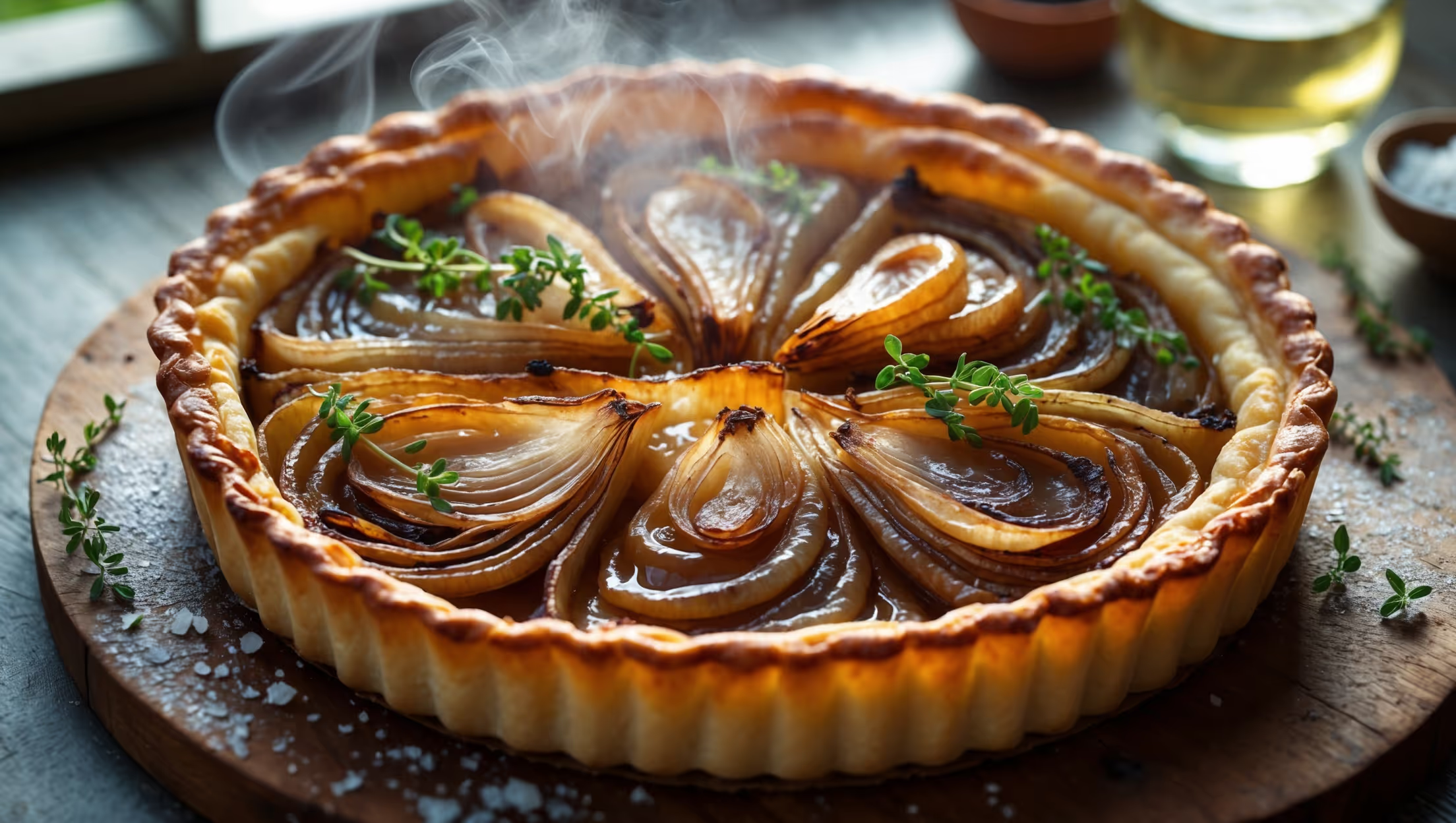
<ol class="no-list-style"><li class="MethodStepper"><h4 class="step-title">Step 1</h4>Start by making the pastry. In a large bowl, combine the flour and salt. Add the cold cubed butter and rub it into the flour using your fingertips until the mixture resembles breadcrumbs. The cold butter is essential as it creates steam pockets during baking, resulting in flaky layers.</li><li class="MethodStepper"><h4 class="step-title">Step 2</h4>Gradually add the ice-cold water, 1 tablespoon at a time, mixing with a knife until the dough just comes together. Be careful not to overwork the dough or add too much water as this will develop gluten and make your pastry tough rather than tender.</li><li class="MethodStepper"><h4 class="step-title">Step 3</h4>Form the dough into a disk, wrap in plastic wrap, and refrigerate for at least 30 minutes. This resting period allows the gluten to relax and the butter to firm up, which helps prevent shrinkage during baking.</li><li class="MethodStepper"><h4 class="step-title">Step 4</h4>While the pastry chills, prepare the onion filling. Heat the butter and olive oil in a large heavy-bottomed skillet over medium-low heat. Add the thinly sliced onions and a pinch of salt. Cook gently, stirring occasionally, for 30-40 minutes until they become soft, translucent, and caramelized to a deep golden color. Patience is key here – rushing this step will result in fried rather than caramelized onions.</li><li class="MethodStepper"><h4 class="step-title">Step 5</h4>When the onions have caramelized, add the thyme, balsamic vinegar, and brown sugar. Cook for another 5 minutes to concentrate the flavors. The vinegar adds acidity that balances the sweetness of the onions, while also helping to deglaze the pan to capture all the caramelized flavors. Remove from heat and allow to cool slightly.</li><li class="MethodStepper"><h4 class="step-title">Step 6</h4>Preheat your oven to 190°C (375°F). On a lightly floured surface, roll out the chilled pastry to about 3-4mm thickness, large enough to line your tart pan. Carefully transfer the pastry to the pan, gently pressing it into the corners without stretching it. Trim any excess dough from the edges.</li><li class="MethodStepper"><h4 class="step-title">Step 7</h4>Line the pastry case with parchment paper and fill with baking beans or pie weights. Blind bake for 15 minutes, then remove the paper and weights and bake for another 5 minutes until the base is just beginning to color. This pre-baking ensures your crust won't become soggy from the filling.</li><li class="MethodStepper"><h4 class="step-title">Step 8</h4>In a bowl, whisk together the eggs, crème fraîche, salt, pepper, and nutmeg. Stir in 3/4 of the grated cheese. This custard will set during baking to create a silky texture that holds the onions together.</li><li class="MethodStepper"><h4 class="step-title">Step 9</h4>Spread the caramelized onions evenly over the pre-baked tart shell. Pour the egg mixture over the onions and sprinkle with the remaining cheese. The cheese on top will create a beautiful golden crust as it bakes.</li><li class="MethodStepper"><h4 class="step-title">Step 10</h4>Bake in the preheated oven for 25-30 minutes until the filling is set and the top is golden brown. You'll know it's done when the center is just slightly wobbly – it will continue to set as it cools.</li><li class="MethodStepper"><h4 class="step-title">Step 11</h4>Allow the tart to cool for at least 15 minutes before removing from the pan. This resting period allows the filling to set properly and makes slicing cleaner. The tart can be served warm or at room temperature, making it perfect for preparing ahead of time.</li><li class="MethodStepper"><h4 class="step-title">Step 12</h4>Before serving, you may garnish with some fresh thyme leaves for a pop of color and an aromatic finish. Slice into wedges and enjoy your beautifully caramelized onion tart!</li></ol>