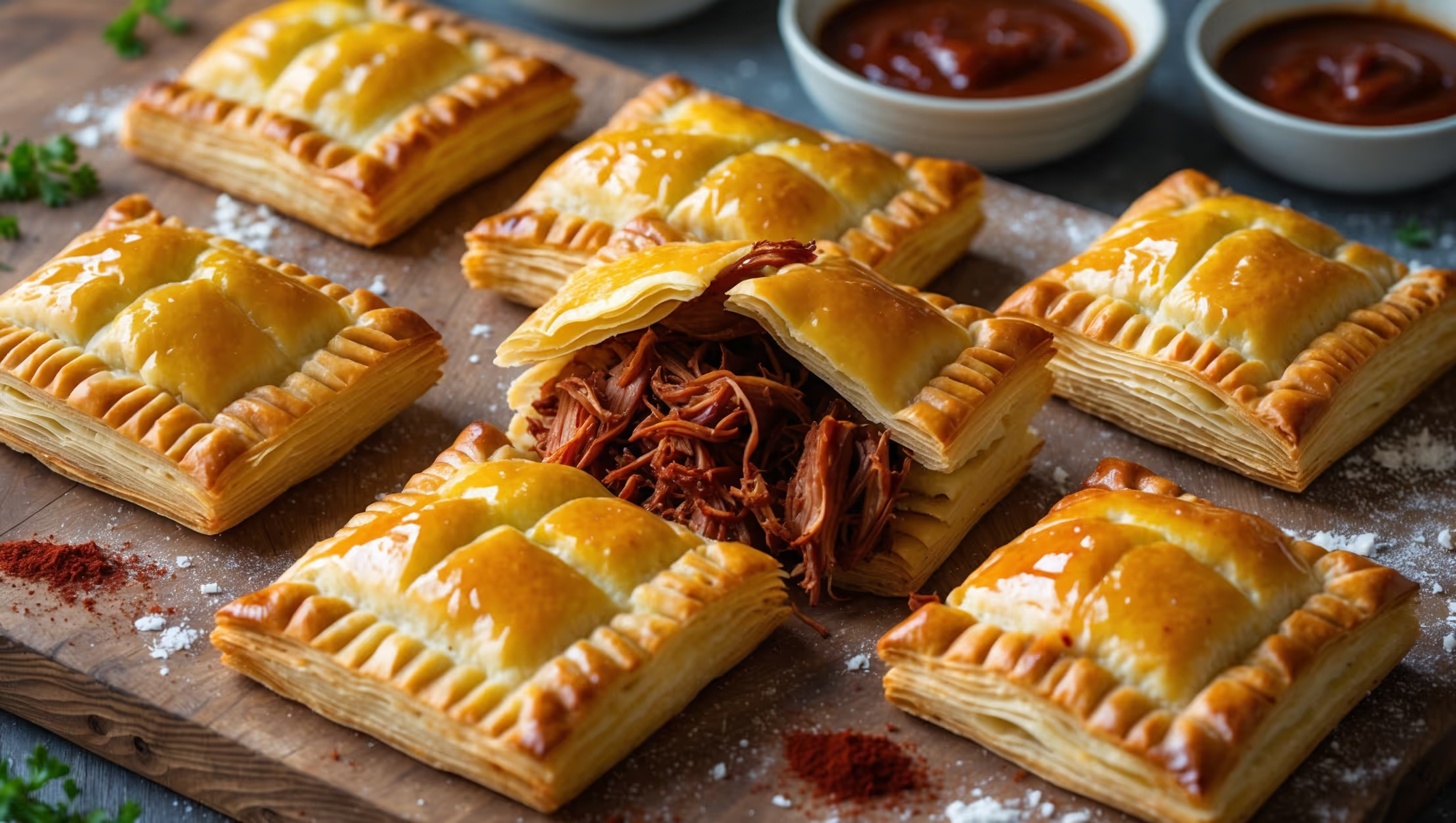
Directions
<ol class="no-list-style"><li class="MethodStepper"><h4 class="step-title">Step 1</h4>Begin by creating a saffron infusion. Place the saffron threads in a small bowl with 2 tablespoons of warm milk. Stir gently and let steep for at least 15 minutes. The milk will turn a beautiful golden-yellow as the saffron releases its color and flavor compounds.</li><li class="MethodStepper"><h4 class="step-title">Step 2</h4>In the bowl of your stand mixer, combine the bread flour, instant yeast, salt, and 60g sugar. Mix briefly with the dough hook to distribute the dry ingredients evenly. The high protein content in bread flour will give your pastry structure to support all the butter layers.</li><li class="MethodStepper"><h4 class="step-title">Step 3</h4>Add the warm water and saffron milk infusion to the dry ingredients. Mix on low speed for 2 minutes until combined, then increase to medium speed and knead for 5-7 minutes until you have a smooth, elastic dough that pulls away from the sides of the bowl. The dough should be slightly tacky but not sticky.</li><li class="MethodStepper"><h4 class="step-title">Step 4</h4>Shape the dough into a ball and place in a lightly oiled bowl. Cover with plastic wrap and let rise in a warm place for about 1 hour, or until doubled in size. This slow fermentation develops flavor and gluten structure for the lamination process.</li><li class="MethodStepper"><h4 class="step-title">Step 5</h4>While the dough rises, prepare your butter block. Place the cold butter between two sheets of parchment paper and beat it with a rolling pin to soften slightly. Shape into a 20cm square that's about 1cm thick. The butter should be pliable but still cold—if it starts to melt, refrigerate immediately. Perfect butter temperature is crucial for successful lamination.</li><li class="MethodStepper"><h4 class="step-title">Step 6</h4>Once the dough has doubled, punch it down and turn onto a lightly floured surface. Roll it into a square approximately 30cm on each side. Place the butter block diagonally in the center of the dough square, resembling a diamond on a square.</li><li class="MethodStepper"><h4 class="step-title">Step 7</h4>Fold the four corners of the dough over the butter to completely enclose it, pinching the seams to seal. You should now have a square package with butter sealed inside. This is the beginning of your laminated dough.</li><li class="MethodStepper"><h4 class="step-title">Step 8</h4>Roll the dough carefully into a rectangle approximately 45cm x 20cm, keeping the edges straight. Perform your first fold by folding the right third over the center, then the left third over that (like folding a letter). Wrap in plastic and refrigerate for 30 minutes. Chilling relaxes the gluten and keeps butter cold, preventing it from melting into the dough.</li><li class="MethodStepper"><h4 class="step-title">Step 9</h4>Remove from refrigerator and place the dough on a lightly floured surface with the open ends facing right and left. Roll again to a 45cm x 20cm rectangle and repeat the letter fold. Wrap and refrigerate for another 30 minutes. This is your second turn.</li><li class="MethodStepper"><h4 class="step-title">Step 10</h4>Meanwhile, prepare the caramelized honey. In a small saucepan, combine the honey with 2 tablespoons of water. Heat over medium heat until it begins to bubble, then reduce heat to low and simmer for about 5-7 minutes until slightly thickened and darker in color. The honey should coat the back of a spoon but still be pourable. Set aside to cool slightly.</li><li class="MethodStepper"><h4 class="step-title">Step 11</h4>For the final turn, roll the dough again to a 45cm x 20cm rectangle. This time, sprinkle 50g of the granulated sugar evenly over the surface. Fold in thirds as before, wrap, and refrigerate for 30 minutes. The sugar creates additional caramelization and crunch during baking.</li><li class="MethodStepper"><h4 class="step-title">Step 12</h4>After the final rest, roll the dough into a large rectangle approximately 40cm x 30cm. Brush the entire surface generously with the caramelized honey, then sprinkle the remaining 50g of sugar evenly over the top.</li><li class="MethodStepper"><h4 class="step-title">Step 13</h4>Using a sharp knife or pizza cutter, trim the edges of the rectangle to straighten them, then cut the dough into 12 equal squares, approximately 10cm each. The clean cuts help maintain the lamination during baking.</li><li class="MethodStepper"><h4 class="step-title">Step 14</h4>Grease a 12-cup muffin tin. Take each square and fold the four corners into the center. Place each pastry into a muffin cup, pressing gently to secure. Cover loosely with plastic wrap and let rest for 30 minutes. During this time, preheat your oven to 190°C.</li><li class="MethodStepper"><h4 class="step-title">Step 15</h4>Bake the Kouign-Amann for 30-35 minutes until deeply golden brown and caramelized. The high sugar content means they brown quickly, so watch carefully after 25 minutes. They should be crisp on the outside but still soft in the center layers.</li><li class="MethodStepper"><h4 class="step-title">Step 16</h4>Remove from the oven and immediately turn out onto a wire rack. If left in the tin, the caramelized sugar will harden and make them difficult to remove. Let cool for about 10 minutes before serving. They're best enjoyed still slightly warm when the caramelized honey is still soft and the contrast between the crisp exterior and tender layers is most pronounced.</li></ol>