Directions
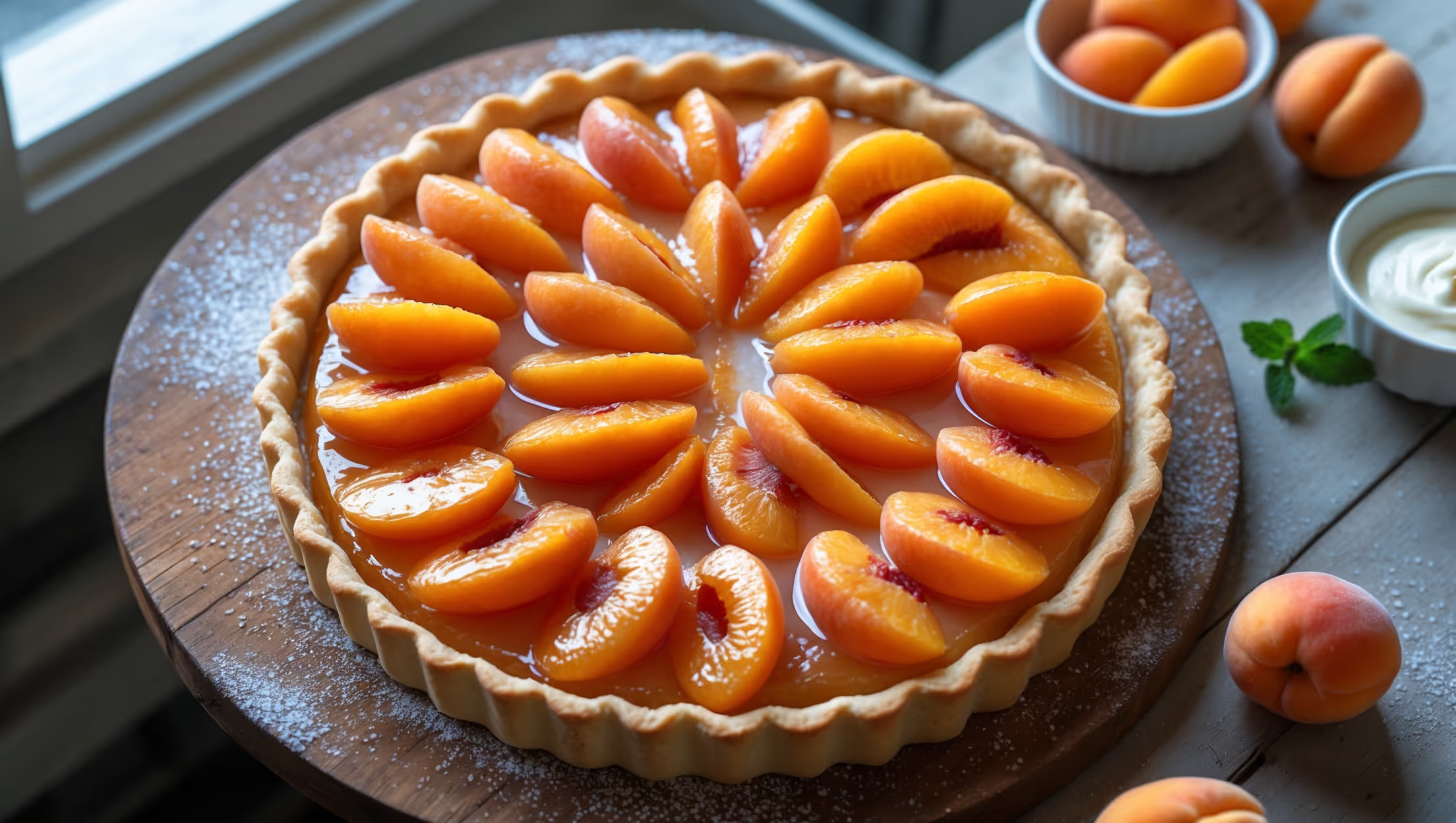
<ol class="no-list-style"><li class="MethodStepper"><h4 class="step-title">Step 1</h4> Begin by making the shortcrust pastry. If using a food processor, pulse the flour, salt, and butter until the mixture resembles fine breadcrumbs. If making by hand, rub the cold butter into the flour and salt with your fingertips until you achieve the same texture. The cold butter is essential as it creates steam pockets during baking, resulting in a flaky crust.</li><li class="MethodStepper"><h4 class="step-title">Step 2</h4> Add the icing sugar and mix briefly. Make a well in the center and add the egg yolk and 2 tablespoons of ice-cold water. Mix gently until the dough just comes together, adding the additional tablespoon of water only if needed. Be careful not to overwork the dough, which would develop the gluten and make the pastry tough.</li><li class="MethodStepper"><h4 class="step-title">Step 3</h4> Form the dough into a disc, wrap in cling film, and refrigerate for at least 30 minutes. This resting period allows the gluten to relax and the butter to firm up, preventing shrinkage during baking.</li><li class="MethodStepper"><h4 class="step-title">Step 4</h4> Preheat your oven to 190°C (170°C fan/375°F). Roll out the chilled pastry on a lightly floured surface to about 3-4mm thickness and use it to line your tart tin. Gently press the pastry into the fluted edges, then trim the excess. Prick the base all over with a fork to prevent air bubbles.</li><li class="MethodStepper"><h4 class="step-title">Step 5</h4> Line the pastry case with parchment paper and fill with baking beans or rice. Blind bake for 15 minutes, then remove the beans and paper and bake for an additional 5-7 minutes until the pastry is lightly golden. This pre-baking ensures your crust won't become soggy when filled. Remove from the oven and reduce the temperature to 180°C (160°C fan/350°F).</li><li class="MethodStepper"><h4 class="step-title">Step 6</h4> While the pastry cools slightly, prepare the frangipane filling. In a bowl, cream together the butter and sugar until pale and fluffy. Beat in the egg, then gently fold in the ground almonds, flour, and almond extract if using. The frangipane should have a soft, spreadable consistency.</li><li class="MethodStepper"><h4 class="step-title">Step 7</h4> Spread the frangipane evenly over the base of the pastry case. Arrange the apricot halves, cut-side up, in a circular pattern on top, gently pressing them into the frangipane. The frangipane will rise slightly around the fruit as it bakes.</li><li class="MethodStepper"><h4 class="step-title">Step 8</h4> Sprinkle with flaked almonds if using, and bake for 25-30 minutes until the frangipane is puffed, set, and golden brown. You'll know it's ready when a skewer inserted into the frangipane comes out clean. If the top browns too quickly, cover loosely with foil.</li><li class="MethodStepper"><h4 class="step-title">Step 9</h4> While the tart is baking, prepare the glaze by warming the apricot jam with the water in a small saucepan until smooth and liquid. Pass through a fine sieve if there are any lumps of fruit.</li><li class="MethodStepper"><h4 class="step-title">Step 10</h4> When the tart is done, remove from the oven and brush immediately with the warm apricot glaze. This adds shine and protects the fruit from drying out. Allow the tart to cool in the tin for 15 minutes, then carefully remove and cool completely on a wire rack.</li><li class="MethodStepper"><h4 class="step-title">Step 11</h4> Just before serving, dust lightly with icing sugar for a professional finish. This tart is delightful served on its own or with a dollop of crème fraîche or vanilla ice cream. Your Apricot Tart will keep well for 2-3 days stored in an airtight container at room temperature.</li></ol>