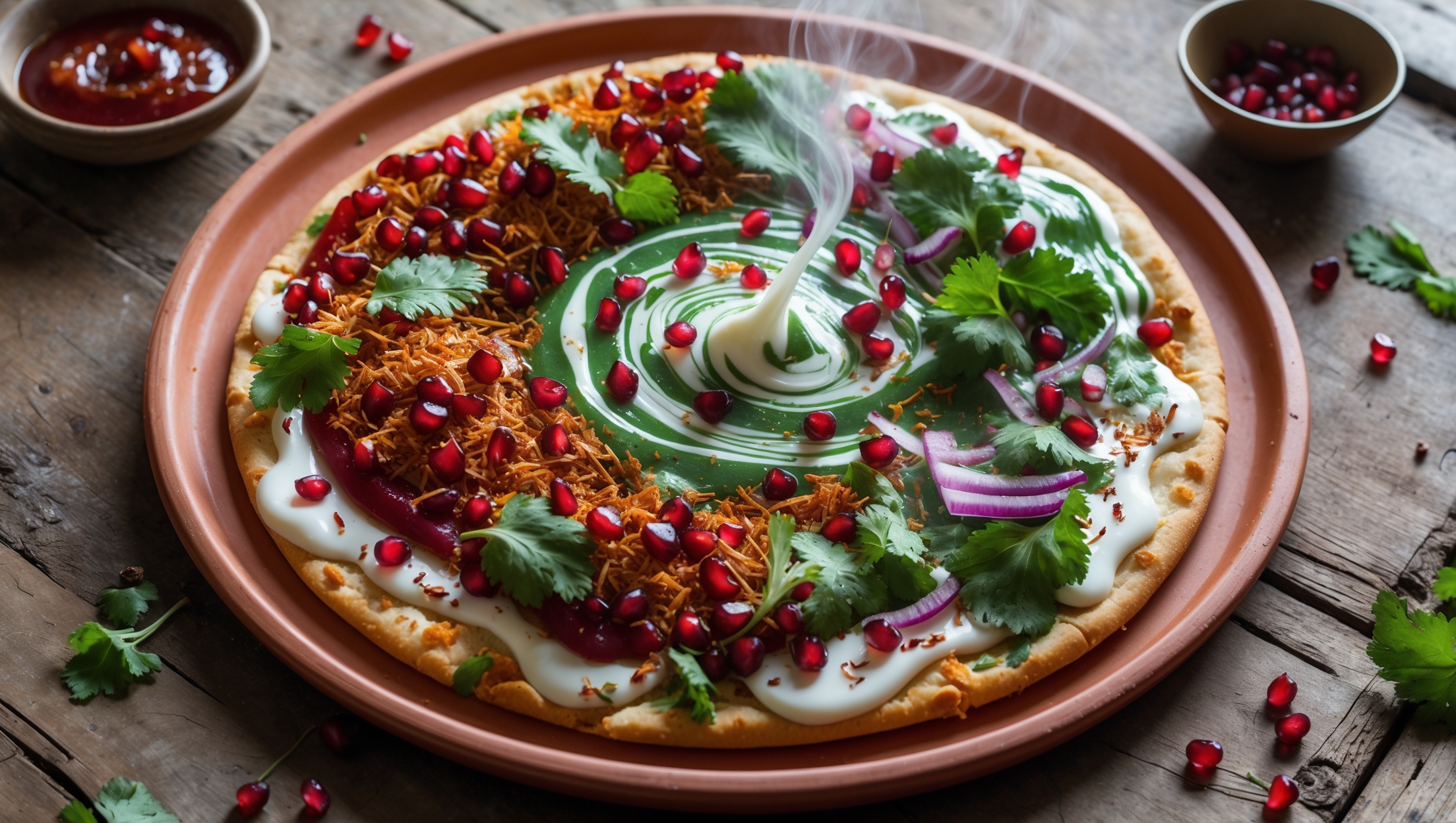
Directions
<ol class="no-list-style"><li class="MethodStepper"><h4 class="step-title">Step 1</h4>Begin by preparing the pizza dough. In a small bowl, combine the warm water (around 40°C) with sugar and yeast. Let it sit for 5-10 minutes until foamy – this indicates your yeast is active and ready to work its magic in creating a light, airy crust.</li><li class="MethodStepper"><h4 class="step-title">Step 2</h4>In a large mixing bowl, combine the flour and salt. Make a well in the center and pour in the activated yeast mixture and olive oil. Mix until a rough dough forms, then turn onto a floured surface and knead for 8-10 minutes until smooth and elastic. The gluten development during kneading will give your pizza crust its delightful chewy texture.</li><li class="MethodStepper"><h4 class="step-title">Step 3</h4>Place the dough in an oiled bowl, cover with a damp cloth, and let it rise in a warm place for about 1 hour or until doubled in size. This slow fermentation develops flavor in your dough while the yeast creates carbon dioxide bubbles that will expand during baking.</li><li class="MethodStepper"><h4 class="step-title">Step 4</h4>While the dough rises, prepare your chutneys if making from scratch. For the mint-coriander chutney, blend fresh herbs with green chili, lemon juice, and salt to a smooth paste, adding a tablespoon of water if needed. For tamarind chutney, mix tamarind paste with honey and water until you achieve a thick, pourable consistency.</li><li class="MethodStepper"><h4 class="step-title">Step 5</h4>Preheat your oven to its highest setting (usually 240-250°C) with your pizza stone or baking sheet inside. The intense heat will quickly cook the base, creating that perfect crispy-yet-chewy texture.</li><li class="MethodStepper"><h4 class="step-title">Step 6</h4>Once the dough has doubled, punch it down to release air bubbles and divide into two equal portions. On a floured surface, roll each portion into a thin circle about 25cm in diameter. Remember, the thinner the base, the crispier it will be!</li><li class="MethodStepper"><h4 class="step-title">Step 7</h4>Carefully transfer the first rolled dough onto a piece of parchment paper (or a floured pizza peel if you have one). Spread 1 tablespoon of tamarind chutney as your base sauce, leaving a 1cm border for the crust. The tamarind provides acidity similar to tomato sauce in traditional pizza but with a sweet-tangy twist.</li><li class="MethodStepper"><h4 class="step-title">Step 8</h4>Sprinkle half the mozzarella cheese evenly over the base, then arrange half the potato cubes, chickpeas, diced onion, and tomato. The cheese acts as a binding agent for your toppings while providing that classic pizza stretch when melted.</li><li class="MethodStepper"><h4 class="step-title">Step 9</h4>Carefully slide the pizza (with parchment paper) onto the preheated stone or baking sheet. Bake for 10-12 minutes until the cheese is bubbling and the crust is golden brown. Look for visual cues – a slightly charred edge indicates proper cooking.</li><li class="MethodStepper"><h4 class="step-title">Step 10</h4>Remove from the oven and immediately drizzle with yogurt, the remaining tamarind chutney, and mint-coriander chutney in artistic patterns. Working quickly while the pizza is hot allows the yogurt to slightly melt and flavors to meld together.</li><li class="MethodStepper"><h4 class="step-title">Step 11</h4>Sprinkle with chaat masala, cumin powder, and a pinch of red chili powder. These spices will bloom in the residual heat, releasing their aromatic compounds and enhancing the flavor profile.</li><li class="MethodStepper"><h4 class="step-title">Step 12</h4>Finish by scattering sev, pomegranate seeds, and fresh coriander leaves on top. The sev provides crucial crunch, pomegranate adds juicy bursts of sweetness, and fresh herbs brighten the whole dish. Serve immediately while the contrast between the hot pizza and cool toppings is at its peak. Repeat steps 7-12 with the second portion of dough and remaining ingredients.</li></ol>